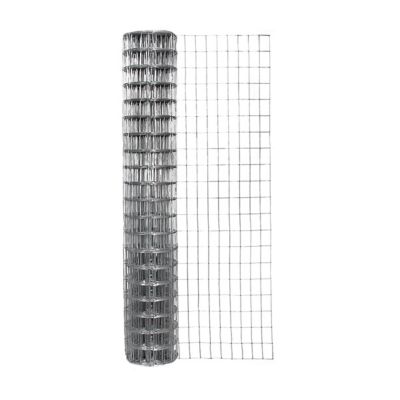
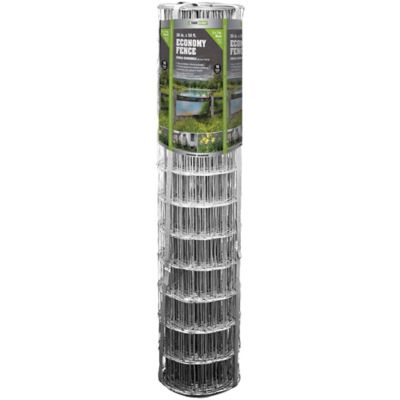
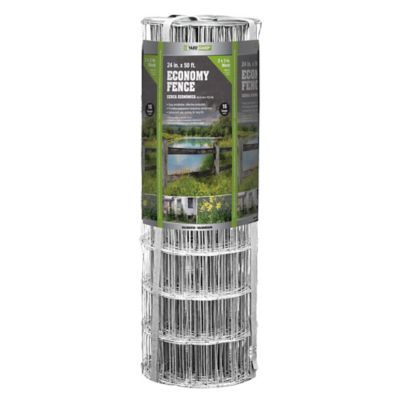
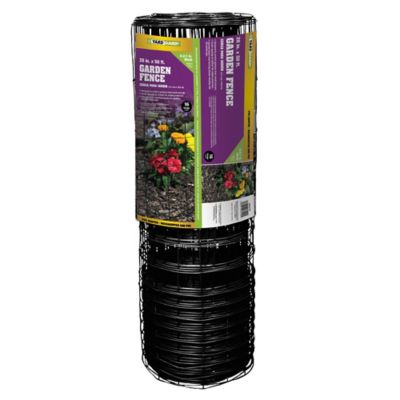
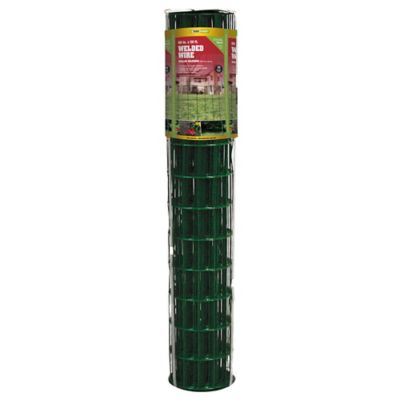
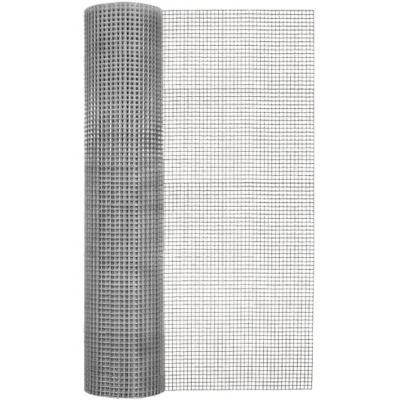
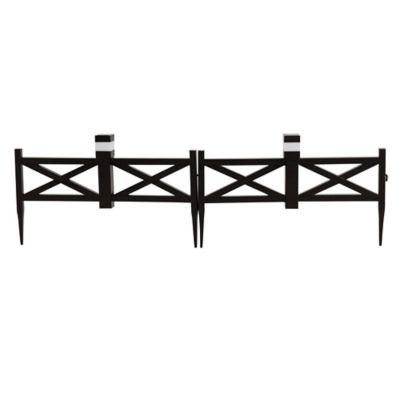
A productive garden takes more than good soil and regular watering. Birds, rabbits, deer, squirrels, raccoons, insects and even curious pets can undo weeks of work in a single night, especially when tender seedlings, ripening fruit and leafy greens are easy to reach. Garden protection products help create a barrier between your plants and the critters that see them as a free buffet. The right choice depends on what is causing trouble, how large the growing area is and whether you need protection for a single plant, a raised bed or the whole garden. Short fencing can help keep rabbits and other small animals out, while taller fencing is a better fit for deer. A fence around 2 to 3 feet high may suit smaller pests, but deer often require a barrier closer to 6 to 8 feet high to discourage jumping. For animals that dig, choose sturdy mesh and bury the lower edge about 6 to 12 inches below the soil surface, bending it outward when possible to make digging underneath more difficult. Hardware cloth and chicken wire can be useful around garden beds, compost areas and young trees, though the openings should be small enough to keep the target animal from pushing through or reaching between the wires. Keep gates latched, check for gaps at corners and look along the bottom edge after heavy rain, when softened soil can create new openings. Garden protection works best when it is matched to the animal rather than used as a one-size-fits-all fix. A gardener dealing with nibbling rabbits may need a low, firmly anchored barrier, while someone protecting fruit trees from birds may get better results from fine netting supported above the branches so birds cannot reach the fruit through the mesh.
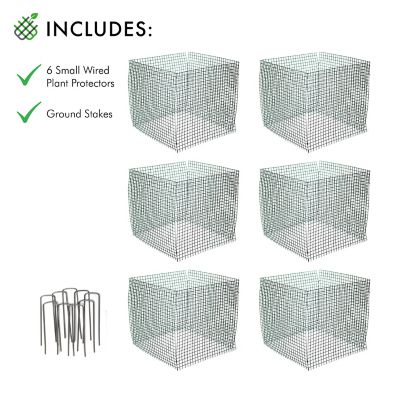
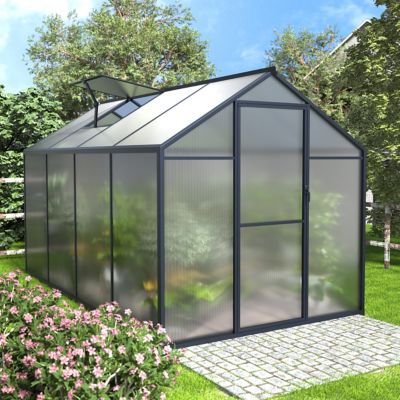
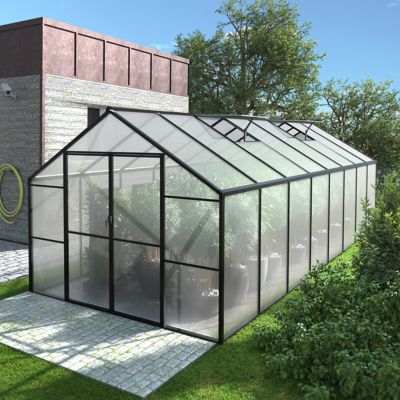
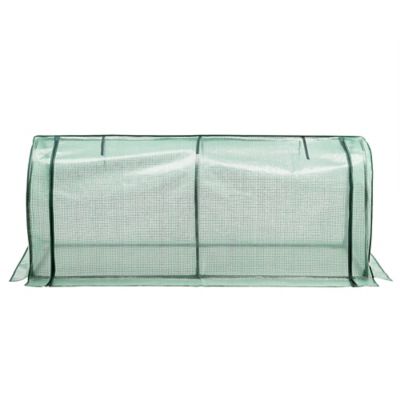
Plants often need protection from insects and weather as much as they need protection from larger animals. Floating row covers and fine mesh netting can be draped over hoops or a simple frame to help block cabbage worms, aphids, beetles and other flying pests while allowing light and air to reach the plants. These covers are especially handy for leafy greens, brassicas, herbs and young vegetable starts. Secure the edges with garden staples, soil, boards or clips so wind cannot lift the material and give pests an easy entrance. Remember to uncover plants that need pollination, or use a cover designed to allow beneficial insects through, once flowers appear. Individual cloches, wire cages and small mesh covers offer a practical solution for a prized seedling, a newly planted perennial or a few tomato and pepper plants that need extra attention. They also make it easier to protect plants in containers on a porch, patio or small backyard plot. During the cooler months, lightweight row covers can provide a little added protection from light frost and sharp overnight temperature changes, though they should not be treated as a substitute for a properly heated or insulated growing space when severe cold arrives. Netting can also help protect berries, vines and small fruit trees, but it should be pulled tight and checked often for loose sections where birds or small wildlife could become tangled. Choose materials that fit the size of the bed and the height of the plants, leaving enough room for growth and watering. For a gardener who likes to start seeds, raise transplants or experiment with vegetables outside the usual growing season, these barriers can be a thoughtful and useful gift. They save time, protect the plants that took effort to grow and can be reused from one season to the next when stored clean and dry.
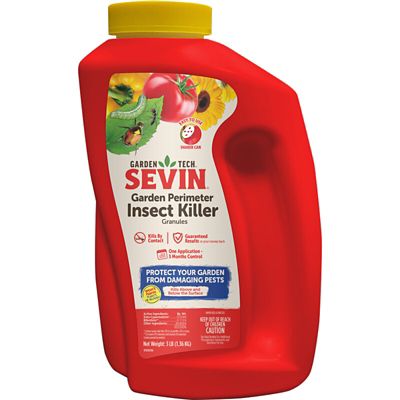
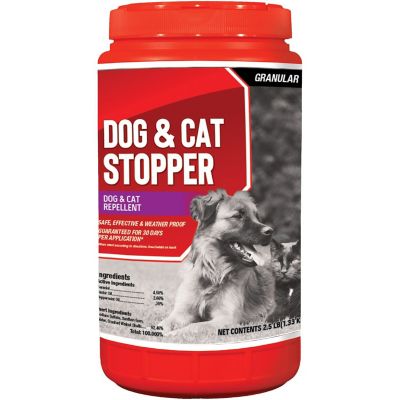
Additional layers of protection can help when fencing and mesh are not enough on their own. Scent-based repellents may be applied around a garden's perimeter to discourage deer, rabbits and other unwanted visitors, but always follow the label directions and reapply as instructed, especially after rain or heavy dew. A repellent should be selected with the garden's location in mind, including whether children, pets, livestock or food crops are nearby. Motion-activated sprinklers and other alerting devices can startle deer, cats, raccoons and similar animals before they settle in to feed, making them useful for gardens near wooded edges, pasture or open fields. Placement matters: aim the detection area toward the path animals use, and position the device where it will not spray walkways or surprise people carrying a watering can after dark. Regular inspection is just as important as the initial setup. Walk the perimeter during daylight, look for tracks, droppings, chewed leaves, bent stems and fresh digging, then adjust the protection based on what you find. During early fall and the cooler stretch that follows, remove fallen fruit and overripe vegetables that may attract wildlife, clear dense weeds that provide hiding places and keep covers from collecting wet leaves. In winter, brush snow from mesh and support frames before the weight causes them to bend, and store lightweight materials when the garden is dormant if they are not needed. Whether you are tending a few raised beds, maintaining a larger homestead garden or helping a new gardener get started, the right combination of barriers, covers, repellents and monitoring can make the growing space calmer and easier to manage. Browse
Plant Protectors to find garden protection options for vulnerable seedlings, established crops, fruiting plants and the hardworking gardener who wants to spend more time growing and less time repairing damage.