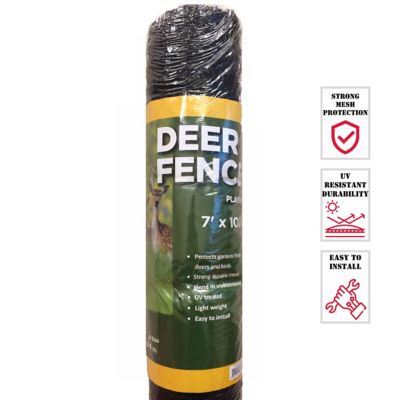
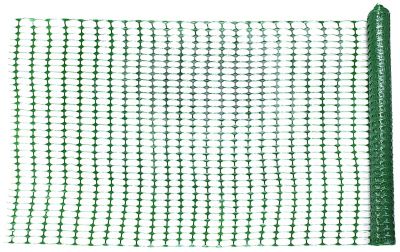
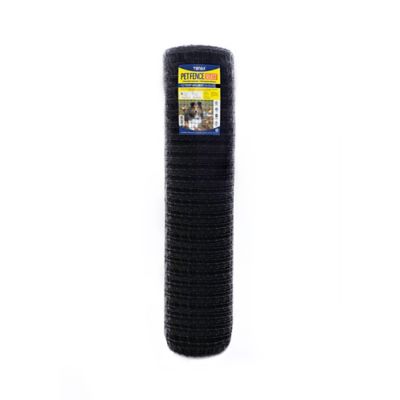
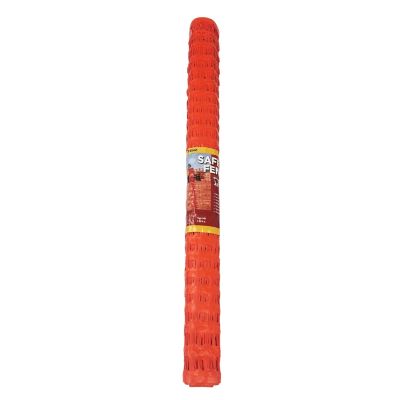
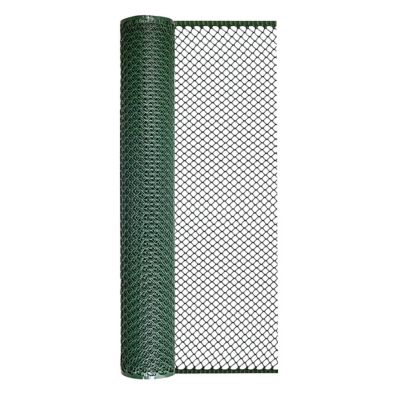
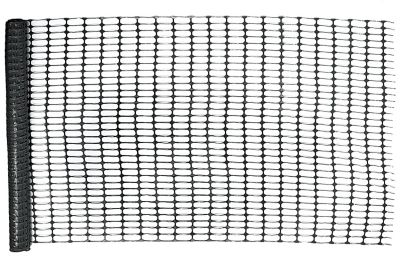
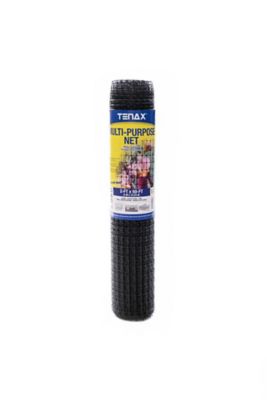
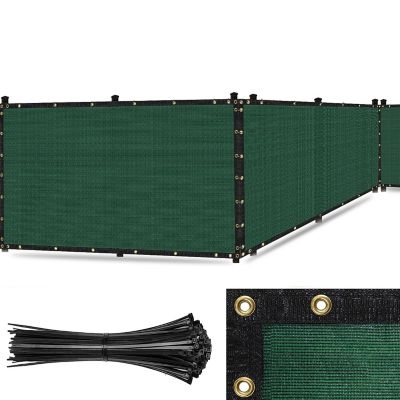
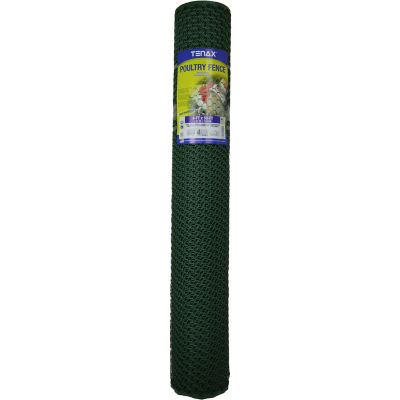
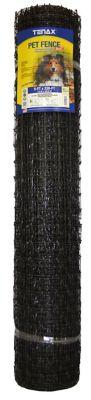
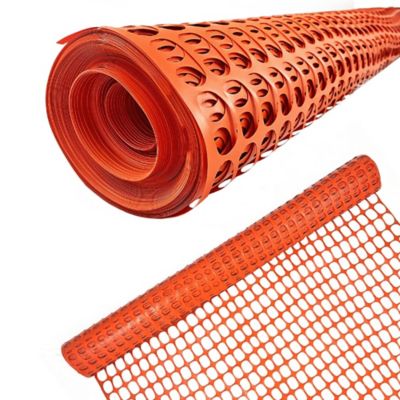
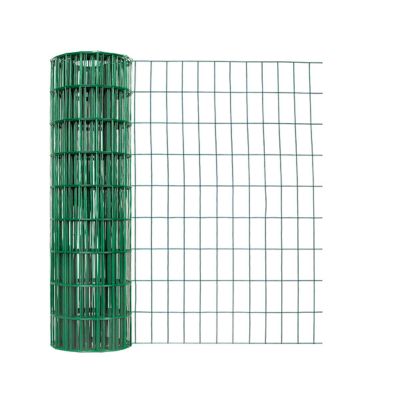
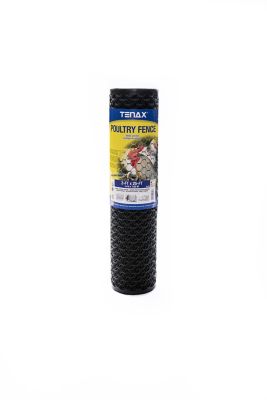
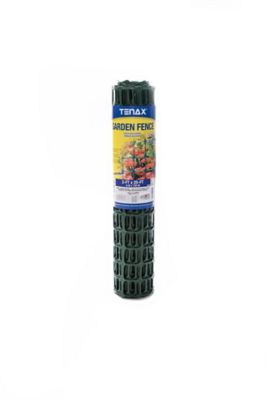
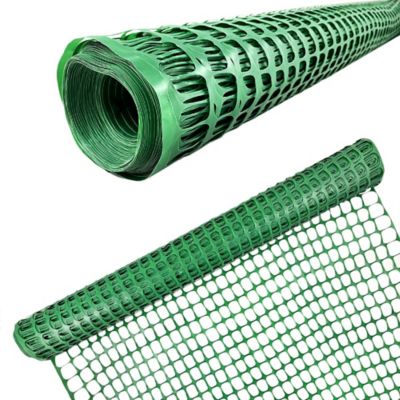
Plastic mesh fences are a handy choice when you need a clear boundary without the weight, rust, or sharp edges that can come with metal fencing. Made from flexible polyethylene or polypropylene, these lightweight rolls are easy to carry from the barn to the garden, and they can be cut to fit around raised beds, walkways, poultry runs, work areas, or uneven ground. Depending on the size and style, plastic mesh may serve as a temporary barrier for small animals, a garden guard against rabbits and other pests, or a visible marker around a project area. Bright orange and other safety colors stand out around open excavations, fresh landscaping, driveways, and construction zones, while green or black mesh can blend more naturally along a fence line or in a backyard. The open design lets air and sunlight pass through, so it can help create a boundary without making a space feel boxed in. For a wider selection of flexible barriers and garden-use materials, browse
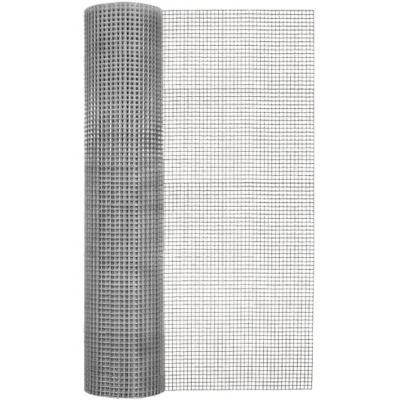
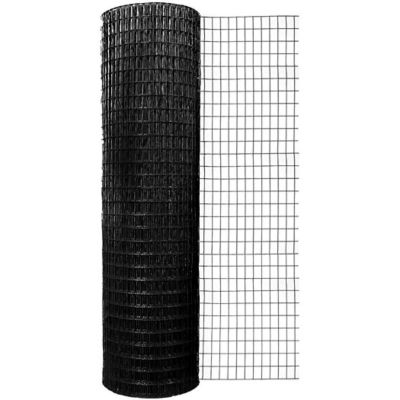
Plastic Netting. When comparing plastic mesh fences, start with the job at hand. Mesh openings should be small enough for the animals or pests you are trying to contain or keep out, while the fence height should be tall enough for the space and the behavior of what is on either side. A low barrier may be enough to define a flower bed or keep foot traffic off newly seeded ground, but poultry, active pets, and determined garden visitors may call for taller mesh and more secure support. Pay attention to roll length as well; having a little extra makes it easier to overlap corners, follow a gentle curve, or repair a section later. A roll that is easy to handle can save plenty of time when you are working alone, especially on a warm afternoon when the garden needs attention and the chores are already lined up.
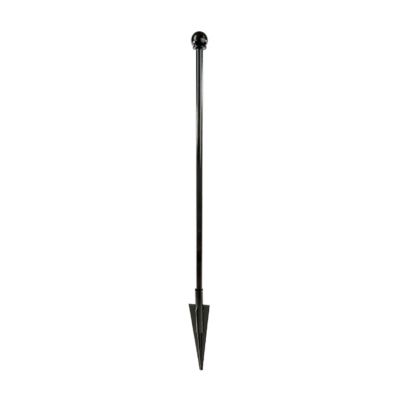
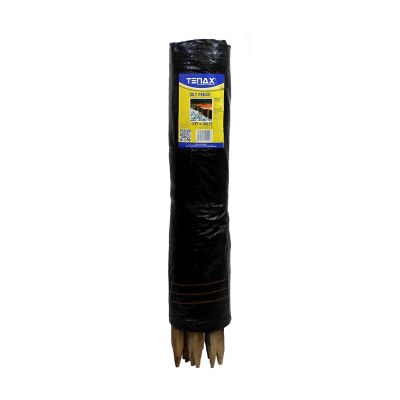
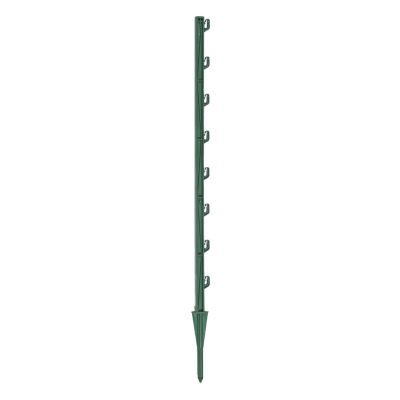
Installation is usually straightforward with sturdy T-posts, U-posts, garden stakes, existing fence posts, or even suitable trees and structures where permitted. Set supports at practical intervals for the height and tension of the fence, then fasten the mesh with zip ties, fence clips, or another compatible tie so it stays in place without sagging into the soil. Standard scissors or utility shears can often handle the material, making it simple to trim around a gate, corner, planter, or feeder. Unlike cut wire, plastic mesh does not leave behind metal burrs or rusty ends, which can make handling more comfortable and reduce the chance of scratches during setup. That softer construction is useful around small pets and poultry, but no fence should be treated as a substitute for regular supervision. Check the lower edge for gaps, look for places where an animal could become tangled, and inspect fasteners after wind, rain, or heavy use. For work zones and hazard marking, use a highly visible color and place the barrier where it can be seen from the normal approach; plastic mesh helps call attention to an area, but it should be used along with any signs, cones, or other safety measures required for the job. Weather-resistant plastic will not rust, corrode, or rot when exposed to rain, damp soil, and changing temperatures, though extended sunlight and rough handling can eventually wear down any material. UV-resistant construction is worth considering when the fence will remain outdoors through the warmer season and into cooler weather. If a garden barrier is only needed while seedlings are getting established, or a temporary animal pen is used for part of the year, the fence can often be taken down, rolled neatly, and stored in a dry spot for another project. Brush off soil, remove old ties, and avoid tight kinks that may make the mesh harder to reuse. Around a homestead, plastic mesh fence can earn its keep in several ways: guiding chickens away from a freshly planted bed, giving a puppy a defined section of the yard, protecting a compost area, marking a muddy patch, or keeping visitors clear of a repair project. It is especially useful for renters, gardeners, small-acreage owners, and anyone who needs a practical boundary without committing to a permanent fence. When the weather warms, it can help organize busy outdoor spaces; during the cooler months, it can mark paths, protect fall plantings, and keep temporary enclosures in place. Choosing the right mesh size, height, color, roll length, and fastening method helps ensure the finished barrier fits the property, the animals, and the work ahead.