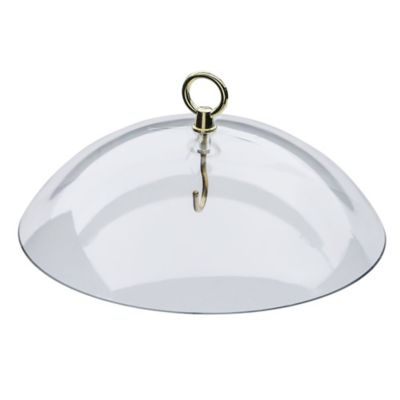
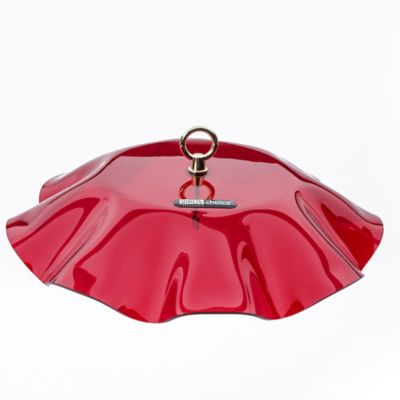
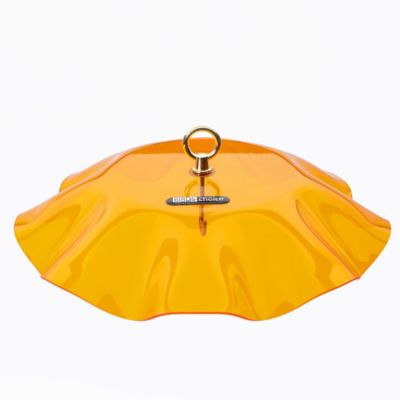
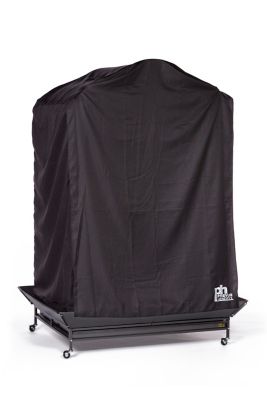
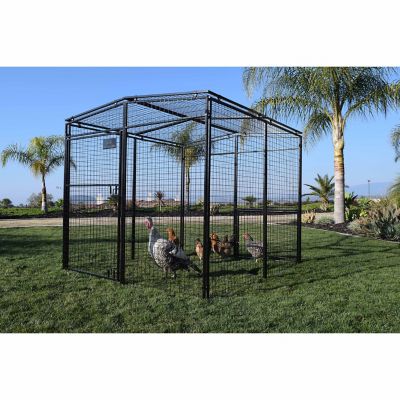
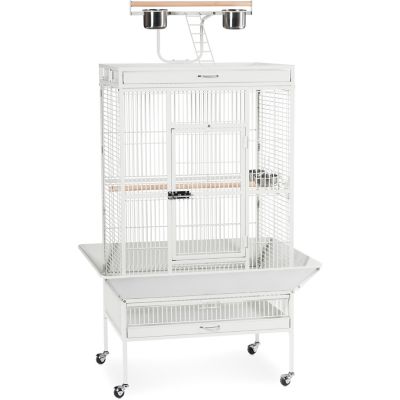
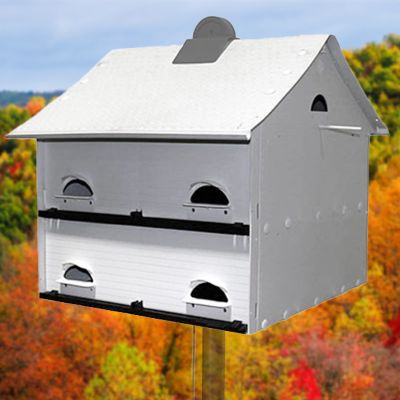
Bird covers help make daily bird care a little easier, whether you are settling a pet bird down for the night, keeping seed and feathers from spreading around the cage, or offering extra shelter near an outdoor aviary. A sleep cover can block much of the room’s light and soften activity around the cage, giving birds a calm signal that it is time to rest. Many pet birds do well with roughly 10 to 12 hours of quiet, dim conditions, though the right schedule depends on the bird, its living space, and guidance from an avian veterinarian. Look for a cover made from a lightweight, breathable fabric that fits over the cage without pressing against the bird or trapping heat. Darker fabric can help limit light, while a simple design makes it easy to place on the cage at bedtime and remove in the morning. Airflow matters every season. A cage cover should never seal the enclosure airtight, and leaving part of the back or one side open can help fresh air move through. Keep the cover away from heat sources, lamps, open flames, and areas where a bird could pull loose threads through the bars. Before buying, measure the cage from side to side, front to back, and from the floor or stand to the highest point you need covered. Include any roof, play top, feeder doors, or other raised sections in those measurements. A cover that is too small may leave bright gaps or fail to stay in place, while one that is too large may bunch on the floor, catch on nearby items, or become harder to handle. For households with parrots, finches, canaries, cockatiels, and other companion birds, the right fit can support a steady bedtime routine without making the cage difficult to access during the day. Bird covers can also make a thoughtful present for someone welcoming a feathered companion, setting up a new cage, or refreshing a bird room before the cooler months bring more time indoors. Shoppers building a larger outdoor setup can also browse the
Bird Aviary selection for additional housing options and care needs.
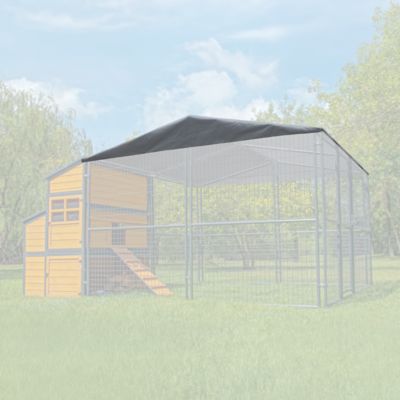
Another common type of bird cover is a seed catcher, sometimes called a cage skirt. This mesh panel wraps around the lower outside edge of a cage to collect loose seed, hulls, feathers, and bits of bedding before they reach the floor. It does not replace regular cleaning, but it can help keep scattered mess closer to the cage and make sweeping around the stand less of a chore. Choose a catcher with elastic or another secure edge that matches the cage shape and sits below the main enclosure without blocking doors, wheels, food cups, or access panels. Measure the cage perimeter or compare the listed size range with your cage measurements before ordering, since round, square, and rectangular cages may need different fits. Mesh should allow air to pass through and should be checked often for pulled threads, food buildup, or damp spots. Outdoor covers serve a different purpose. These are made to help shield a travel cage or aviary area from wind, light rain, sun exposure, and blowing debris, making them useful when birds spend time in a protected outdoor setting. An outdoor cover should fit securely without closing off ventilation, and it should be removed or adjusted when weather conditions change. During cooler months, a cover may help reduce drafts around part of an enclosure, but it should not be treated as a substitute for a properly heated, sheltered, and bird-safe living space. Check the fabric and fasteners from time to time, especially after windy weather, and keep wet material from remaining against the cage for long periods. When choosing among bird covers, consider the bird’s size and habits, the cage location, the amount of daylight in the room, and how often you plan to put the cover on and take it off. Birds that chew may need especially close inspection of seams, hems, ties, and elastic. Washable fabric can be helpful in busy homes, while a compact cover may suit travel or visits to the veterinarian. A simple sleep cover may be all that is needed for a quiet indoor cage, while a seed catcher can be useful where hulls gather beneath feeders. For an outdoor setup, look for weather protection paired with open areas for circulation. With the right measurements, breathable materials, and a safe setup, bird covers can support cleaner surroundings, calmer rest, and more comfortable care through changing weather and everyday routines.