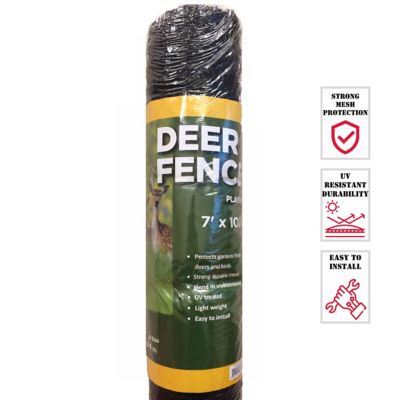
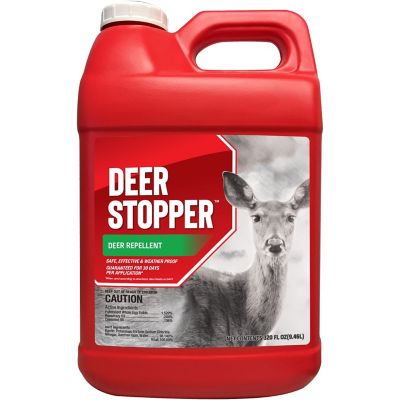
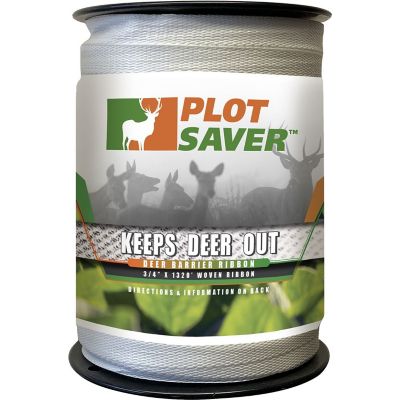
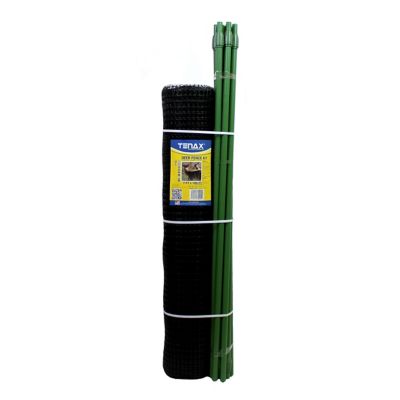
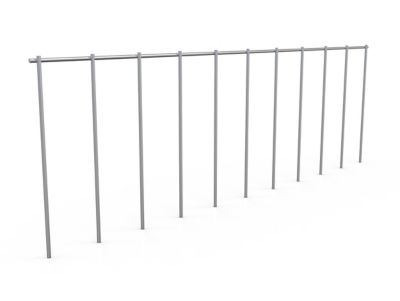
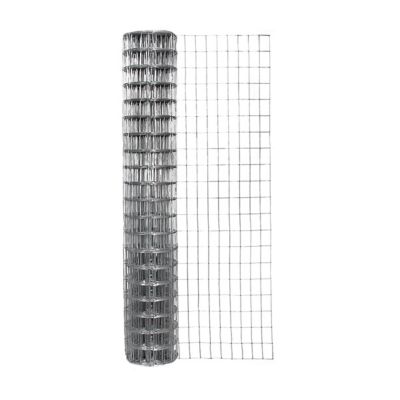
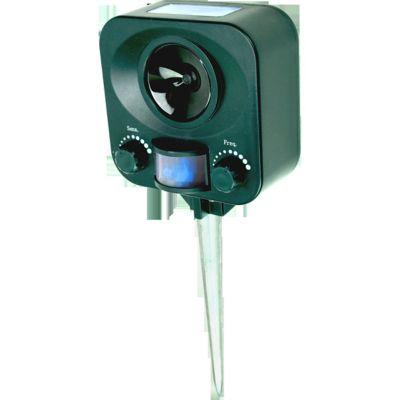
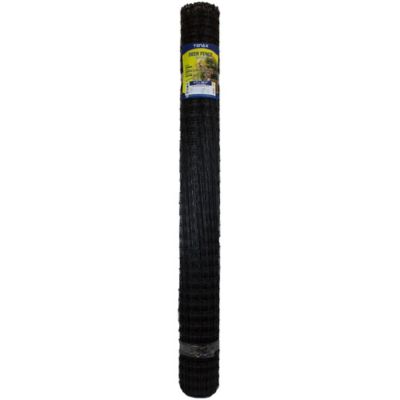
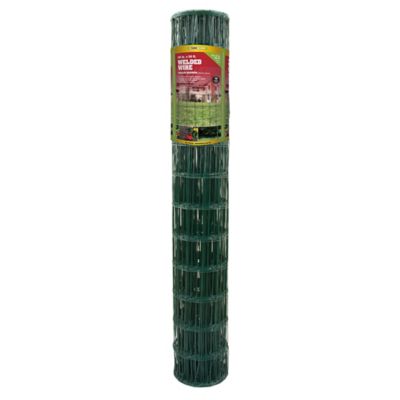
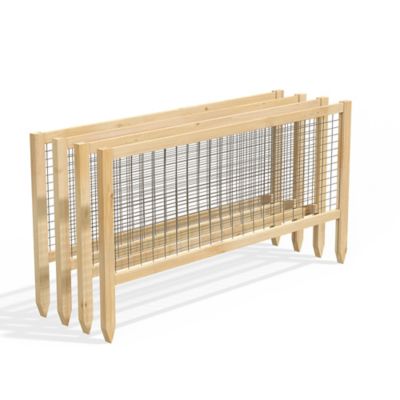
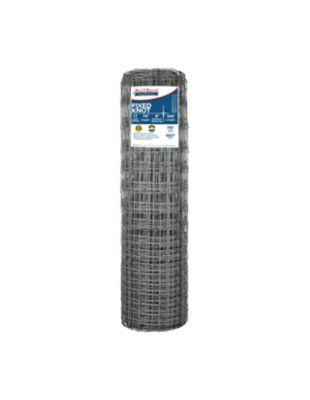
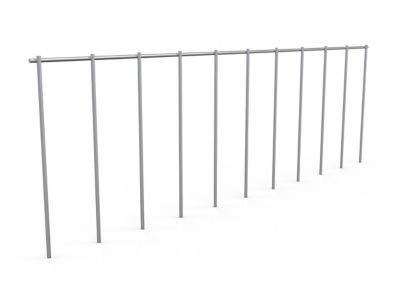
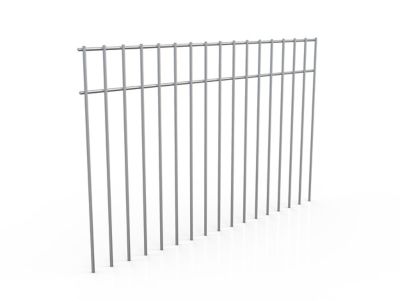
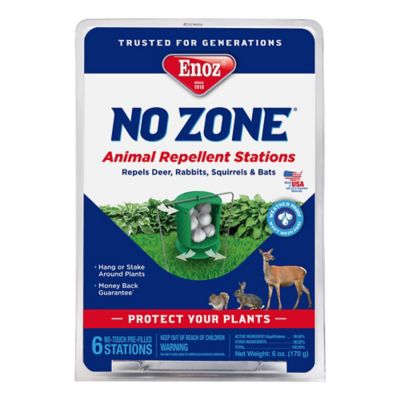
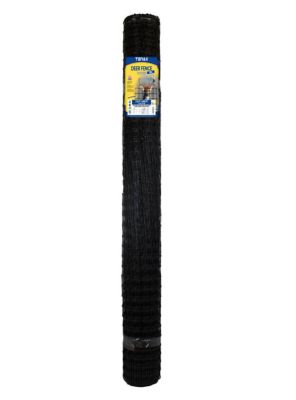
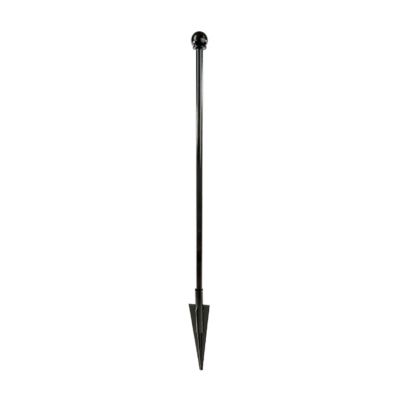
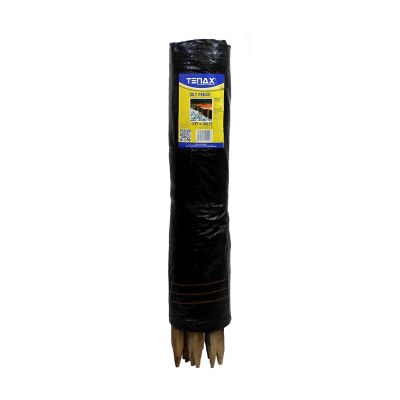
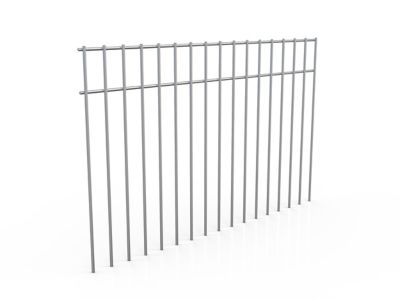
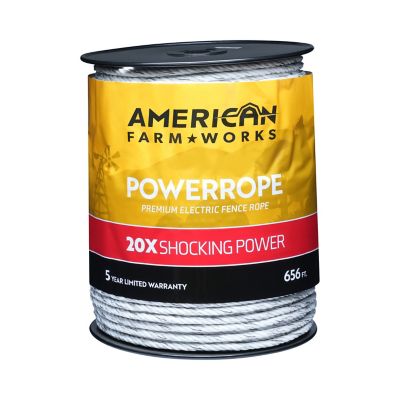
Deer barriers help protect gardens, young trees, landscaping, orchards, hay storage areas and other spots where browsing can get costly in a hurry. A few deer can strip leaves from a row of beans overnight, rub the bark from a small tree, or trample a planting bed while moving through the yard. The right barrier creates a dependable boundary between wildlife and the plants, feed, flowers or shrubs you are trying to grow. Options range from lightweight plastic mesh and netting to welded wire, galvanized fencing and other sturdy materials made for longer-term use. Plastic fencing is often a practical choice for a garden, orchard row or seasonal planting area because it is easy to handle, simple to cut and generally less noticeable once it is in place. Look for UV-resistant material when the barrier will stay outdoors through sun, wind and changing weather. Wire fencing offers added strength for larger properties, rough ground and areas where deer regularly push against the boundary. For a more permanent setup, browse
Steel Barriers for durable barrier options that can stand up to repeated use. Deer can clear a surprisingly low fence, so a full-height physical barrier is commonly planned at about 7 to 8 feet tall, especially around valuable gardens or food plots. In smaller spaces, a double-fence layout can work as a psychological deterrent: two shorter fences set several feet apart make it harder for deer to judge the landing area, and many animals choose not to enter. Clear monofilament line stretched between tall posts is another low-visibility approach sometimes used around garden beds, though it should be installed carefully and checked often so people, pets and other animals do not run into it. The best choice depends on the size of the area, the pressure from local deer, the look you want around your property and whether the barrier needs to come down at the end of a growing season.
Before choosing a deer barrier, walk the edge of the area you want to protect and note slopes, gates, trees, brush, drainage ditches and places where deer already pass. Measure the perimeter as well as the height you need, then allow extra material for corners, overlaps and a secure gate. A barrier only works when deer cannot slip underneath, squeeze through a loose section or go around an unprotected end. Set posts firmly, keep mesh close to the ground and use appropriate fasteners so wind does not pull the fencing loose. On uneven ground, follow the contour instead of leaving large gaps beneath the fence. Gates deserve special attention because a convenient opening quickly becomes the weak spot; choose a layout that closes securely and remains easy to use when carrying tools, watering cans, feed or harvest baskets. Inspect the barrier after strong wind, heavy rain and falling branches, and look for bent posts, torn mesh, lifted edges or fresh tracks along the outside. As the weather warms, young plants are especially vulnerable because tender leaves are easy for deer to reach, while during the cooler months newly planted trees and shrubs may still need protection from browsing and rubbing. Deer barriers are useful for homeowners, gardeners, small-acreage growers, orchard keepers, land managers and anyone restoring native plants near wooded areas. They can also make a practical gift for a gardener settling into a new rural property or caring for a backyard plot, particularly when paired with posts, fastening supplies or basic measuring tools. Keep visibility and safety in mind around driveways, paths and play areas, and avoid creating loose loops or sharp exposed ends where pets, livestock or children could get caught. A well-planned barrier does more than block a single trail through the yard; it gives plants room to establish, helps reduce repeated damage and lets you spend less time replanting and more time enjoying the work you have put into the land.