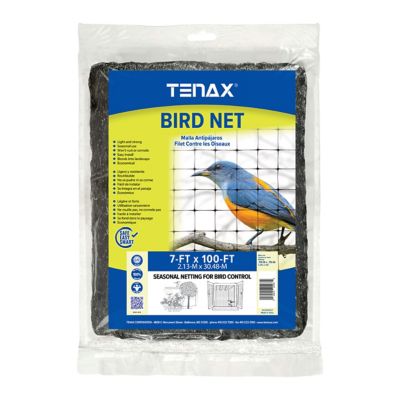
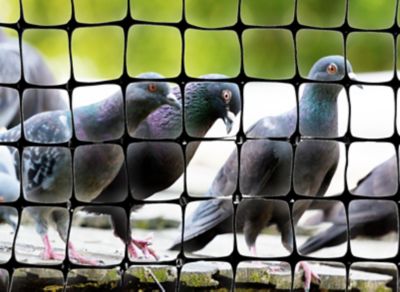
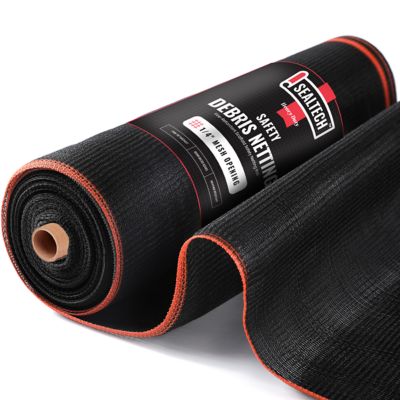
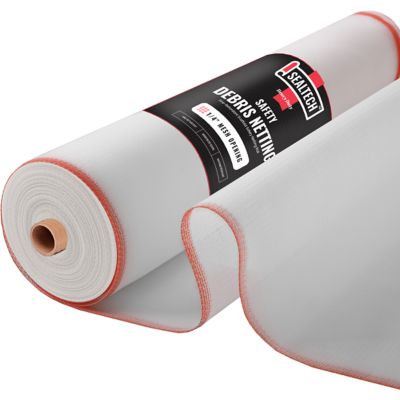
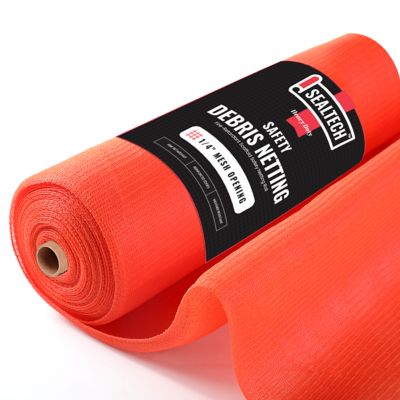
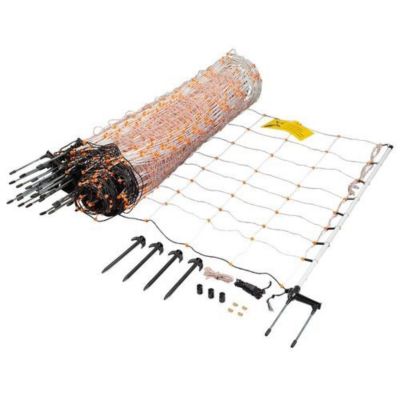
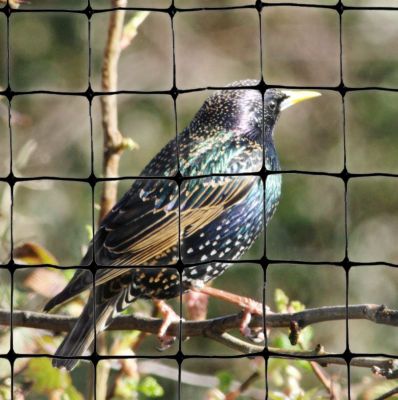
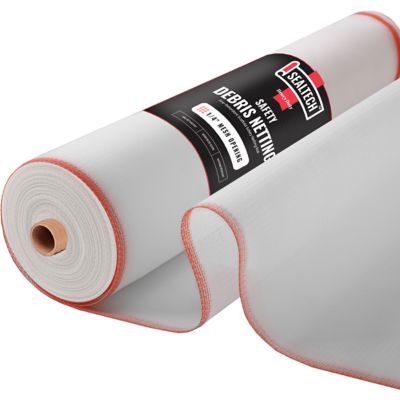
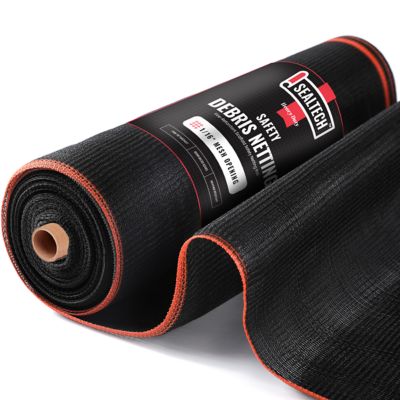
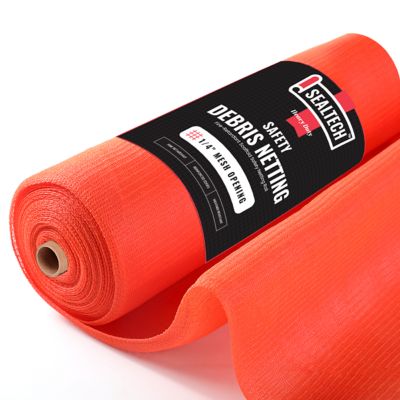
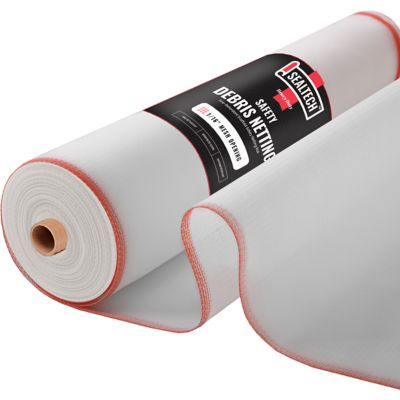
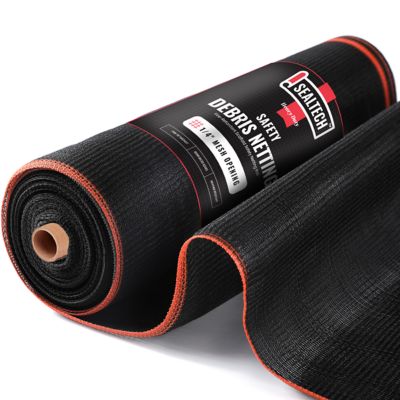
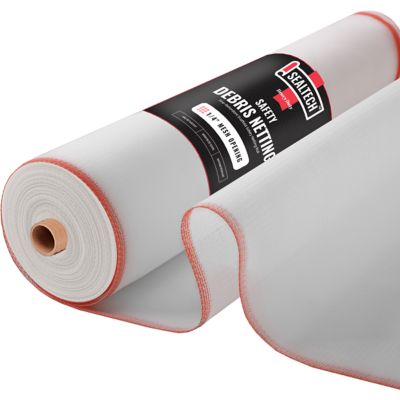
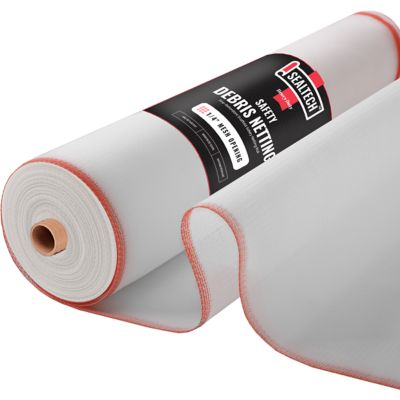
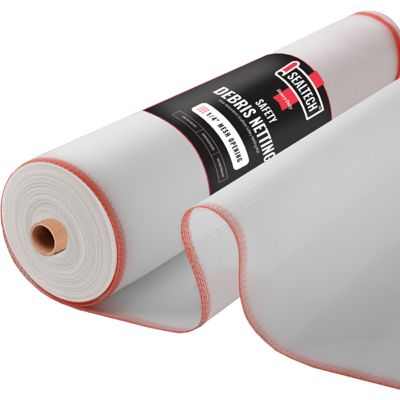
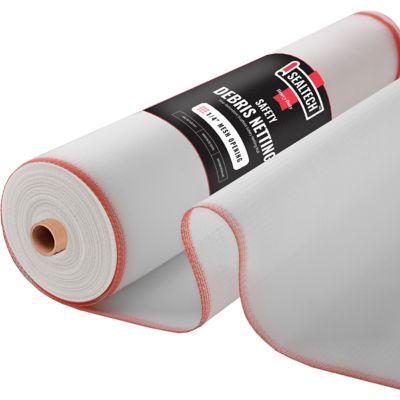
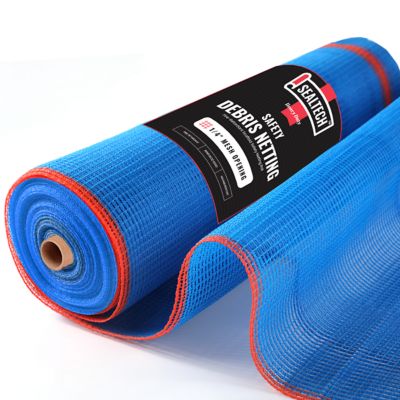
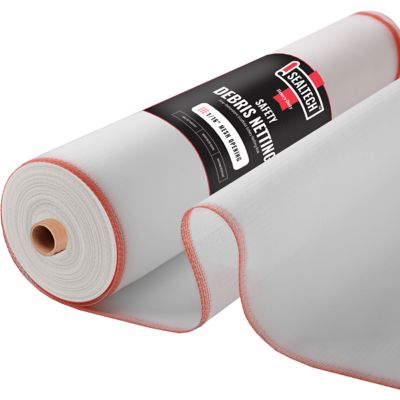
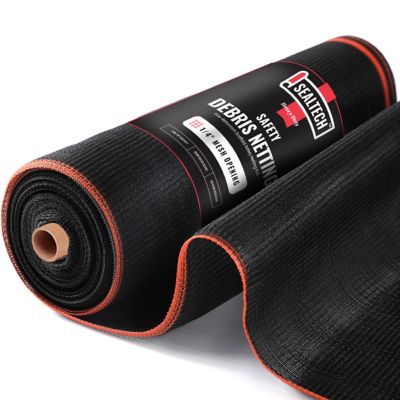
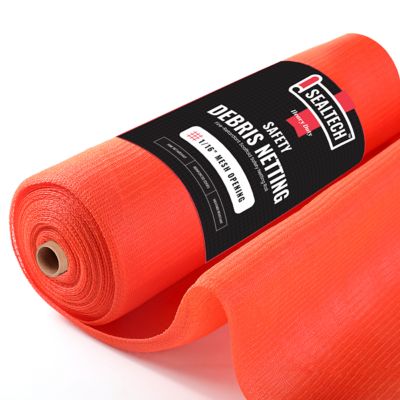
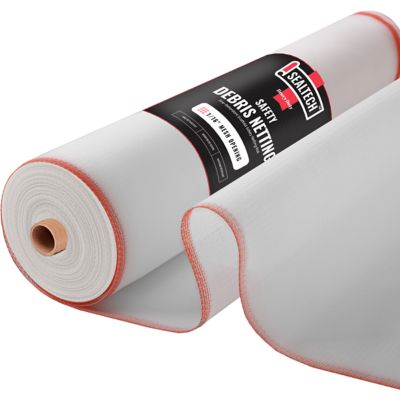
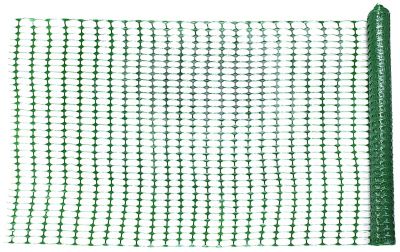
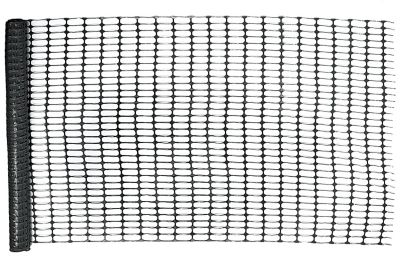
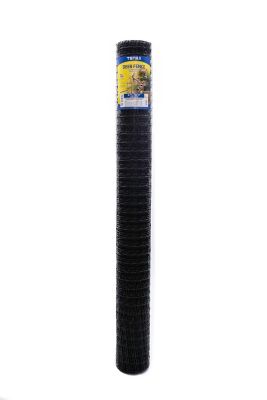
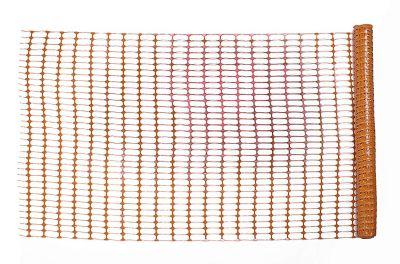
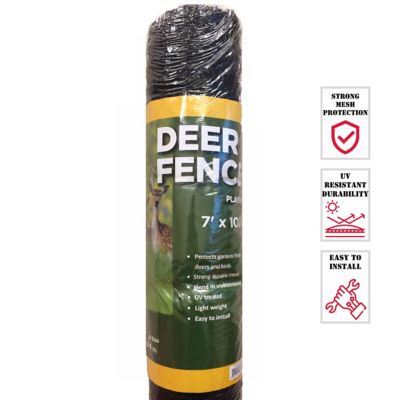
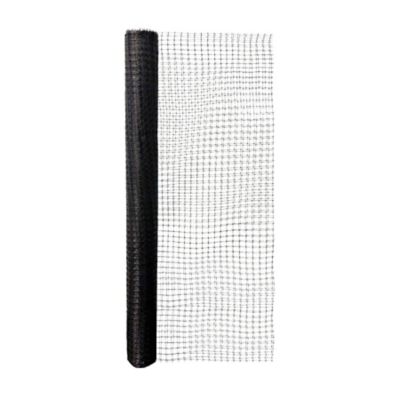
Plastic netting is a handy choice for gardeners, homesteaders, property owners and anyone who needs a lightweight barrier without the weight or upkeep of metal. It can help protect growing areas from browsing animals, keep birds from reaching ripening fruit, support climbing plants and mark off spaces around a garden, coop or work area. Depending on the mesh opening and roll size, it may be used along fence lines, over raised beds, around young shrubs or across a simple frame. Many folks reach for it during the warmer growing season, when vines are stretching toward the sun and gardens are full of tempting leaves, berries and vegetables, but it can stay useful as the weather turns cooler. A section of netting can help shield late-season crops, cover freshly seeded ground or create a temporary boundary while you finish a more permanent project. It is also useful around the farm for organizing small spaces, keeping materials contained and giving poultry or other animals a little extra separation when needed. Since plastic netting is generally easy to handle, cut and reposition, it works well for routine chores as well as one-off projects. A gardener might use it to guide beans up and away from the ground, while a homeowner may stretch it across a porch planter or along a garden edge where deer tend to wander. The right setup depends on the job, but the goal is often the same: add a practical layer of protection without making the space feel closed in or difficult to work around.
Before choosing plastic netting, take a close look at the area you plan to cover and the kind of pressure the netting will face. Measure the length and height of the space, then allow extra material for overlap, fastening and uneven ground. Mesh size matters, too. Smaller openings can be useful when you are trying to keep out smaller birds or animals, while larger openings may be better for supporting plants, making a visible boundary or covering a broader area with less material. Think about how often you will need to reach through the netting. A garden that needs regular picking and watering may call for a flexible layout that can be lifted or opened easily, while a perimeter barrier can be installed more securely and left in place longer. Look for netting suited to outdoor use, especially if it will be exposed to sun, rain, wind and changing temperatures. Strong, flexible material is helpful around rough posts, garden stakes and corners, where sharp bends can put stress on the mesh. Color can also play a part in how noticeable the finished setup will be. Dark netting may blend into a garden or tree line, while a brighter option can make a boundary easier to see around paths, gates and active work areas. Plan for dependable fasteners and supports that match the job, and keep edges secured so loose sections do not sag into plants, catch on equipment or become a tripping hazard. For animal areas, check the opening size and installation carefully so the netting does not create an unsafe place for hooves, paws, wings or curious noses. When stored after the growing season, clean off dirt and plant matter, let the material dry and keep it rolled or folded in a protected spot away from sharp tools and chewing pests.
Plastic netting can make a thoughtful, practical gift for someone who enjoys puttering in the garden, tending a small flock, caring for a homestead or improving the yard a little at a time. It is the sort of useful supply that often finds a home once the recipient sees a project taking shape: a simple trellis for climbing flowers, a protective cover for greens, a boundary around a new planting or a barrier that helps keep a garden tidy during the cooler months. It may also suit a new homeowner, community garden volunteer or do-it-yourselfer who keeps a stack of materials on hand for the next repair or outdoor idea. When giving netting as part of a larger garden or farm supply bundle, consider pairing it with dependable stakes, ties or other basic installation supplies, while leaving the recipient room to choose the exact arrangement for their property. For shoppers comparing options, focus on the coverage needed, mesh opening, material feel and ease of handling rather than buying more than the project requires. A roll that is simple to carry and cut can be especially valuable when you are working alone, moving along a long fence row or making adjustments as plants grow. For more garden-focused projects, browsing
Garden Mesh can help narrow the search toward netting suited to planting areas and seasonal protection. Whether it is stretched between posts, draped over a frame or used to outline a work zone, plastic netting is a straightforward way to make outdoor chores more manageable. With careful measuring, secure installation and a little room for changing conditions, it can help protect the work you have already put into your land and keep everyday projects moving along.