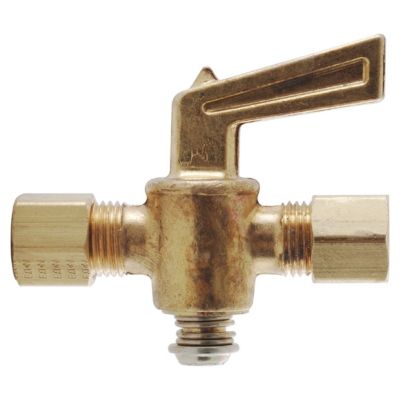
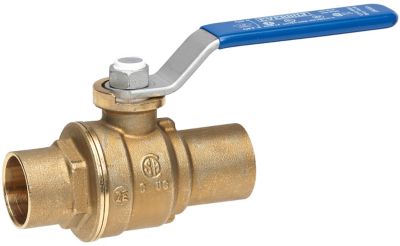
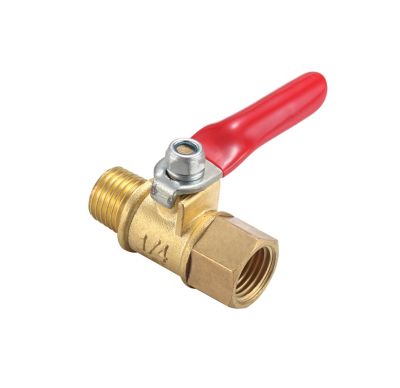
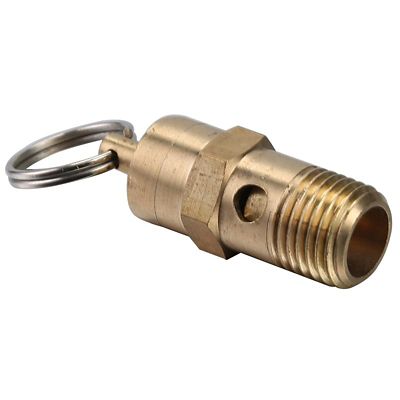
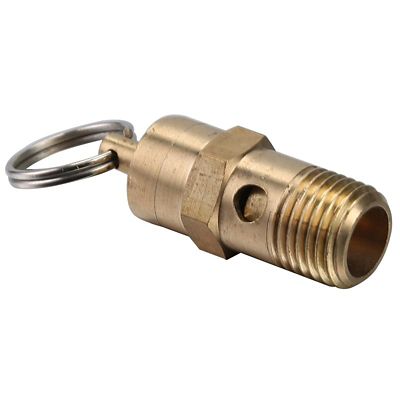
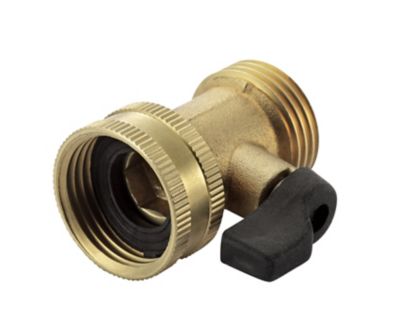
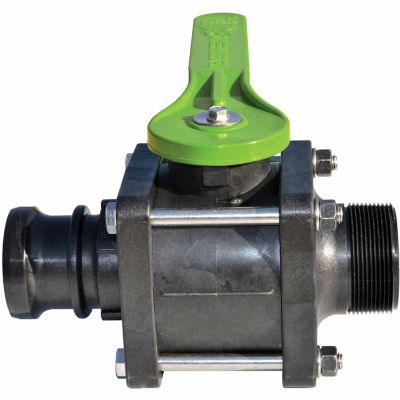
When you need a dependable way to start, stop, or isolate flow in a compact system, 1/4-inch valves can make everyday maintenance a lot simpler. These small shut-off devices are commonly used with water, compressed air, oil, and other compatible fluids or gases, depending on the valve’s material, seal, pressure rating, and intended application. A quarter-turn ball valve is one of the easiest styles to operate: turn the handle 90 degrees to move the internal ball from open to closed. With the handle lined up with the flow path, the valve is generally open; with the handle turned across the flow path, it is generally closed. That quick visual check is handy when you are working under a sink, beside a water filter, near an air compressor, or in a crowded utility area where there is little room to fuss with a multi-turn control. Compact valves may be used on pneumatic air lines, small water supply runs, livestock watering setups, irrigation components, fuel or oil systems designed for the valve, and other equipment that needs a convenient shut-off point. They can help isolate one section of a system without shutting down everything else, which is useful when changing a fitting, servicing a tool, cleaning a line, or preparing equipment for storage during the cooler months. Keep in mind that “1/4 inch” can describe the connection size rather than the outside diameter of the valve body, and the correct fit depends on the entire connection style. A 1/4-inch NPT valve uses tapered pipe threads, while compression, push-to-connect, and barbed connections install differently. Matching the valve to the tubing or pipe saves time and helps prevent leaks, stripped threads, and makeshift repairs that never quite hold.
Before choosing a valve, identify exactly what is moving through the line and the conditions it will face. Water systems, air systems, fuel lines, and gas applications can require different valve materials and seals, so a valve intended for one service should not automatically be used for another. Brass valves are often selected for strength and durability in many plumbing, air, and utility applications, while plastic valves can be a practical choice where corrosion resistance, light weight, or compatibility with certain irrigation tubing is important. Look for a pressure rating that meets or exceeds the pressure in your system, and pay attention to temperature limits if the line carries hot water, heated air, or another warm fluid. Full-port designs can help reduce restriction through the valve, though the best choice depends on the flow needs and available space. Also check whether the valve is straight, angled, inline, or equipped with a particular combination of male, female, compression, barbed, or push-to-connect ends. A small roll of thread sealant or approved thread tape may be helpful for compatible threaded connections, but it should not be used where the fitting relies on a compression seal or an internal O-ring. Shut off and depressurize the system before installation, drain trapped water when appropriate, and inspect every connection after turning the supply back on. For natural gas, propane, high-pressure systems, or any application where a leak could create a serious hazard, use components specifically rated for that service and follow local codes or have the work completed by a qualified professional. In yard and garden projects, a 1/4-inch valve may be used as a small control point near drip tubing, misting lines, sprayers, or other irrigation accessories; larger irrigation layouts may also include
4 Inch Sprinkler Heads where broader coverage is needed.
These valves are useful for homeowners, farmers, ranchers, mechanics, maintenance crews, hobbyists, and anyone who keeps tools or equipment running around a shop, barn, garage, greenhouse, or utility room. A grower may use one to shut off a branch of an irrigation line before clearing a clogged emitter. Someone tending animals may appreciate a convenient isolation point on a water supply so a trough or small drinker can be serviced without interrupting every line on the property. In a workshop, a compact air-line valve can help separate a hose, filter, regulator, or tool from the rest of the system. They are also smart additions to a repair tote because a small valve can be the part that gets an older setup back in service when a worn shut-off finally gives out. If you are putting together a practical gift for a new homeowner, DIYer, gardener, or farm-hand, a few properly sized valves, fittings, and basic sealing supplies can be more useful than another novelty item, provided you know the type of tubing or pipe they work with. Store spare valves in a dry place, keep threaded ends protected from dirt, and avoid forcing a handle that will not turn smoothly. When a valve is installed outdoors, protect the surrounding connection from impact, freezing water, and unnecessary strain from unsupported tubing. During changing weather, inspect exposed lines for cracked fittings, drips, and loose connections, especially after a hard freeze or a stretch of heavy use. The right 1/4-inch valve will not replace careful installation, but it can give you straightforward control, easier repairs, and a cleaner way to manage small fluid or air systems from one season to the next.