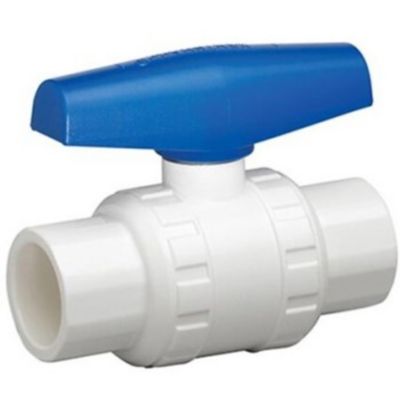
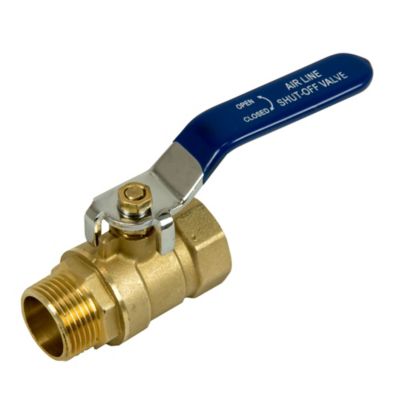
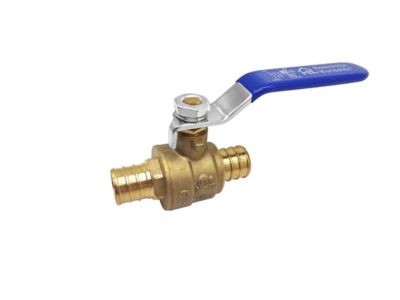
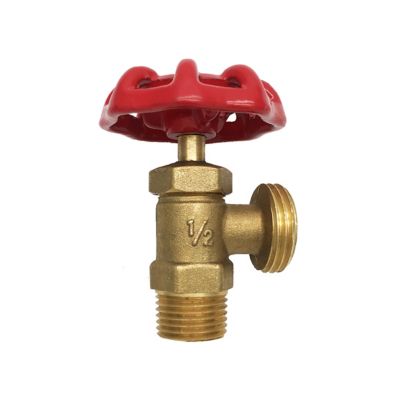
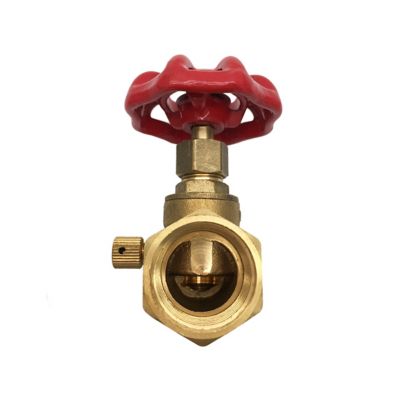
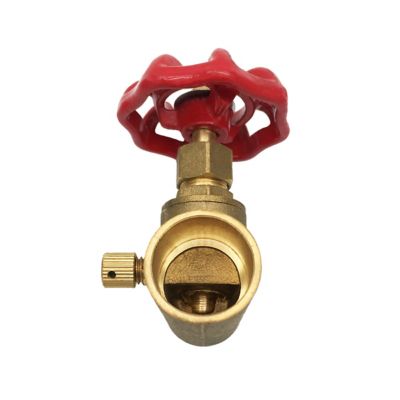
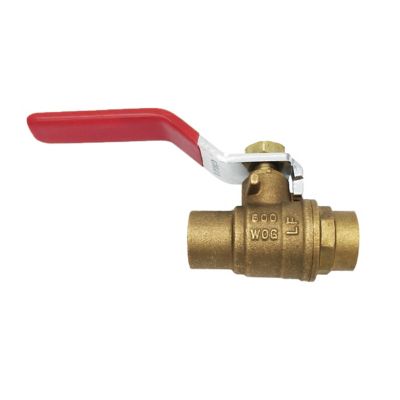
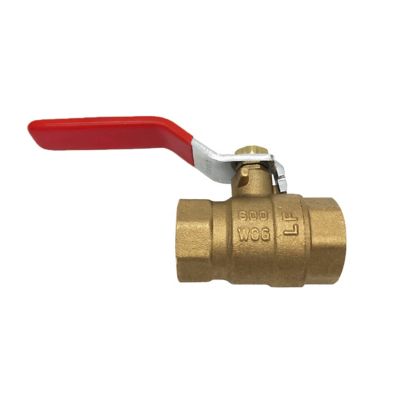
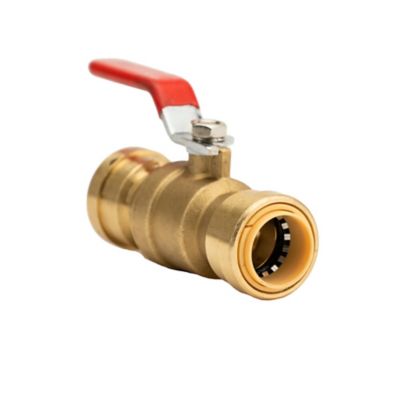
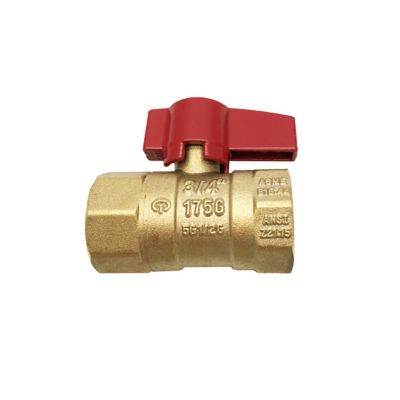
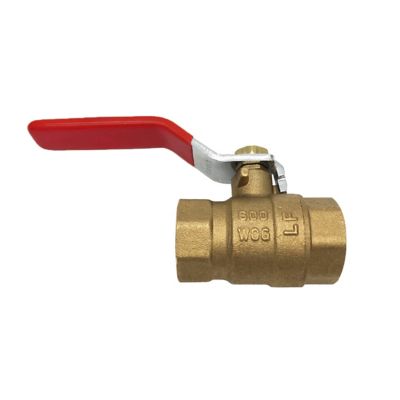
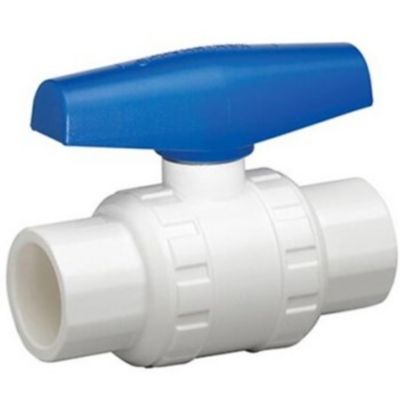
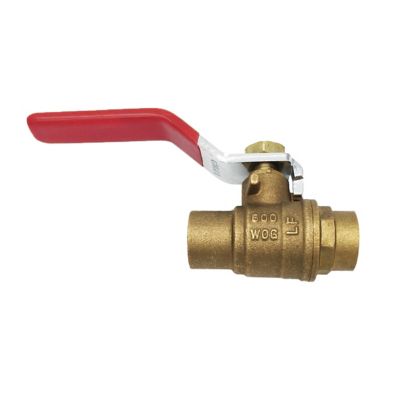
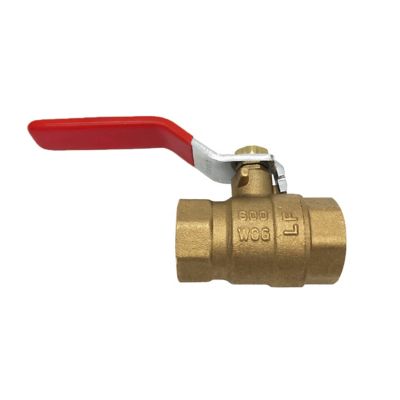
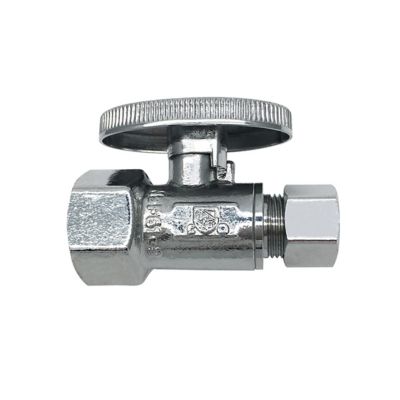
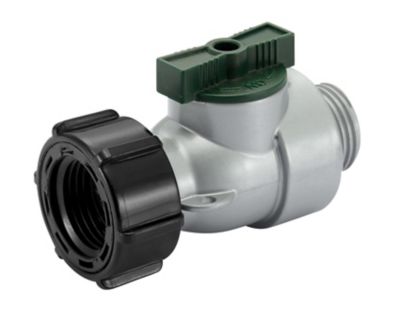
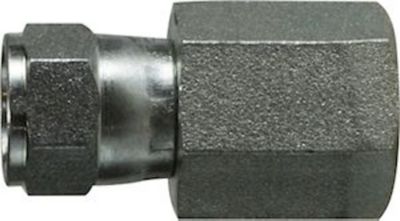
A 3/4 inch ball valve is a handy quarter-turn shutoff valve for controlling the flow of water, air, gas, oil, and other compatible fluids through a plumbing, irrigation, livestock, workshop, or utility line. Inside the valve, a drilled ball rotates with the handle: when the opening lines up with the pipe, flow can pass through; when the handle turns a quarter turn so it sits across the pipe, the passage closes. That simple action makes ball valves a practical choice when you need a dependable shutoff without turning a wheel several times. They can be useful on water lines feeding a stock tank, garden hose connection, washdown station, pressure washer, outdoor sink, greenhouse, or small outbuilding. They also come in handy near equipment and fixtures, allowing one section of a system to be isolated for repairs while the rest of the line stays in service. During the cooler months, a shutoff valve can make it easier to drain or winterize exposed plumbing, though the line should be fully drained and protected according to the requirements of the system. A 3/4 inch size generally refers to the nominal pipe connection size, not necessarily the exact outside measurement of the valve or tubing. Before ordering, match the valve connection to the pipe and fittings already in place. Threaded valves with FNPT or FIP connections screw onto male-threaded pipe or adapters, typically with thread sealant approved for the fluid and service conditions. Sweat or solder connections attach directly to prepared copper pipe and require a clean, properly heated joint. Push-fit connections can be convenient for compatible copper, PEX, or CPVC installations, while PEX crimp versions are made to work with PEX tubing and the correct ring and crimping tool. A valve that fits the nominal size but uses the wrong connection style will not make a proper connection, so checking pipe material, end type, and available installation space saves a trip back to the hardware counter.
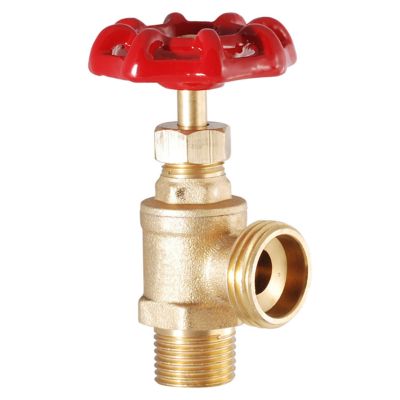
When comparing 3/4 inch ball valves, look closely at construction, intended service, pressure rating, port design, handle style, and any approval markings needed for the job. Brass valves are a common choice for general water service and many farm, home, and shop applications, while lead-free brass is the appropriate direction for lines carrying drinking water when the valve is certified for that use. Stainless steel may be preferred for demanding environments or certain chemical and industrial applications, but the material alone does not confirm compatibility with every fluid. Always check the manufacturer’s specifications for water, air, gas, oil, temperature, and pressure limits rather than relying on appearance. Ratings may be listed as WOG, meaning water, oil, and gas service under stated conditions, and a valve rated for one use may not be suitable for another. Full-port designs have an opening close to the inside diameter of the connected pipe and help maintain flow with less restriction; standard- or reduced-port designs have a smaller opening and may be a sensible choice where a compact, economical shutoff is more important than maximum flow. A quarter-turn lever handle is easy to see and operate with a gloved hand: in many installations, the handle is parallel with the pipe when open and perpendicular when closed. Leave enough room around the handle to turn it fully and inspect the connection. For a new run, lay out the valve where it can be reached without climbing over equipment or reaching into a cramped corner. For a repair, shut off the upstream supply, relieve pressure, and confirm the line is empty before cutting or loosening anything. Use the right wrenching surfaces instead of forcing a handle, and avoid over-tightening threaded connections, which can damage the valve or fitting. A little planning is especially helpful around barns, garden beds, and exposed service lines where mud, frost, and heavy use can make maintenance harder. Keep spare seals, compatible fittings, and the proper tools nearby for routine work, and label valves when several lines serve different tanks, pens, buildings, or zones. While 3/4 inch ball valves are often selected for water shutoff and everyday utility tasks, they can also complement other drainage and service components, including
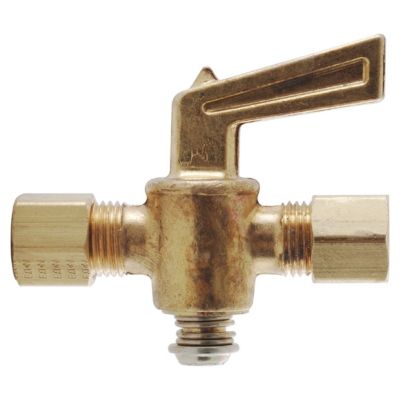
Brass Drain Valves, when building a system that is easier to empty, maintain, and protect through changing weather.