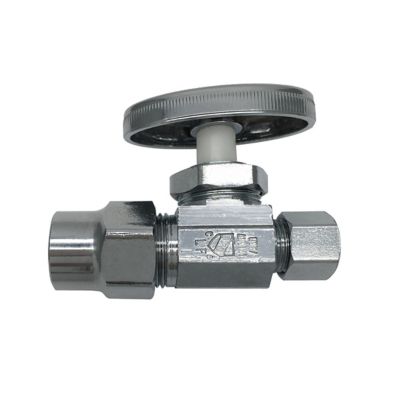
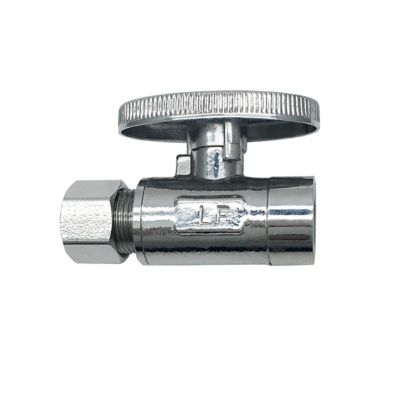
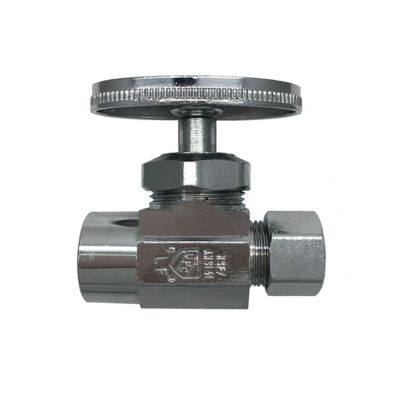
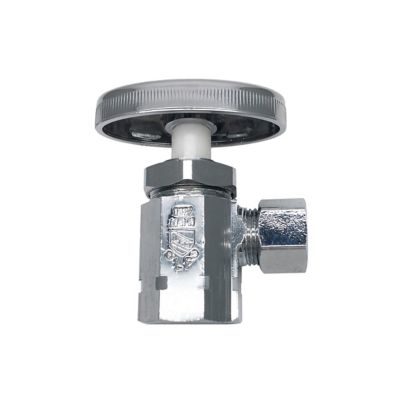
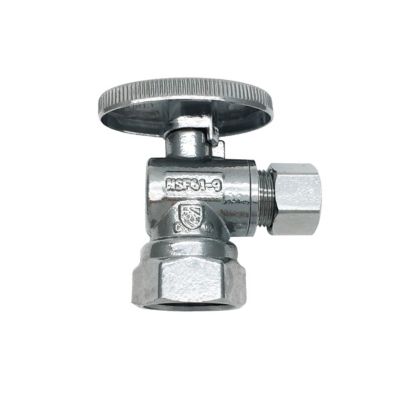
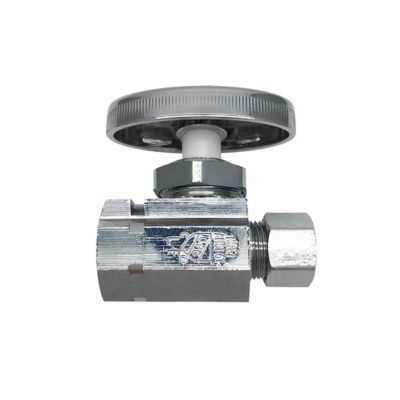
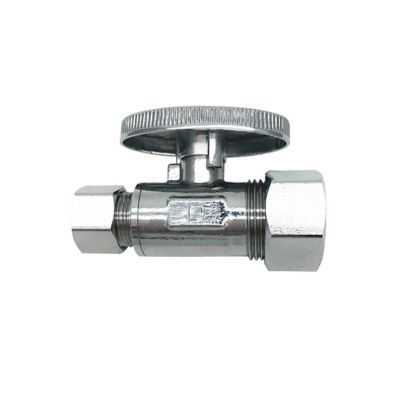
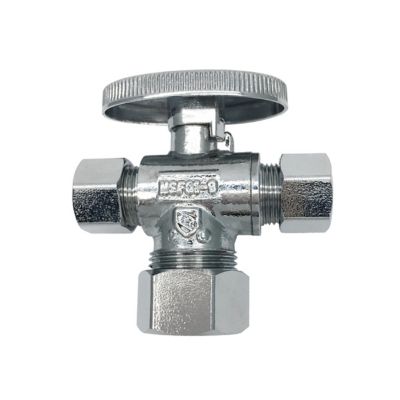
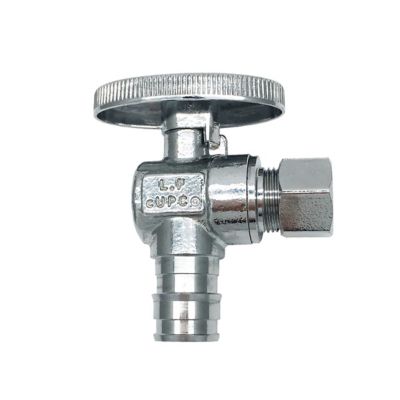
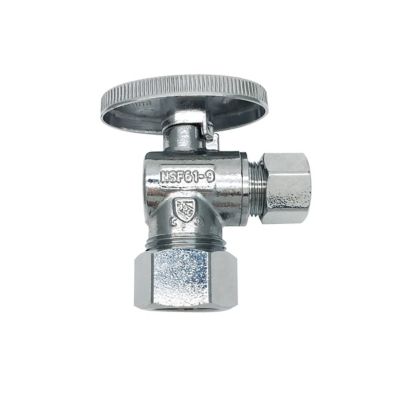
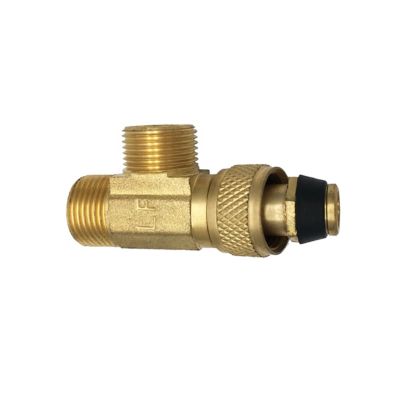
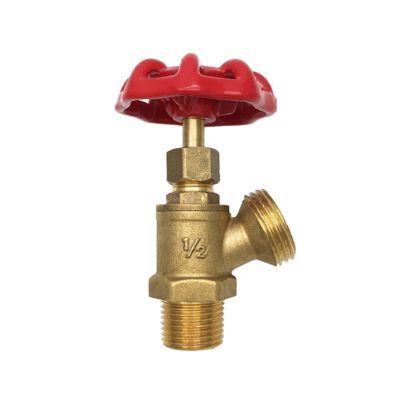
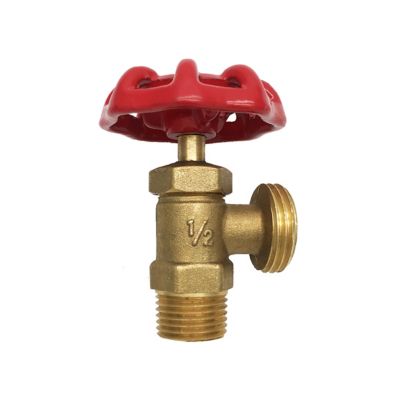
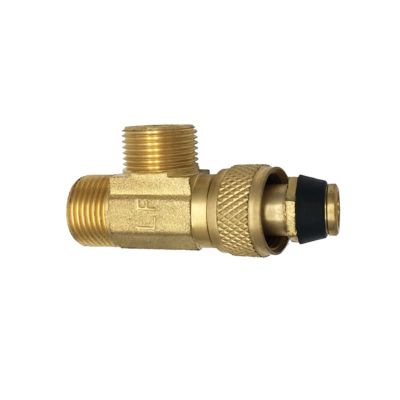
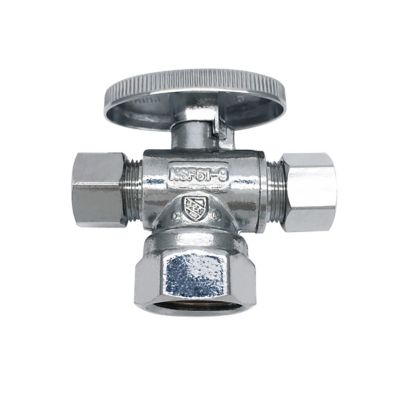
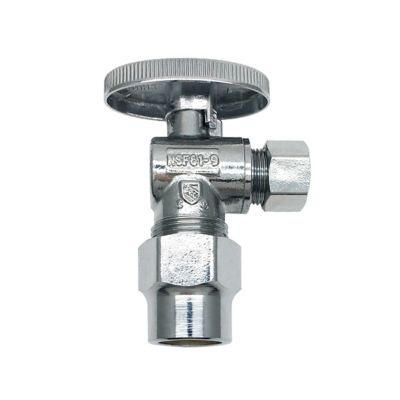
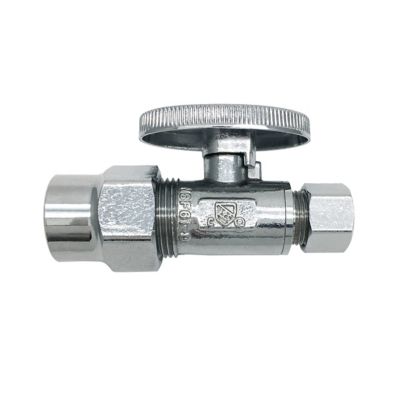
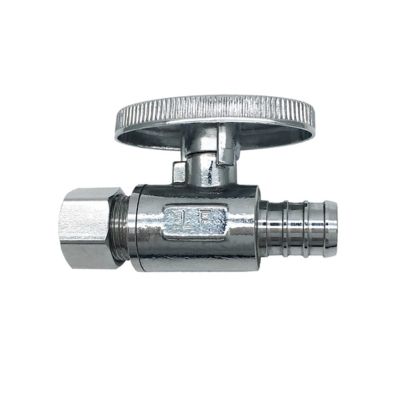
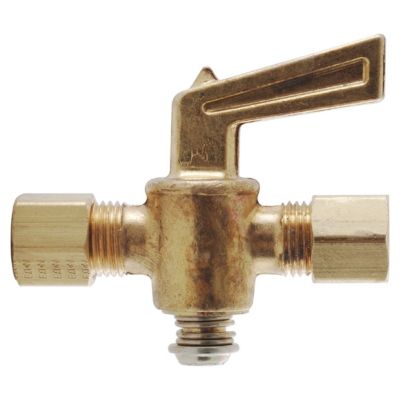
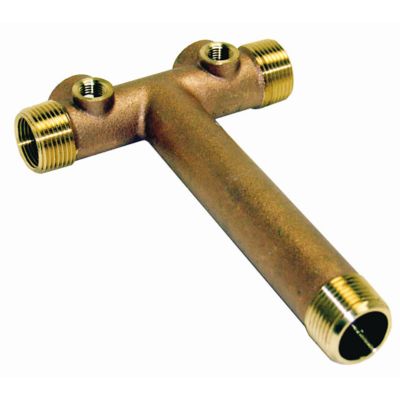
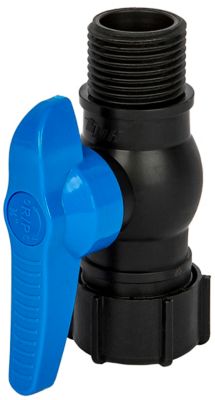
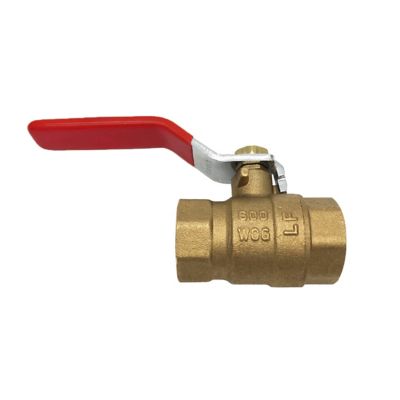
Brass shut off stop valves are a practical choice for controlling water flow to individual fixtures around the house, barn, workshop, rental property, or outbuilding. Rather than shutting off water to the whole building, a stop valve lets you isolate one sink, toilet, utility basin, ice maker, or similar fixture when a supply line needs service. That can make a big difference when a small leak starts under the kitchen sink or a toilet fill valve needs attention, especially when the main shutoff is outside, down in a crawl space, or tucked behind stored equipment. Brass is widely used for these plumbing connections because it is sturdy, handles everyday water pressure well, and stands up to the bumps and vibration that can happen in busy utility areas. For indoor plumbing and potable water applications, look for lead-free brass construction and a valve rated for the type of water system being serviced. A good match should also have the right inlet and outlet size, outlet thread style, and connection method for the existing pipe and supply line. Even a well-made valve will not be a good fit if the pipe size is wrong or the outlet does not match the connector on the fixture. Taking a close look at the old valve, measuring the pipe, and checking the plumbing connection before ordering can save a trip back to the hardware aisle.
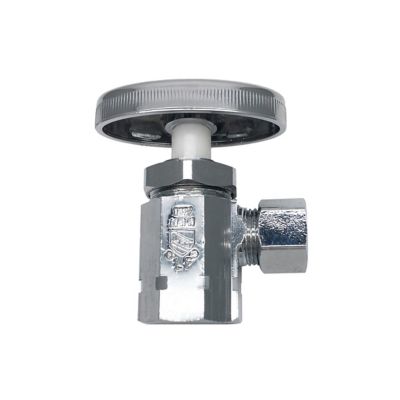
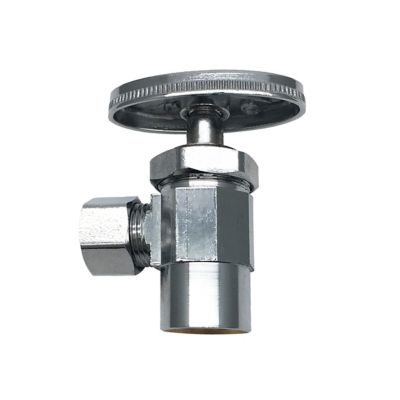
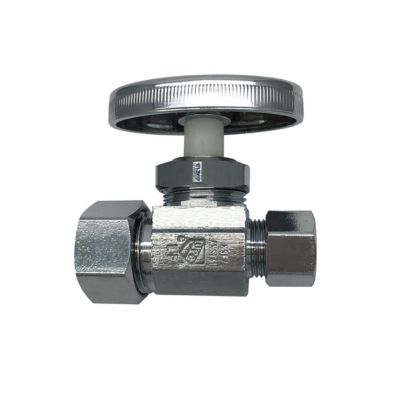
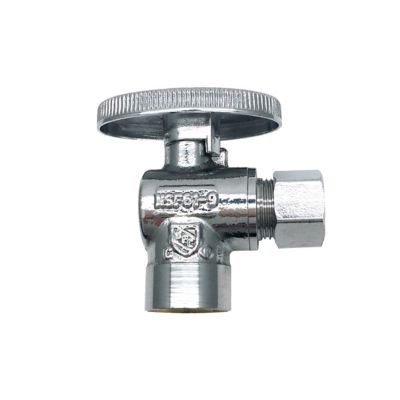
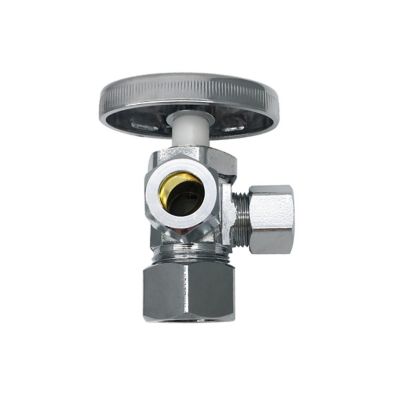
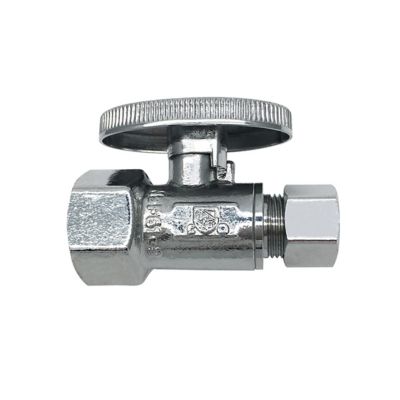
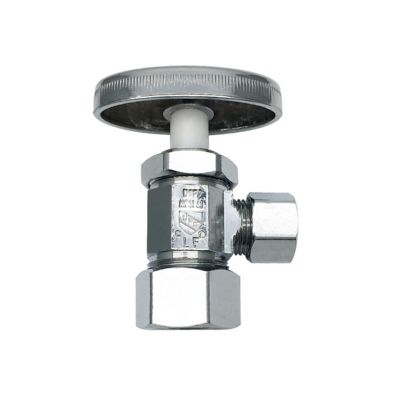
The shape of the valve is another important consideration. An angle stop is designed for a water pipe that comes out of the wall and needs to turn upward toward a sink, toilet, or other fixture. This 90-degree layout keeps the supply line close to the wall and can help maintain a neat appearance in a cabinet or bathroom. A straight stop is generally used when the pipe rises from the floor or when the supply line and fixture connection follow a direct path. Brass shut off stop valves may also use either a quarter-turn ball-style handle or a multi-turn stem. Quarter-turn valves open or close with a quick 90-degree movement, making them convenient when a fixture needs to be shut down in a hurry. Multi-turn valves take several rotations and provide a more gradual change in flow, which can be useful on older plumbing or in situations where reducing a sudden pressure change matters. Handle shape and clearance deserve attention, too. A compact handle may work better behind a pedestal sink or inside a crowded vanity, while a larger grip can be easier to operate for someone with limited hand strength. In a farmhouse laundry room, mudroom, or shop sink, a valve with a straightforward handle and a durable finish can make routine maintenance less of a chore. These valves are also handy to keep in a well-stocked repair bin, along with the correct supply connectors, washers, thread sealant where appropriate, and a small adjustable wrench.
Connection type should match both the pipe material and the installer’s comfort level. Compression valves are commonly used with copper or compatible plastic supply lines and tighten around the pipe with a ferrule, without soldering. For more information on this connection style, browse
Compression Fitting Shut Off Valves. Sweat or solder connections are made directly to copper pipe and create a lasting connection when installed correctly, but they require a clean, dry work area and the proper torch and plumbing tools. Push-to-connect fittings can be a convenient option for compatible copper, PEX, and CPVC lines, particularly when access is tight or a quick repair is needed, though the fitting must be installed on clean, properly prepared pipe. Before replacing any stop valve, shut off the appropriate water supply and relieve pressure at the fixture. If the line is old, corroded, frozen in place, or located where a leak could damage flooring or cabinetry, professional plumbing help may be the sensible choice. During warmer weather, these valves are useful for outdoor kitchens, utility sinks, livestock washing areas, and water lines that need to be isolated before seasonal maintenance. As cooler weather arrives, they can also help with draining or servicing vulnerable fixtures and outbuildings, provided the plumbing system is handled according to local conditions. For homeowners, landlords, maintenance crews, and anyone caring for a country property, a dependable brass stop valve is a small part that helps keep larger plumbing jobs under control. It can make fixture repairs cleaner, limit unnecessary water loss, and give the person doing the work a little more control when a wet surprise shows up under the cabinet.