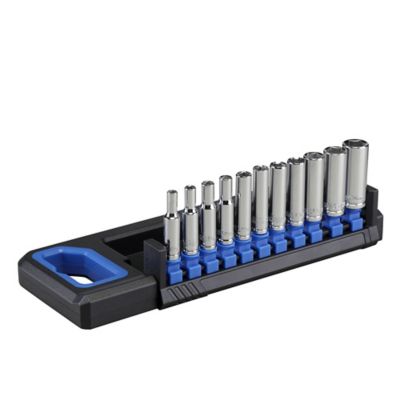
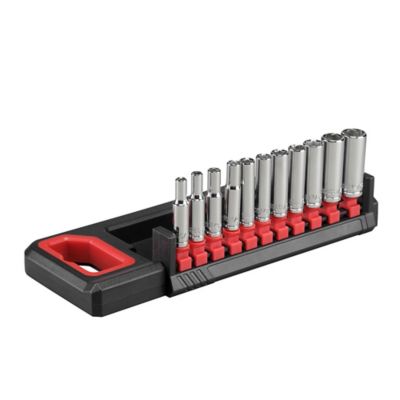
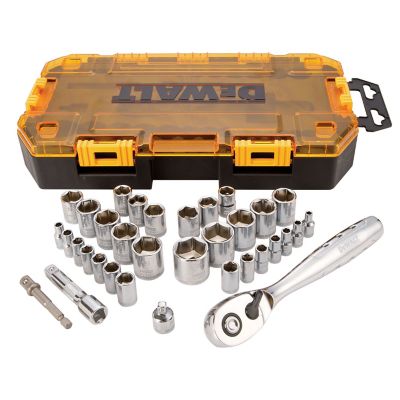
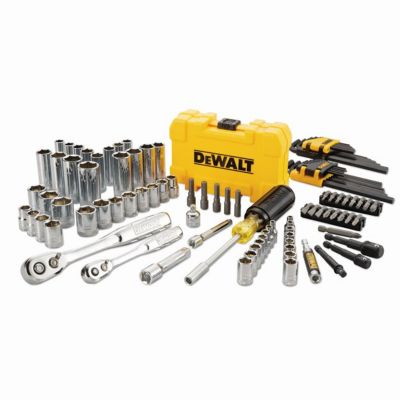
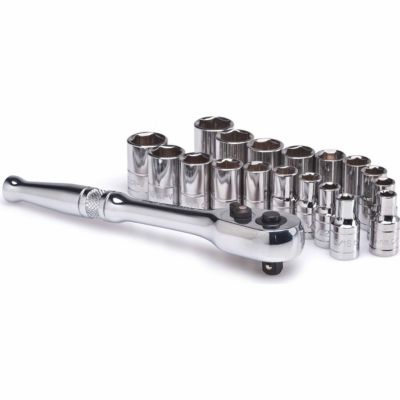
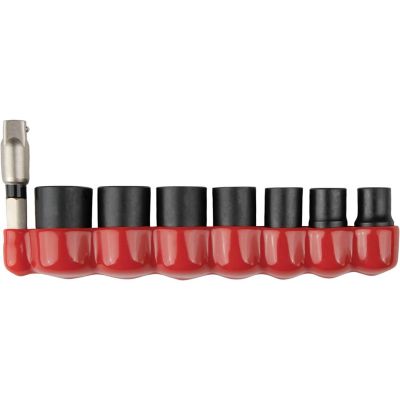
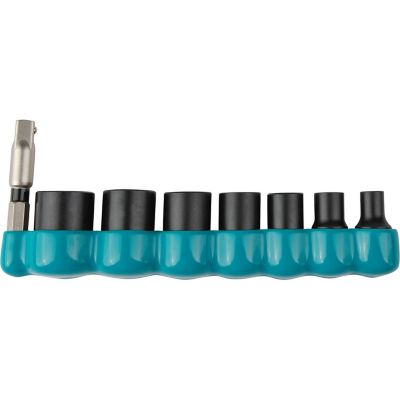
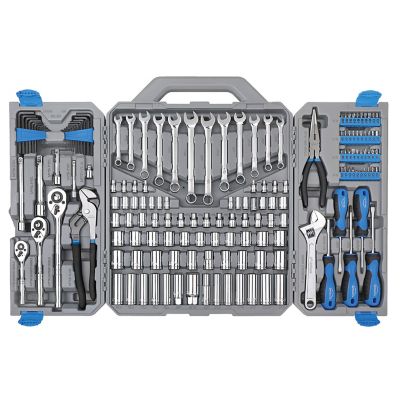
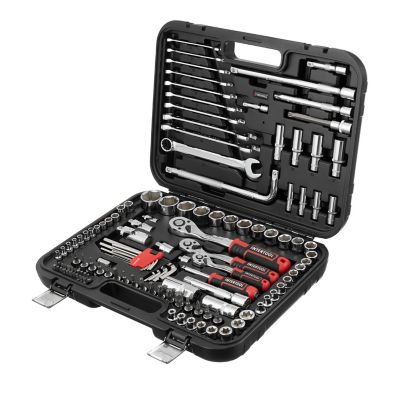
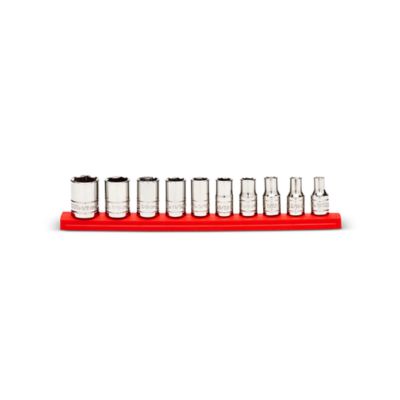
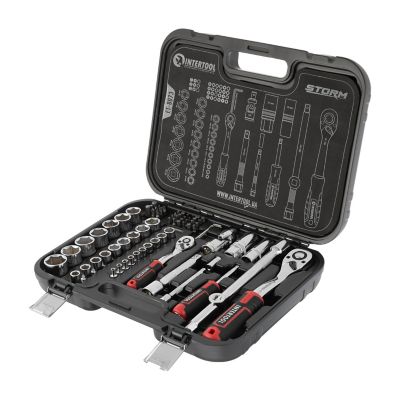
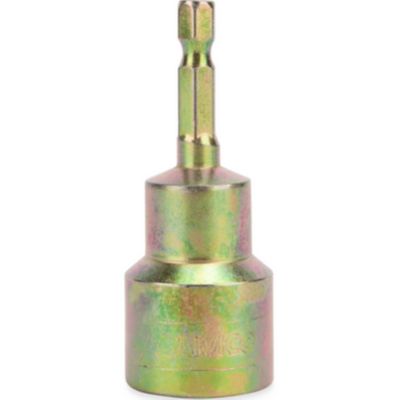
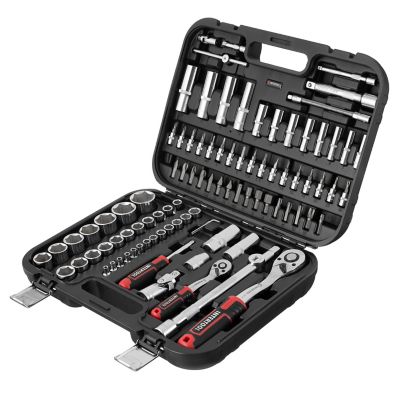
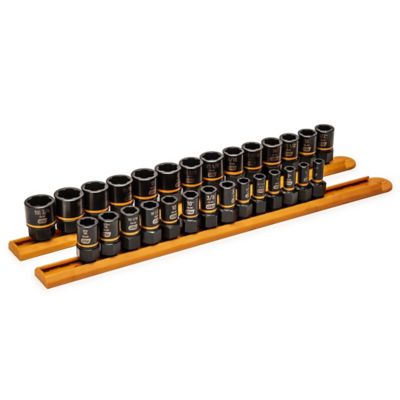
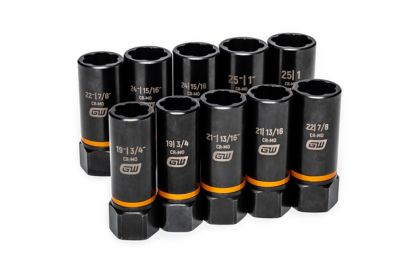
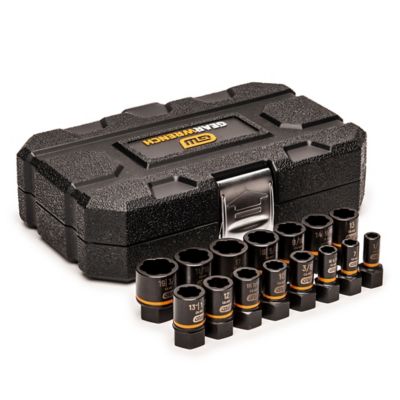
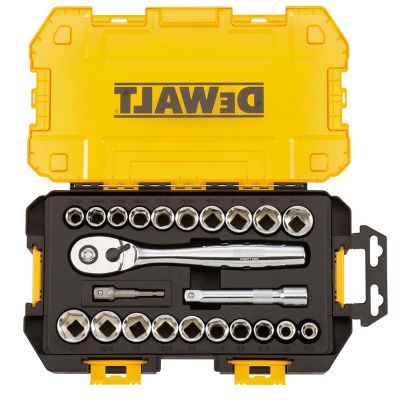
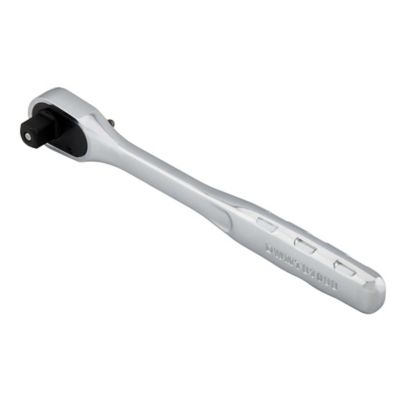
When shopping for 1/4 inch sockets, it helps to know that “1/4 inch” can describe two different things. A 1/4-inch drive socket has a square opening that connects to a 1/4-inch ratchet, extension, or other compatible hand tool. A 1/4-inch socket may also refer to a socket sized for a 1/4-inch nut or bolt head. Those measurements are not interchangeable, so checking both the drive size and the fastener measurement can save a trip back to the tool chest. The 1/4-inch drive is the smallest common ratchet size and is especially handy when working around crowded engine compartments, mower decks, small machinery, trim pieces, household fixtures, and other areas where a larger tool feels clumsy. It gives you a compact way to loosen or tighten smaller fasteners without crowding nearby parts. Many folks keep this size close at hand for routine work on lawn equipment, utility trailers, recreational vehicles, bicycles, appliances, and shop projects. A 1/4-inch drive setup is also useful for careful work on small engines, where a full-size ratchet can be awkward and excessive force may damage a delicate fastener. Look for sockets with clear, easy-to-read markings so you can grab the right size even when the toolbox is dusty or the light in the shed is less than perfect. A sturdy finish, a smooth interior, and a secure fit on the fastener all add to the everyday usefulness of a socket. Whether you need one replacement size or are building a complete collection, choose pieces that match the ratchet and extensions already in your tool chest.
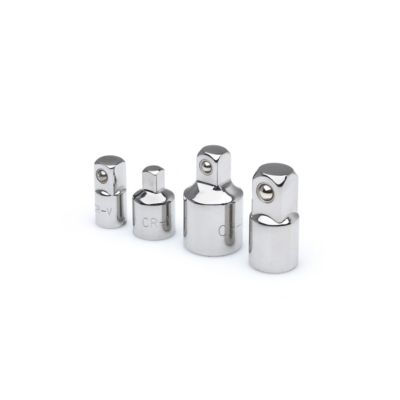
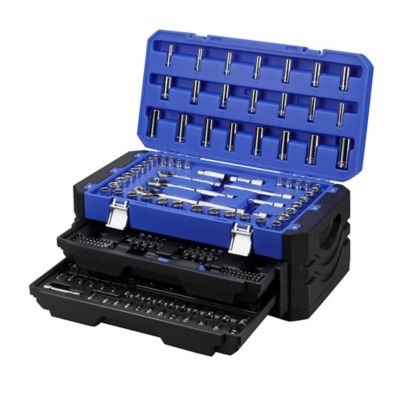
Socket sizing is another important part of the decision. SAE sockets use fractional-inch measurements, such as 1/4 inch, 5/16 inch, or 3/8 inch, while metric sockets are labeled in millimeters. Farm equipment, older vehicles, trailers, and many household projects may use SAE fasteners, while newer vehicles, imported equipment, and certain small machines often use metric hardware. Some tool collections include both systems because it is easy to mistake a close size when working in a hurry, and using the wrong socket can round off the corners of a nut or bolt. Consider the jobs you handle most often, the equipment parked in your barn or garage, and the fasteners found in the manuals for your machines. Socket depth matters, too. Shallow sockets are a good fit where clearance is tight, such as beneath a mower hood or along a compact engine housing. Deep sockets extend farther over a threaded stud, making them useful when a nut sits on a long bolt or when extra reach is needed around surrounding parts. A complete 1/4-inch drive selection may include shallow and deep styles, SAE and metric measurements, ratchets, extensions, and adapters, giving you more flexibility from one compact setup. Six-point sockets have six contact surfaces that grip the flat sides of a properly sized fastener and can help reduce the chance of slipping or rounding. For more information about that style, browse
Six Point Sockets. Twelve-point sockets have more engagement positions, which can make alignment quicker when you have limited room to swing a ratchet. The best choice depends on the condition of the fastener, the available clearance, and the type of work in front of you. For stubborn, rusty, or already worn hardware, a close-fitting six-point option is often a sensible choice. For clean fasteners in a cramped spot, the added positioning of a 12-point design may be convenient.
A dependable set of 1/4 inch sockets can earn its place in a farm shop, truck toolbox, home workbench, or garage drawer because small repairs tend to show up at inconvenient times. A loose clamp on a piece of equipment, a rattling guard, a battery connection, or a cabinet hinge may call for a compact socket long before a major repair is on the schedule. Picture a cool morning in the barn, with a flashlight tucked beneath one arm and a small engine cover held in place by fasteners that are just out of reach of ordinary pliers. A short ratchet and the right socket can make that job simpler, cleaner, and easier on your knuckles. Keep sockets organized by drive size and measurement, and wipe away grease or grit before putting them back so the markings remain readable and the tool seats properly next time. It is also worth checking that the socket matches the fastener fully before applying pressure; a snug fit protects both the hardware and the tool. These compact sockets can make a practical gift for a new homeowner, a student learning basic maintenance, a weekend mechanic, or anyone setting up a first tool collection. They are small enough to add to a toolbox without taking up much space, yet useful across everyday repairs and upkeep. A thoughtful selection might include commonly used SAE and metric sizes, a compact ratchet, and a few extensions for recessed fasteners. Whether you are maintaining equipment during the cooler months, handling household fixes, or keeping a work truck ready for the next job, 1/4-inch sockets offer a convenient way to reach smaller fasteners with control and confidence.