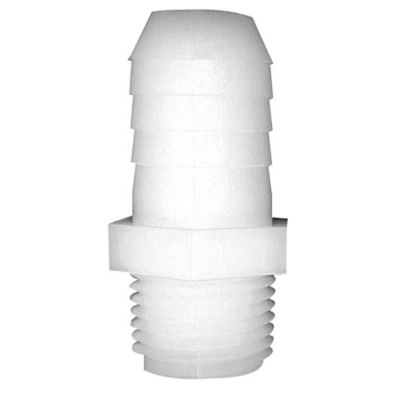
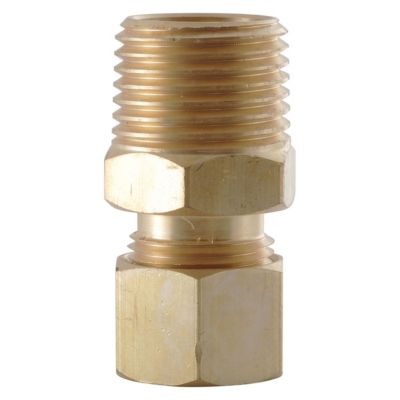
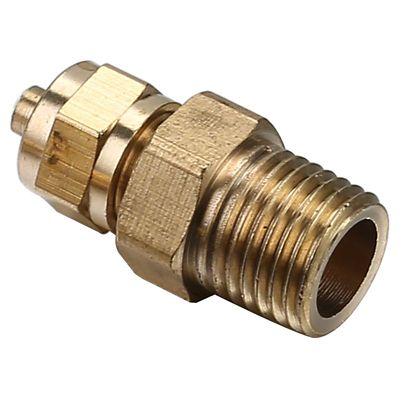
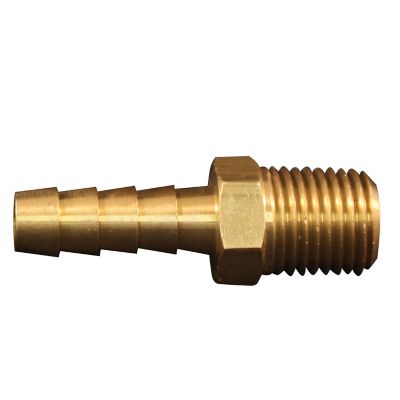
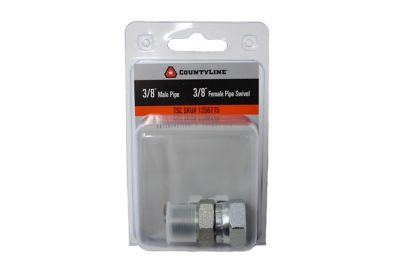
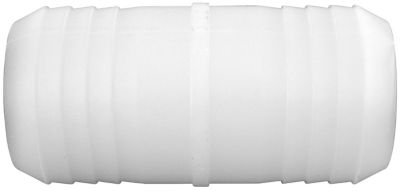
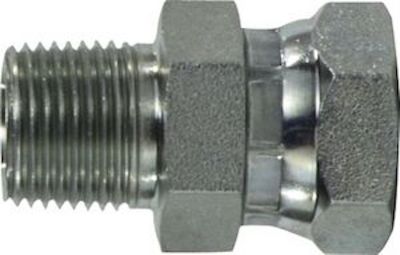
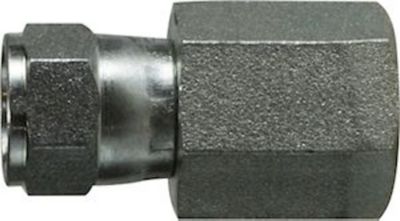
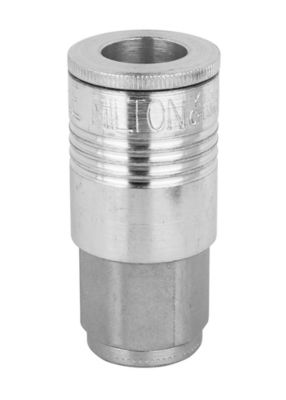
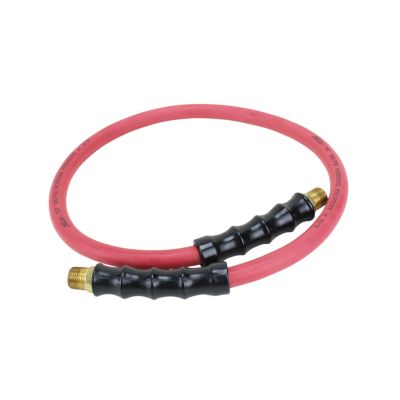
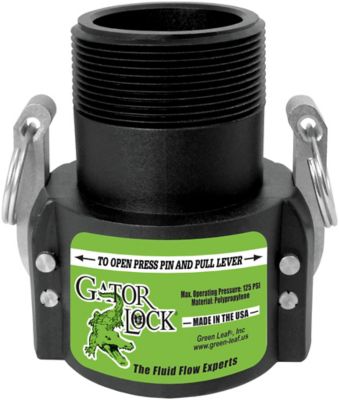
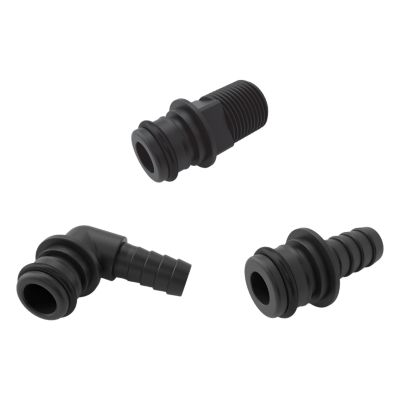
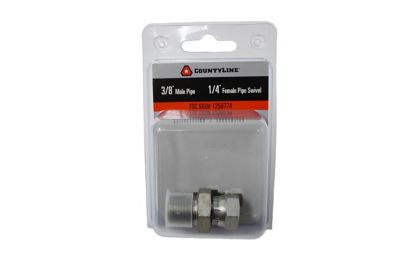
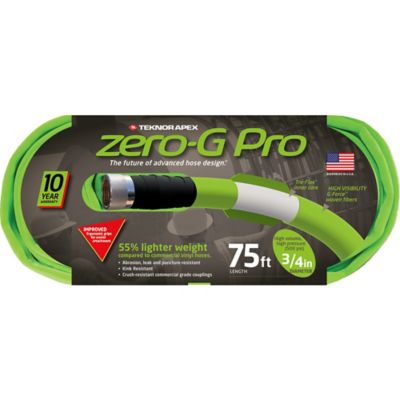
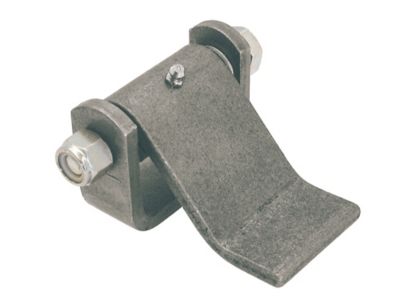
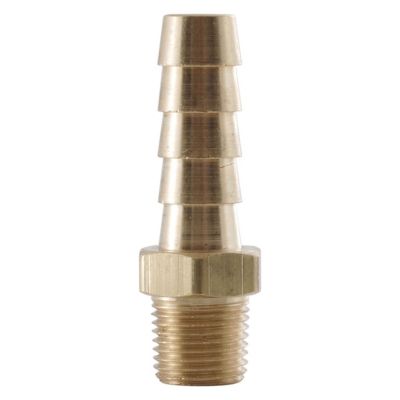
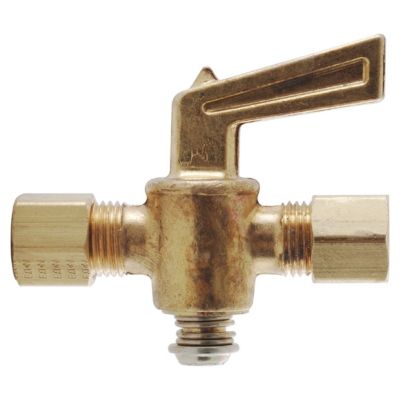
Shopping for 3/8 fittings is a practical way to keep water lines, air systems, fuel equipment, irrigation setups and everyday repairs moving along without a trip back to the hardware store. A 3/8-inch fitting is sized to connect with 3/8-inch tubing, hose or pipe, but the size alone does not tell you whether two parts will work together. Before you buy, identify what you are joining, what the line carries and how the connection needs to be made. Compression fittings are a common choice for rigid copper or plastic tubing and use a nut and ferrule to form a snug seal without soldering. They can be handy for water supply repairs, livestock watering lines and other jobs where a clean, serviceable connection matters. Hose barb fittings have ridges that grip the inside of flexible rubber, vinyl or similar hose and are generally secured with a properly sized hose clamp. They are useful for low- to moderate-pressure water movement, small pumps, sprayers and farm equipment repairs. Threaded fittings use pipe threads to connect valves, gauges, tools and other threaded components, while adapters can bridge two different connection styles when a project calls for it. Flare fittings use a flared end to create a strong connection and are often selected for applications involving pressure, fuel or automotive fluids when the fitting and tubing are designed for that use. Pay close attention to the thread standard, since tapered pipe threads and straight threads are not interchangeable, even when they look close at a glance. A fitting made for 3/8-inch tubing may also have a different thread size on the opposite end, so check both sides of an adapter, tee or elbow before placing it in your cart.
Material is another big part of choosing the right 3/8 fittings. Brass remains a dependable option for many water, air and fuel applications because it is sturdy, resists corrosion and stands up well to the bumps and vibration found around a shop, barn or service truck. For projects where weight, chemical resistance or cost are key concerns, plastic and poly fittings can be a good fit, particularly in light-duty irrigation, agricultural spraying and other compatible fluid systems. Not every plastic fitting is intended for every chemical, pressure or temperature, so read the specifications and match the material to the job. Stainless steel and other metal options may be worth considering in demanding environments where extra durability or resistance to moisture is important. If you are comparing
Metal Fittings, look for details about the metal type, pressure rating, temperature range and intended use rather than choosing by appearance alone. Measure the outside diameter of tubing when needed, and do not rely on a worn fitting as your only reference; corrosion, flattened ends and damaged threads can make an old part seem like a different size. Bring a clean sample to the store or compare the dimensions carefully before replacing it. For threaded connections, use a compatible sealant or thread tape only where the manufacturer allows it, and keep sealant away from passages where loose material could clog a valve or nozzle. Compression connections should be assembled squarely with the ferrule in the correct position, while barb connections should be pushed fully onto the hose and clamped behind the barb. Avoid overtightening, which can split plastic, distort a ferrule or damage threads. A small leak may show up as a drip, a hiss, a pressure drop or a damp spot around the connection, so inspect the completed work before putting the system back into regular service.
A handy assortment of 3/8 fittings can save time when a water trough needs attention, an air line develops a leak or a sprayer needs a quick repair during a busy stretch of chores. These fittings are useful to homeowners, farmers, ranchers, gardeners, mechanics, maintenance crews and do-it-yourselfers who would rather handle a straightforward repair at the workbench than wait on a service call. They also make a thoughtful addition to a practical gift basket for someone setting up a first garage, restoring equipment or building a farm repair kit, especially when paired with hose clamps, thread sealant, tubing cutters and a fitting gauge. Keep a few common adapters, elbows, tees and straight connectors in a labeled drawer so the right part is easy to find when daylight is fading and the weather is turning cold. During the cooler months, dependable fittings can help with indoor plumbing projects, compressed-air tools, workshop equipment and seasonal maintenance around outbuildings. For outdoor systems, drain water where appropriate and protect exposed lines from freezing, since even a well-made connection can fail when trapped water expands. Always follow the pressure and temperature limits listed for the fitting, hose and connected equipment, and use components rated for the fluid being carried. Fuel, gas, refrigerant and high-pressure systems deserve extra care and may require specialized parts or professional service. After installation, open valves slowly, check for leaks with an approved method and retighten only as directed. Taking a few minutes to confirm size, connection style, material and rating can turn a frustrating repair into a solid fix that holds up through chores, projects and changing weather.