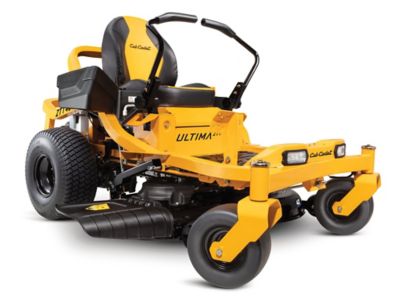
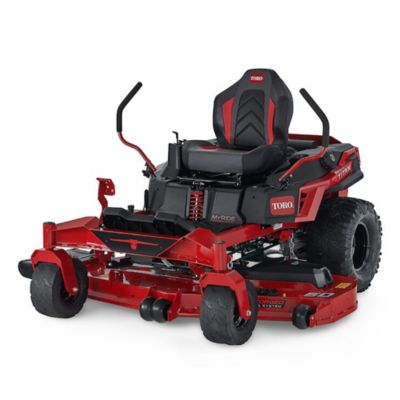
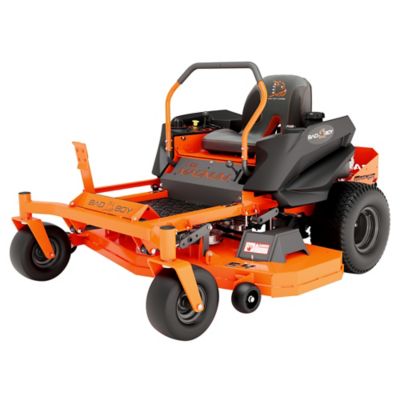
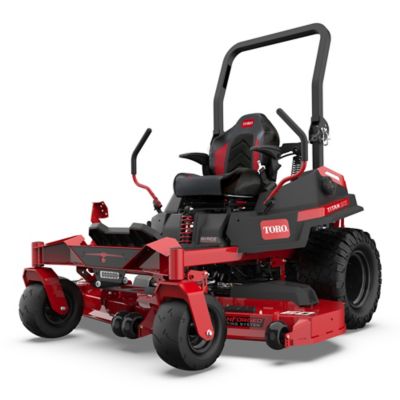
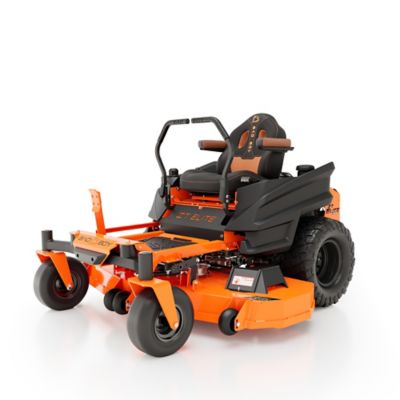
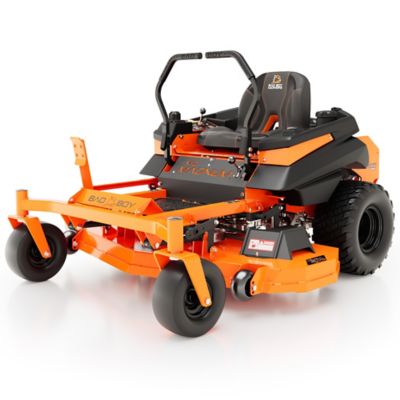
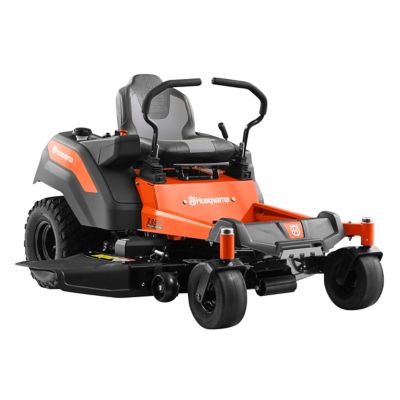
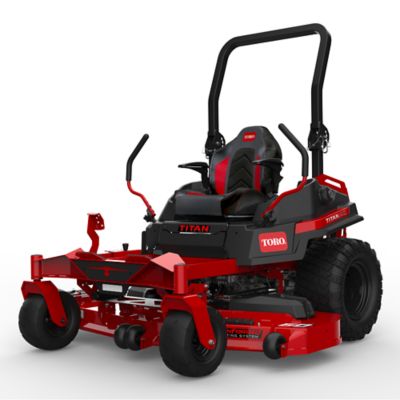
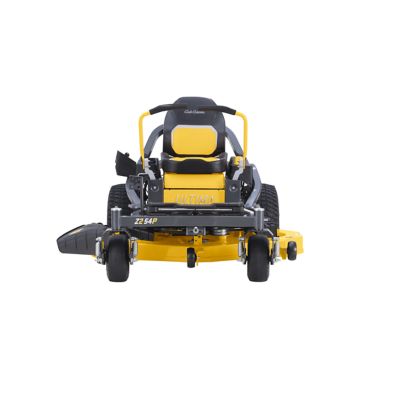
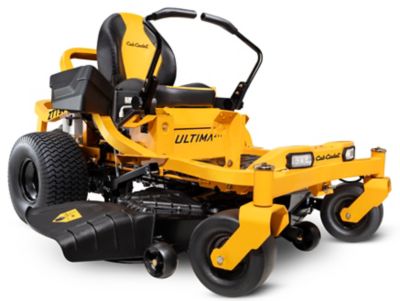
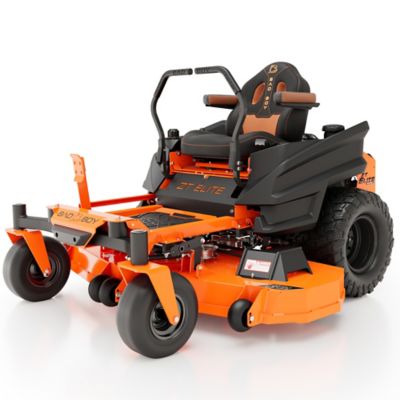
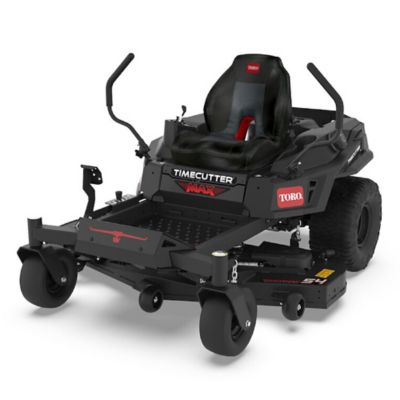
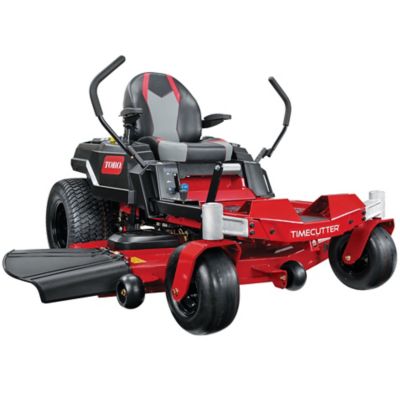
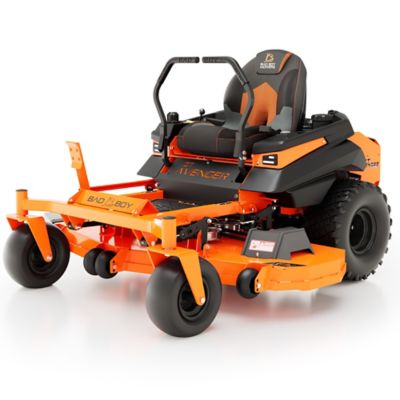
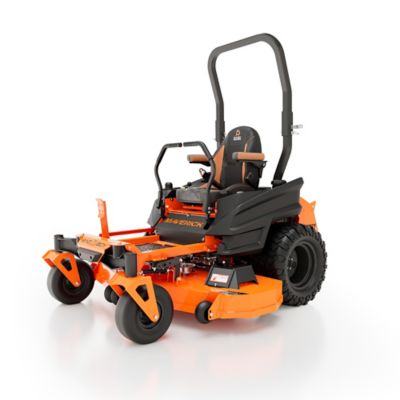
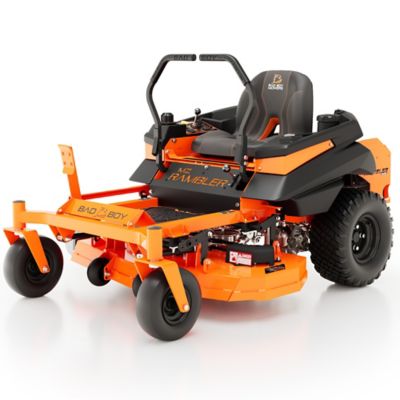
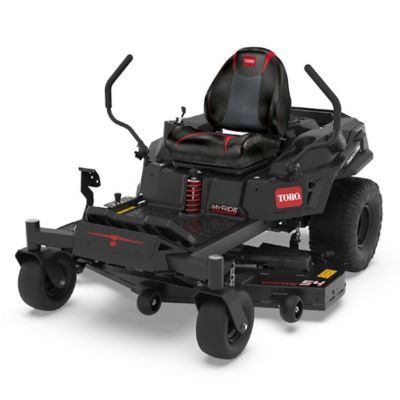
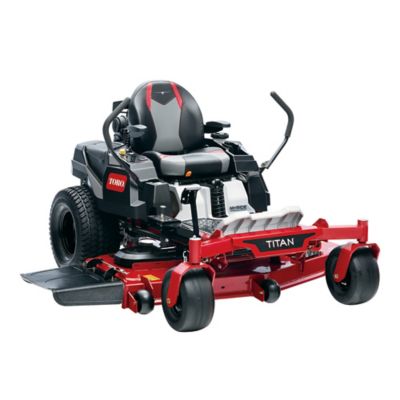
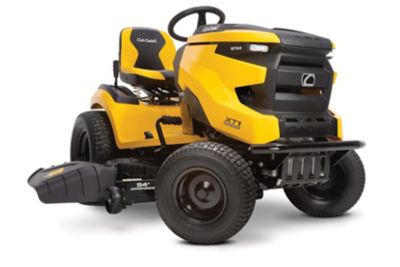
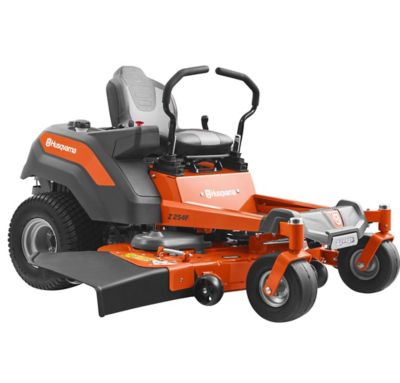
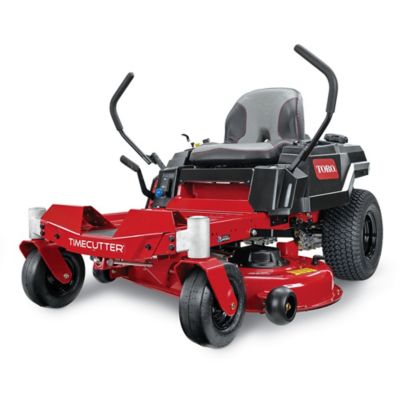
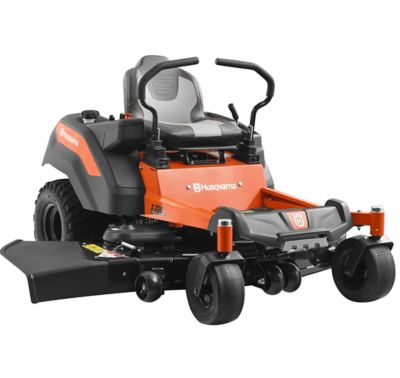
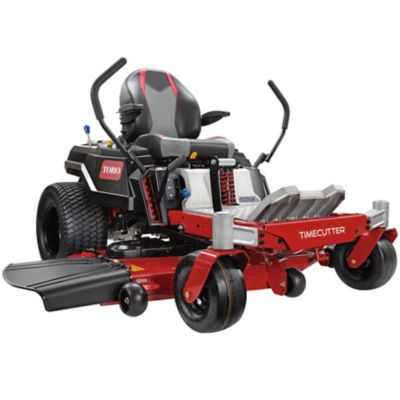
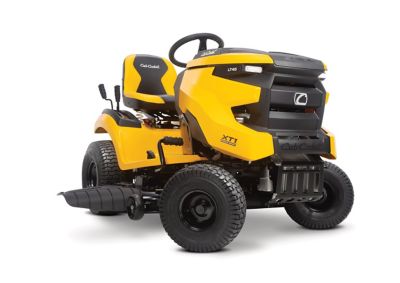
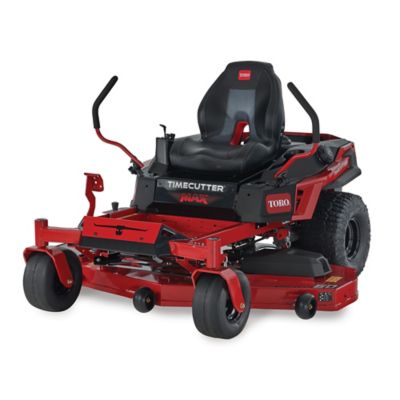
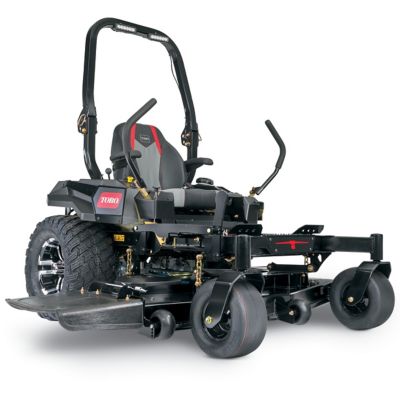
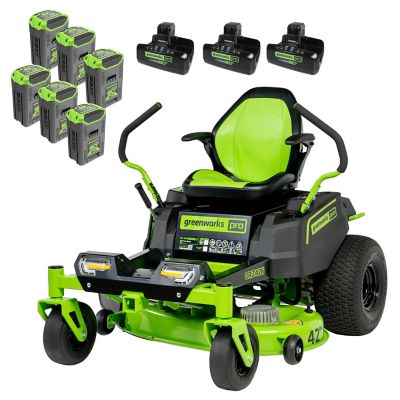
Shopping for zero turn mower brands is a practical way to compare machines built for faster mowing, tighter turns, and cleaner results across open lawns. Unlike a traditional riding mower, a zero turn mower uses two independently controlled drive wheels, allowing the operator to pivot around trees, fence posts, garden beds, sheds, and other obstacles with very little wasted space. That maneuverability can make a big difference on a wide rural yard, a winding property, or a lawn dotted with landscaping. When comparing recommended zero turn mower options, start with the size and layout of the area you maintain. A compact residential machine may be a smart fit for a few acres of mostly level grass, while larger properties, frequent mowing, rough ground, or small-scale landscaping work may call for a heavier frame, a wider cutting deck, a larger fuel tank, or a more powerful engine. Deck construction matters, too. Stamped decks are often lighter and can work well for routine residential mowing, while fabricated steel decks are generally chosen for added strength in demanding conditions. Cutting width affects both speed and maneuverability: a wider deck can cover open ground quickly, but a narrower deck may be easier to guide between trees, gates, and tight planting areas. Consider the engine’s horsepower, the mower’s transmission, the quality of the seat, and how easy it is to reach service points before settling on a choice. A mower that feels comfortable and balanced at the start of a long afternoon will be easier on your back and shoulders by the time the last pass is finished. For a starting point among highly regarded options, browse
Top Rated Zero Turn Mowers and compare the features that line up with your property and mowing habits.
Terrain should play an important role in choosing among zero turn mower brands. These machines are especially handy on broad, open areas and gentle slopes, but they are not automatically the best choice for every hill or uneven section. On sloped ground, look for a mower with a stable stance, responsive controls, dependable braking, and enough traction for the conditions on your property. Read the manufacturer’s operating guidance carefully, since recommended slope limits vary by machine, and use extra caution around ditches, ponds, soft shoulders, and drop-offs. If your land has rough pasture edges, exposed roots, gravel drives, or occasional sticks and debris, a durable deck and sturdy front-end components can help the mower handle regular farm-use wear. Suspension seating, armrests, an adjustable steering setup, and vibration control are more than small comforts when mowing several acres. They can help reduce fatigue, which makes it easier to maintain steady control and a consistent cutting height. The type of grass and mowing conditions matter as well. Thick, damp grass can challenge a mower’s airflow and deck performance, while dry, dusty conditions may call for attention to filters, cooling screens, and cleaning routines. Before buying, measure narrow gates and storage doors, check the mower’s overall width, and make sure you have a level, covered place to park it. Think about fuel storage or charging access, depending on the mower type, along with replacement blades, belts, filters, and local service availability. A dependable dealer or service department can be especially helpful when a machine is part of your regular property routine. During the cooler months, take time to inspect belts, grease fittings, tire pressure, battery connections, and the underside of the deck so the mower is ready when the grass begins growing again.
Zero turn mowers are commonly used by homeowners with large lawns, rural landowners, hobby farmers, property managers, grounds crews, and lawn-care professionals who need to cover ground efficiently while leaving a tidy finish. They can be a practical household purchase for families sharing responsibility for a large yard, and they may also make a thoughtful gift for someone who takes pride in maintaining acreage, a cabin property, or a small farmstead. A mower is a substantial gift, so it is wise to consider storage space, towing capacity, maintenance preferences, and the recipient’s comfort with lap-bar or steering controls before making that kind of purchase. New operators should spend time practicing in an open, level area, learning how each control affects speed and direction before mowing around trees or buildings. Make broad, gradual turns at first, keep the deck clear of people and pets, and avoid backing toward obstacles without looking carefully behind the mower. Regular upkeep goes a long way: clear packed grass from the deck, keep blades sharp, follow oil and filter service intervals, inspect tires for even pressure, and check hardware for looseness. Sharp blades usually leave a cleaner cut and place less strain on the mower than worn or damaged blades. Cutting no more than about one-third of the grass height at a time can also help protect the lawn, particularly when growth is heavy. As weather shifts from warm mowing days to cooler, slower-growing conditions, adjust your schedule and avoid cutting saturated ground that may rut easily. With the right match of deck size, engine power, comfort features, terrain capability, and available support, the zero turn mower brands featured in this collection can help make regular lawn care more efficient and less tiring.