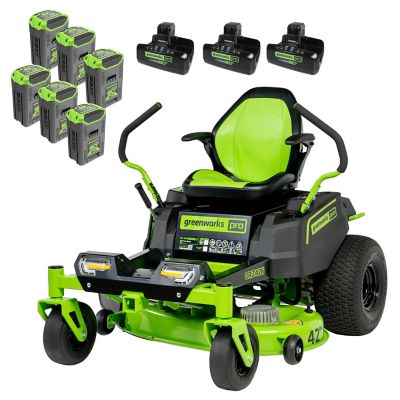
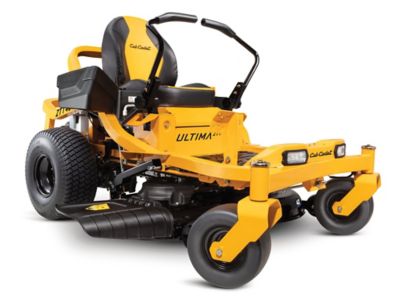
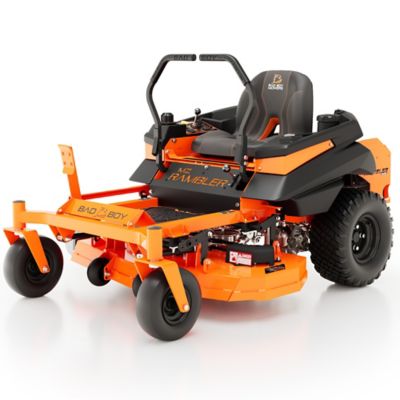
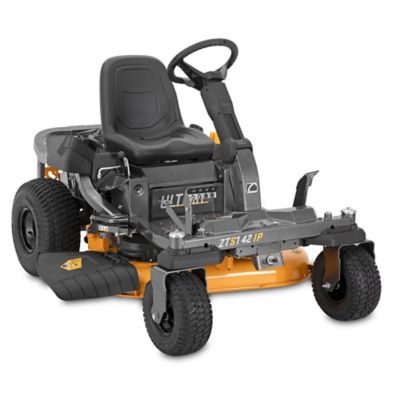
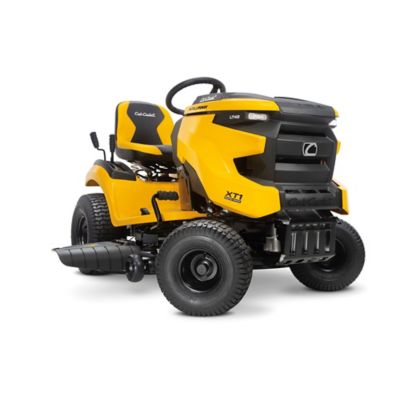
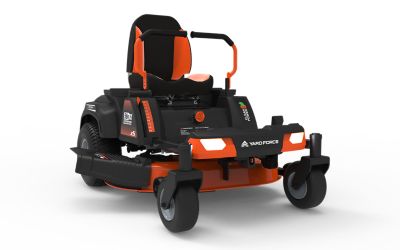
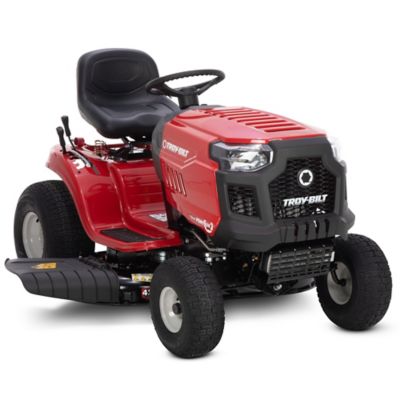
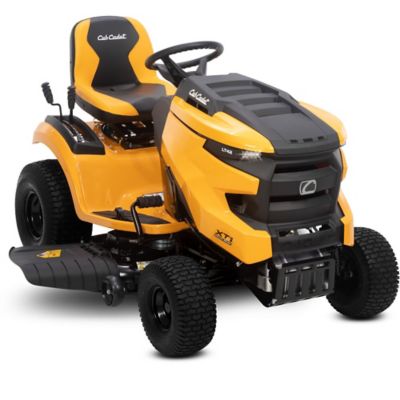
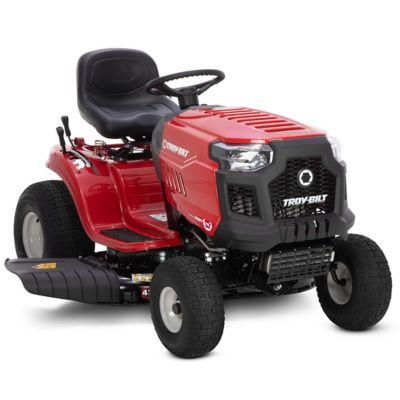
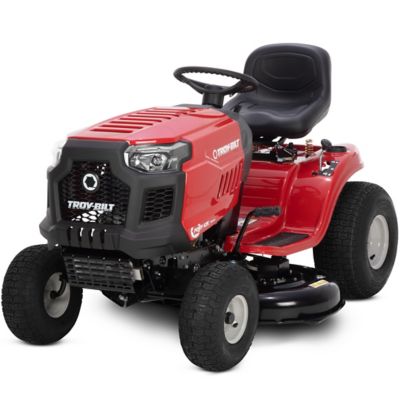
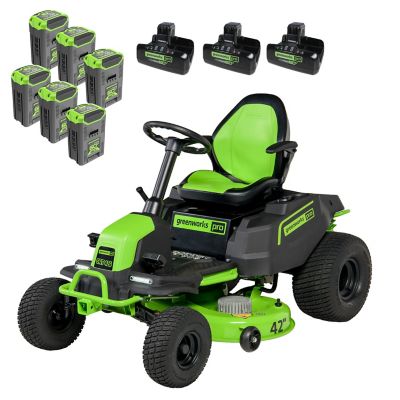
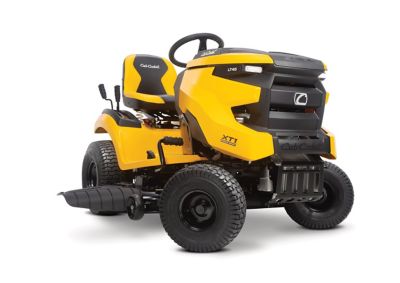
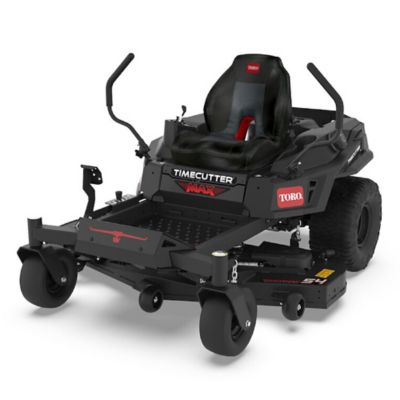
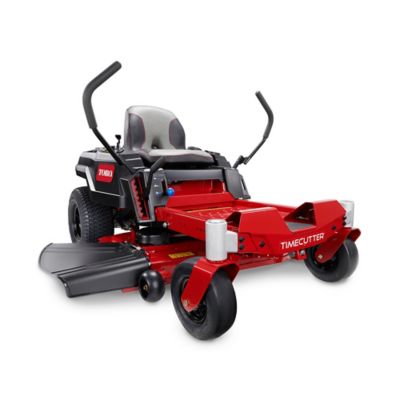
Small zero-turn lawn mowers bring the speed and tight turning control of a zero-turn design to yards where a full-size mower may be more machine than you need. With compact cutting decks commonly ranging from about 30 to 42 inches, these mowers can be a good fit for residential lawns, fenced backyards, narrow side gates and properties with landscaping that calls for careful trimming. A traditional riding mower may need several wide passes to work around a tree, flower bed, fence post or garden shed, while a zero-turn mower can pivot within its own footprint and help you line up neatly along edges. That smaller size also makes storage easier in many garages, sheds and equipment shelters, though it is still important to measure your storage door and gate openings before choosing a mower. A compact zero-turn can be useful for homeowners with larger suburban lots, small acreage, established landscaping or rough mowing routines that make a walk-behind mower feel like a long afternoon. It may also be a practical gift for a new rural homeowner, someone caring for a family property or a relative who wants to spend less time circling obstacles and more time keeping the grass looking even. Before comparing the options on this page, consider the size and shape of the area you mow, the width of your narrowest gate, the location of your fuel or charging setup and the kind of finish you want across the lawn. A 30-inch deck is especially handy where access is tight, while a 42-inch deck can cover open stretches faster without becoming unwieldy around landscaping. Smaller does not always mean lightweight or simple, so check the mower’s overall dimensions, seat position, deck height range and turning clearance along with the advertised cutting width.
Power choice is one of the biggest decisions when shopping for small zero-turn lawn mowers. Gas-powered models are a familiar choice for people who mow larger areas, work away from an electrical outlet or prefer to refuel and keep going. They require regular attention to engine oil, air filters, spark plugs, fuel quality and seasonal storage, but routine care can help keep the mower ready when the grass grows quickly during warm, wet stretches. Battery-powered models offer quiet operation, no fuel mixing and less day-to-day engine maintenance, which can be appealing in neighborhoods, around livestock or near a home where you do not want a loud machine running for hours. Their practical mowing range depends on battery capacity, grass height, terrain, deck width and how often the blades are engaged, so review the expected runtime and charging requirements rather than relying on acreage alone. Thick, damp grass and repeated stops around trees can use more energy than a smooth, open lawn. A spare battery or a convenient charging location may make an electric mower more workable for properties with more ground to cover. Regardless of power source, pay close attention to the cutting deck. Fabricated steel decks are welded from heavier material and are often chosen for demanding residential use, while stamped decks can provide a lighter, more affordable option for homeowners with less severe mowing conditions. Look for a deck that allows easy access for cleaning and blade service, and check whether the deck lifts high enough to clear gravel, roots and uneven spots when you move between mowing areas. Blade engagement, cutting height adjustment and the ability to mulch, discharge or collect clippings can also shape your everyday experience. Mulching may return fine clippings to the lawn, while side discharge can be useful when grass is tall or damp. Bagging takes more time but may suit lawns that need a tidy finish before outdoor gatherings or during the cooler months when fallen leaves begin mixing with grass clippings.
Control layout and terrain deserve just as much attention as deck size. Traditional lap bars provide quick, independent control of the rear wheels and allow an experienced operator to make tight turns around beds, posts and mature trees. A steering-wheel-style control system can feel more familiar to someone moving up from a conventional riding mower and may offer a comfortable transition for beginners. Either design takes practice, especially when backing into a shed, approaching a gate or trimming close to a raised bed. Start at a slow speed in a clear, level area, learn how each control responds and leave extra room around people, pets, ponds and loose objects. Zero-turn mowers are built for maneuverability, not for every kind of slope. Read the owner’s manual for the mower’s operating limits, avoid steep or wet inclines, mow across a manageable slope rather than straight up or down when the instructions allow it, and use care near drop-offs, ditches and retaining walls. A comfortable high-back seat, adjustable control arms, a suspension seat, a cup holder and an easy-to-reach parking brake may sound like small details, but they matter when mowing takes an hour or more. Also compare the transaxle or transmission, frame construction, tire size, warranty coverage and availability of replacement blades, belts and filters. Serviceable residential or semi-commercial components can be worthwhile for owners who expect years of regular use, particularly on uneven ground or larger lawns. After mowing, brush off clippings, clear the deck safely, inspect for loose hardware and keep the blades sharp for a cleaner cut. Store the mower under cover, follow battery storage instructions for electric models and prepare gas equipment for longer periods of limited use. As the weather shifts from active growing to cooler-season cleanup, a compact zero-turn mower can remain useful for final cuts, leaf work and keeping paths around the home looking cared for. For a broader look at high-performing options across different yard sizes and feature sets, visit
Top Rated Zero Turn Mowers.