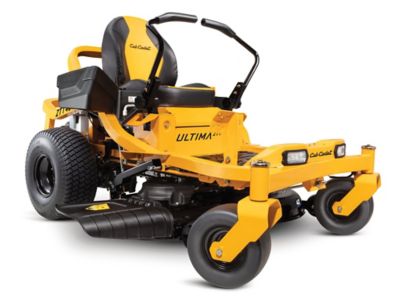
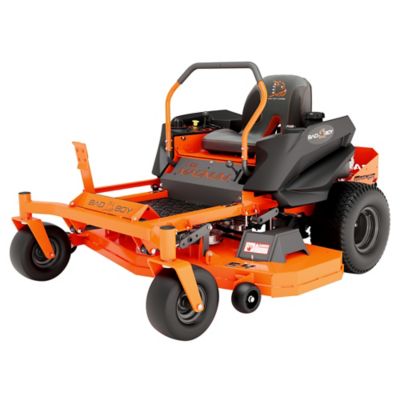
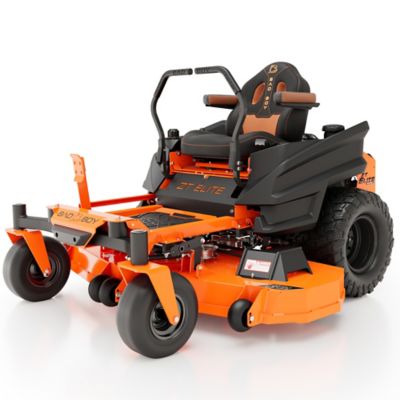
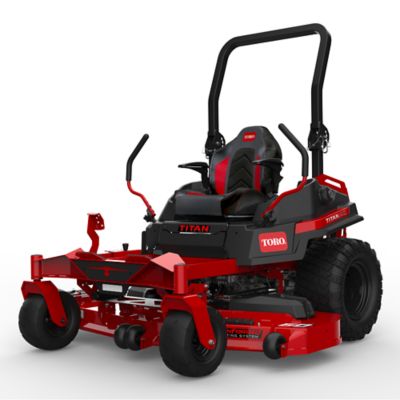
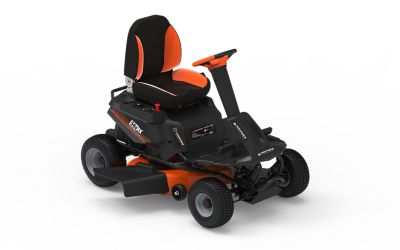
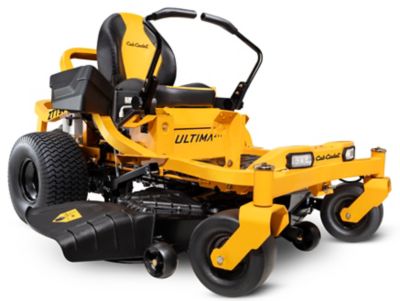
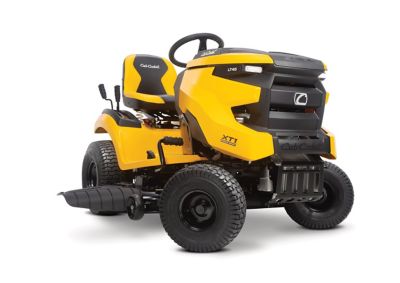
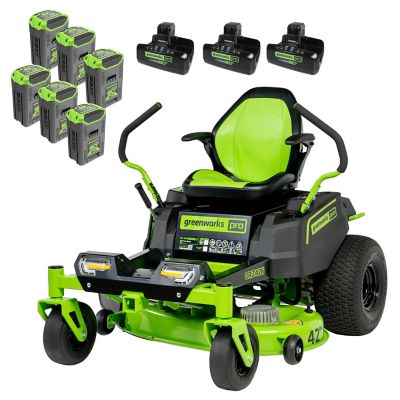
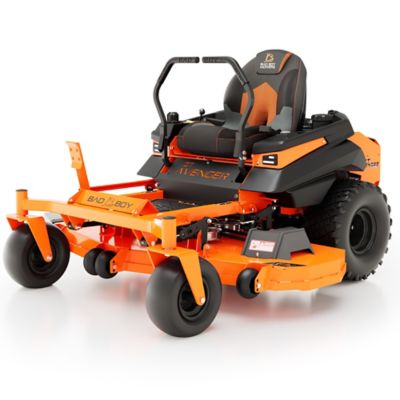
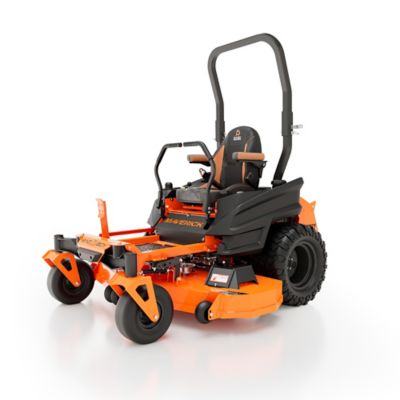
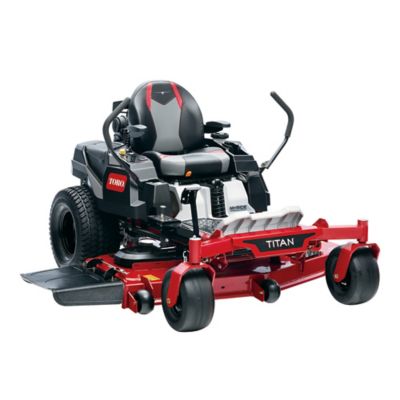
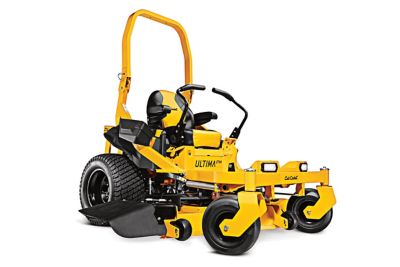
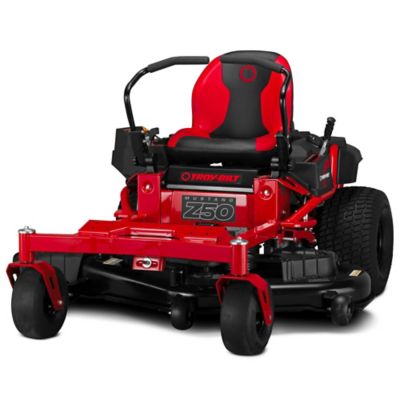
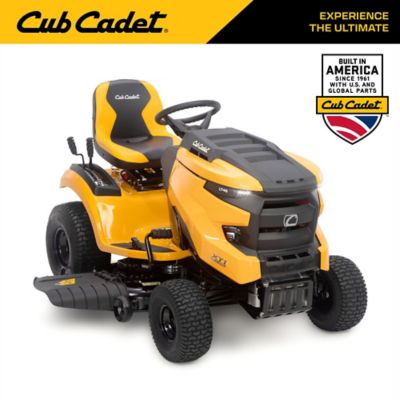
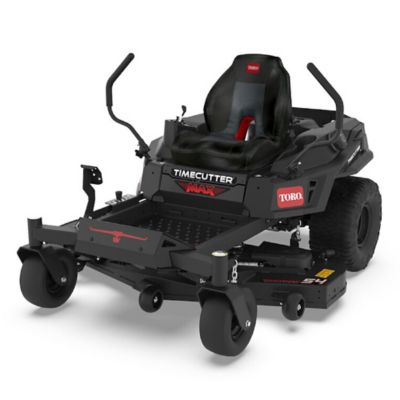
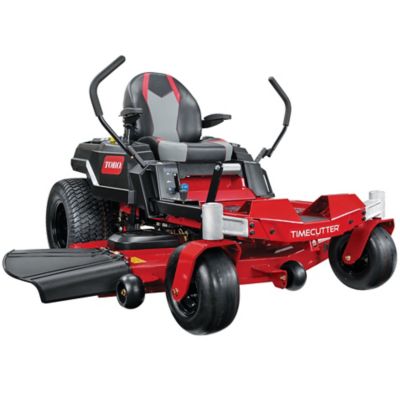
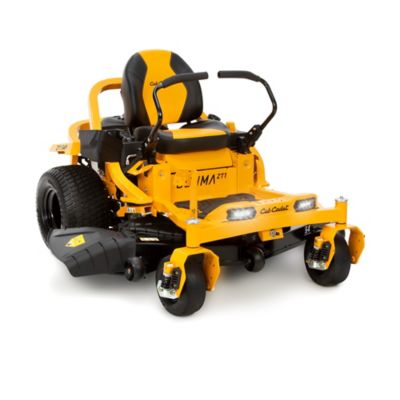
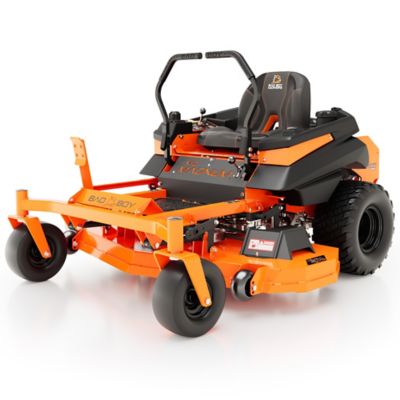
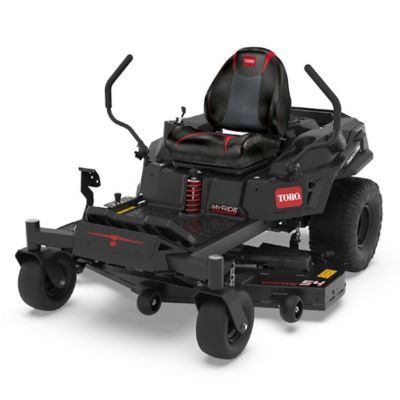
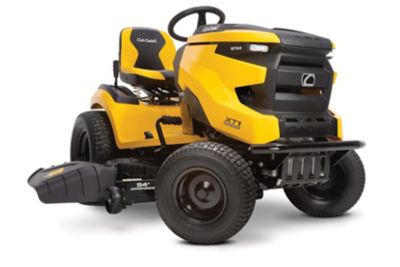
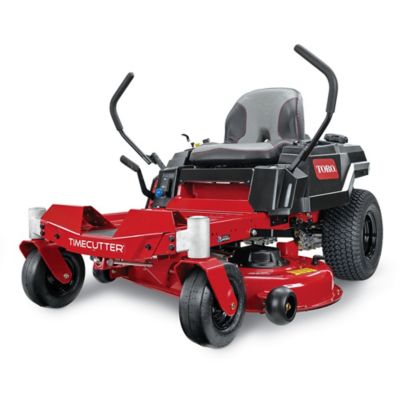
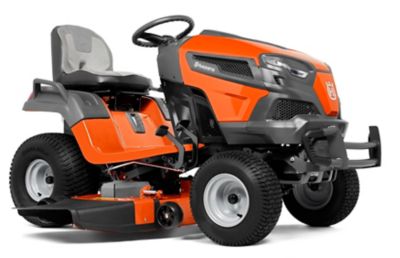
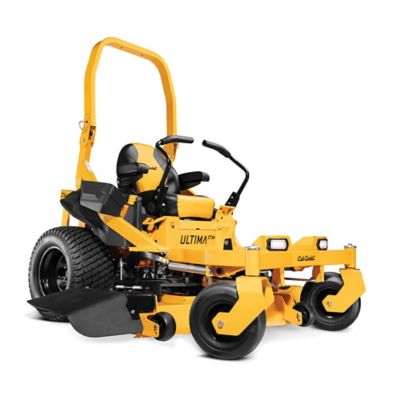
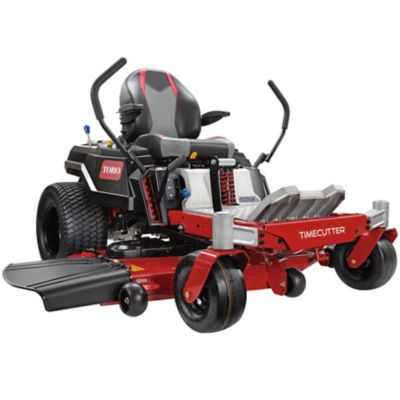
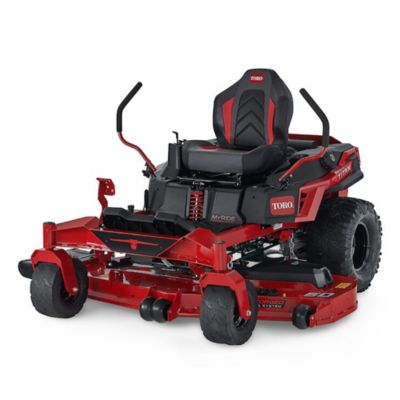
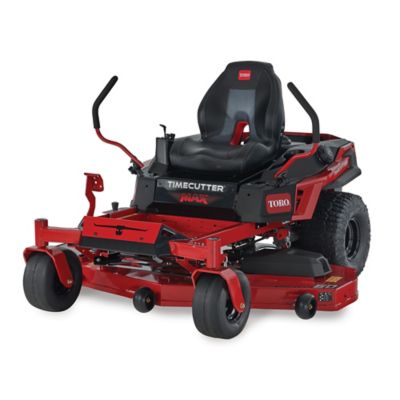
Zero turn lawn mower brands offer a wide range of machines for keeping open ground, estate lawns, farm lanes, and large residential yards looking neat without spending all day behind the wheel. Unlike a traditional riding mower, a zero-turn mower pivots within its own footprint, making it easier to work around trees, fence posts, garden beds, sheds, ponds, and other obstacles. That tight turning ability can make a big difference on properties where every pass matters. A broad mowing deck helps cover more ground with each trip across the lawn, while lap bars or a steering wheel give the operator direct control over forward travel, reverse movement, and turns. When comparing brands, start with the size and layout of the property. A homeowner with a few level acres may value a comfortable seat, a smooth control layout, and easy storage, while someone caring for a larger homestead, roadside grass, rental properties, or several lawns may place more emphasis on engine output, deck construction, operating speed, fuel capacity, and service support. Sloped ground, rough pasture edges, damp grass, and long stretches between buildings also deserve attention before choosing a mower. A machine that fits the land and the operator tends to make regular mowing feel less like a chore and more like a steady morning task, with clean rows stretching across the yard and fewer passes around every obstacle.
Deck design is one of the most important details to compare across zero turn lawn mower brands. Mowing decks may be stamped or fabricated, and their width affects both coverage and maneuverability. A wider deck can shorten mowing time on broad, open lawns, but a narrower deck may be easier to handle through gates, around landscaping, or between outbuildings. Look for convenient deck-height adjustments and a cutting range that suits the grass on your property. Thick summer growth may call for a different setting than the shorter grass found during cooler months, and raising the deck slightly over uneven areas can help prevent scalping. Engine size should match the deck and the work at hand, especially when mowing tall grass, rolling ground, or acreage that is not cut as often as a typical suburban lawn. Comfort matters just as much during a long afternoon as engine power. A well-padded seat, adjustable controls, a supportive backrest, vibration control, and easy-to-reach levers can help reduce fatigue when the work stretches from one side of the property to the other. Check the fuel tank location, tire size, foot-operated deck lift, discharge options, and access points for routine service. Grease fittings, oil changes, air filters, blades, belts, and tire pressure all play a part in keeping a mower ready for the next cutting day. Before settling on a brand, review the warranty terms, local parts availability, dealer or service-center coverage, and the operator’s manual. Those details can matter when a belt needs attention, a blade needs sharpening, or a mower is being prepared for storage during the cooler months. For shoppers focused on higher-output equipment for larger properties or professional lawn work, the selection at
Top Rated Commercial Zero Turn Mowers can provide another place to compare features and intended use.
The best zero turn lawn mower brands serve different types of operators, so the right choice depends on more than a name on the hood. First-time zero-turn owners may appreciate simple controls, a clear sightline over the deck, and a forgiving learning curve. Experienced property owners may look for heavier frame construction, larger rear tires, a high-back suspension seat, and the power to keep pace with demanding mowing schedules. Lawn care crews and grounds staff often need machines built for repeated runs, quick adjustments, straightforward maintenance, and dependable access to replacement parts. For a family member who takes pride in a country lawn, a zero-turn mower can be a thoughtful gift when the recipient has enough open ground to make good use of it, along with a dry place to store the machine and time to learn its controls. It can also be a practical addition to a farm, acreage, hunting property, church grounds, or rural business where keeping grass under control improves access and appearance. Take a slow practice run on a clear section of lawn before mowing near trees, ditches, ponds, or driveways. Lap bars require coordinated hand movement, while steering-wheel models may feel familiar to someone accustomed to a traditional riding mower. Always account for slope, wet ground, loose gravel, and hidden objects, and follow the manufacturer’s safety directions for starting, turning, transporting, and parking. As fall leaves settle and grass growth slows, a careful cleanup, blade inspection, and fuel-system check can help prepare the mower for storage. When warmer weather returns, inspect the tires, battery, belts, deck, and fluids before the first full cutting. With the right match of mower size, deck width, controls, comfort features, and service support, shoppers can find equipment suited to the way their land is laid out and the kind of work each season brings.