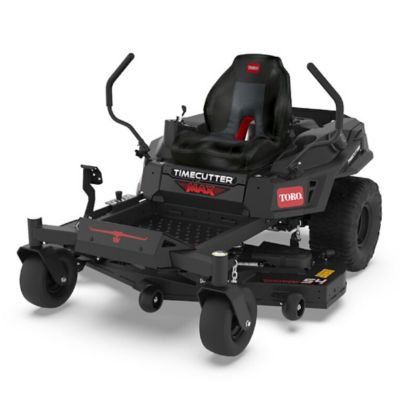
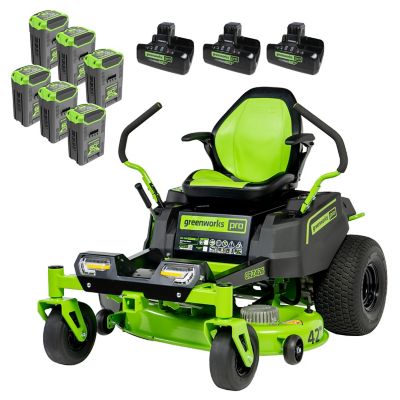
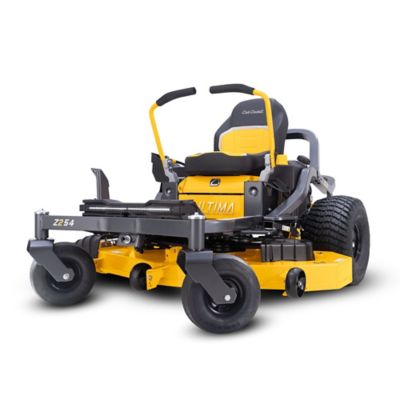
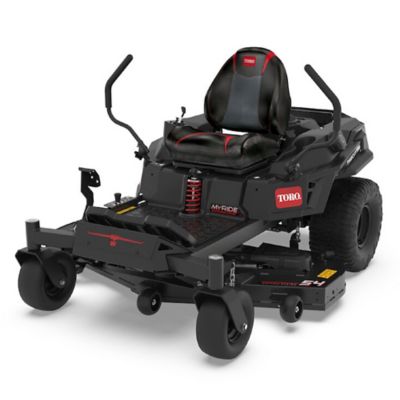
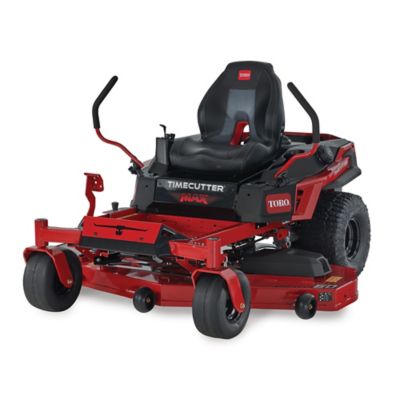
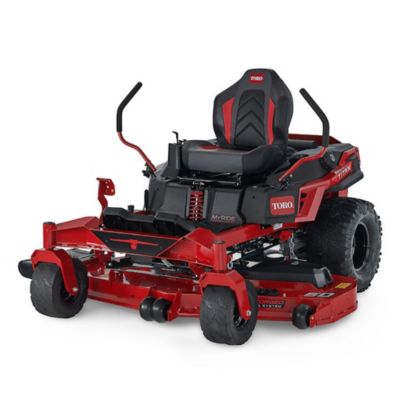
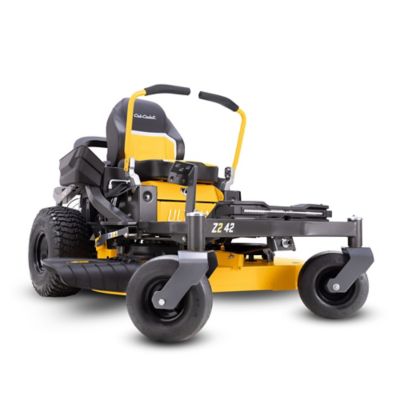
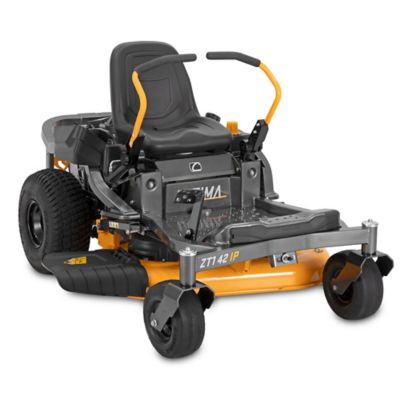
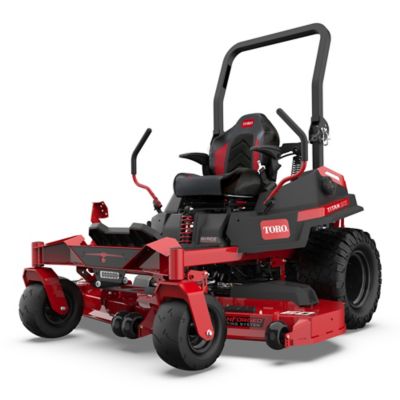
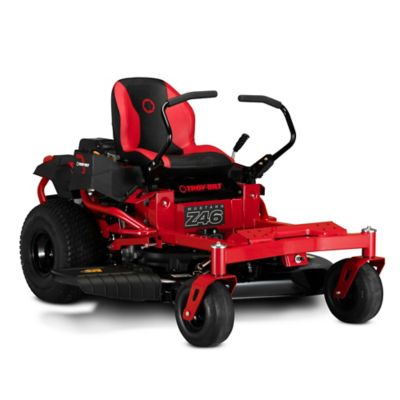
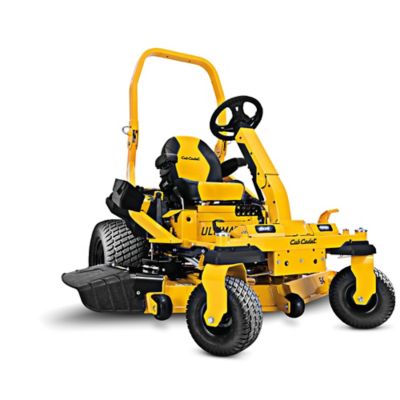
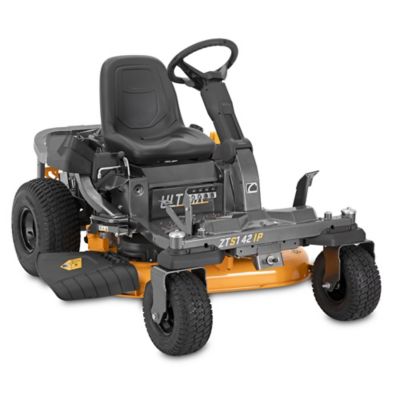
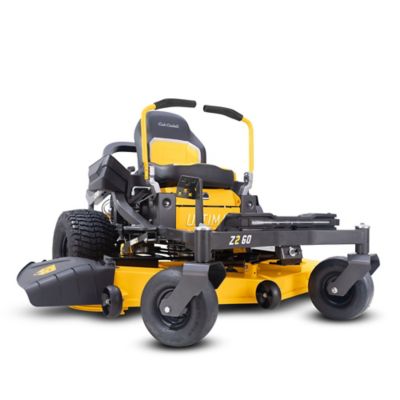
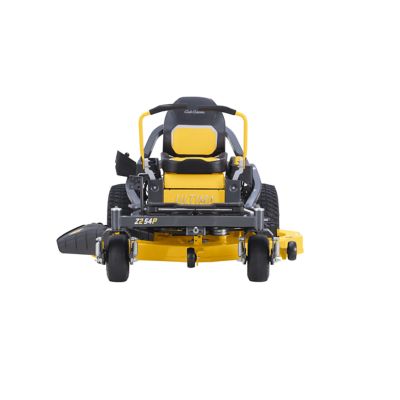
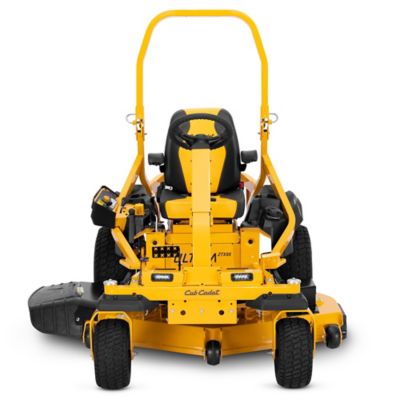
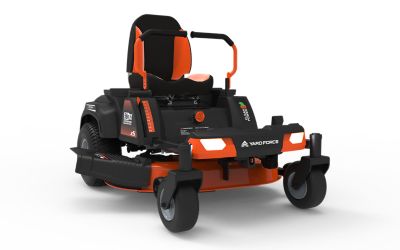
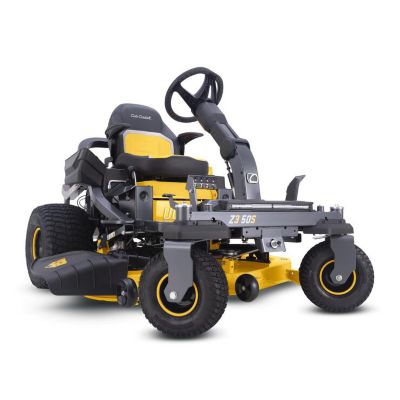
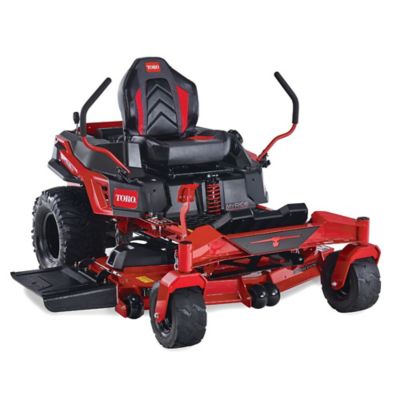
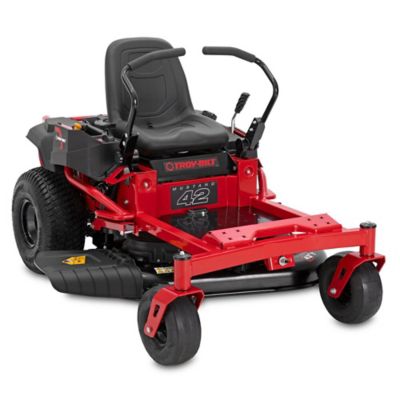
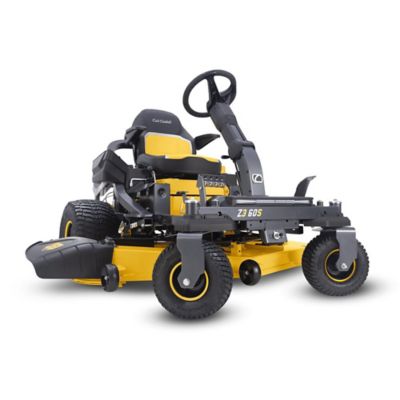
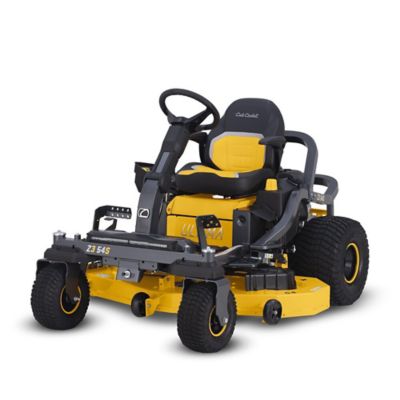
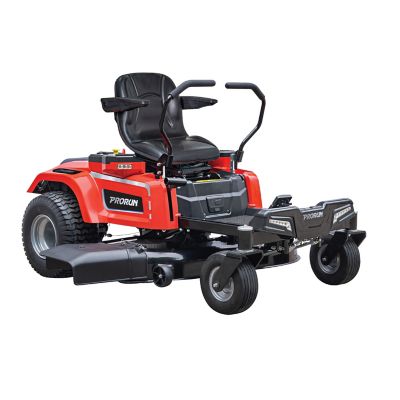
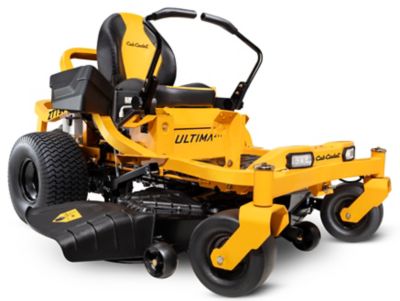
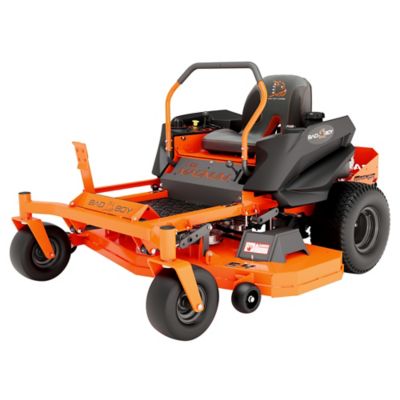
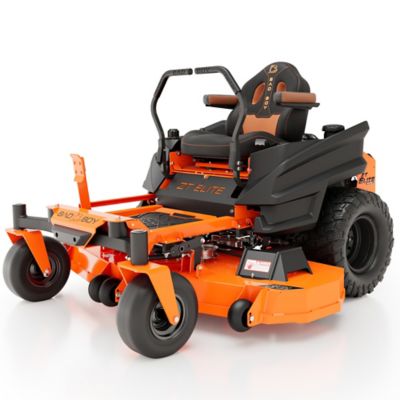
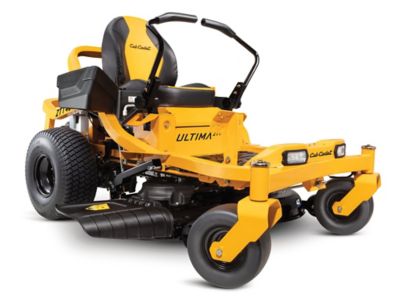
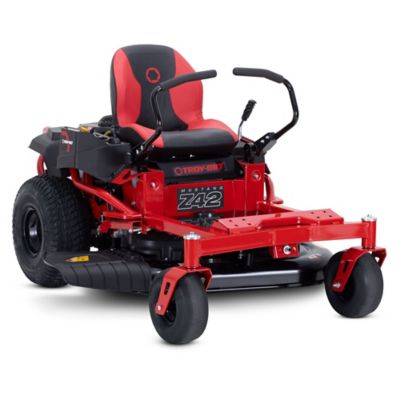
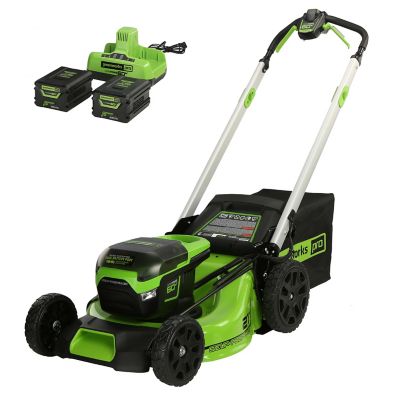
Zero-turn lawn mowers for fast mowing save time by cutting down on wide turns, awkward backing, and extra passes around obstacles. Independently controlled rear wheels let the mower make tight turns and line up for the next strip without the broad loop a conventional lawn tractor often needs. That can make a difference on a property with a long stretch behind the barn, several shade trees, and a fence line that breaks up the mowing pattern. A wider cutting deck can cover more grass with each pass, while responsive steering helps work around beds and other fixed features. The payoff depends on the property, though: acreage, grass height, obstacles, terrain, and the operator’s pace all affect how long the job takes. Maximum travel speed is not the same as an effective mowing speed. Thick grass, tight spaces, and uneven ground call for a slower pace to maintain an even cut and keep the mower under control. For homeowners tending a sizable yard or acreage owners maintaining the grass around a house and outbuildings, the right combination of deck width, maneuverability, and power can mean less time retracing ground already covered. These mowers are intended for maintained turf, rather than clearing brush, saplings, or rough pasture. A broad, mostly open lawn gives a larger deck room to work, while a property divided by gates, garden beds, and narrow passages may benefit more from a compact footprint. Clean overlap between passes matters, too; leaving thin strips standing creates another trip across the yard. Tight turning is most helpful when it supports a steady mowing pattern, not abrupt spins that can scuff the turf. The best fit is a machine that moves comfortably through the whole property, from the open back stretch to the narrower grass beside the shed, without making every obstacle a stop-and-start chore.
Deck construction, operating comfort, and power source all play a part in keeping that pace manageable. Steel cutting decks come in stamped and fabricated designs, with differences in shape, reinforcement, weight, and construction. Rather than judging a deck by its name alone, consider its material thickness, spindle supports, discharge opening, and protection at exposed edges. Anti-scalp wheels help limit deck contact with raised spots, but they cannot make a wide deck follow every dip in a rolling lawn. Cutting-height adjustment is another practical detail, especially where turf thickness and ground contours vary across the property. A deck that fits through the gate also needs room to turn once it gets inside, and the mower’s overall dimensions matter for shed storage and trailer transport. At the operator’s station, seat support, legroom, vibration control, and reachable controls can make a long mowing job less tiring. Lap-bar steering takes some practice for operators moving over from a steering-wheel mower, so control placement and smooth response deserve attention alongside horsepower. Gas-powered zero-turn mowers offer a familiar refueling routine, with engine displacement, fuel capacity, and the drive system contributing to their suitability for longer sessions. Battery-powered zero-turn mowers offer a different approach, with battery capacity, charging time, charger requirements, and access to an appropriate electrical supply shaping the mowing routine. Runtime and acreage estimates depend on conditions such as grass density, cutting height, ground speed, and terrain; they are not promises for every yard. Both power types need enough capacity for the actual workload, rather than just the distance traveled. Discharge, mulching, and collection capabilities also affect the finished lawn and the time spent managing clippings. Compatibility varies, and a collection setup can add width or length that changes how the mower fits around fences and storage spaces. For a property with lengthy mowing sessions, comfort, suitable cutting capacity, and straightforward access for routine service can matter just as much as a higher listed travel speed.
Terrain deserves close attention before choosing any zero-turn mower, especially when the lawn includes banks, ditches, pond edges, or sudden drop-offs. Tight steering does not mean a mower is suited to every slope, and loss of traction can affect both braking and directional control. The
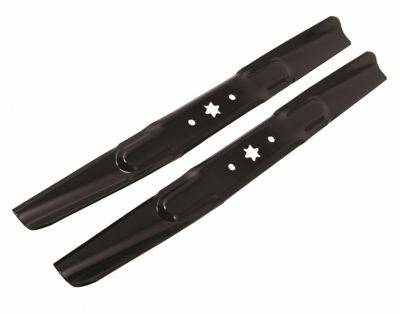
Sloped Terrain Zero Turn Mowers page provides a related selection to consider, but each mower’s operator manual sets its operating limits and slope restrictions. A mower should match the ground it will actually cover, not just the flattest section near the driveway. Roll-over protection and seat-belt requirements also depend on the machine’s configuration and manufacturer instructions; those safety features are not a reason to exceed terrain limits. Around the yard, clearance from people, animals, windows, and vehicles matters because the discharge can throw stones and other debris. Keeping the mowing area clear helps protect both the operator and anything nearby. Routine care supports consistent cutting performance over time, too. Sharp, balanced blades cut more cleanly, while a deck kept clear of packed grass allows clippings to move through as intended. Tire pressure affects deck level and handling, and worn belts or neglected bearings can interrupt a job that should have been straightforward. Gas engines bring oil, filter, and other scheduled service needs; battery systems have their own charging, inspection, and storage requirements. Easy access to service points, clear maintenance intervals, and room to clean around the deck are practical ownership considerations. Any inspection or work beneath the mower calls for the shutdown, power-isolation, and support procedures in the operator manual. With a mower matched to the acreage, access points, terrain, and operator, faster mowing is less about chasing a top-speed number and more about making each pass count. That leaves a neatly cut yard and more room in the day for the next job on the place.