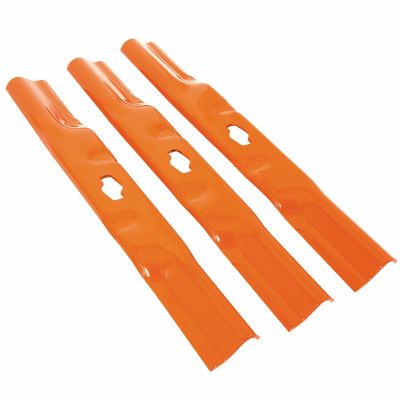
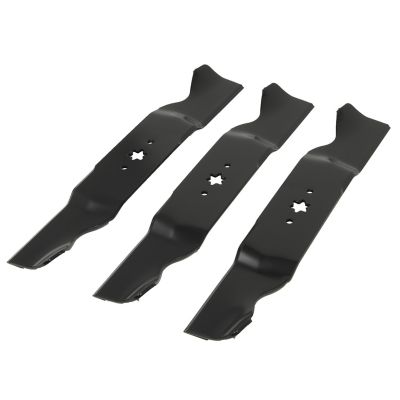
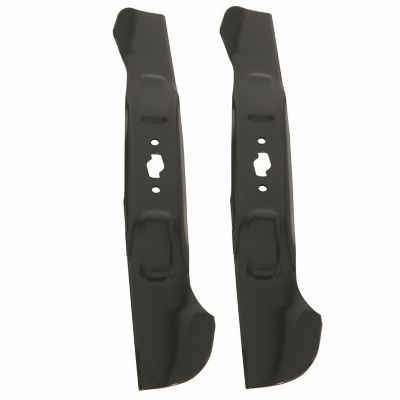
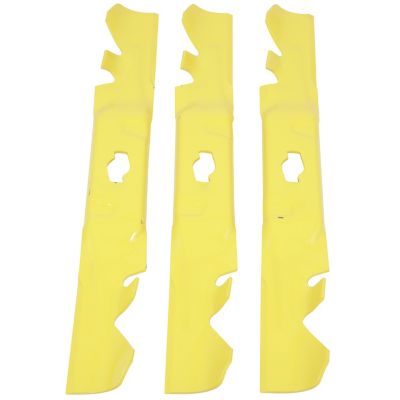
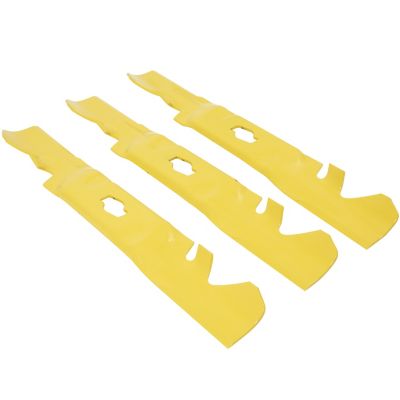
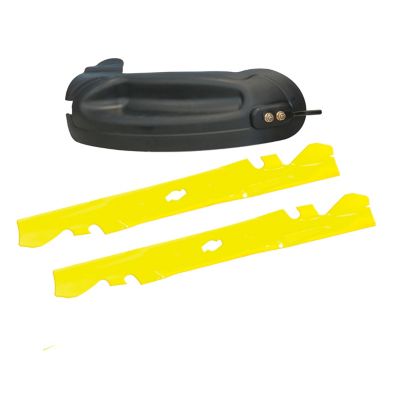
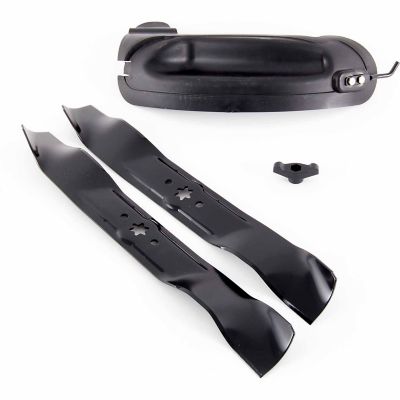
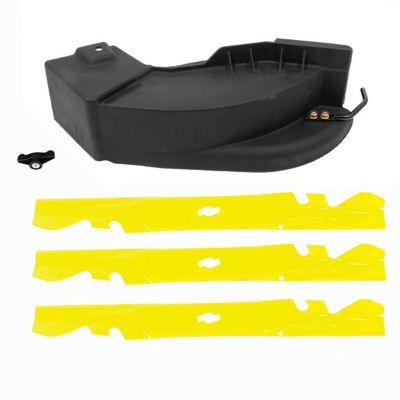
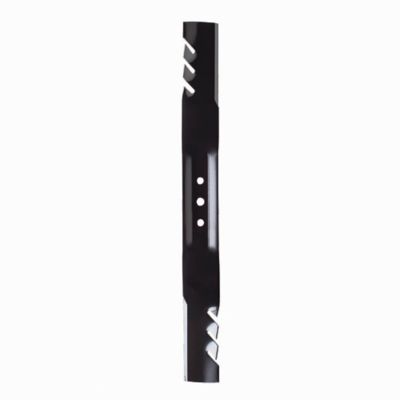
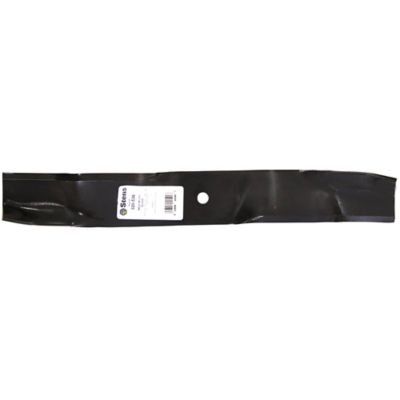
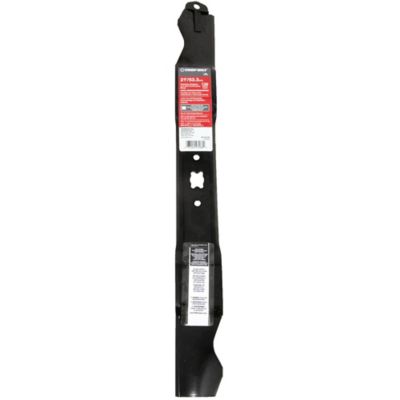
Mower blades for efficient grass cutting need to match the mower, the grass, and the way clippings leave the deck. A blade that works well for bagging may not be the right choice for mulching, and extra lift is not always helpful on a sandy stretch beside the driveway. Standard blades generally support regular cutting and side discharge, with a curved profile that helps move grass through the deck. High-lift blades create stronger airflow to stand grass upright and carry clippings toward a discharge opening or collection system. That added airflow can help with bagging when the mower is designed for it, though it can also stir up more dust and sand on bare patches. Low-lift blades create less upward airflow and may suit lighter cutting or sandy ground when approved for the mower. Mulching blades have cutting edges and curves designed to keep clippings circulating beneath a compatible deck, cutting them into smaller pieces before they settle into the lawn. Some designs include teeth or additional bends to help manage that circulation, but the entire deck setup matters. A mulching blade alone does not turn every mower into a mulching mower; the correct plug, baffles, or other manufacturer-specified equipment may also be necessary. For a yard with thick grass around the house and a more open run along the fence, the right blade setup supports a consistent cut without leaving long trails of clippings. Grass height, density, and mowing pace still affect the result. Even a sharp blade can leave clumps when the deck takes in more grass than it can process. Matching blade style to the intended job gives the mower a better chance to cut cleanly, move clippings properly, and finish the lawn without extra passes to break up piles. For homeowners and property caretakers alike, that means less time circling back over the same ground and a neater finish around gates, garden edges, and the mailbox.
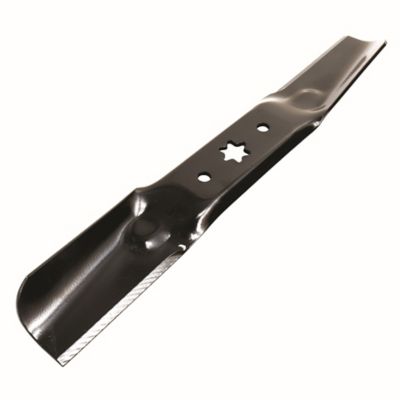
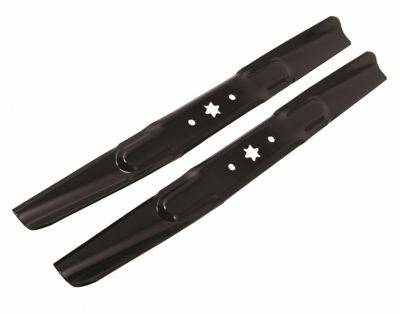
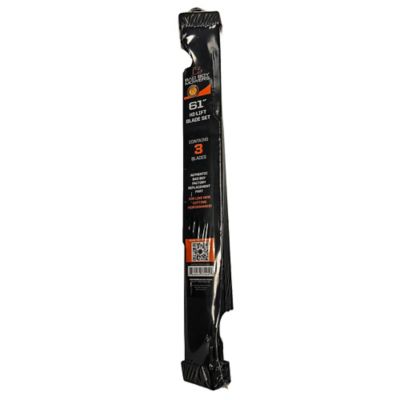
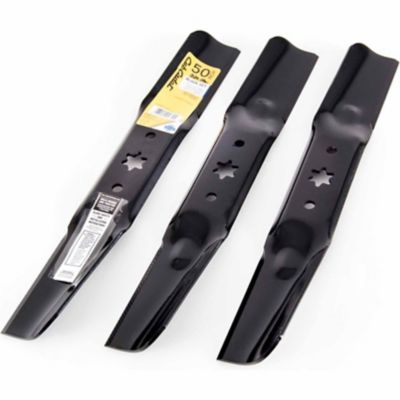
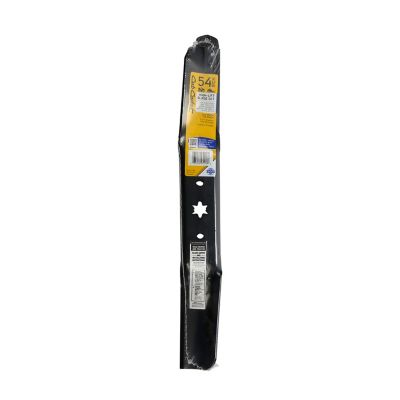
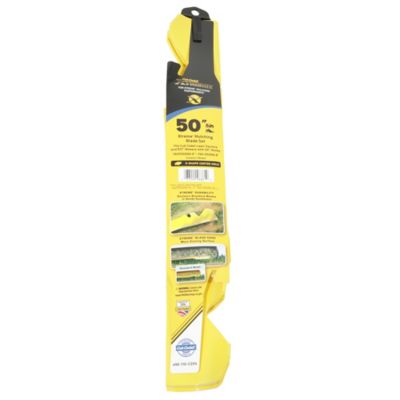
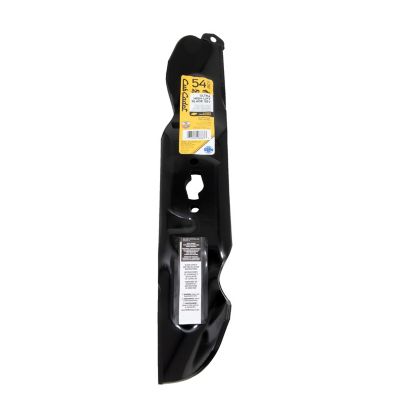
Fit goes well beyond the blade’s overall length. Replacement mower blades must match the manufacturer’s requirements for the mower model and cutting deck, including the center-hole shape, mounting pattern, width, thickness, and blade profile. Two blades can look nearly alike on the bench and still differ where they attach to the spindle. Round, star-shaped, and other mounting openings are not interchangeable, and a blade that seems close enough can create clearance or fastening problems. The mower manual and the specified replacement part number are better references than deck width alone. On a deck with more than one blade, the blade count, individual lengths, and position requirements also matter. Some designs call for particular left, center, or right blades, while others use matching blades across the deck. Steel is a common material for mower blades because it provides the strength needed for repeated cutting at operating speed. Heat treatment helps balance edge retention with toughness, although no blade is meant to take repeated hits from rocks, wire, or exposed roots. Blade thickness and weight belong within the mower’s specifications rather than serving as shortcuts to a stronger setup. A heavier blade can place different demands on the spindle and drive system, while the wrong offset can interfere with deck clearance. Protective finishes may help limit surface corrosion during handling and storage, but the working edge still needs attention as it wears. For a small walk-behind mower trimming around a farmhouse, fit is just as important as it is on a riding mower covering a broad yard. Uneven ground adds another consideration: the correct blade cannot prevent scalping if the deck rides too low over a rise. Proper deck adjustment, suitable cutting height, and clearance around obstacles work alongside blade selection. Keeping those factors together helps protect both the turf and the mower while keeping the cut more even from one end of the property to the other.
Sharp Lawn Mower Blades help slice grass cleanly instead of leaving ragged, torn tips that can make a freshly mowed yard look rough. Edge condition matters even when the mower starts easily and the engine sounds fine. Frayed grass ends, missed strips, and an increasingly uneven finish can point to blade wear, though deck buildup, incorrect leveling, and other mower issues can cause similar trouble. Regular inspection makes it easier to spot a nicked edge, thinning metal, a damaged mounting hole, or a bend before the next mowing job. A blade with cracks, significant bending, or excessive wear belongs out of service; sharpening cannot restore its structural strength. Blades suitable for sharpening need the correct cutting angle and proper balance, not simply the sharpest edge possible. Taking off too much metal or grinding one end more heavily than the other can affect balance and contribute to vibration. Manufacturer guidance or a mower service professional can help determine when sharpening makes sense and when replacement is the better route. Any inspection or blade work calls for the mower to be shut down and secured against accidental starting according to its manual, including the appropriate spark plug, battery, or other power-source precautions. Gloves help with handling sharp edges, and mounting hardware needs the specified tightening torque when a blade goes back on. Cleaning away packed clippings according to the mower’s care instructions also helps preserve deck airflow, so the blade can do its job without fighting a clogged cutting chamber. Clean, dry storage helps limit corrosion on spare blades between jobs. For folks keeping a house lot tidy, maintaining rental grounds, or mowing open stretches around sheds and fence lines, a properly matched, well-kept blade is a practical part of getting the work done. It supports a clean finish, steady clipping movement, and fewer interruptions caused by neglected wear or the wrong fit.