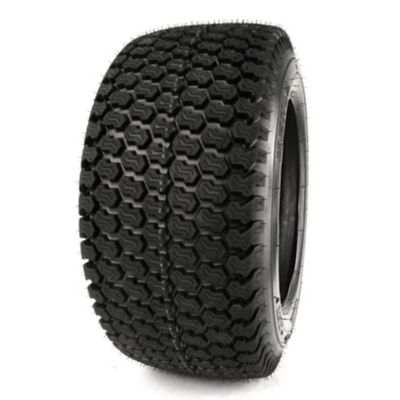
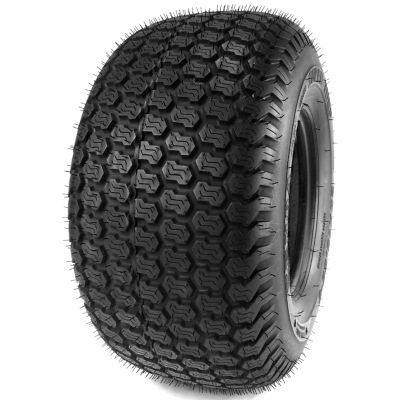
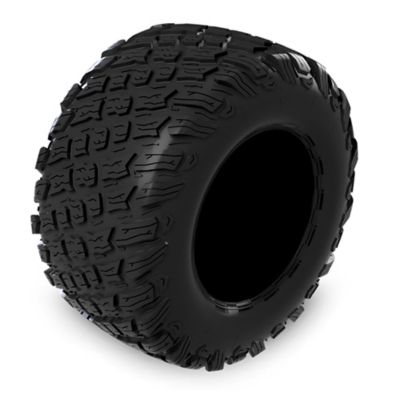
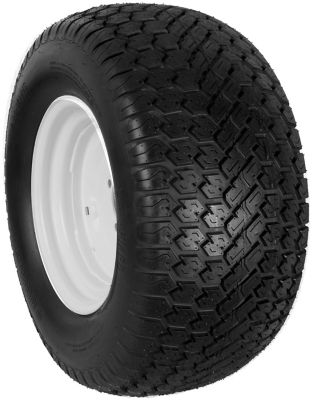
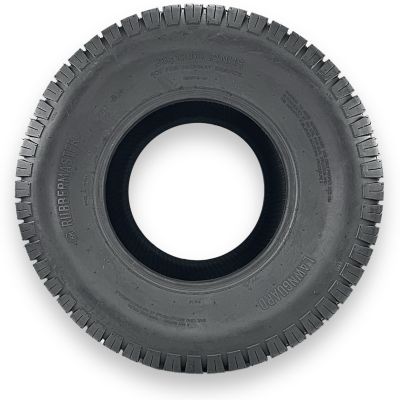
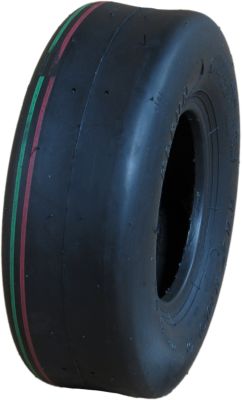
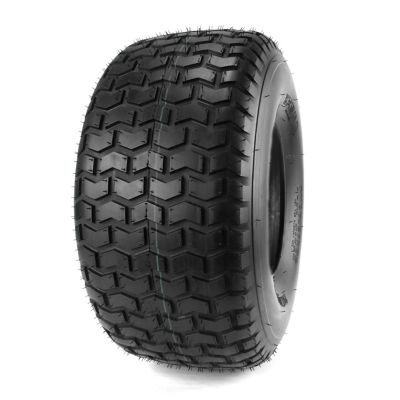
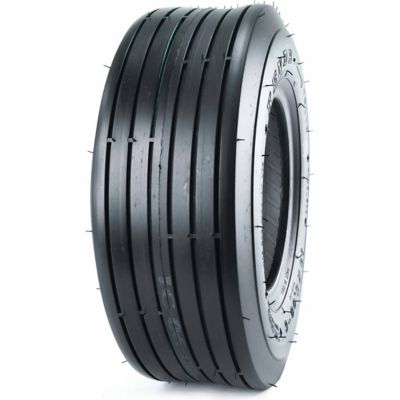
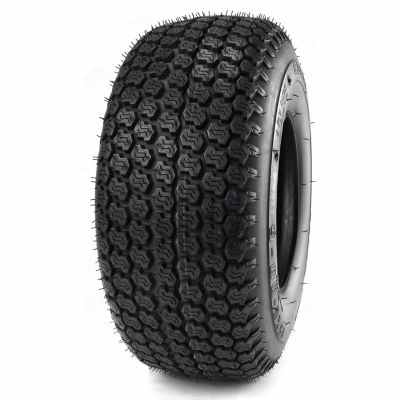
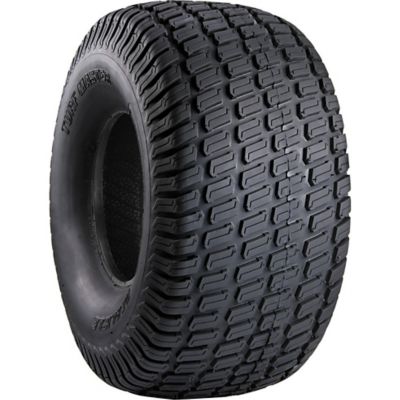
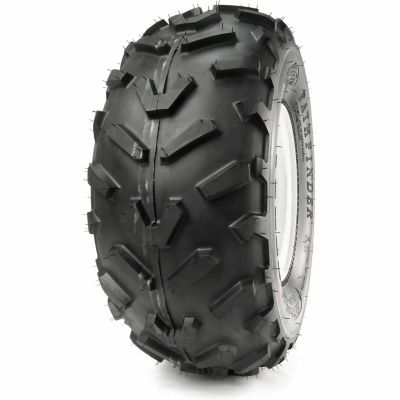
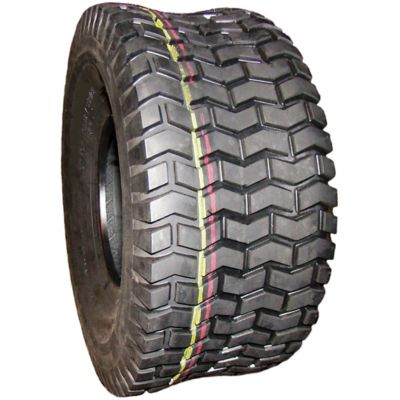
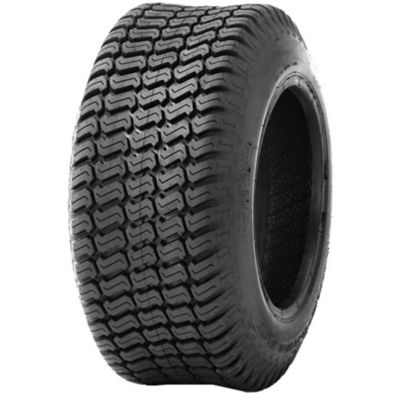
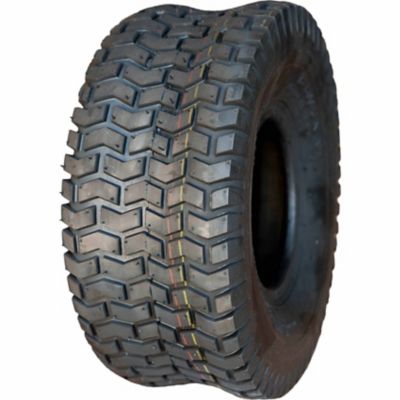
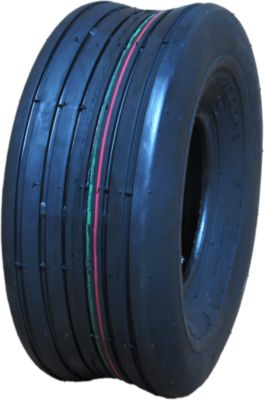
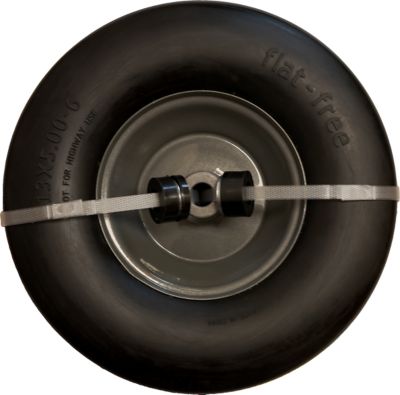
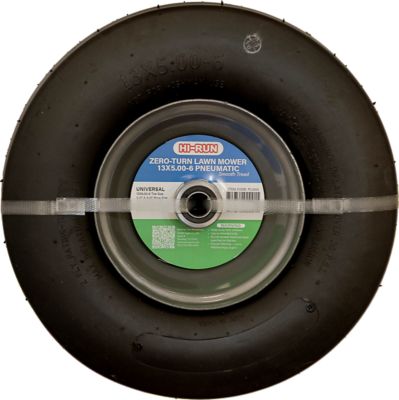
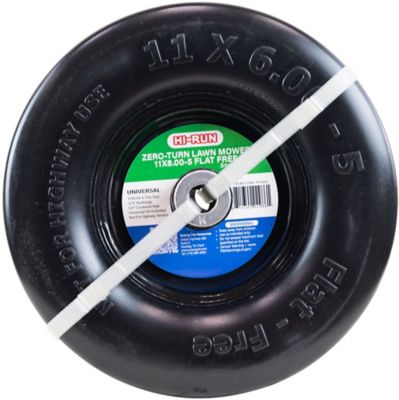
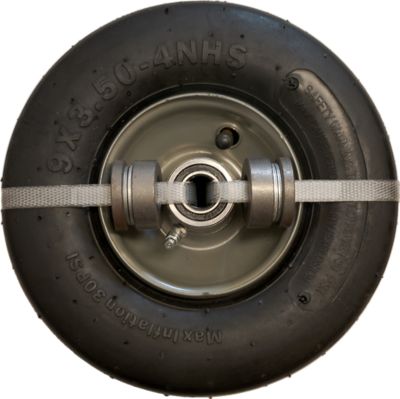
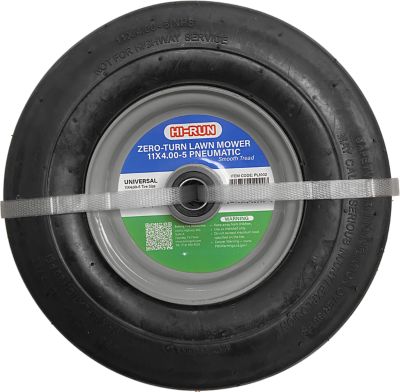
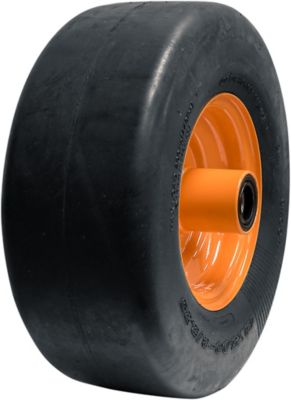
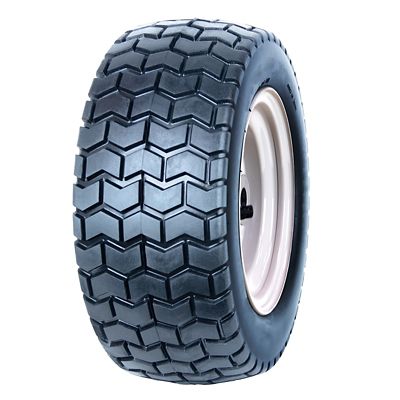
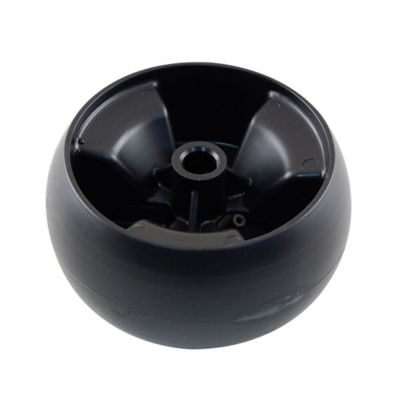
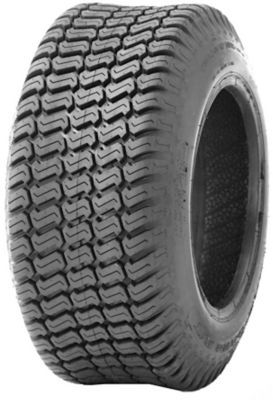
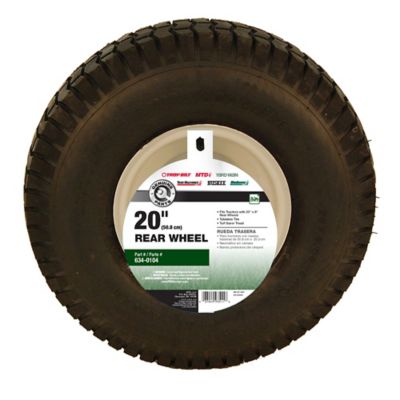
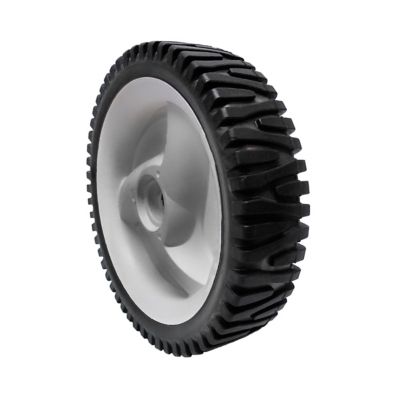
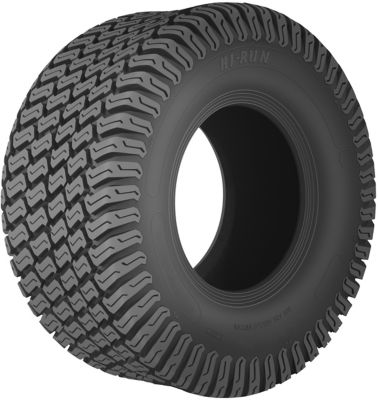
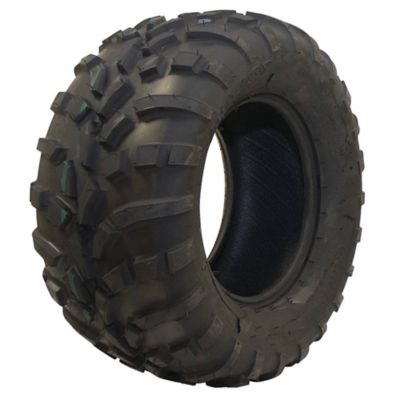
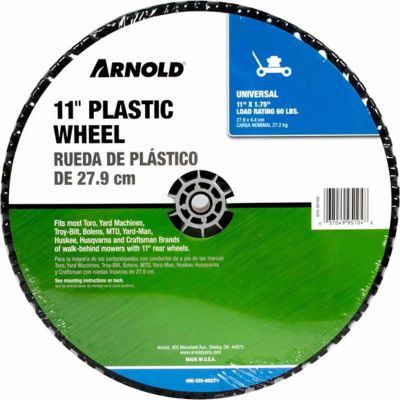
Zero turn mower tires play a big part in how a mower handles grass, turns on a dime, and holds its line across a yard or acreage. The setup usually includes smaller front caster wheels and larger rear drive tires, with each tire serving a different job. Front casters help the mower pivot through tight turns, so a smooth turf tread can help limit scuffing and torn grass when maneuvering around trees, fence posts, garden beds, and sheds. Rear tires handle propulsion, weight, and traction, especially when crossing damp ground, uneven stretches, or gentle slopes. Their tread may include deeper lugs or a multi-track pattern to help the mower keep moving without spinning as easily. Whether you care for a few acres, mow around farm buildings, maintain a large home lot, or keep a commercial property looking tidy, replacing worn or damaged tires can make the mower feel steadier beneath you. During the cooler months, wet leaves, soft soil, and changing ground conditions can make traction more important, while front wheels that roll smoothly can help protect turf when the ground is firm. For more options suited to lawn and property equipment, browse
Tractor Turf Tires.
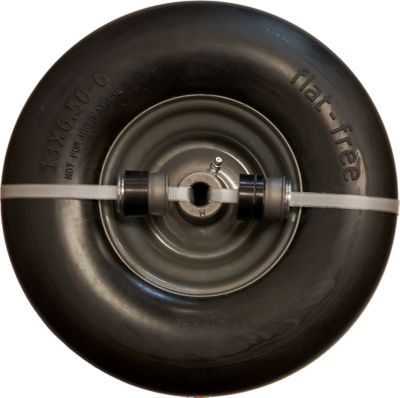
Before choosing zero turn mower tires, start with the size printed on the sidewall of the tire currently mounted on the mower. Tire size codes often include the width, overall diameter, and rim size, and matching those measurements helps maintain the mower’s stance, steering response, and clearance around the deck and frame. Front caster assemblies call for a little extra attention because the wheel must fit the axle correctly. Check the axle diameter, which is often 3/4 inch on many mower setups, along with the hub length and the distance between the bearings or bushings. A complete flat-free front assembly may save installation time when the wheel and rim are already matched, while a replacement tire alone may make sense when the existing wheel and hardware are still in good shape. Pneumatic tires can provide a cushioned ride and allow air pressure adjustments for changing ground conditions, but they need regular inspection for punctures, slow leaks, and low pressure. Flat-free polyurethane options do not require air and can be handy around thorny fence lines, brush, gravel drives, and areas where sharp debris tends to collect. Keep in mind that front and rear positions are not interchangeable simply because the rims look similar. Rear drive tires must match the mower’s rim, load demands, and clearance, while front caster tires need to work with the steering assembly and maintain proper ground contact.
Think about the work your mower handles from one stretch of the property to the next. A homeowner cutting open lawn may favor a turf-friendly tread that leaves a clean finish, while someone mowing around livestock areas, slopes, or rough ground may place more emphasis on rear traction and sidewall support. If the mower carries a grass catcher, tow-behind attachment, or other equipment, check the tire’s load rating and make sure the replacement fits the mower manufacturer’s requirements. Tread condition matters, too. Rounded shoulders, cracks between the tread blocks, exposed cords, repeated air loss, or a mower that pulls to one side can all point to a tire or wheel concern. Before installation, compare the new tire with the old one, inspect the rim for bends or rust, and make sure the valve stem, bearings, spacers, and hardware are in good working order. Inflate air-filled tires to the pressure listed by the mower maker rather than guessing by appearance; too much or too little air can change handling and leave uneven marks in the lawn. After mounting, check that the wheel spins freely and does not rub the deck, frame, or steering linkage. A set of replacement zero turn mower tires can also make a practical gift for a parent, neighbor, groundskeeper, or rural property owner who spends long afternoons keeping grass trimmed. The right fit helps turn mowing from a rough, bumpy chore into a smoother pass along the lane, around the barn, or across the back field.