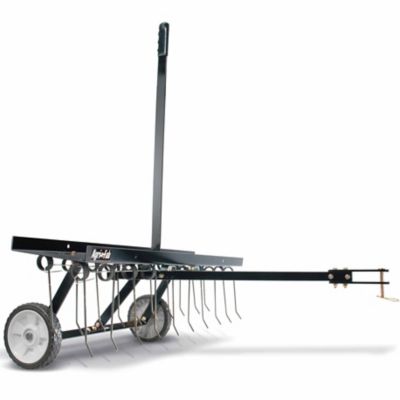
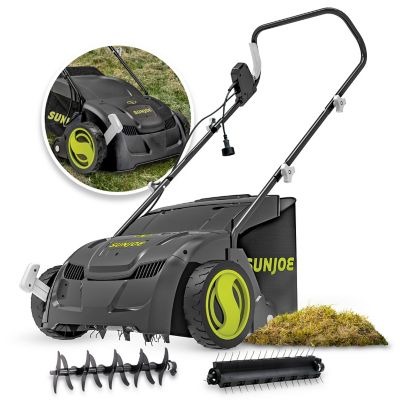
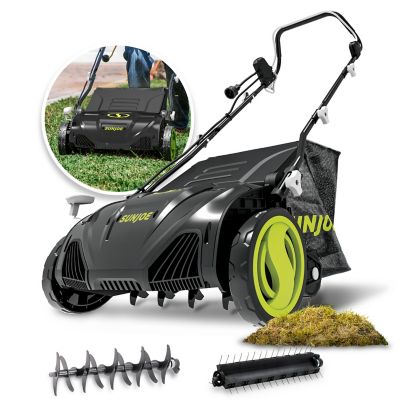
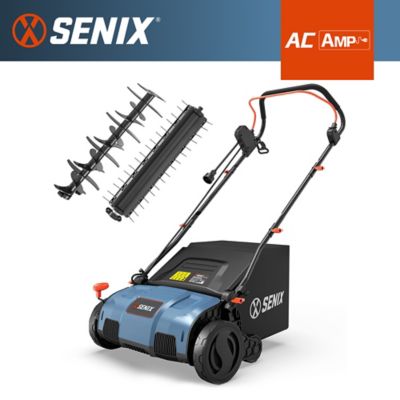
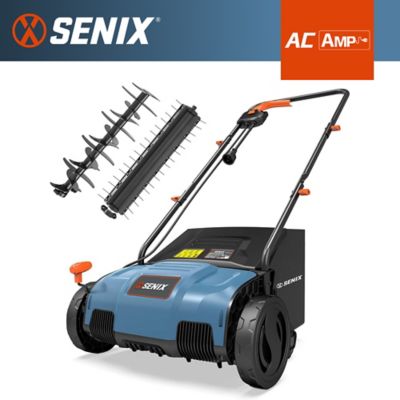
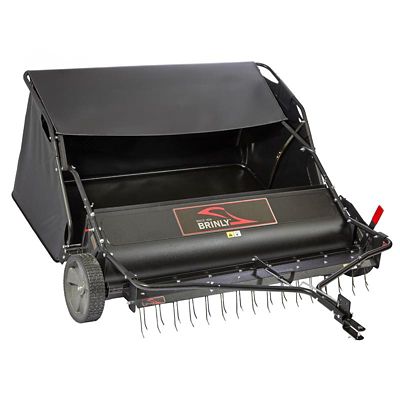
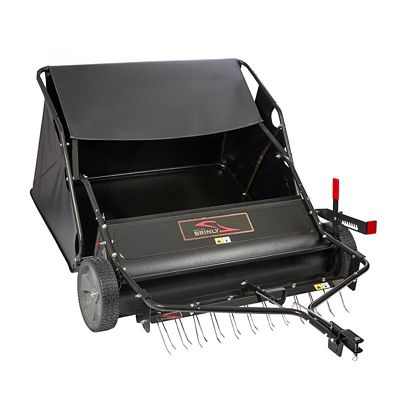
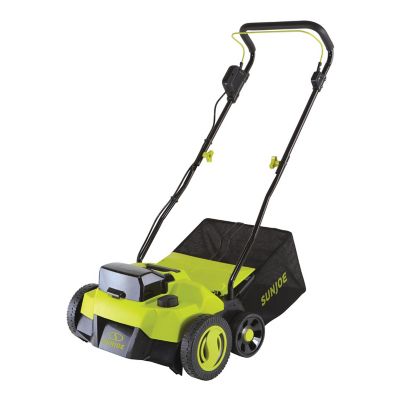
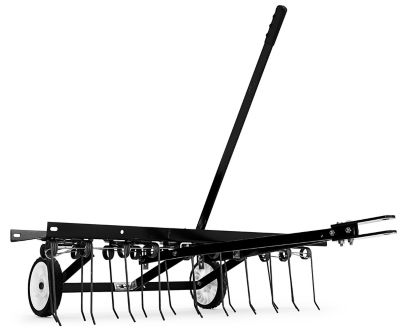
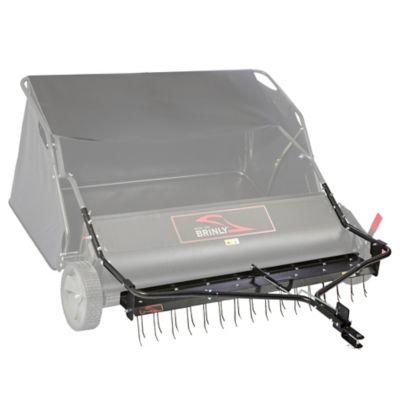
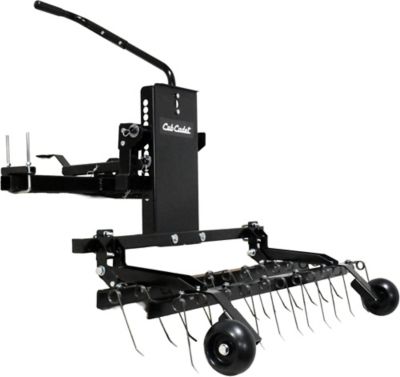
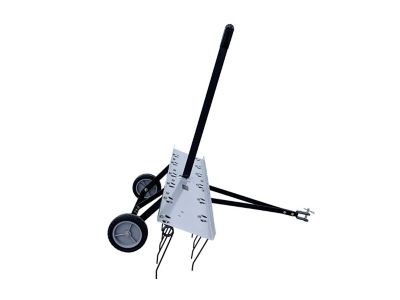
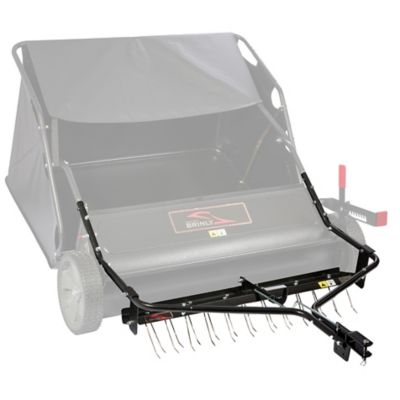
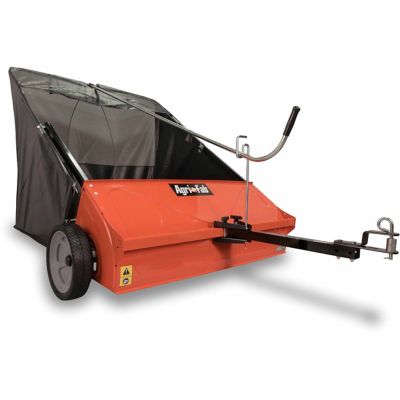
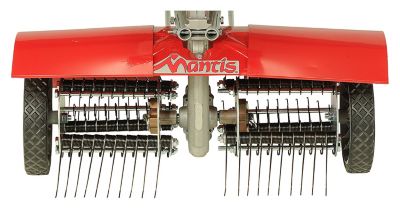
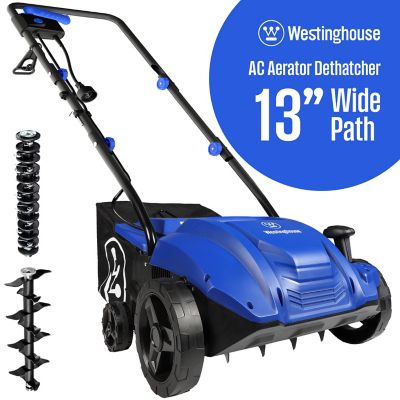
When it comes to giving your lawn a fresh start, especially after a tough season or during those stretches when grass just seems tired and patchy, a dethatcher can make all the difference. Folks who care for their yards—whether you’re tending a big country plot, a cozy backyard, or helping out a neighbor—know that thick layers of thatch can choke out healthy grass. Thatch is that stubborn mat of dead grass, roots, and other debris that builds up right at soil level. Over time, it acts like a barrier, keeping water, air, and nutrients from getting down to the roots where they’re needed most. If you’ve ever tried to overseed or fertilize without dealing with thatch first, you probably noticed the results just don’t measure up. That’s why dethatching is a must-do step for anyone serious about lawn renovation, whether you’re prepping for new seed, patching up bare spots, or just wanting to see greener, thicker grass as the weather shifts from hot to cool or vice versa.
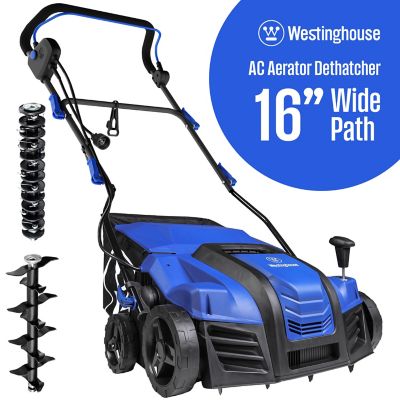
Choosing the right dethatcher depends on your yard and your needs. Electric and battery-powered models are lightweight and easy to maneuver, making them a solid pick for small to medium yards or for folks who want something simple to handle without much fuss. If you’re working with a bigger property or the lawn’s been neglected for a while, you might want to look at heavier-duty options—sometimes renting a gas-powered dethatcher or power rake is the way to go for those tough jobs. Before you get started, it’s a good idea to mow your grass a little shorter than usual to help the dethatcher reach deep into the thatch. Clearing away sticks, rocks, and marking any sprinkler heads will save you trouble, too. Once you’ve run the dethatcher across the lawn—sometimes it helps to make a second pass at a different angle—you’ll be amazed at all the debris it pulls up. Raking or vacuuming up that loosened thatch is a satisfying job, and it sets the stage for overseeding, fertilizing, or just letting the grass breathe and soak up what it needs. This kind of project is perfect for homeowners, property managers, and even makes a practical gift for anyone who takes pride in their yard—think of it as the kind of tool that keeps on giving, season after season.
No matter if you’re sprucing up for fall color, prepping for spring green-up, or just want to keep things looking sharp all year, a dethatcher is a smart investment for healthy, good-looking grass. For more tips on choosing and using dethatchers to get the best results, take a look at our
Lawn Dethatcher For Healthy Grass Growth guide. It’s packed with practical advice and pointers to help you get the job done right, whether you’re a seasoned pro or just getting started on your lawn care journey.