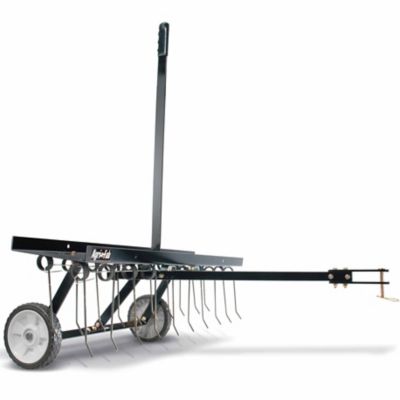
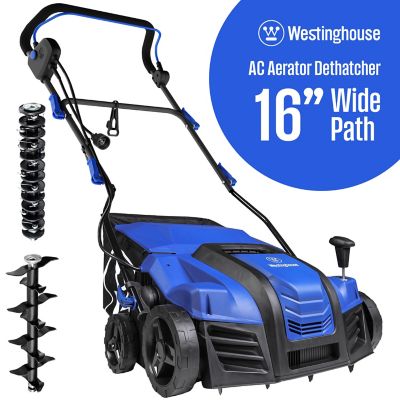
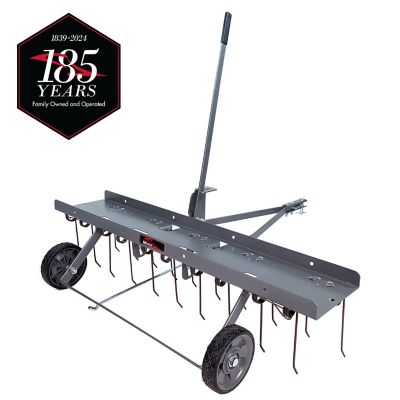
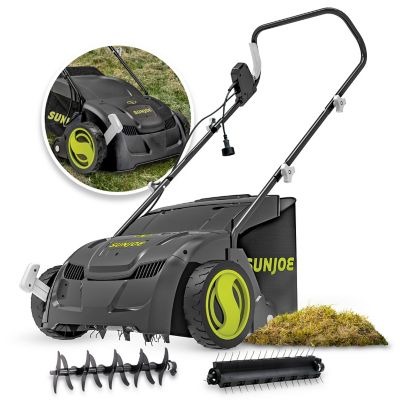
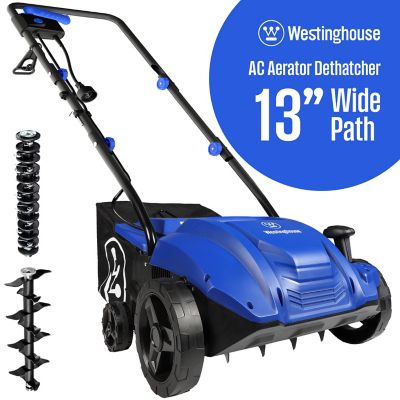
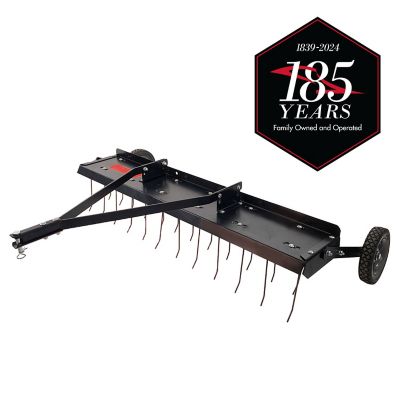
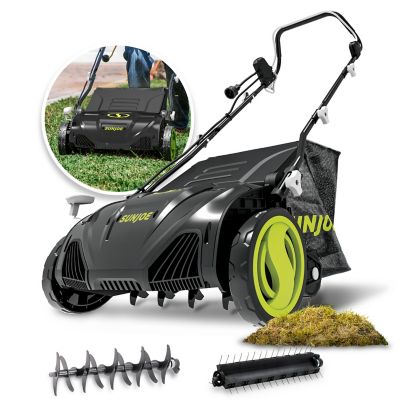
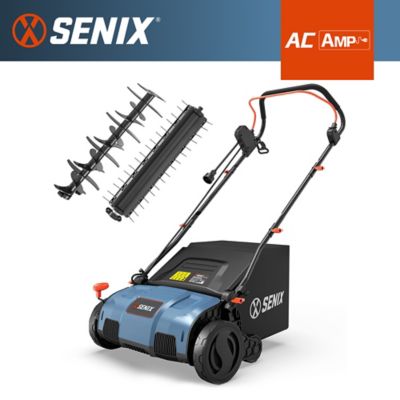
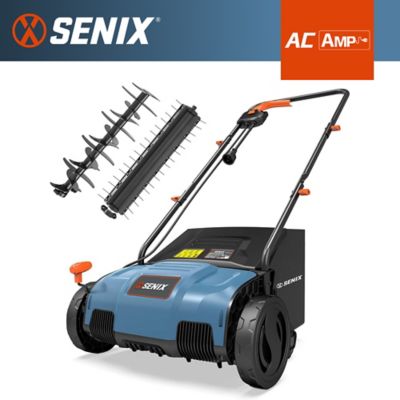
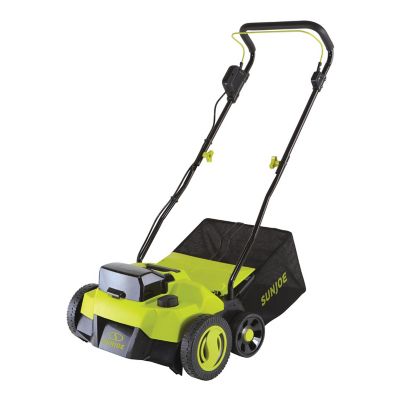
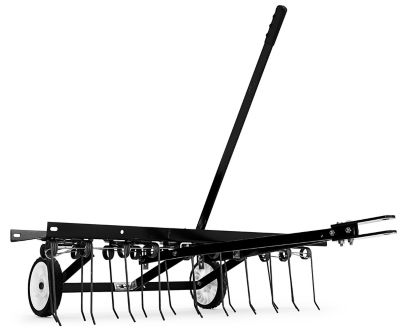
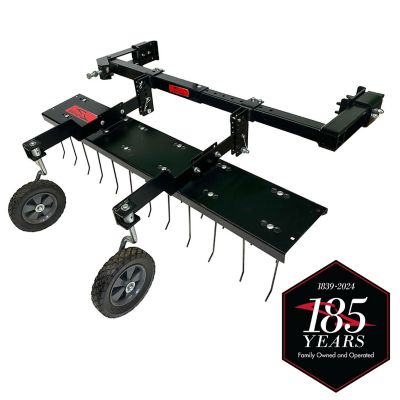
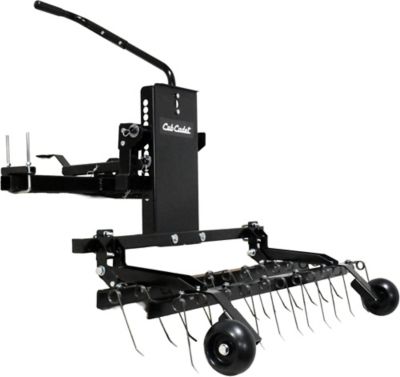
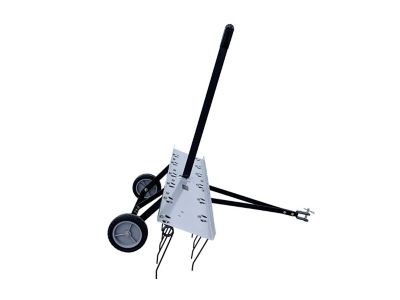
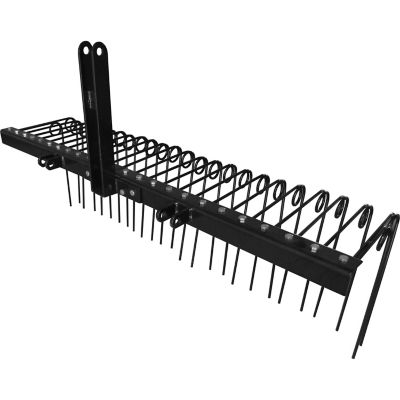
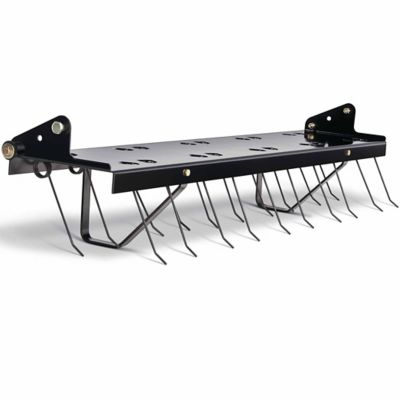
When it comes to keeping your yard or pasture looking its best, a dethatcher can make all the difference, especially as the seasons shift and you’re looking to tidy up after a long stretch of growth or leaf drop. Dethatchers are built to pull up that stubborn layer of dead grass, roots, and debris—what folks call “thatch”—that can choke out healthy grass and keep water, fertilizer, and air from getting down into the soil. Whether you’re working a small patch of lawn by the house, a larger stretch around the barn, or acres out back, there’s a dethatcher to fit the job. Some folks prefer the simple approach with a manual dethatching rake for spot treatments or tight corners, relying on a little elbow grease and the satisfaction of seeing those matted clumps come up with each pass. Others lean toward electric walk-behind models, which are handy for quick, even coverage on small to medium lawns and don’t require much fuss to set up or use. For those with bigger properties, a tow-behind dethatcher that hooks up to a riding mower or ATV can clear wide swaths in just a few passes, saving you time and effort when there’s a lot of ground to cover.
Choosing the right dethatcher means thinking about more than just the size of your land. It’s also about how you like to work and what kind of maintenance you’re willing to take on. Corded electric models are straightforward and good for folks who don’t want to mess with batteries or gas, while cordless units offer freedom to roam without worrying about extension cords. Manual dethatchers are great for folks who enjoy a bit of hands-on yard work or need something that’s easy to store and quick to grab for small jobs. If you’re shopping for a gift, a quality dethatcher can be a thoughtful pick for anyone who takes pride in their land—maybe a neighbor who’s always out tending their lawn, or a family member who just bought their first home in the country. No matter the style, most dethatchers come with adjustable height settings so you can dial in just how aggressively you want to pull up thatch without tearing up healthy grass. Before using one, it’s smart to mow the grass a bit shorter than usual and clear off any big sticks or stones, so you don’t run into trouble mid-job. And don’t forget to check how thick that thatch layer is—most experts say it’s best to dethatch when it’s thicker than half an inch, striking a balance between cleanup and keeping your lawn healthy.
Dethatching isn’t just about looks; it’s about giving your grass the best chance to thrive through the changing seasons. A good cleanup helps prevent disease, improves water absorption, and makes it easier for new seed to take hold if you’re planning to overseed before the colder weather sets in. If you’re not sure which dethatcher will fit your needs, or you want something with adjustable features for different parts of your property, take a look at the
Adjustable Dethatcher For Lawn Care page for more options and ideas. With the right tool, you’ll spend less time wrestling with dead grass and more time enjoying a healthy, good-looking yard—whether you’re gearing up for fall gatherings, prepping for winter, or just keeping things tidy as the weather cools down.