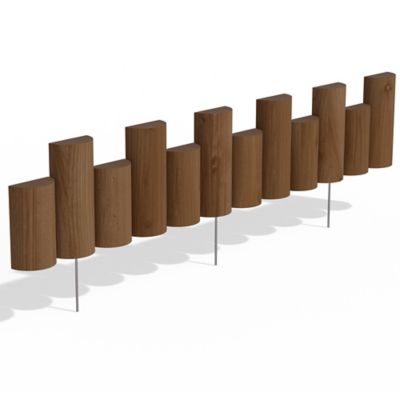
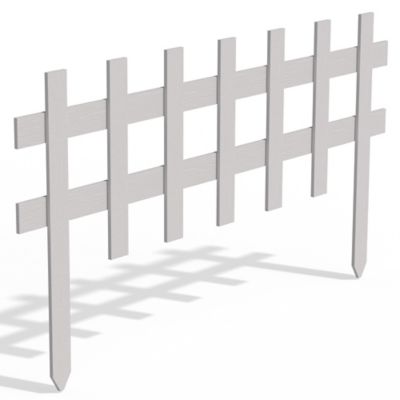
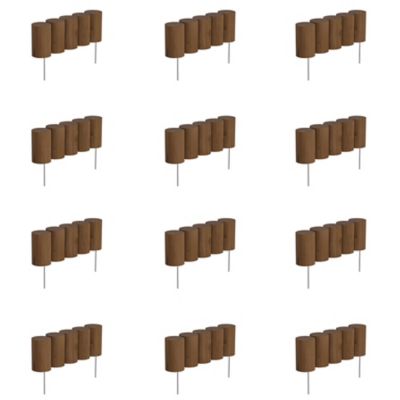
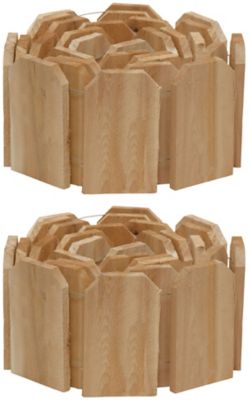
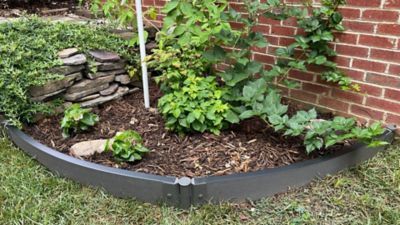
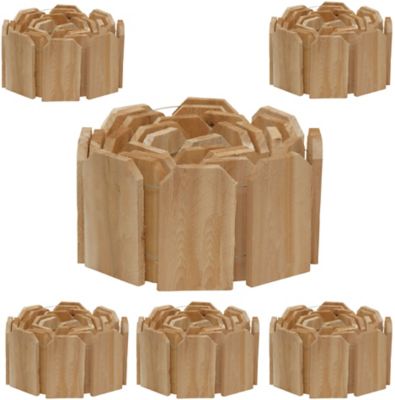
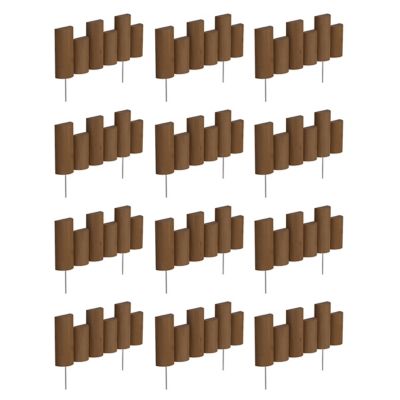
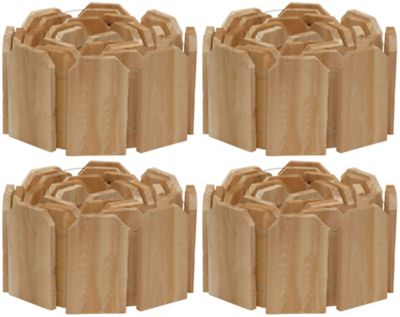
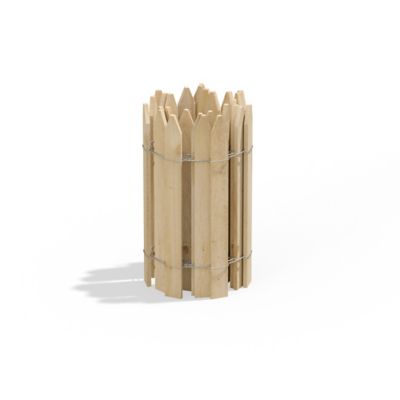
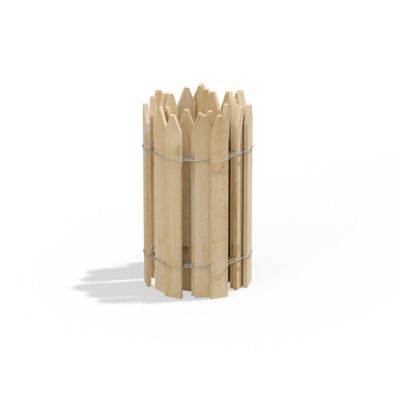
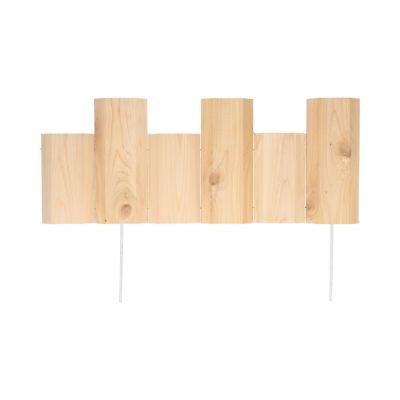
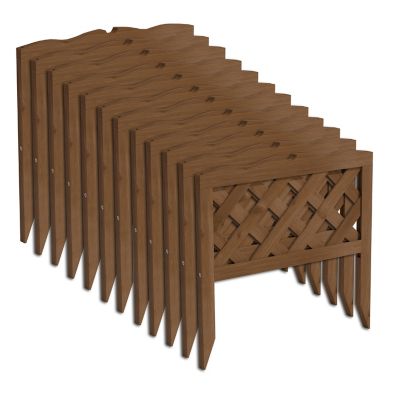
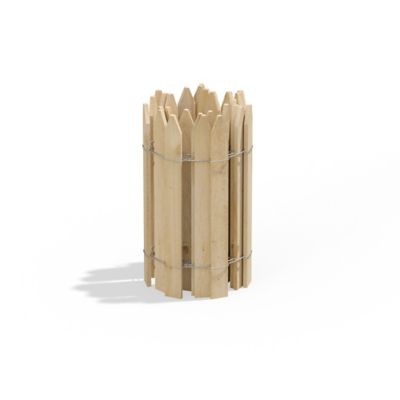
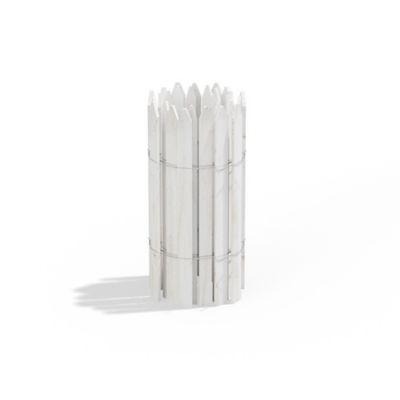
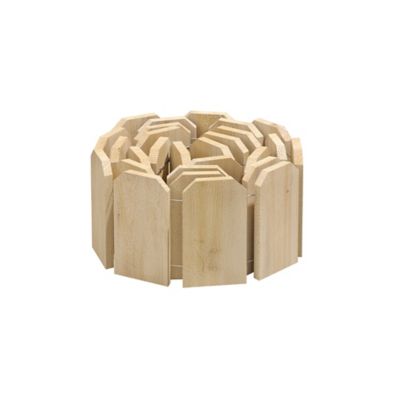
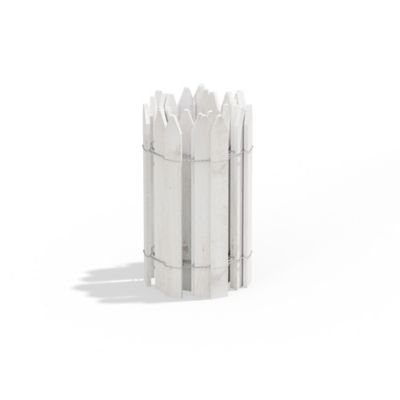
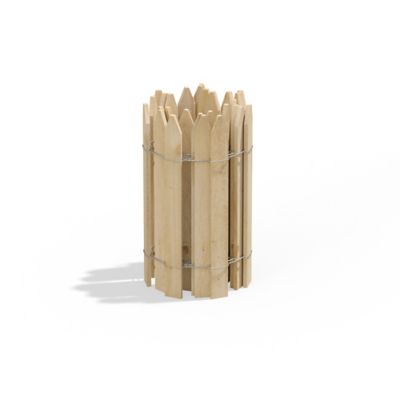
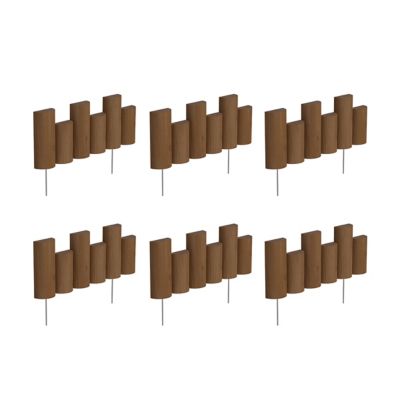
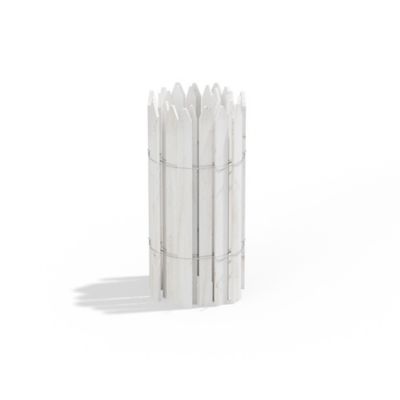
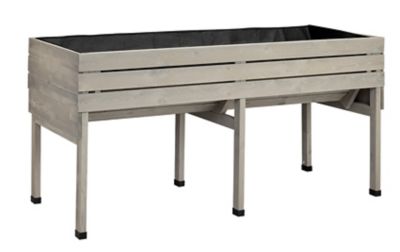
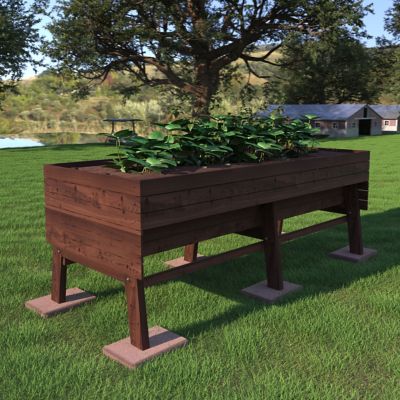
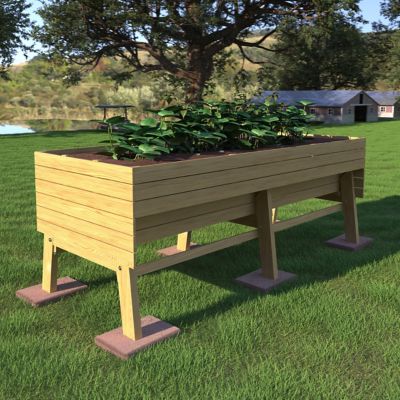
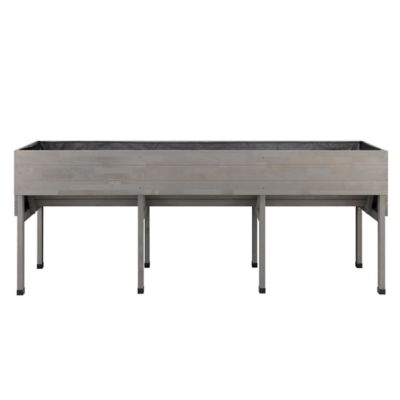
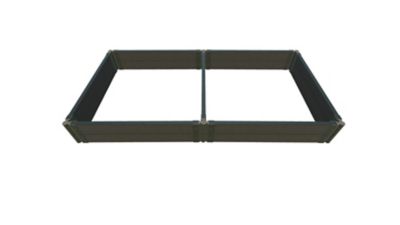
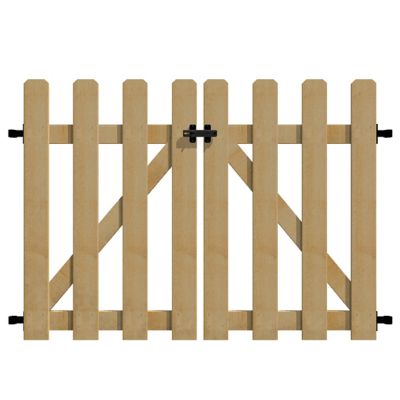
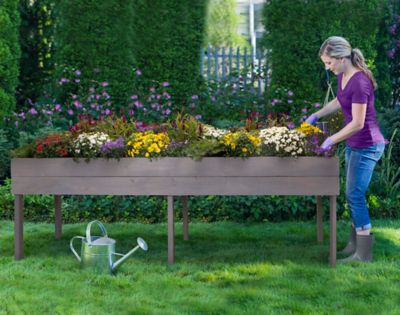
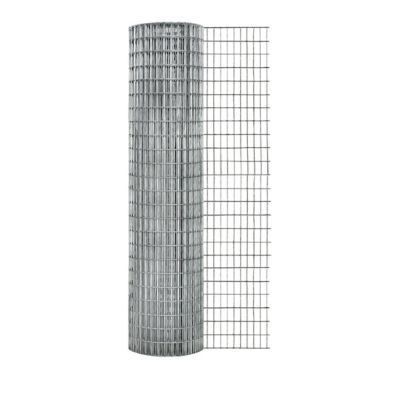
Wooden garden borders bring a warm, down-to-earth look to outdoor spaces while giving beds, pathways, and planting areas a clean finished edge. The natural grain fits right in around flower beds, vegetable patches, herb gardens, shrubs, and small trees, whether the yard has a tidy country look or a more relaxed, cottage-style feel. Use them to separate lawn from mulch, keep gravel from wandering into planting areas, or outline a winding path that looks like it has always belonged there. A wooden border can also help define a new garden while plants are getting established, making the whole space look more intentional even when seedlings are still small. During the cooler months, borders continue to add structure after flowers fade and leaves drop, giving the landscape a little shape when the garden is taking its seasonal rest. They are a handy choice for homeowners, renters with permission to improve their outdoor space, community garden members, and anyone who enjoys making a yard feel more cared for without taking on a major construction project. Gardeners often appreciate how a simple wood edge can pull several parts of a property together: a row along the driveway, a neat line around a mailbox bed, or a low boundary beside the porch can make everyday outdoor chores feel more organized. For more ideas in the same category, browse
Garden Border Fences to compare styles that can help frame larger areas or add a little extra definition around the yard.
When choosing wooden garden borders, start with the shape and job you have in mind. Straight sections are useful for square beds, raised planting areas, and clean lines along walkways, while flexible or segmented designs can follow gentle curves around a tree or flower bed. Measure the area before shopping, and allow a little extra length for overlaps, corners, or a border that needs to be repositioned once it is laid out. Height matters, too. A low border keeps mulch, soil, and decorative stone in place without taking attention away from the plants. A taller edge creates a stronger visual boundary and may be a better fit beside a path, patio, or lawn that needs a clear separation. Look for sturdy construction, even spacing, and stakes or connecting pieces that suit the soil where the border will be installed. Soft ground is generally easier to work with, while hard-packed soil, gravel, or ground with heavy roots may call for pre loosening the area before placement. It also helps to think about moisture. A border set beside a downspout, irrigation line, or frequently watered bed will see more damp conditions than one along a dry path, so a wood type and finish suited to outdoor use can make a real difference. Keep the border from sitting in standing water when possible, and avoid burying more of the wood than needed for a secure hold. A quick check for splinters, cracked sections, and loose stakes before installation can save some trouble later, especially in a busy family yard or around pets.
Wooden garden borders are useful well beyond a single planting season. In a vegetable garden, they can mark the edge of rows and help keep foot traffic out of freshly worked soil. Around ornamental beds, they give mulch a defined place to stay and make trimming along the lawn less of a chore. They can also be used around a small compost area, a children’s garden, or a collection of potted plants arranged along a porch or shed. Gardeners who enjoy changing their layouts may like borders that are easy to move, while those building a permanent landscape may prefer heavier sections that stay put through rain, wind, and daily use. During early fall and the cooler stretch that follows, wooden edging is especially helpful for tidying beds after summer growth, holding fresh mulch in place, and giving spring bulbs or dormant perennials a visible home. As the weather warms again, the same border can guide new planting and make it easier to see where grass or weeds need attention. These products also make thoughtful gifts for a neighbor who takes pride in the yard, a first-time homeowner, a parent helping a child start a garden, or a seasoned gardener who is always finding another corner to improve. Pairing a border with gloves, hand tools, soil amendments, or seeds can turn it into a practical garden gift without making it feel fussy. Before bringing one home, consider the overall look of nearby fencing, planters, and outdoor furniture, along with the amount of upkeep you are willing to provide. Natural wood may weather into a soft, silvery tone over time, while finished wood can keep a more uniform appearance with proper care. Whichever look fits your space, a well-placed wooden garden border adds a little order, a little character, and a sturdy finishing touch to the places where you grow, gather, and enjoy the outdoors.