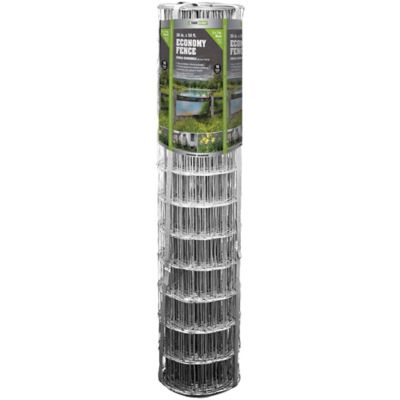
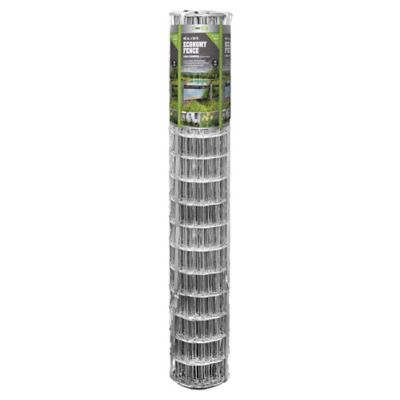
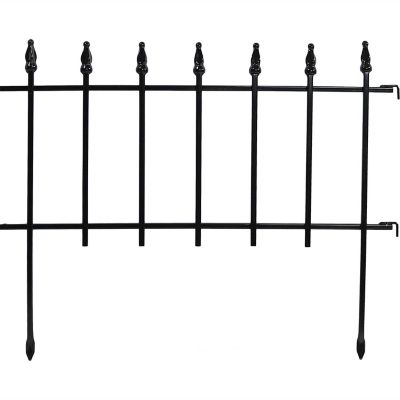
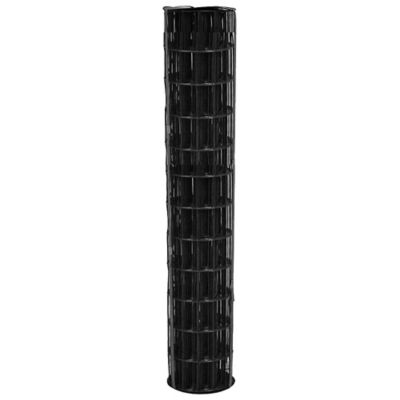
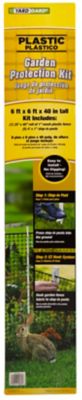
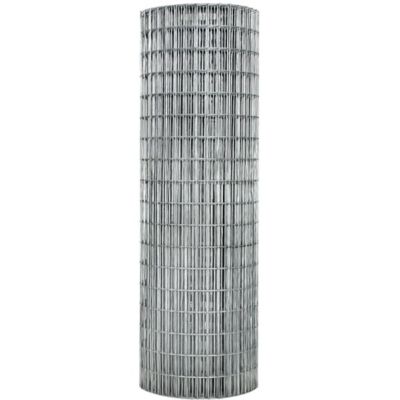
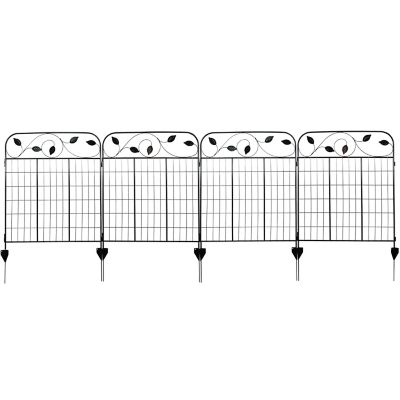
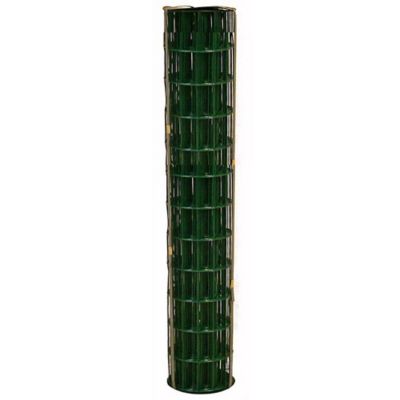
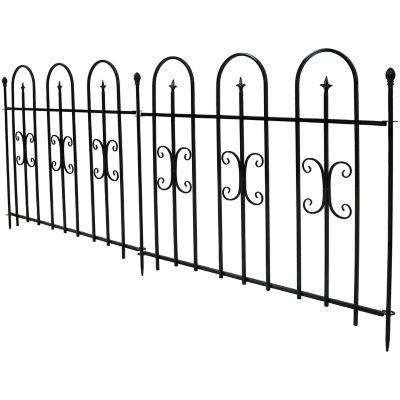
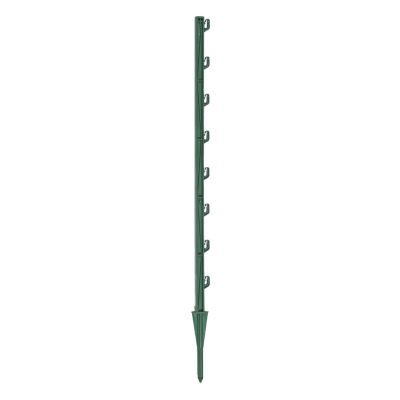
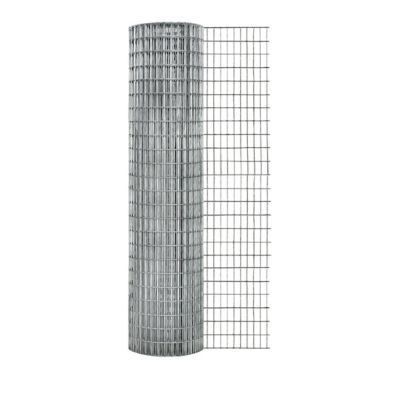
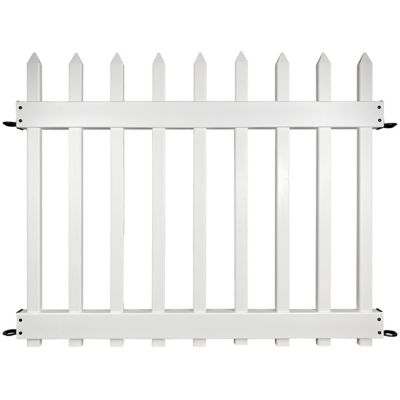
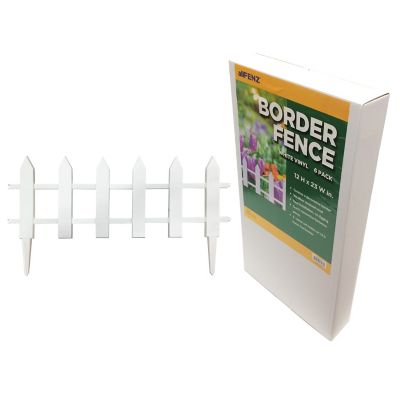
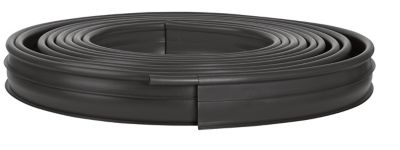
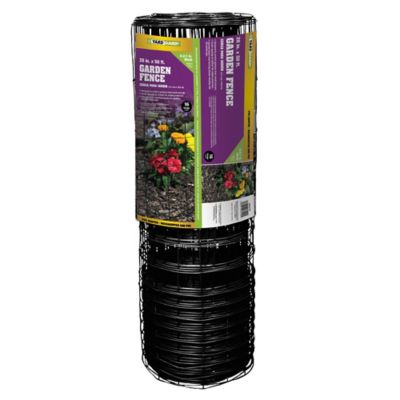
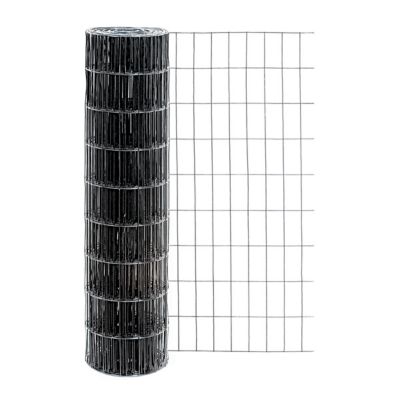
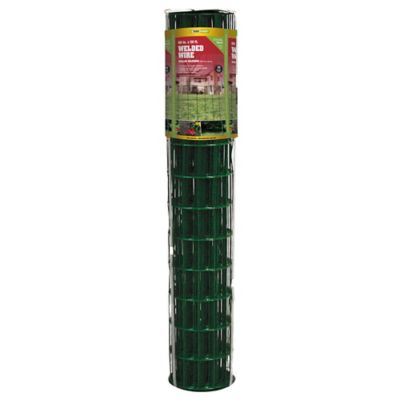
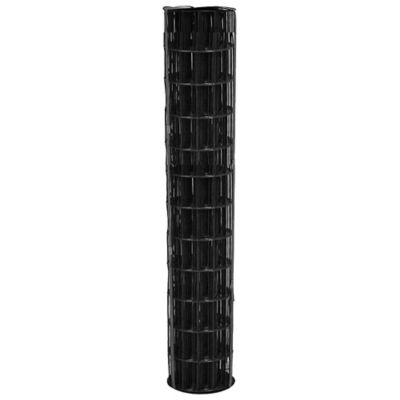
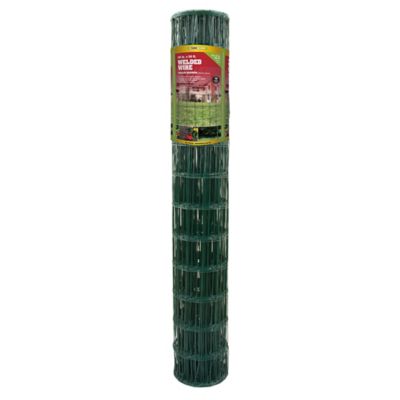
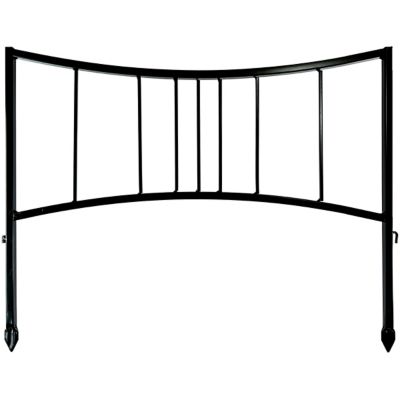
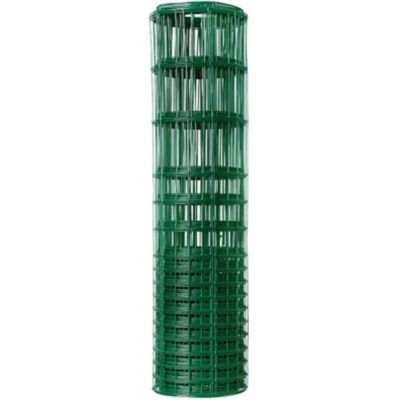
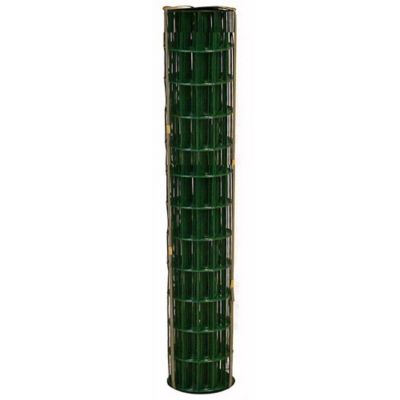
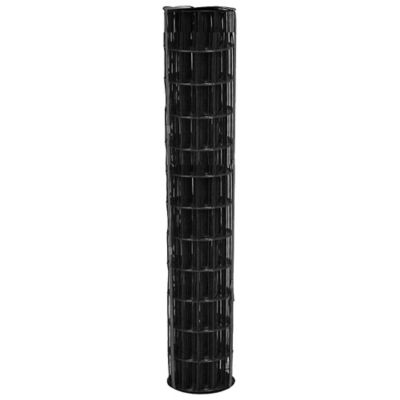
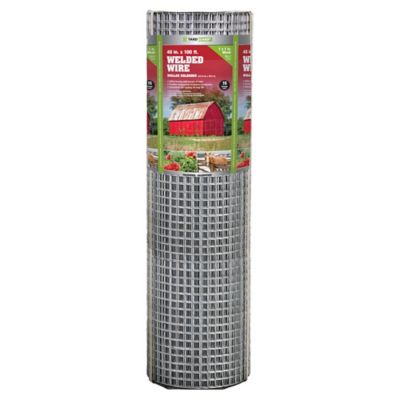
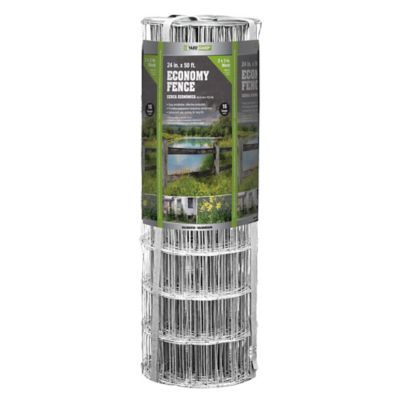
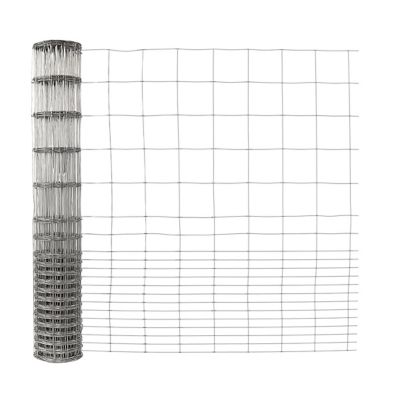
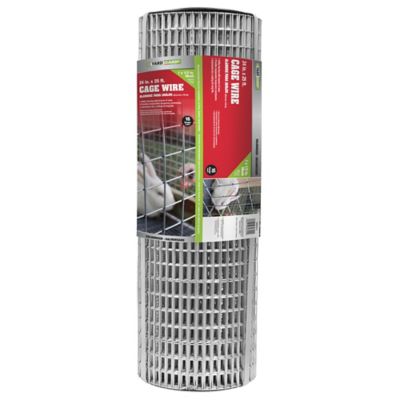
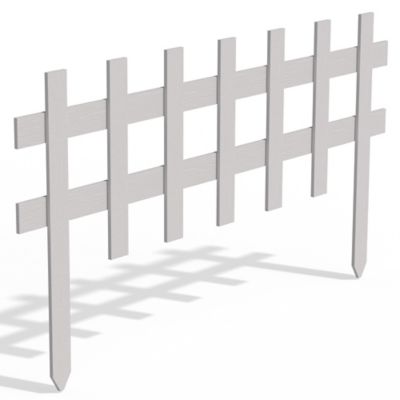
Garden border fences bring a tidy, finished look to flower beds, vegetable patches, herb gardens and landscaping around the home. They can help define where a garden begins and ends, keep mulch and soil from washing into walkways, and add a little separation between growing areas, lawns and paths. A short decorative border is often enough to give a row of marigolds, zinnias or seasonal vegetables a clean edge, while a taller, sturdier fence may be a better fit for gardens that need extra protection from dogs, chickens, rabbits or other wandering animals. For a country garden, a natural wood or woven design blends easily with raised beds, cedar planters and wide grassy spaces. Metal borders can bring a crisp, classic look around roses, shrubs and perennial beds, while plastic, resin or vinyl styles offer a lightweight, low-maintenance option for smaller plots and rental homes. The right choice depends on the job as much as the appearance. Measure the length of the bed before shopping, and keep the shape of the garden in mind when comparing straight panels, linked sections and rolled fencing. Flexible fencing works well around curved beds, trees and irregular corners, while rigid panels make clean lines along sidewalks, driveways and porch gardens. Color and pattern matter, too. A simple black or green finish can recede into the plants, a white picket look adds traditional farmhouse charm, and a natural wood tone pairs nicely with bark mulch, stone and other earthy materials. Border fencing can make a thoughtful gift for a gardener, new homeowner or anyone settling into a place with a bare yard, especially when paired with gloves, hand tools, seed packets or a few favorite plants.
Height is one of the most important details to consider. Low borders are useful for marking beds, holding back mulch and giving a landscape a finished edge, but they may not discourage determined pets or small animals. If the main goal is to protect tender greens from curious dogs, roaming cats or nibbling rabbits, look for a design with enough height and closely spaced openings to suit the situation. A taller barrier can also help guide foot traffic and keep children from stepping into freshly planted areas, though no garden fence should be treated as a substitute for supervision or a secure animal enclosure. Consider the strength of the material as well. Powder-coated or otherwise finished metal can stand up to outdoor use and repeated contact with yard tools, while wood offers a warm, natural appearance and may need occasional staining or sealing to help it handle moisture and sun. Plastic, resin and vinyl are generally easy to wipe clean and won’t splinter, rust or require regular painting, making them handy for busy households and smaller garden projects. Wire fencing may provide a practical balance between visibility and protection, allowing flowers and vegetables to remain on display while creating a useful boundary. Before installation, check the soil and clear away thick grass, roots, stones and old edging that could prevent the fence from sitting evenly. Some garden borders simply press or stake into the ground, making them a good choice for quick seasonal updates. Other styles may call for a shallow trench, connecting hardware, support stakes or a mallet. Place the fence firmly enough that it won’t wobble after rain or a bump from a mower, but avoid driving stakes through buried irrigation lines, utility cables or other hidden features. Following the included instructions and leaving enough room for mowing and watering can save time once the garden is growing.
A well-placed garden border fence can do more than protect plants. It can frame a mailbox bed, outline a firewood or compost area, dress up the edge of a patio, or separate a children’s garden from the rest of the yard. Around vegetable beds, it helps keep paths clear and makes it easier to spread compost, straw or mulch without covering the surrounding grass. Around flowers, it adds structure after blooms fade and gives the landscape a cared-for appearance through changing weather. As the weather warms, newly planted beds benefit from a visible boundary while roots get established; during the cooler months, the same fence can help hold back leaves and mulch and keep garden spaces easy to find. In areas with heavy rain, a border may help reduce loose mulch spreading onto walkways, though proper grading and drainage are still important. In windy locations, choose a sturdy design and anchor it well, particularly around exposed beds or taller plants that catch the breeze. Check the fence from time to time for loose connections, leaning sections, rust, cracked plastic or signs of rot, and trim back vines before they pull on the border. Keep a mower and string trimmer a safe distance away to avoid damaging the finish. If your project calls for more separation or screening around a sitting area, porch or outdoor workspace,
Garden Privacy Fences may offer a better fit than a low garden edge. Whether the goal is a neat vegetable plot, a welcoming flower bed or a little extra order around a busy homestead, the right border fence makes everyday yard care feel more manageable and gives the whole landscape a settled, finished look.