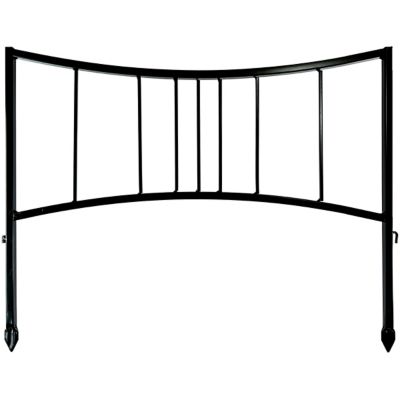
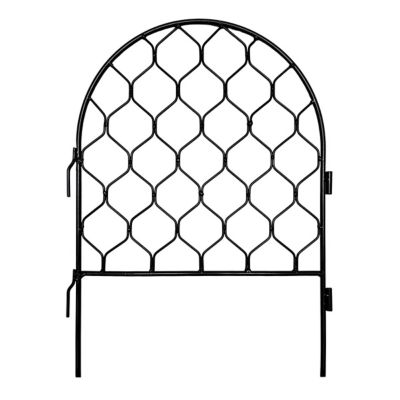
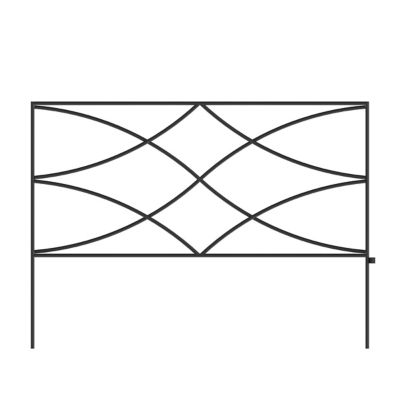
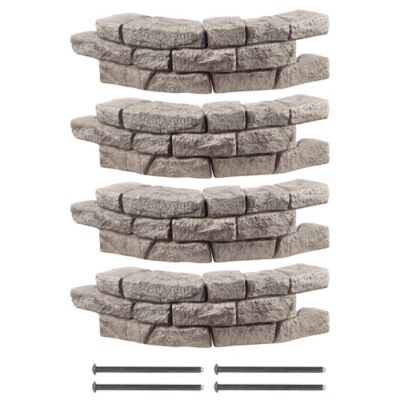
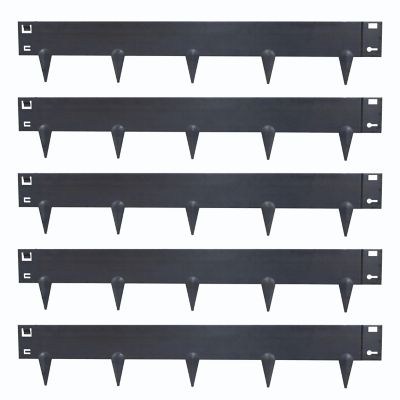
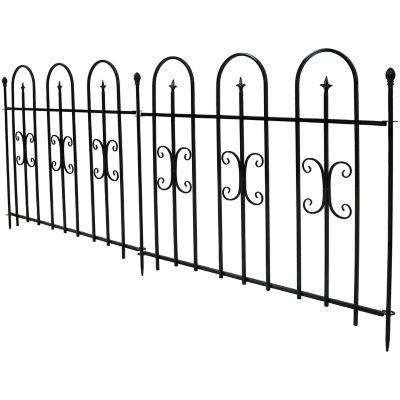
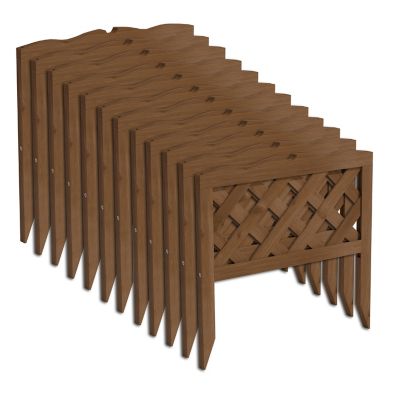
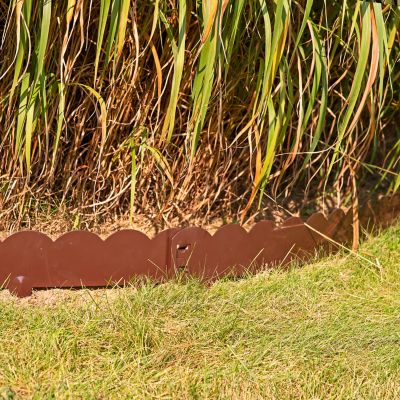
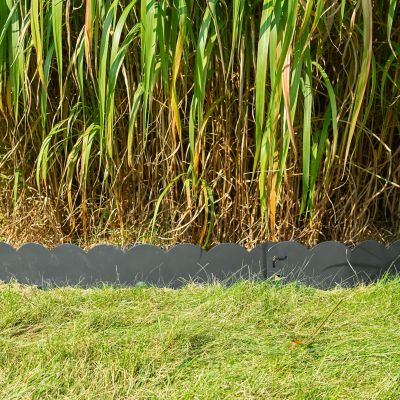
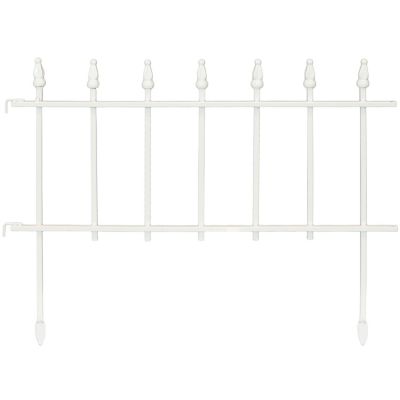
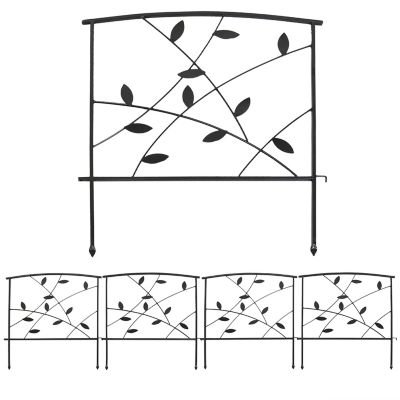
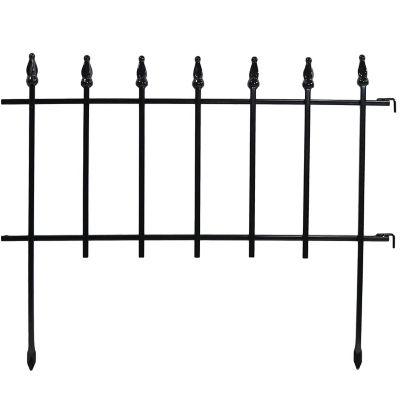
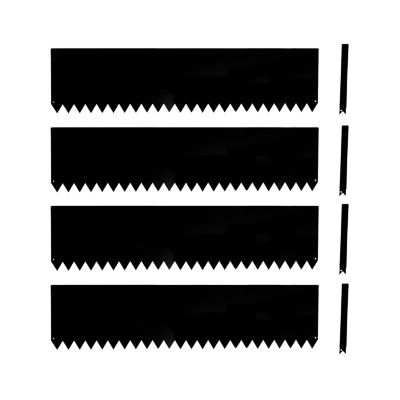
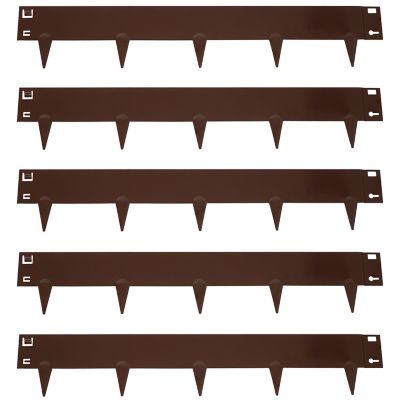
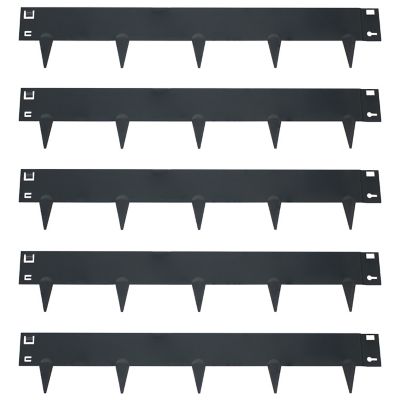
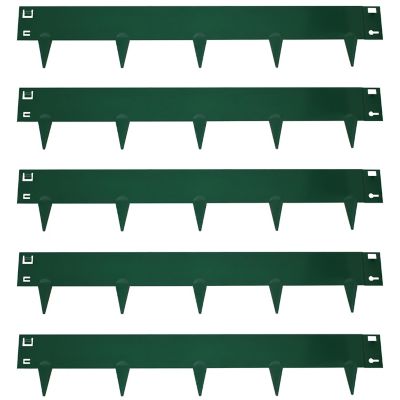
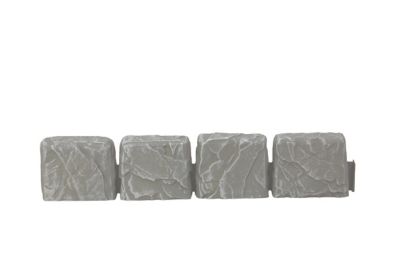
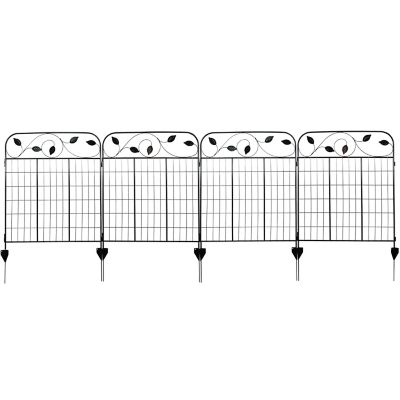
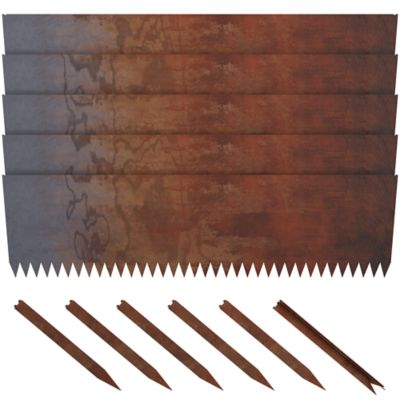
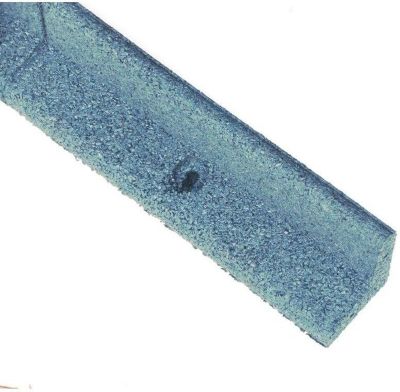
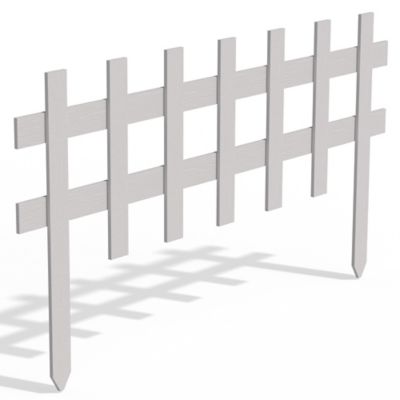
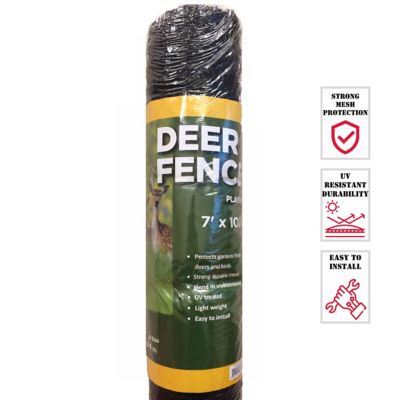
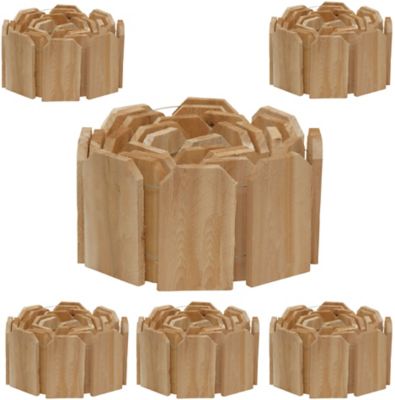
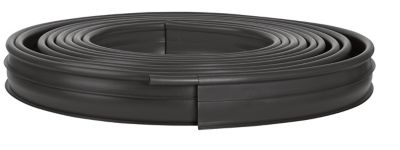
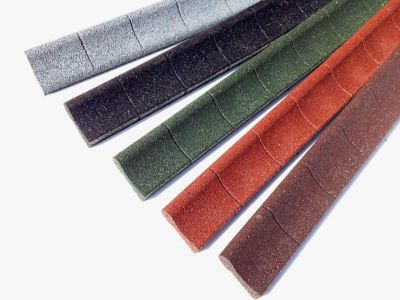
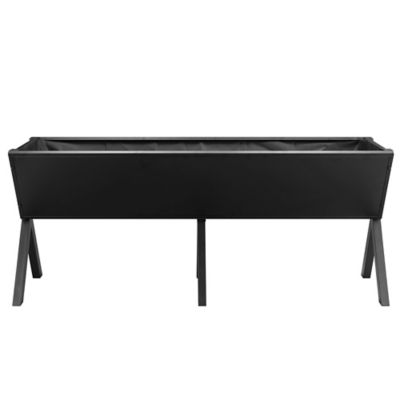
Garden bed borders bring a clean, finished look to planting areas while helping define the places where flowers, herbs, shrubs, and vegetables grow. They can separate a garden from the lawn, keep mulch and soil from spilling onto walkways, and make it easier to follow the shape of a bed when mowing or trimming. A well-defined edge also gives a yard that cared-for appearance, whether the landscape is a small backyard plot, a roomy country garden, or a few raised planting areas near the porch. When choosing a border, start with the layout and the kind of work you want it to do. Flexible edging works well around sweeping curves, rounded beds, and informal cottage-style plantings, while sturdier, more structured edging can suit straight lines, corners, and larger areas that see regular foot traffic. Consider the height, length, and overall profile so the border fits the scale of the space instead of overpowering the plants. Low borders offer a subtle transition between grass and garden, while taller options can provide more visual separation and help hold back loose soil, bark, or decorative stone. It is also worth thinking about the ground where the border will be placed. Soft, freshly worked soil may be easy to shape, while hard-packed ground, tree roots, or areas that freeze and thaw can call for a more durable design and secure installation. Look for options suited to outdoor use, with materials and finishes that can stand up to sun, rain, damp soil, and changing temperatures. A border should look good when the garden is full and leafy, but it should also hold its own after flowers fade and the beds settle in for the cooler season.
Garden bed borders are useful for all kinds of gardeners, from someone starting a first vegetable patch to an experienced grower refreshing an established landscape. They help create tidy planting zones around mailboxes, along driveways, beside sheds, and near patios, and they can make a large yard feel easier to manage by breaking it into clear sections. Around vegetable beds, an edge can help mark rows and discourage grass from creeping into the soil. Around perennial beds, it frames the plants and gives dormant stems a neat outline during the months when the landscape is quieter. Bordering a bed before spreading mulch can also make the job feel more precise; instead of raking material back into place after every windy day or heavy rain, the edge helps keep the covering where it belongs. Families may appreciate borders that make garden boundaries easier for children to see, while older gardeners may prefer designs that reduce repeated trimming and bending along the edge of a bed. Garden clubs, community gardens, new homeowners, and anyone giving a practical housewarming gift can all find value in this type of outdoor improvement. For a thoughtful gift, pair a border with other useful garden basics or let the recipient choose a style that matches the shape of their yard. A person who loves orderly rows may lean toward a crisp, straight outline, while someone with a more relaxed planting style may prefer an edge that follows the natural sweep of the garden. Before buying, measure the area and allow for curves, overlaps, corners, and any sections that may need extra support. Checking how the border connects or anchors can save time during setup, especially when working in ground that has become firm during cooler weather.
The right garden bed border can also help tie different parts of a property together. Use a consistent style along several beds for a neat, pulled-together appearance, or choose a simple transition when the goal is to let mature shrubs and colorful blooms take center stage. Borders are not limited to traditional flower beds; they can outline a small herb garden near the kitchen, define a pollinator patch, surround a young tree, or separate gravel from soil in a low-maintenance landscape. If the property includes walking routes between beds, browse
Garden Path Edgings for another way to give those areas a clear boundary. During the cooler months, a sturdy edge can keep mulch, compost, and soil from washing across the yard when rain moves through, and it keeps the shape of a bed visible even when annual plants are gone. As the weather warms, that same outline makes it easier to plan new plantings, refresh mulch, and trim back grass that has started to wander. Think about the look you want from the road, the amount of maintenance you are willing to handle, and how the border will work with existing fences, paths, decks, and landscaping. A few well-placed sections can turn a rough garden edge into a smooth, finished line, making everyday yard work more manageable and giving the whole outdoor space a little more character.