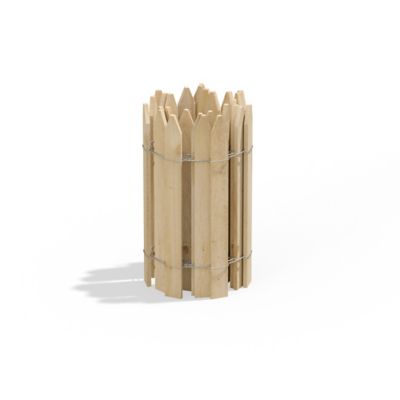
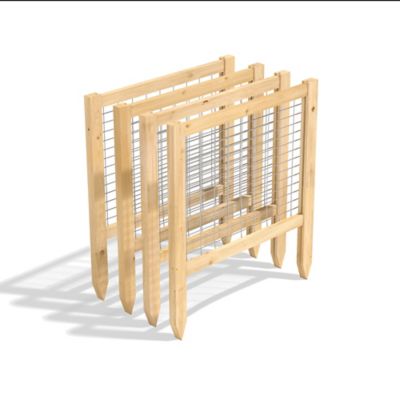
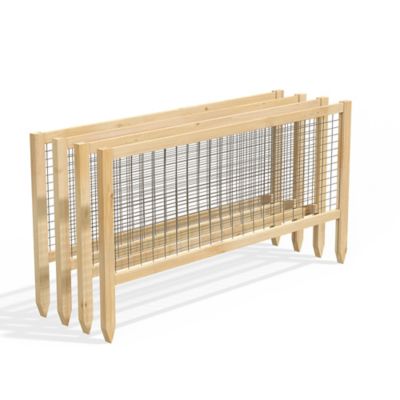
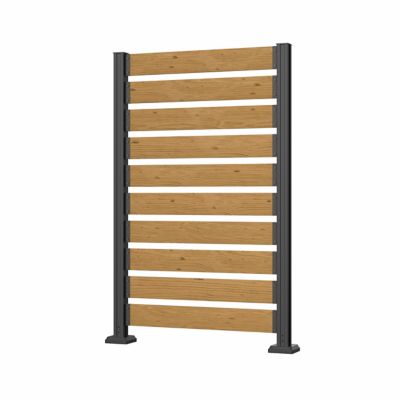
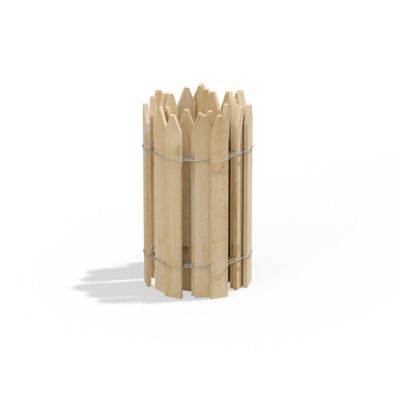
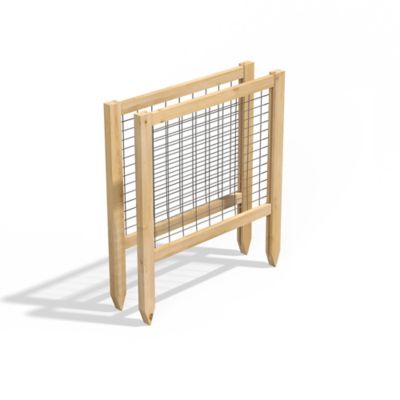
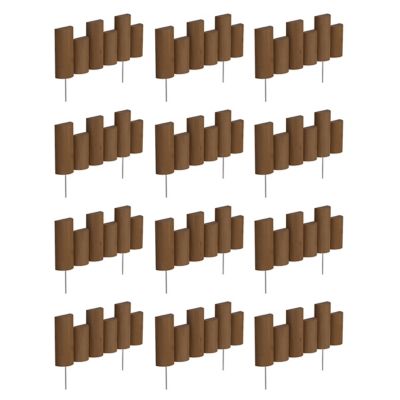
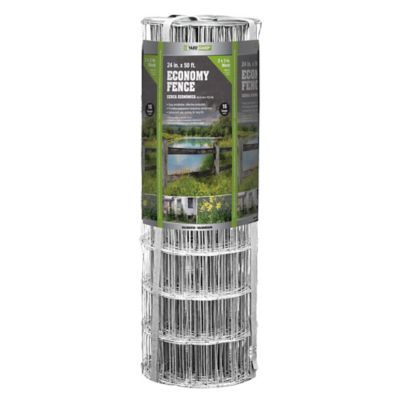
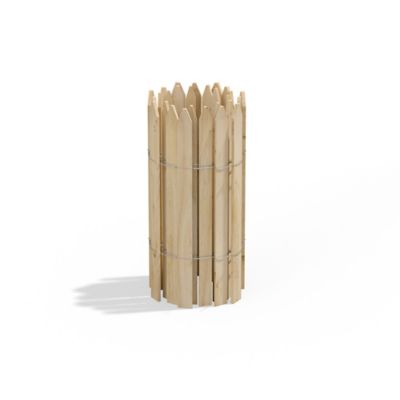
Wooden garden fences bring a little order to a growing space while keeping the easygoing, natural look of wood throughout the yard. They can outline a flowerbed along the porch, give a vegetable patch a clear boundary, or help separate a play area, walkway and planting space without making the landscape feel closed in. Short picket-style sections work well around herbs, annual flowers and small beds, while taller panels and sturdy post-and-rail layouts can create a more substantial enclosure. Rustic split-rail designs suit country yards and larger properties, and wire-and-wood fencing can offer a practical middle ground when you want a wood frame with a more open view. Freestanding, self-staking borders are handy for smaller projects and often need little digging, while assembled panels and individual posts, rails and pickets give you more freedom when the garden has an unusual shape. For a neat, finished edge around a bed, browse
Wooden Garden Borders. The right choice depends on what you are enclosing, how much room you have, and whether the fence is mainly decorative or needs to stand up to curious pets, chickens, deer or other visitors. A low fence may guide foot traffic and keep mulch in place, but it will not stop every animal. A taller enclosure with smaller openings is generally better suited to protecting leafy greens and young plants. If you are fencing a raised bed or a larger vegetable garden, take careful measurements before buying so you have enough sections, corner pieces, posts and fastening hardware to complete the job. It also helps to mark the layout with stakes and twine first; walking the line lets you spot tree roots, gates, slopes and tight corners before the digging begins.
Wood species, construction and placement all matter when choosing a wooden garden fence. Cedar is naturally suited to outdoor use and has a warm grain that blends nicely with shrubs, soil and weathered garden beds. Pine can be a practical choice for many yard projects, especially when it has been treated for outdoor conditions, but any wood fence benefits from being kept off consistently wet ground. Look for sturdy rails, sound pickets and posts sized for the fence height and the soil where they will be installed. In soft or sandy ground, posts may need extra support, while rocky soil can call for a slower installation and the right digging tools. Check whether the fence is intended for direct soil contact, and use compatible fasteners that will hold up to moisture and outdoor exposure. A post cap can help shed rain from the top of a post, and strong corner connections make a noticeable difference when wind, pets or climbing plants put pressure on the fence. For vegetable gardens, consider the size of the openings carefully. Wide gaps may be fine for a decorative flower border but can leave room for rabbits or other small animals to slip through. A gate or removable section makes it easier to carry in compost, bring out a garden cart and reach plants for watering or harvesting. Garden fencing can also be useful around young trees, freshly seeded areas and newly planted shrubs, where a simple barrier helps prevent accidental trampling. For a thoughtful housewarming gift, a compact wooden border or a set of garden fence materials can be a useful choice for someone settling into a new home, starting a backyard garden or refreshing an older landscape. Pairing a fence with gloves, hand tools or other garden essentials can make the gift especially practical without taking up much storage space.
Even well-built wooden garden fences need a little care to stay useful through changing weather. Before installation, inspect each piece for cracks, loose fasteners or rough edges, and smooth areas that could catch clothing or scrape hands. Once the fence is in place, keep soil, leaves and damp mulch from piling against the wood, since trapped moisture can encourage rot. Trim back heavy vines and vegetation instead of allowing them to pull on the rails or hold water against the boards. During the cooler months, clear away fallen leaves when they collect along the bottom edge, particularly in shaded areas where the ground dries slowly. As the weather warms, check for leaning posts, loose sections and spots where the soil has shifted. A water-resistant stain or outdoor finish can help protect exposed wood, and many fences benefit from refreshing that protection every couple of years, depending on the product directions and local conditions. Let the wood dry before applying any coating, and follow the label for surface preparation, coverage and recoat time. Regular maintenance is easier when the fence is still in good shape: tightening a fastener, resetting a post or replacing one damaged picket can prevent a small repair from turning into a full rebuild. Keep the fence’s purpose in mind as your garden changes. A low border may be all that is needed once flowers are established, while a productive vegetable plot may call for added height or a finer mesh during the growing season. With the right size, spacing, wood and support, wooden garden fences can make beds easier to manage, give a yard a finished look and provide a dependable boundary that fits naturally into both rural landscapes and smaller home gardens.