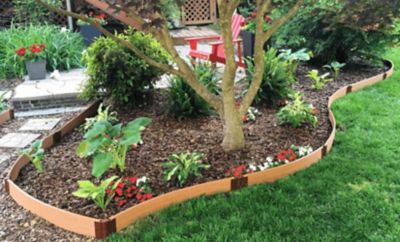
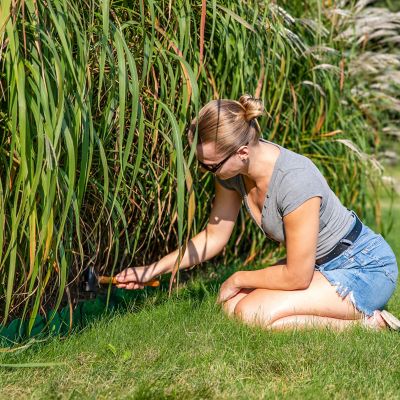
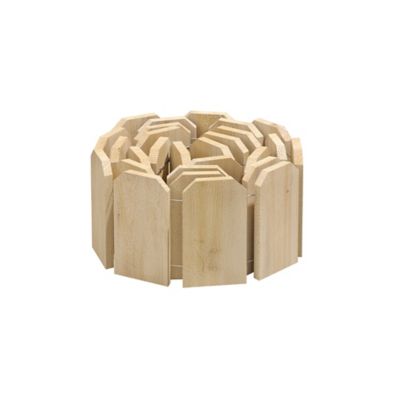
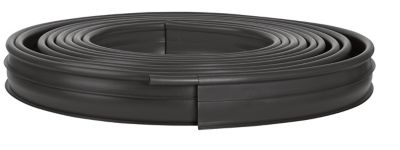
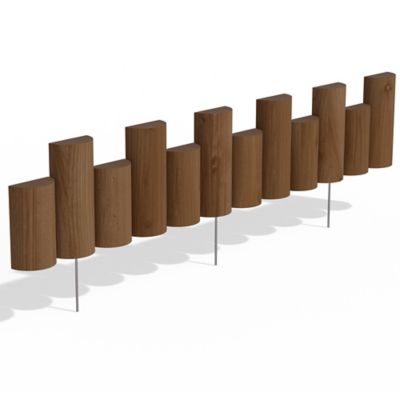
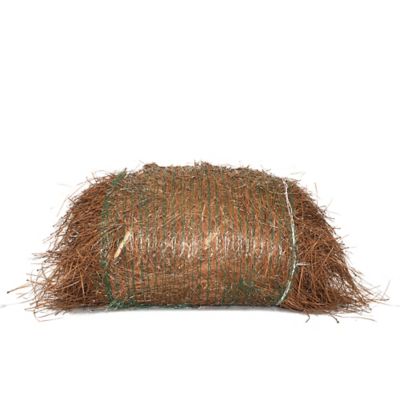
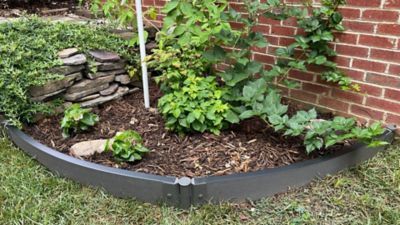
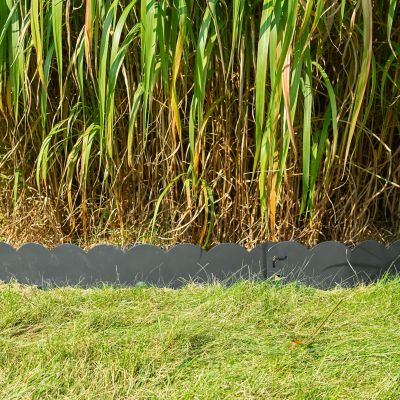
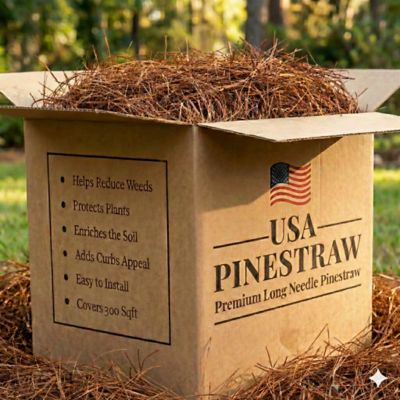
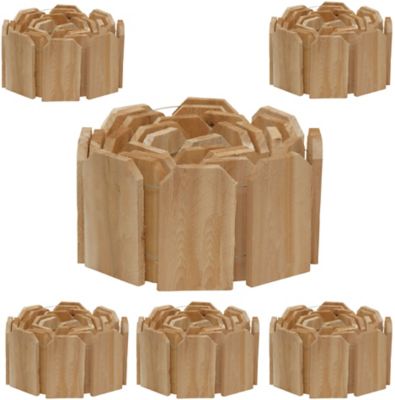
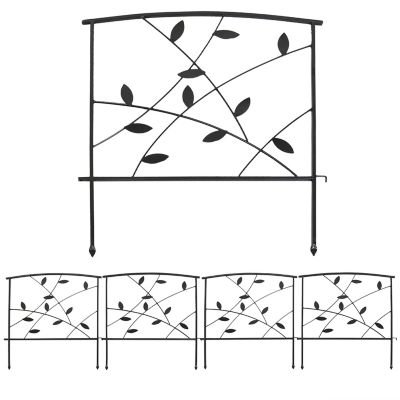
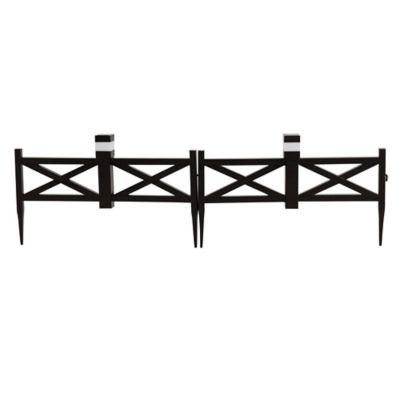
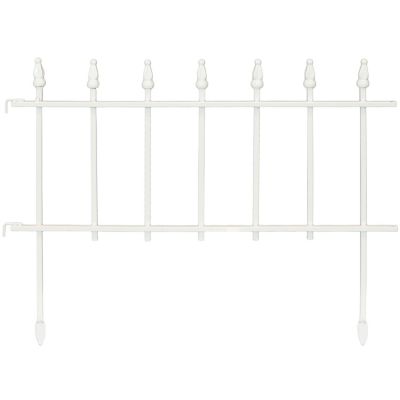
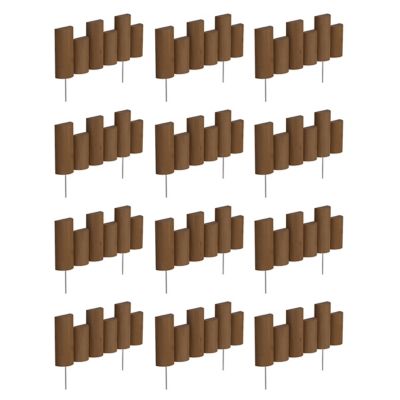
Mulch borders give garden beds, trees, walkways and other planted areas a neat stopping point while helping keep loose mulch where it belongs. A well-defined edge can make a front yard look cared for, give a vegetable garden a tidy outline, or add shape around a mailbox, patio or fire pit. It also creates a useful break between mulch and turf, which can help reduce grass creeping into beds and make mowing and trimming easier. Some homeowners prefer the simple, natural look of a hand-cut trench, while others want the clean line and added structure of landscape edging made from metal, stone, brick, rubber or other outdoor materials. The right choice depends on the shape of the bed, the type of soil, the kind of mulch being used and how permanent the border needs to be. A narrow border may be all that is needed to keep pine bark or wood mulch from sliding onto a walkway, while a deeper, sturdier barrier can be helpful where heavy rain, sloped ground, active pets or vigorous turf tend to move mulch around. Before shopping, measure the full perimeter of each bed and account for curves, corners and overlapping sections. It is also worth checking the height and depth of the border, the type of stakes or connectors included, and whether the material can be cut or shaped to fit the space. For beds that follow gentle curves, flexible edging is often easier to work with than rigid straight sections. Straight runs along a driveway or sidewalk may look best with a firmer, more structured material.
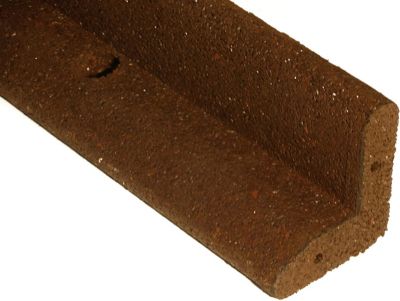
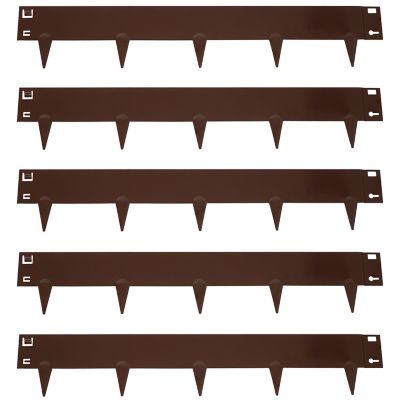
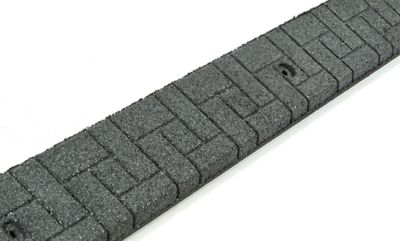
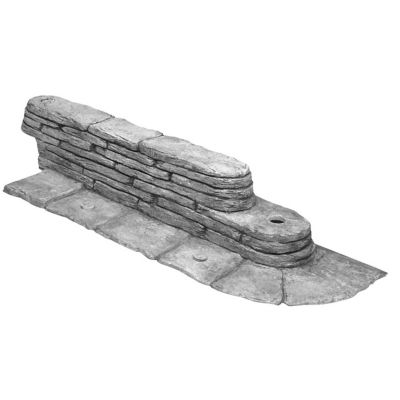
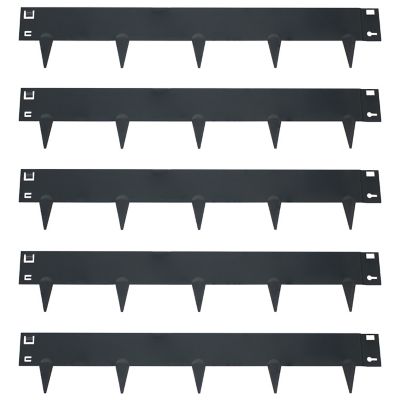
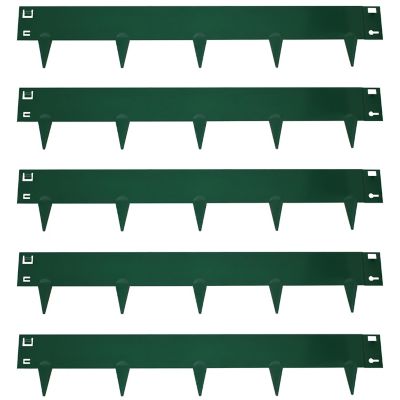
A natural spade-cut trench is a budget-friendly option for gardeners who like an understated, earthy finish. A flat spade or half-moon edger can be used to create a V-shaped channel roughly 3 to 4 inches deep between the lawn and the bed. Mulch settles into that channel, giving the edge a crisp outline without adding another material to the landscape. This approach works especially well around informal flower beds, mature trees and country-style plantings, and it can be refreshed as the seasons change. It does require occasional upkeep, since grass roots and rain can soften the line over time. Metal edging offers a thinner profile and a sharp, modern look, making it a practical fit for straight borders, sweeping curves and spaces where a low-visibility barrier is preferred. Heavier-gauge metal generally provides more rigidity, while flexible sections can follow rounded beds without leaving awkward gaps. Stone, brick and paver borders bring weight and a classic appearance, and they can be a good choice for homeowners who want a long-lasting transition between mulch and lawn. These materials are useful along slopes or in areas where mulch tends to wash away, though their size, weight and base requirements should be considered before installation. Rubber borders provide a softer, flexible option that is easy to shape around trees and winding beds. They can cushion accidental contact from garden tools and are often useful in play areas or along paths. Thin, low-quality plastic edging may bend, crack, fade or work loose when exposed to sun, soil movement and freezing conditions, so look for outdoor-rated construction and secure fastening when comparing materials.
Mulch borders are useful for new landscaping projects, routine yard refreshes and seasonal cleanup. During the warmer part of the growing season, a defined edge helps fresh mulch frame colorful annuals, shrubs and garden beds without covering nearby grass. As the weather cools, a solid border can help hold mulch in place through rain, wind and changing soil conditions while giving the yard a finished look when many plants are beginning to die back. If the area is watered often, choose an edging style that sits firmly in the ground and will not shift easily as soil becomes soft. For slopes, consider a deeper installation or a heavier material that can resist runoff. Around trees, leave room for the trunk to expand and avoid piling mulch tightly against the bark; the border should outline the bed, not create a mound against the tree. Along mowing routes, a low, visible edge can help guide wheels and reduce the need for repeated trimming, but it should be installed securely so it does not catch equipment. Mulch borders can also make a thoughtful gift for a new homeowner, a gardener preparing a first flower bed or anyone taking on a backyard improvement project, especially when paired with basic digging and measuring tools. Keeping a
Mulch Spreaders option nearby can make it easier to distribute material evenly after the border is in place. Whether the goal is a clean line around a small tree or a durable boundary around a large garden, choosing the right border helps mulch, soil and plants stay in their proper places and makes everyday yard care feel a little more manageable.