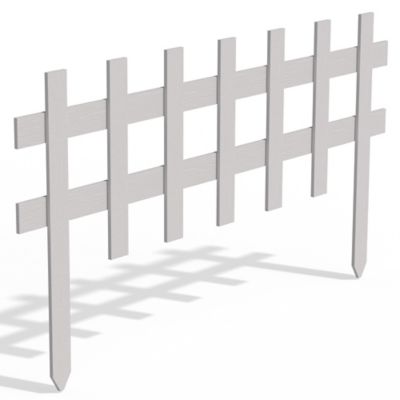
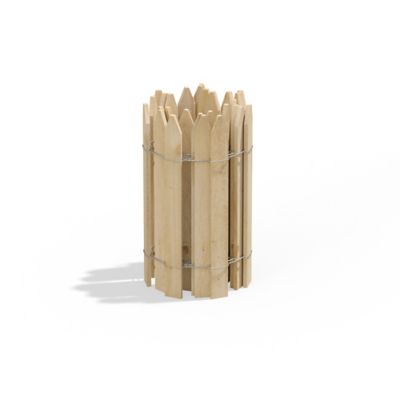
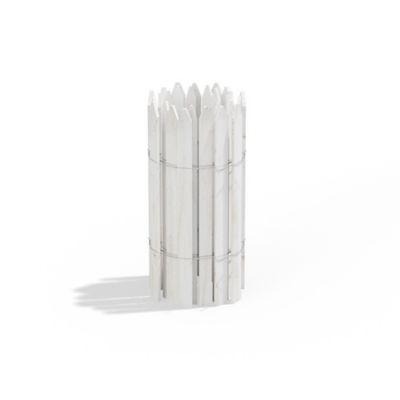
Wooden fences bring a warm, familiar look to a property while helping mark boundaries, add privacy, and give outdoor spaces a finished appearance. They fit naturally around country homes, suburban yards, gardens, workshops, barns, and small livestock areas, and the right style can change the feel of a space without making it look overly formal. A solid privacy fence can create a quieter spot around a patio or help keep everyday yard activity out of sight, while spaced pickets, post-and-rail designs, and split-rail fencing can define a property line without closing in the view. Many homeowners also use wood fencing to frame a vegetable garden, protect flower beds from foot traffic, guide guests toward an entryway, or give dogs a dependable place to play. Cedar is a popular choice because its natural oils help it resist moisture, decay, and insects, while pressure-treated pine offers strength and an approachable price for many larger projects. Redwood is known for its rich color and natural stability. The best fit depends on the look you want, the conditions around your home, and how much upkeep you are comfortable handling. For a lighter, welcoming boundary around a front yard or garden, take a look at
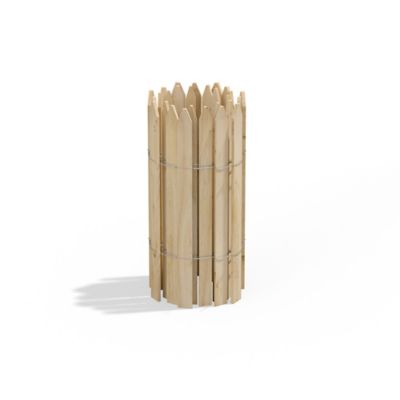
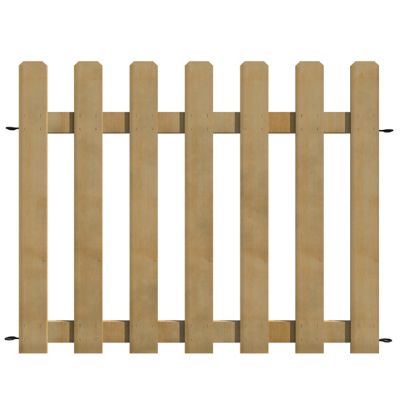
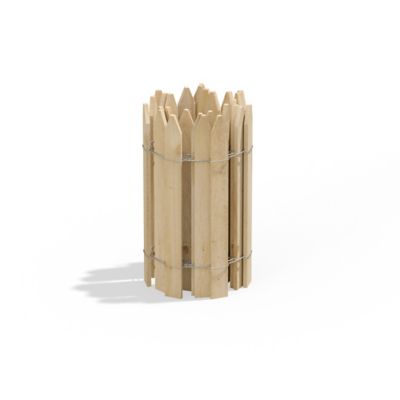
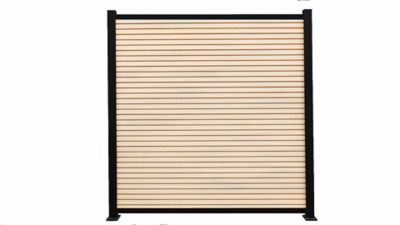
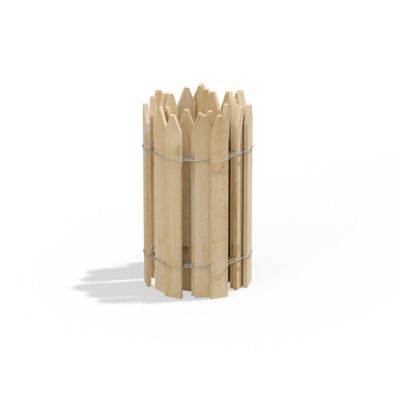
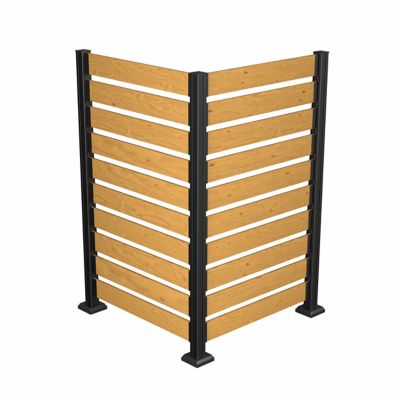
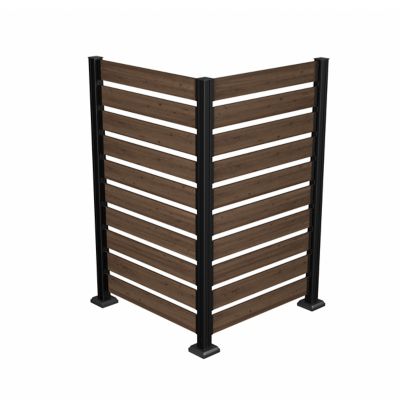
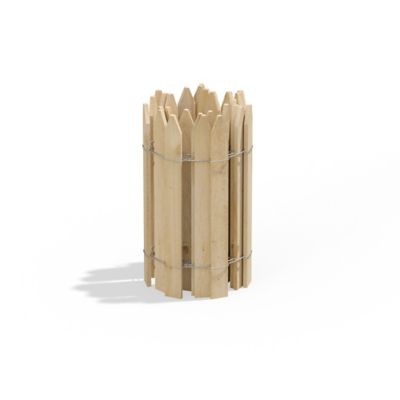
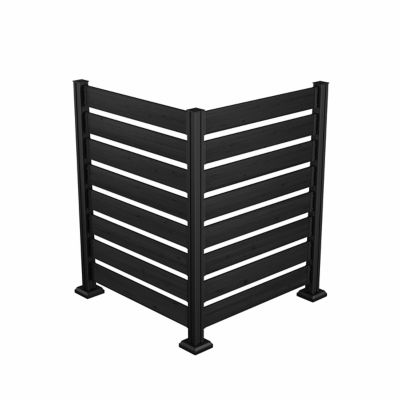
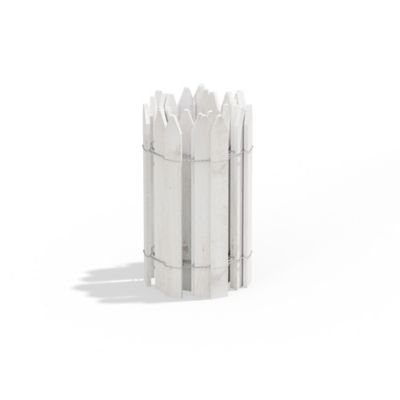
Cedar Picket Fences. Their open spacing lets sunshine and breezes pass through while still adding a clear edge to the landscape. Solid boards, including stockade, dog-ear, and tongue-and-groove styles, offer more privacy and can help reduce the feeling of being on display when you are relaxing outdoors. Shadowbox or board-on-board construction places boards on alternating sides of the rails, creating a finished appearance from both directions and allowing a little more airflow than a fully solid wall. Horizontal boards bring a clean, updated look, while traditional vertical boards blend easily with older homes, outbuildings, and rural properties.
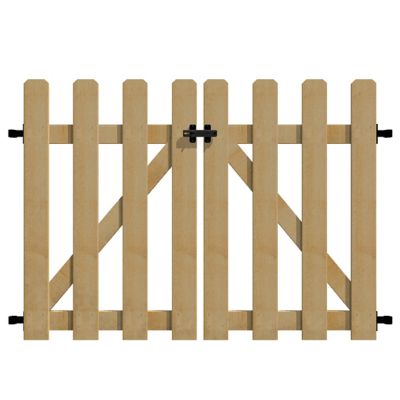
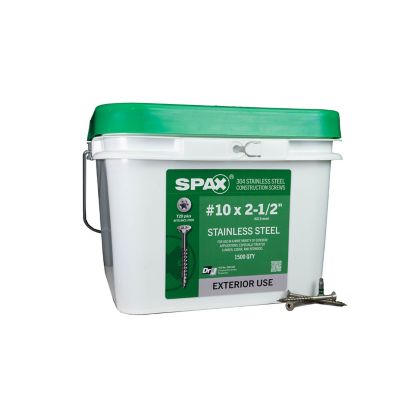
Before choosing wooden fencing, start with the job it needs to do. Measure the approximate linear footage of each run, note the number of corners and gates, and check for slopes, trees, driveways, buried utility lines, and other obstacles that may affect the layout. A fence meant to contain a dog may need closer spacing and a height that matches the animal’s size and habits; a boundary for a garden may only need to discourage wandering pets or make mowing easier. If privacy is the main goal, consider both the height of the fence and the direction of the sun, since a taller barrier can cast shade across plants, walkways, or neighboring areas. Open picket and split-rail styles work well where visibility matters, such as along a driveway or around a front garden, but they may not be the right choice for containing small pets. Posts are the backbone of the project, so sturdy, properly spaced posts and well-supported gates matter just as much as the boards. Gates should swing freely, latch securely, and leave enough clearance to work smoothly as the ground shifts with rain, frost, or changing temperatures. Local property rules, neighborhood covenants, and utility requirements may affect fence height, placement, and permits, so checking those details before digging can save a good deal of time. For a do-it-yourself project, compare individual pickets, rails, posts, hardware, gates, and concrete or other setting materials against complete panels or project kits. Panels can speed installation, while individual boards make it easier to follow uneven ground and replace a damaged section later. Keep a little extra material on hand for cuts, repairs, and the occasional board that shows more warping than expected. A level, string line, post-hole tool, tape measure, drill, and dependable fasteners are useful basics, and galvanized or otherwise corrosion-resistant hardware can help the finished fence stand up to damp conditions.
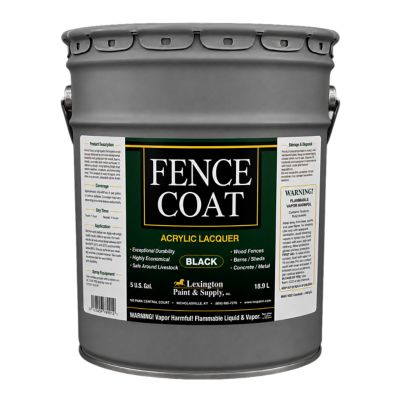
Wood is a living, natural material, and a little routine care goes a long way toward preserving its appearance and strength. Allow new fencing to dry according to the wood type and installation recommendations before applying stain or sealant, then recoat as needed based on exposure, weather, and the condition of the surface. A fence that receives strong afternoon sun, frequent rain, or contact with wet soil may need attention sooner than one protected beneath mature trees or wide roof overhangs. During the cooler months, walk the fence line and look for loose fasteners, leaning posts, soft spots near the ground, split boards, and gates that drag. Clear leaves, grass, and damp debris away from the bottom edge so moisture does not stay trapped against the wood. After storms or periods of heavy wind, a quick inspection can catch a loose picket before it becomes a larger repair. With suitable wood, proper installation, and regular staining or sealing, many wooden fences can serve for roughly 15 to 20 years, though lifespan varies with climate, soil, construction, and maintenance. Natural silvering, deeper grain, and small changes in color are part of wood’s character; staining can preserve a warmer tone, while clear sealers let more of the original grain show through. Wooden fencing is also easy to personalize with trim, post caps, planting beds, climbing vines, or a matching gate, making it useful for both practical boundaries and landscape design. Whether the project is a short garden run, a long property line, a private backyard enclosure, or a simple way to give a barnyard more definition, choosing the right wood, style, dimensions, and care routine helps create a fence that feels at home on the land.