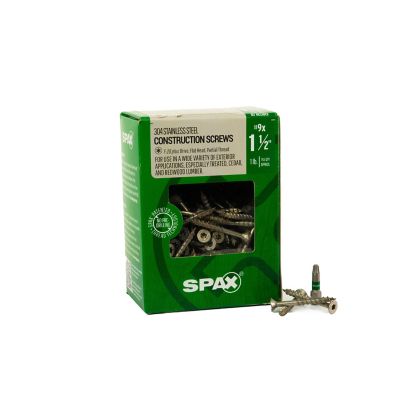
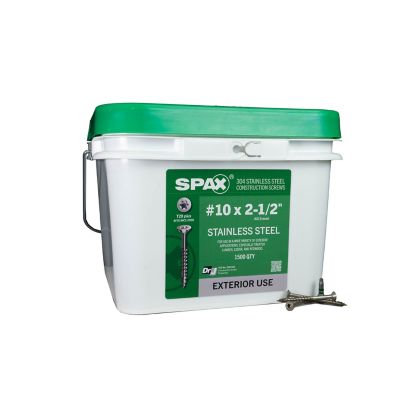
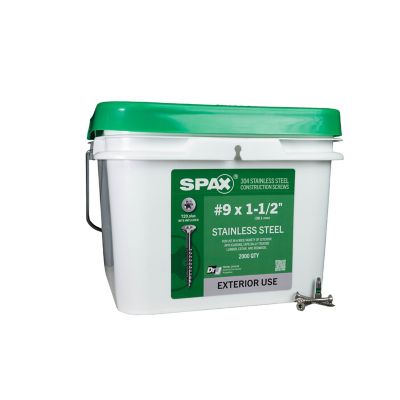
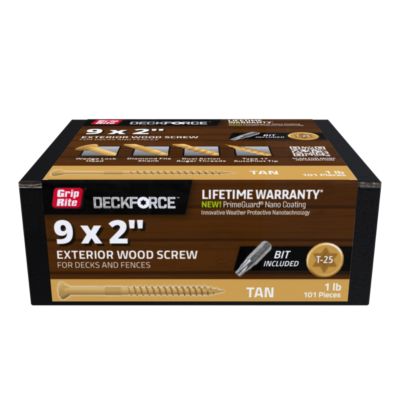
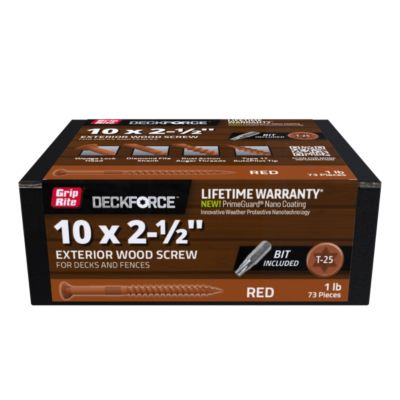
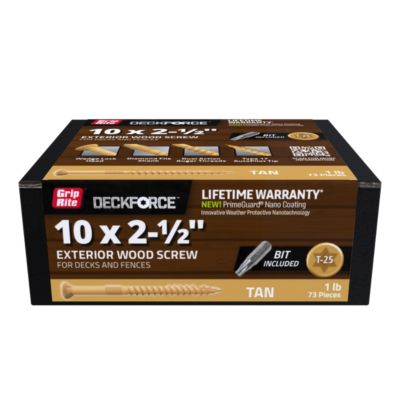
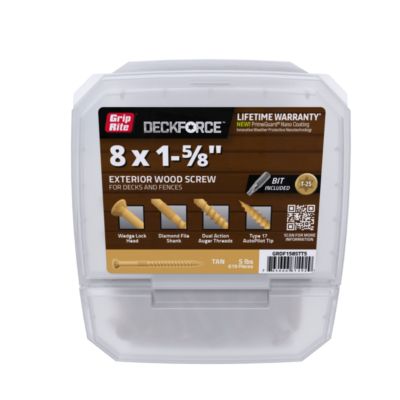
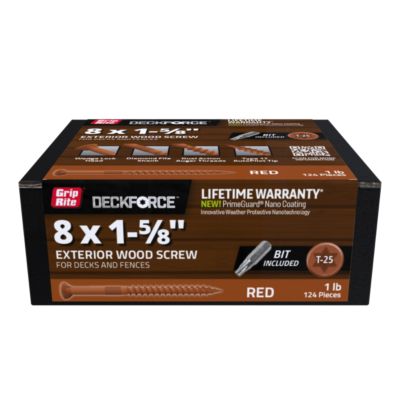
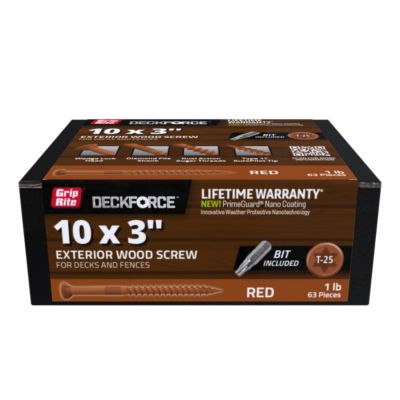
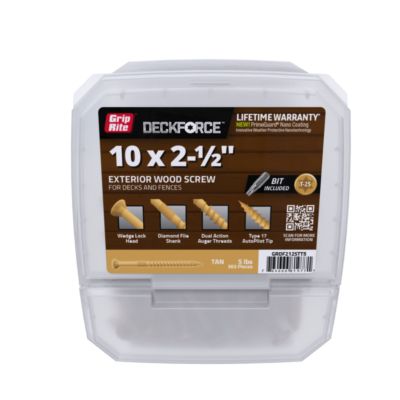
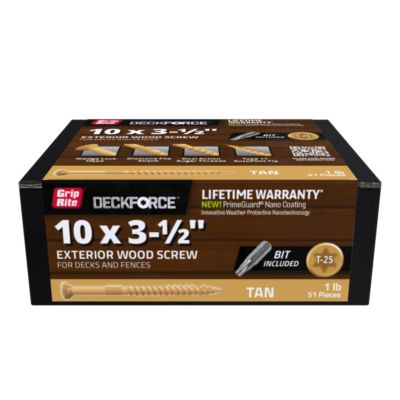
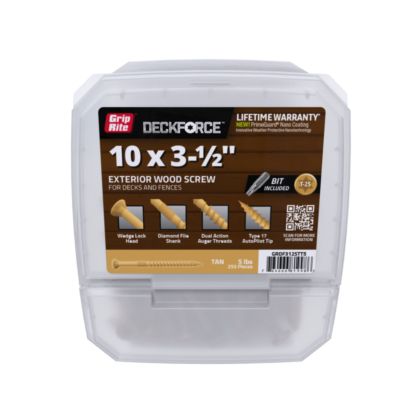
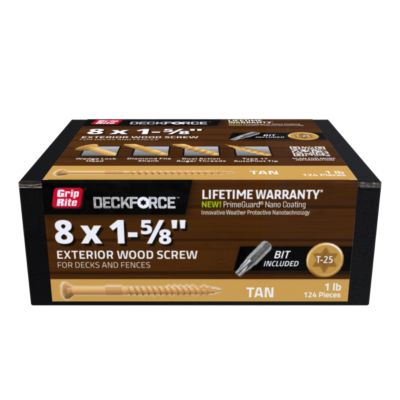
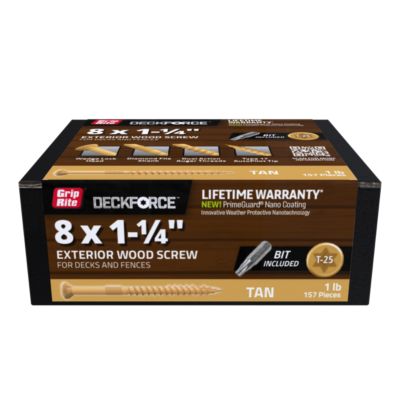
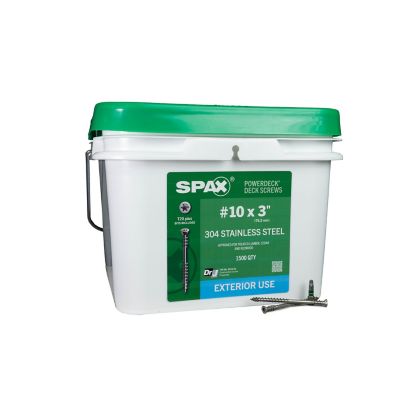
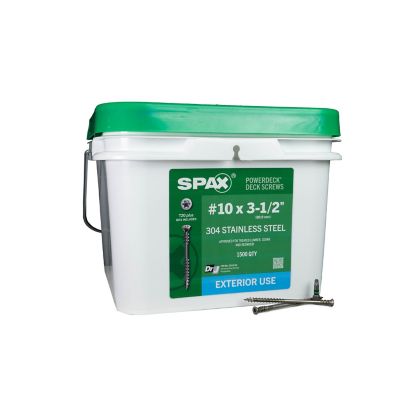
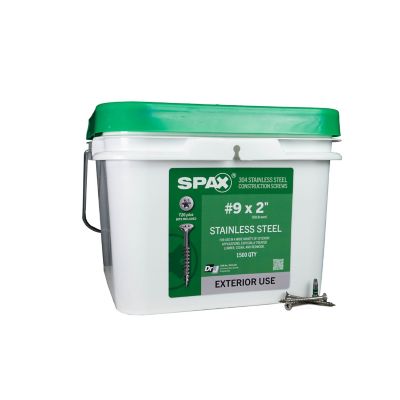
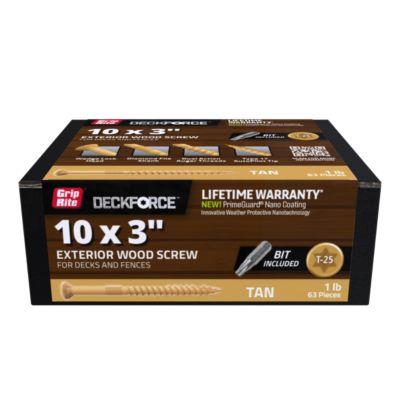
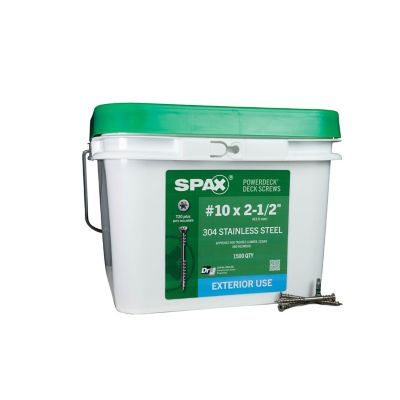
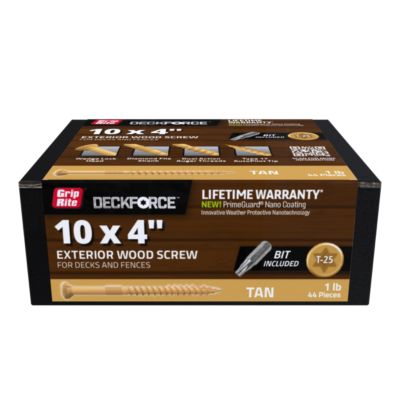
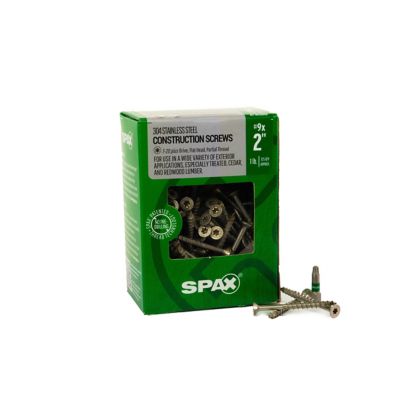
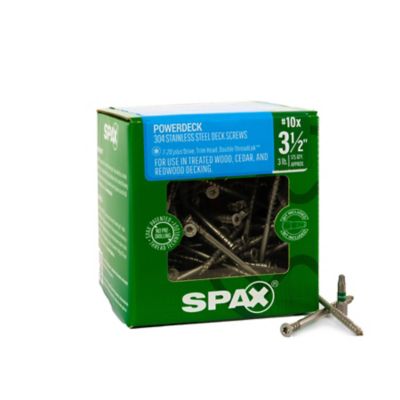
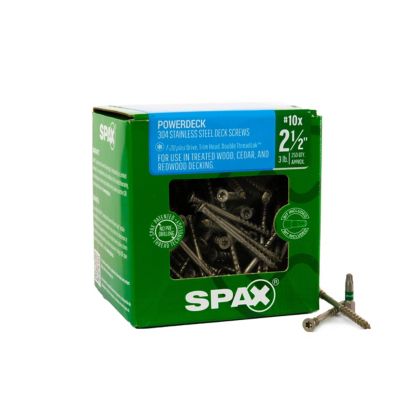
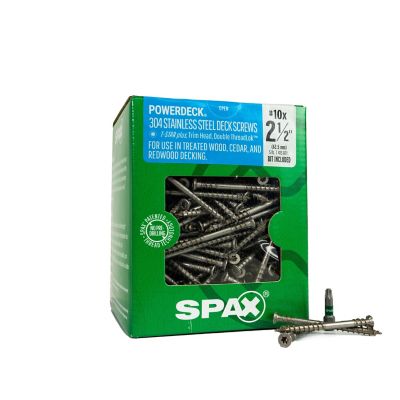
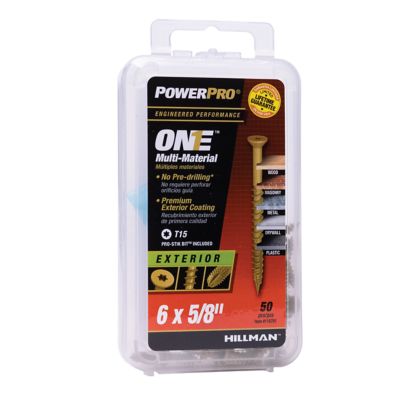
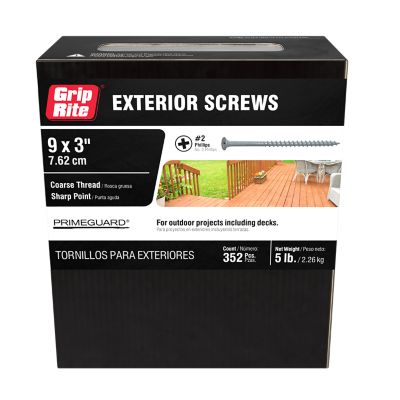
Wooden fence screws are metal fasteners designed to secure wood components, including pickets, boards, rails, and trim. For many picket-to-rail connections, #9 or #10 exterior-rated wood or deck screws with a star drive and a corrosion-resistant coating or suitable stainless steel construction are a practical starting point. The right choice still depends on the lumber, board thickness, connection, and fastener manufacturer’s recommendations. A privacy fence around the backyard, a board fence along a driveway, and a small enclosure beside the barn can put different demands on their hardware. Screws provide holding power through threads that grip the wood, and their removable design can make individual board replacement more manageable down the road. Material compatibility matters just as much as screw size. Pressure-treated lumber calls for fasteners specifically approved for its preservative treatment; an exterior label alone does not establish compatibility with every type of treated wood. Stainless steel is often a good fit for cedar and redwood, where unsuitable metal can contribute to dark staining around fastener heads. Coated steel screws can also suit many fence projects when their coating is rated for the lumber and exposure involved. Not every coating offers the same protection, and color alone does not tell the whole story. Coastal properties and other locations with salt exposure may call for a different stainless steel grade than an inland yard. Fastener information should identify the intended application clearly, including any restrictions involving treated lumber. For a homeowner replacing a few loose pickets or a property owner planning a long stretch of fence, these details help separate a screw suited to the job from one that merely looks right in the box. The goal is a secure connection without unnecessary staining, early corrosion, or hardware that complicates the next repair. A fence has plenty of repeated connections, so a small difference in fastener suitability can affect the appearance and upkeep of the whole run.
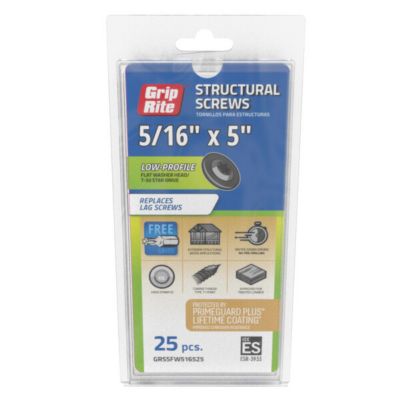
Screw length, gauge, thread design, and head shape all affect how a wooden fence connection comes together. Length needs to account for the thickness of the outer board and sufficient penetration into sound supporting lumber, without leaving a sharp point sticking through the back. A thin picket attached to a rail has different requirements from a thick board attached to a post, even when both belong to the same fence. Longer is not automatically better, especially where exposed points could catch clothing or contact people and animals. Gauge describes the screw’s body diameter, with a #10 generally thicker than a #9, but diameter alone does not establish a connection’s strength. Wood species, edge distance, thread engagement, and the condition of the lumber also matter. Threads provide the grip, while some partially threaded designs can help draw an outer board against its support when the smooth shank and material thickness are appropriately matched. Flat or countersinking heads can sit neatly at the board surface, giving a picket fence a cleaner face without a row of projecting heads. Other head styles serve different purposes and should match the application rather than appearance alone. Star-drive recesses offer positive bit engagement, which can make repeated fastening less frustrating than working with a recess that slips easily. The correct bit size still matters, and a worn bit can damage even a well-designed screw head. Point and cutting features may help a screw start, but narrow boards, dense wood, and fastening close to an end can still call for pilot holes under the manufacturer’s directions. A head driven too deeply can crush surface fibers or reduce the wood beneath it. For rail-to-post joints and other load-bearing connections, ordinary deck screws are not interchangeable with structural screws. Gate hinges and latches likewise need hardware appropriate for their mounting pattern and load. Matching each fastener to its connection matters more than choosing one screw for every part of the fence.
The intended use of the fence helps narrow those choices further. A backyard privacy fence benefits from consistent head placement and a finish that suits the boards, while a working property may put greater emphasis on access for repairs and avoiding sharp projections near gates or animal areas. Screws can be handy when a single cracked picket needs replacement without disturbing the neighboring boards, provided the surrounding rail still has sound wood for the new connection. They cannot restore strength to a rotten rail or split post, and a larger screw is not always an answer to a damaged hole. On livestock fencing, fasteners are only one part of a safe enclosure; rail layout, post strength, animal pressure, and the overall fence design also need to suit the animals involved. Browse
Fence Fasteners for related hardware when a project includes connections beyond wood to wood. Keeping screw sizes and finishes organized makes it easier to match hardware during later repairs, particularly on a property with several fence styles. Original packaging also preserves important information about coating compatibility, dimensions, and application limits. Storage in a dry, closed container helps protect spare fasteners and keeps loose points out of the truck bed or workbench clutter. Once a fence is in service, occasional checks for backed-out heads, staining, corrosion, loose boards, and splitting around connections can reveal trouble before a section starts leaning or rattling. Wood naturally changes dimension as its moisture content changes, so even a well-built fence benefits from attention over time. Fasteners with an intact drive recess are easier to remove when repairs come along, making proper bit fit and controlled installation worthwhile from the start. Whether the job is a short garden boundary or a fence running past the outbuildings, suitable wooden fence screws support firm connections, a tidy appearance, and straightforward upkeep.