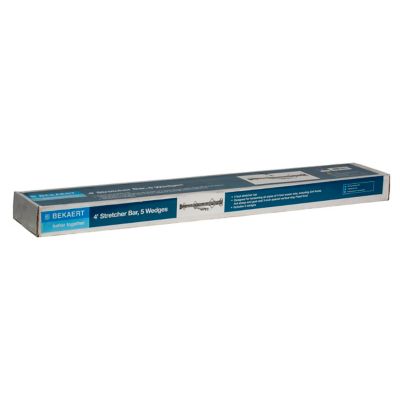
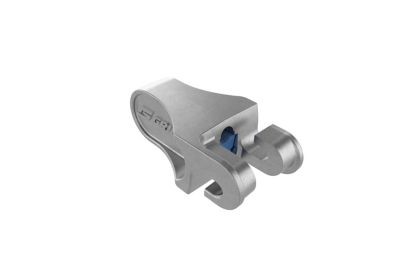
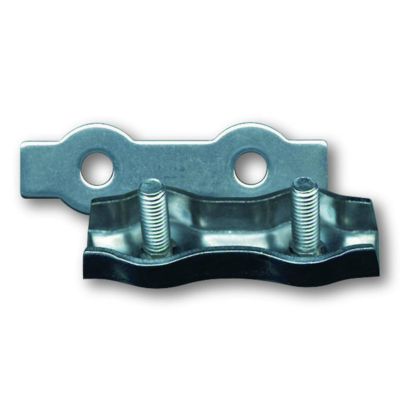
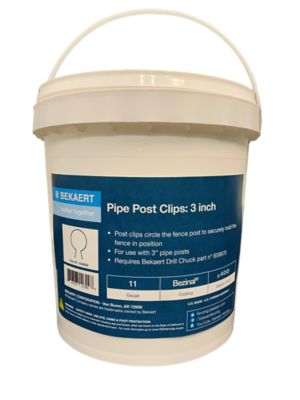
Fence fasteners are the small pieces that keep a fence standing straight, holding tight, and doing its job through changing weather. Whether you are putting in a new run of pasture fence, repairing a leaning garden boundary, or replacing boards on a privacy fence, the right hardware helps connect pickets, rails, wire, panels, and posts. Start by looking at the fence material and the posts it will attach to. Wood pickets and rails call for fasteners made to grip lumber, while wire mesh, livestock fencing, and field fence need hardware that can hold wire snugly without cutting into it. Metal T-posts, PVC posts, and wood posts each have their own connection needs, so matching the fastener to the post is just as important as matching it to the fence. For more ways to finish a fencing project, browse
Fence Accessories. A quick walk around the project area can help you plan before you open a box: check the post spacing, measure the rail thickness, note where corners and gates will sit, and look for places where animals may push, rub, or lean against the fence. A backyard fence may only need to hold boards in place, while a livestock enclosure has to stand up to steady pressure from cattle, horses, goats, or other animals. Thinking through those demands ahead of time can save a trip back to the store and help keep the finished fence firm from the first cool days of fall through the colder stretch of winter.
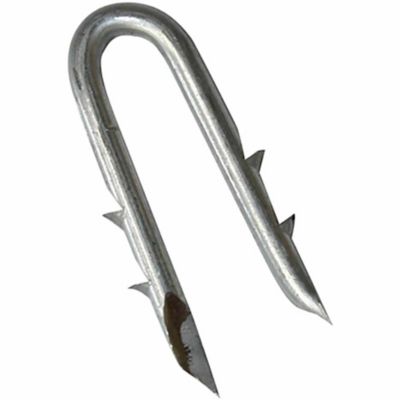
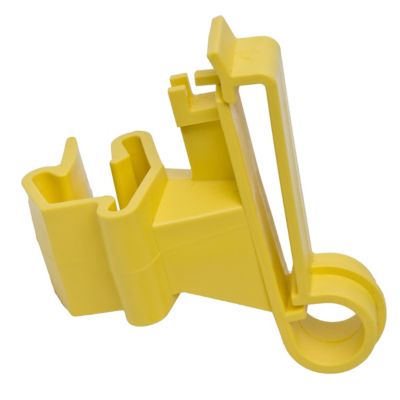
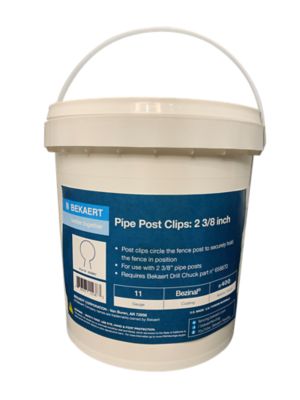
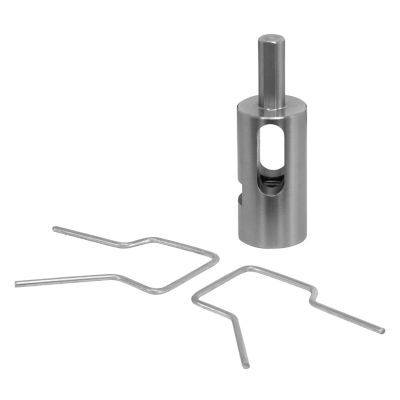
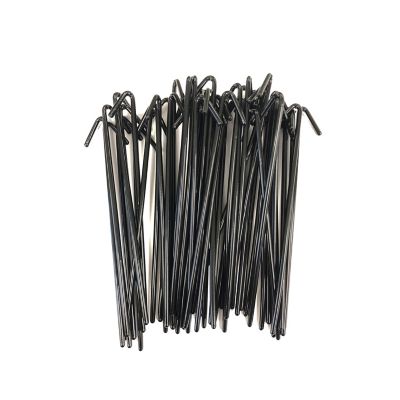
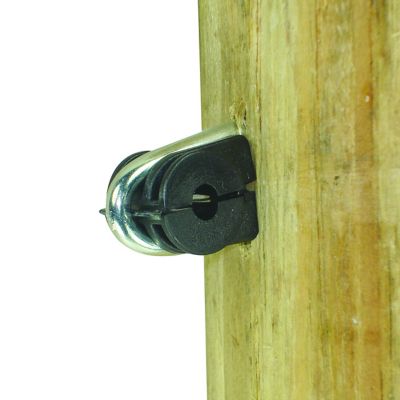
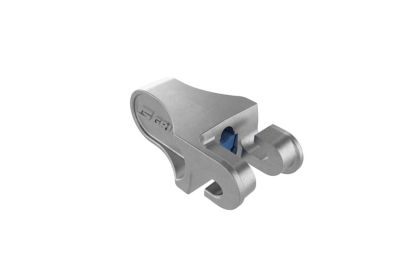
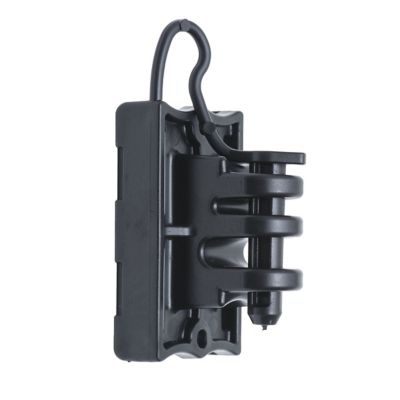
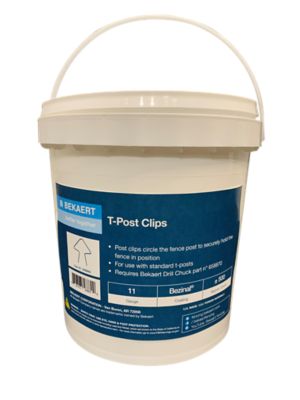
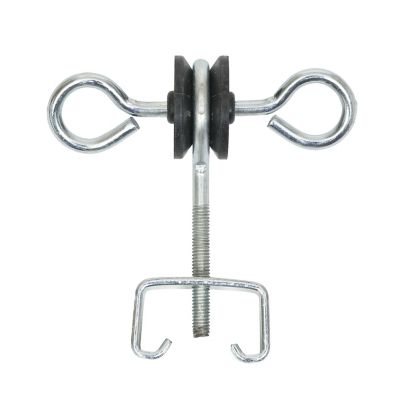
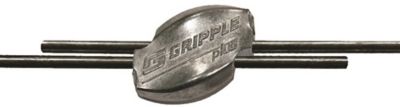
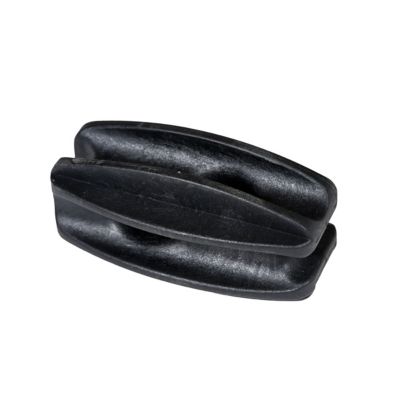
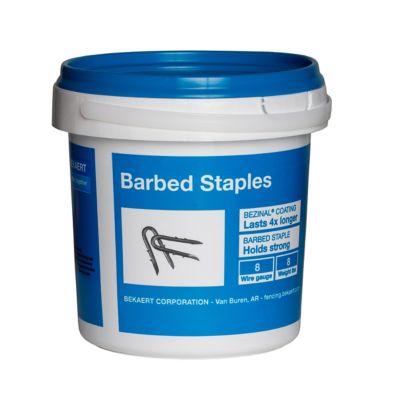
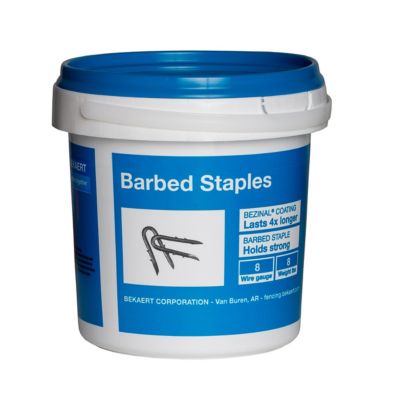
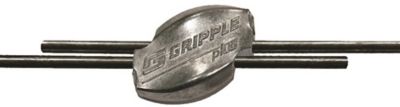
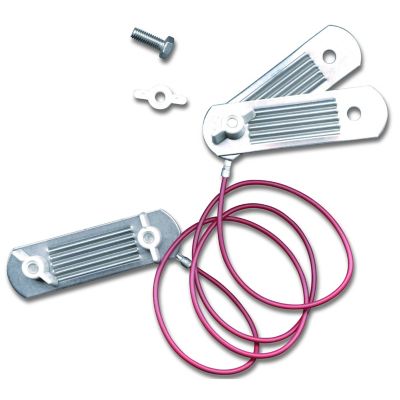
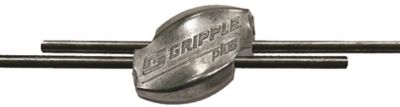
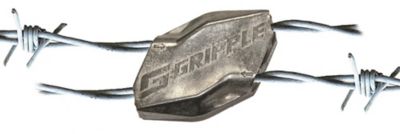
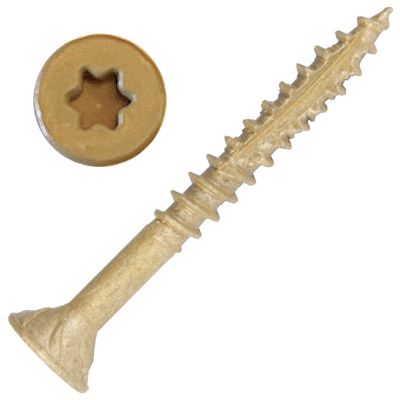
Different fence fasteners serve different jobs. Ring-shank nails have ridges along the shank that bite into wood and help resist backing out, making them a practical choice for attaching pickets where many boards need to be installed in a row. Exterior screws generally provide strong holding power for joining rails to posts, especially at corners, gate openings, and other areas that receive extra strain. Choose a screw length that passes through the rail and reaches well into the post without poking through the far side. U-shaped fencing staples can pin wire mesh, welded wire, poultry netting, and livestock wire to wood posts. For fences that may be pushed by animals or pulled tight during installation, barbed staples help resist pull-out. Wire and post clips connect fencing wire to T-posts, metal frames, or other supports, and they can make it easier to keep each strand at an even height as you move down the line. Post brackets and rail connectors help position horizontal rails against line posts and corner posts, giving the frame a neat, supported connection. Before buying, compare the fastener gauge, length, head style, point, and package count with the work at hand. A narrow fastener may split a thin picket, while one that is too short may not reach far enough into the post. On the other hand, an oversized fastener can pass through a board or weaken the surrounding wood. Keeping a few extra pieces on hand is helpful when a knot, hard grain, bent staple, or stubborn section of wire slows the job.
Outdoor exposure makes the coating and base material worth close attention. Hot-dipped galvanized fasteners have a zinc coating that helps guard against rust in ordinary outdoor conditions, making them a common choice for farm fences, yard fences, and utility enclosures. Stainless steel is well suited to cedar, redwood, damp locations, and areas near the coast, where moisture and wood tannins can lead to dark staining or corrosion around the connection. Ceramic-coated exterior screws are made for outdoor work and can be a good match for treated lumber, whose chemicals may react with some unprotected metals. Keep in mind that fence materials can move as they take on rain, dry in the sun, and freeze during the colder months. Fasteners should hold firmly without crushing the wood or locking the assembly so tightly that normal movement causes splitting. During installation, drive nails and staples straight, seat screw heads flush, and leave enough room for wire to stay tight without being pinched. At corners, gates, and changes in grade, inspect each connection before moving on; these spots carry more tension than a straight, level run. A simple seasonal check can also catch loose hardware, rust marks, pulled staples, or boards that have started to twist. Tightening a connection while the fence is easy to reach is far simpler than repairing a sagging section after wind, frost, or livestock has opened a gap. With the proper fastener for each connection and a little attention to coating, size, and placement, fence repairs and new installations can stay secure as the seasons roll through.