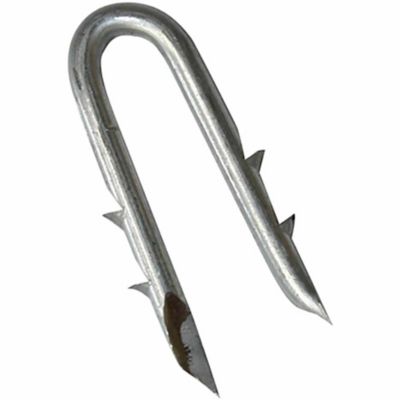
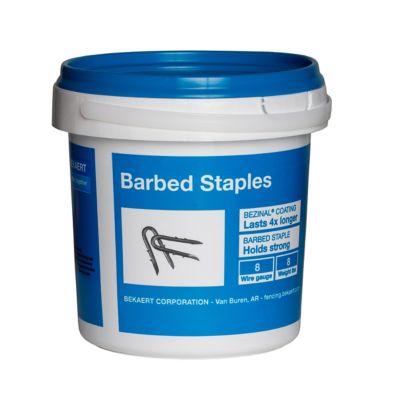
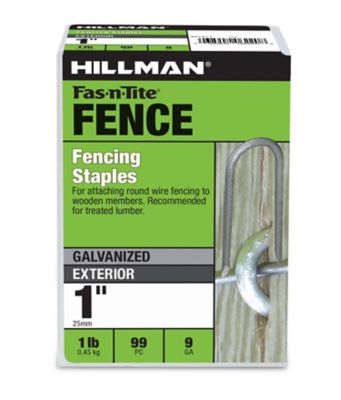
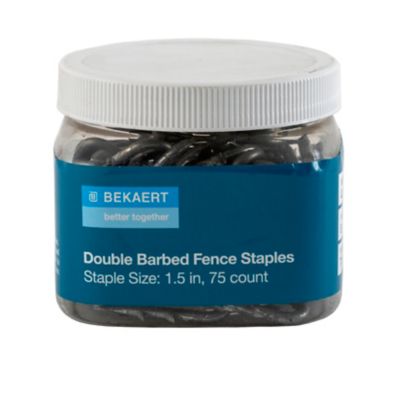
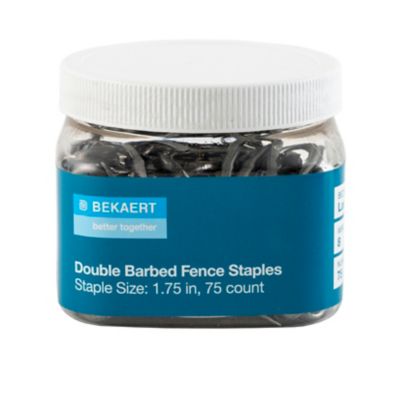
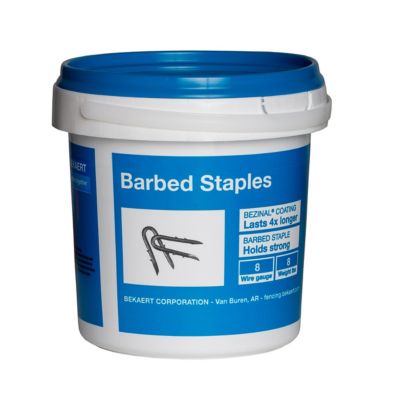
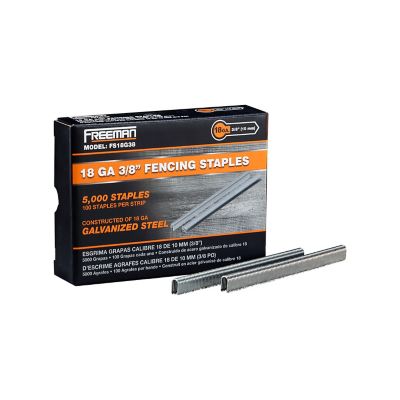
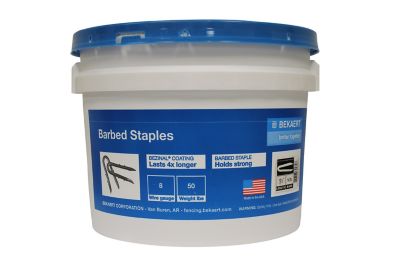
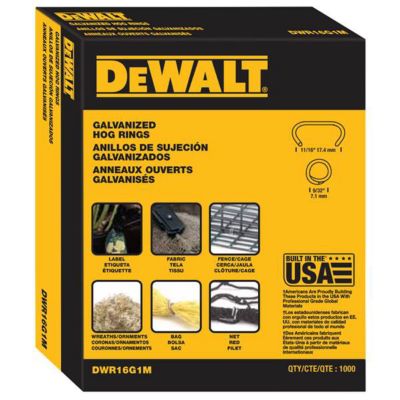
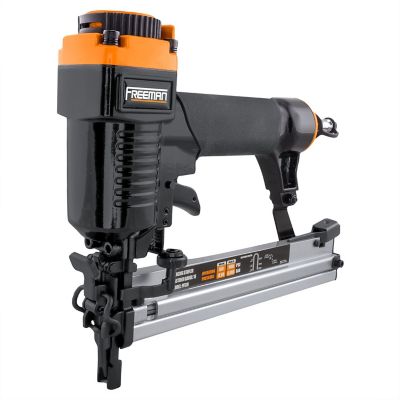
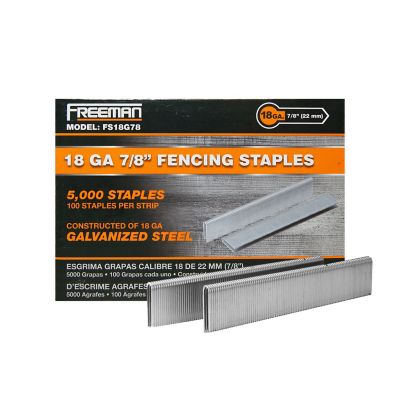
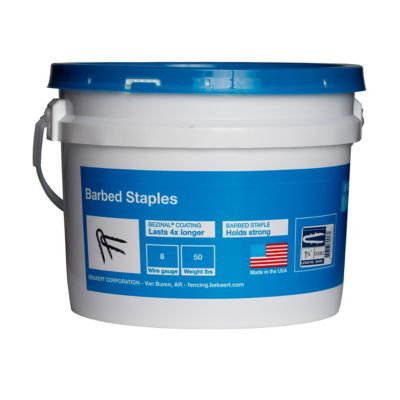
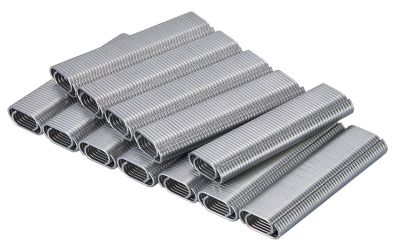
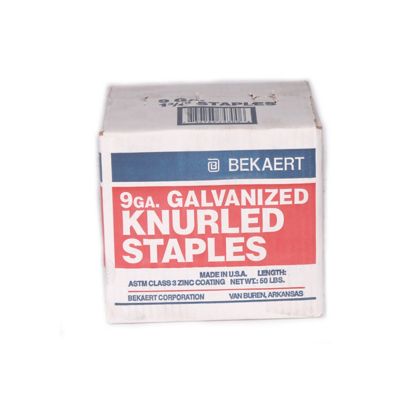
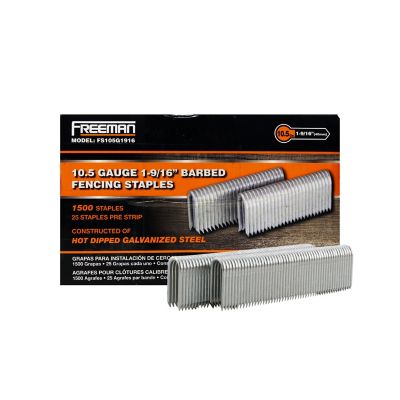
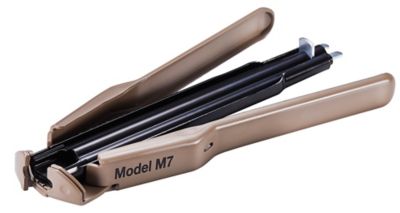
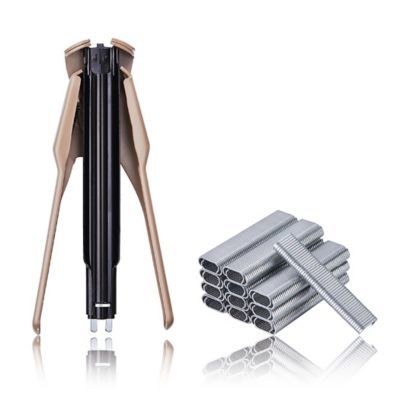
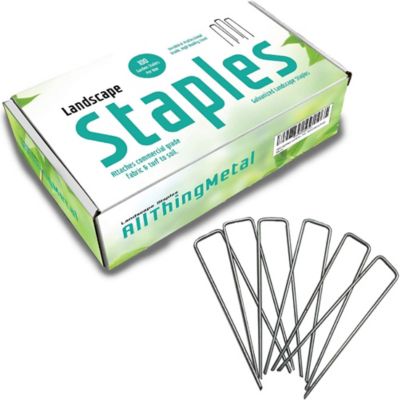
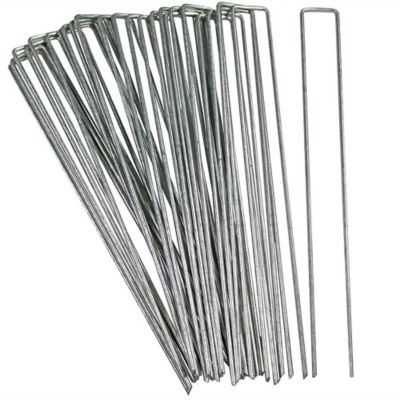
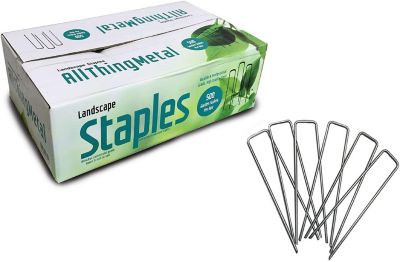
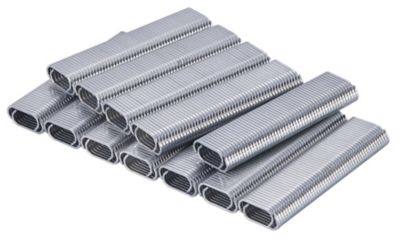
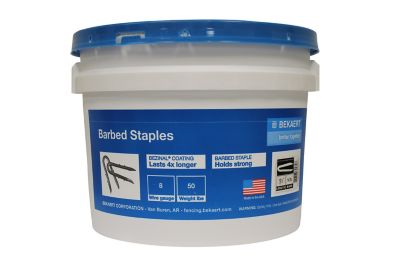
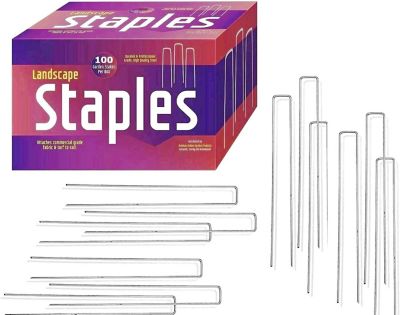
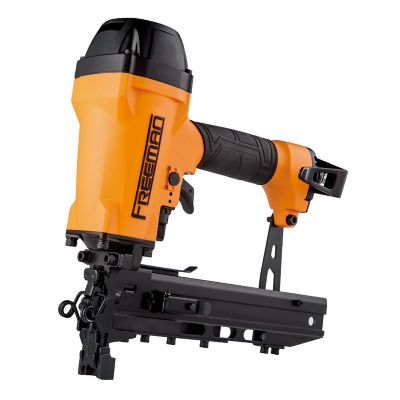
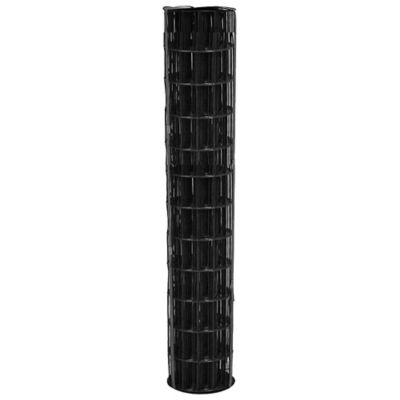
Fencing staples, also called U-nails or fence nails, are made to secure wire fencing to wooden posts and rails with a dependable hold that can stand up to weather, livestock, wildlife and everyday wear. They are commonly used with woven wire, welded wire, field fence, poultry netting, barbed wire and smooth wire, making them a handy part of many farm, homestead and property-maintenance projects. Ranchers use them when setting a new perimeter fence, repairing a section loosened by a storm or keeping a gate-side run from pulling away from its posts. Gardeners and small-acreage owners may use them to attach wire around a vegetable garden, orchard or chicken yard, while hunters and landowners may reach for them when adding a simple boundary or repairing an older fence line during the cooler months. When choosing fencing staples, match the staple length and strength to the wire and the post material. Heavier wire, firm tension and larger wooden posts generally call for a longer, heavier-duty staple, while lighter mesh around a garden or small animal enclosure may not need the same size. Pay attention to the staple’s construction, too. Galvanized steel helps resist rust in damp soil, humid air and changing outdoor conditions. Barbed staples are designed to help prevent backing out over time, and knurled or grooved legs add friction in the wood for extra holding power. Collated fencing staples are made for compatible cordless or pneumatic fencing nailers and can help speed up long stretches of work, while loose staples are a practical choice for hand installation, small repairs and jobs where you want to place every fastener with care. Think about the kind of wood used for the posts, whether the fence will be pulled tight, and how much exposure it will face before settling on a size and style. A fence that looks sound at the start of a project can loosen quickly if the fasteners are too short, too light or poorly suited to the job, especially after repeated rain, frost, heat and animal pressure.
A good installation starts with sound posts and properly positioned wire. Set the wire against the side of the post and drive the staple over the wire without crushing it tight against the wood. This small gap matters: wire can expand and contract as temperatures shift, and it needs a little room to slide when a branch falls, an animal leans against the fence or the line takes a hard bump. Hard-stapling the wire can create a weak spot where the wire kinks, breaks or pulls loose from the post. Place the staple at a slight angle rather than driving it perfectly straight. For right-hand cut staples, turning the staple roughly 15 to 30 degrees clockwise as it is driven can help the legs flare outward into the wood instead of folding together, which improves holding power. Use a hammer with a face that fits the work and strike with controlled blows, stopping once the staple is firmly seated while the wire can still move beneath it. On a long run, stagger staples rather than placing several directly above one another along the same grain of a wooden post. Spacing them apart helps reduce the chance of splitting or cracking, especially in dry posts or softer wood. At corners, ends, gates and changes in direction, the wire carries more pull, so take extra care with post strength, wire tension and staple placement. Avoid placing a staple right at the edge of a post, where the wood is more likely to split. A pair of gloves, eye protection and a sturdy set of wire tools can make the work easier, since cut wire ends are sharp and tensioned fencing can spring back without warning. For a repair, brush away loose bark and dirt, remove bent or rusted fasteners when practical, pull the wire back into position and add fresh staples to solid wood rather than simply driving new ones into a damaged hole. During late summer and fall, when pasture work, garden cleanup and storm repairs often overlap, keeping a few extra staples on hand can save a trip across the property when a short section starts to sag.
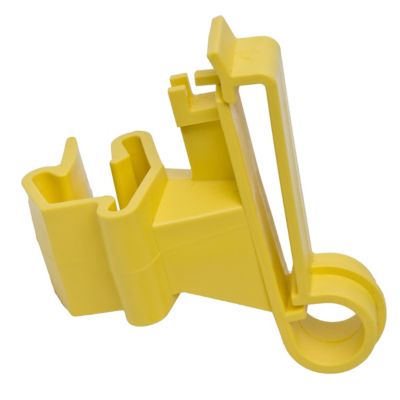
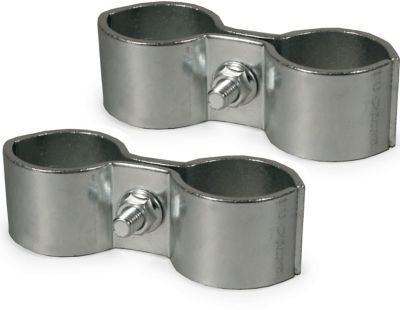
Fencing staples are useful to keep in a farm toolbox, shop cabinet or truck box because fence maintenance rarely happens at a convenient time. A handful can help secure loose mesh around a compost area, fasten a temporary livestock divider or make a quick repair before weather turns rough. They can also be a practical gift for a new landowner, homesteader, gardener, hobby farmer or anyone building an animal enclosure, especially when paired with basic fencing tools and gloves. Before buying, estimate the length of the fence and allow extra fasteners for corners, braces, gates, repairs and missed strikes. Pack counts vary, so comparing the total number of staples with the size of the project can be more useful than looking only at the package price. Store unused staples in a dry place, and keep different lengths separated so the right fastener is easy to find when you are standing at a post with wire in one hand and a hammer in the other. Fencing staples are intended for fastening wire to wood; if your project involves connecting wire to metal posts, joining fence sections, or making an adjustable connection, a different fastening method may be better suited. In those cases,
Fence Clamps can be worth considering for the connection at hand. With the right staple, a little patience and careful placement, a fence can stay neat and secure through changing temperatures, wet ground, animal contact and the ordinary knocks that come with life on a working property.