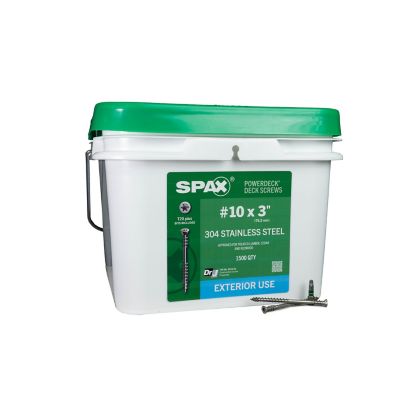
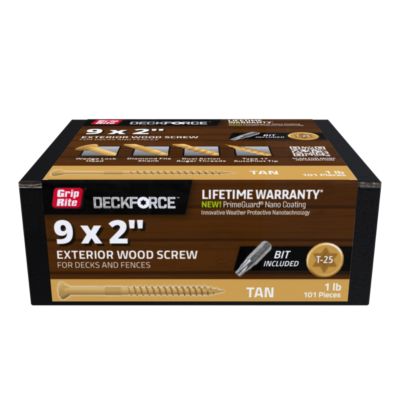
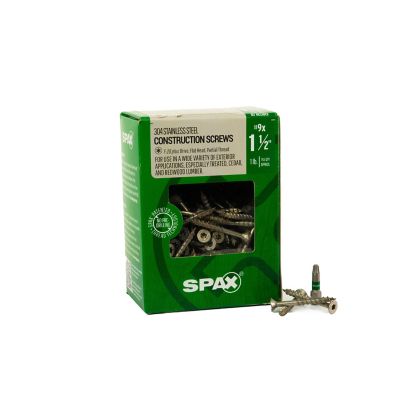
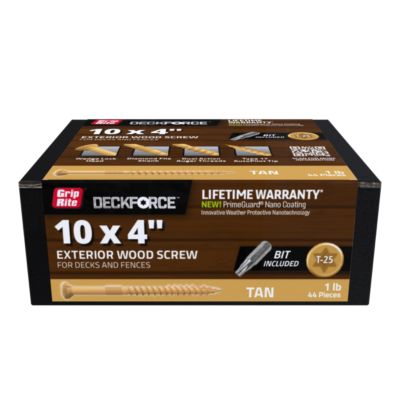
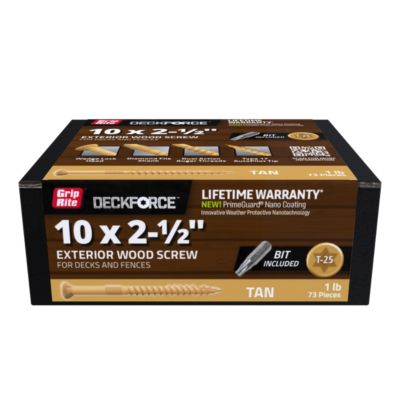
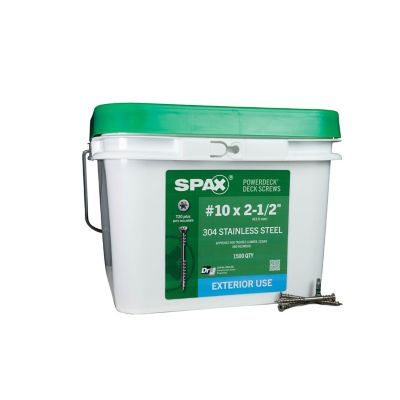
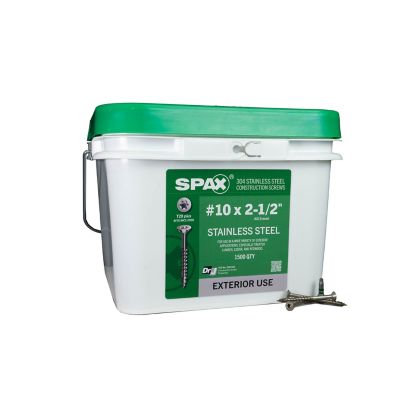
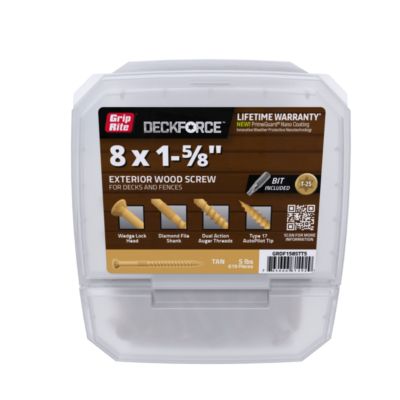
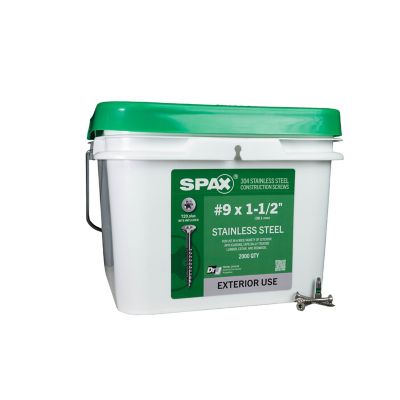
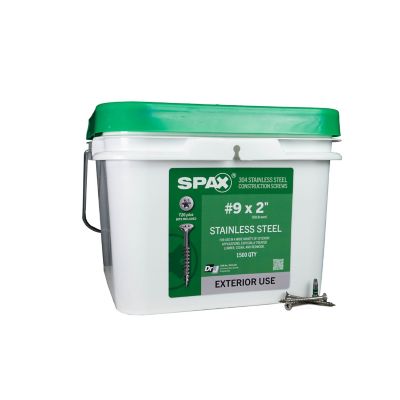
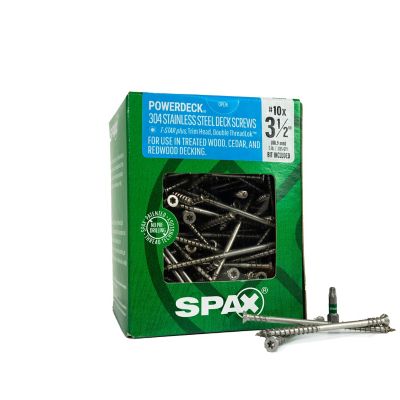
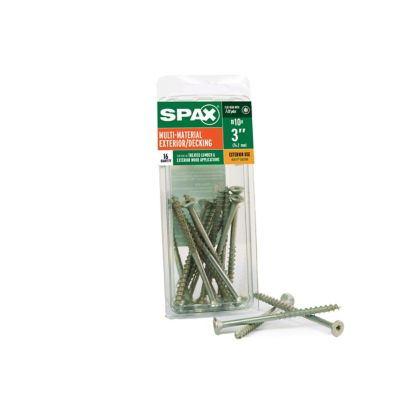
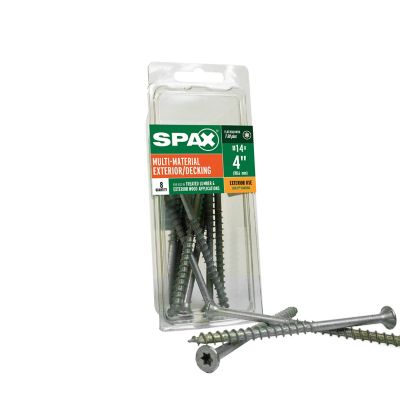
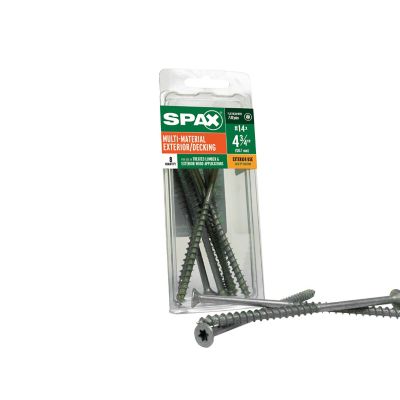
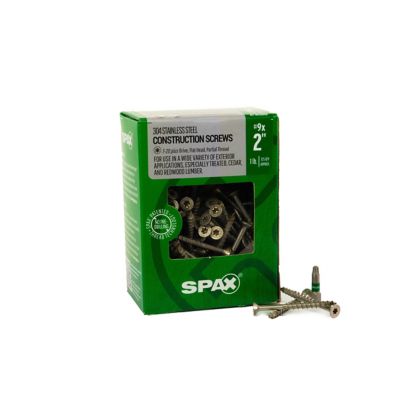
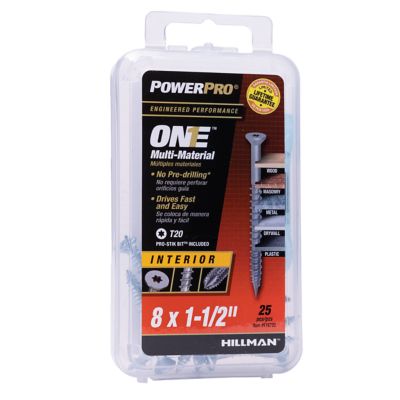
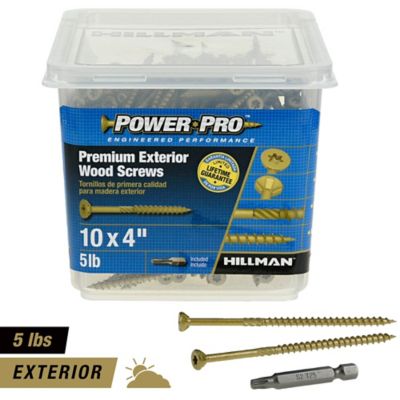
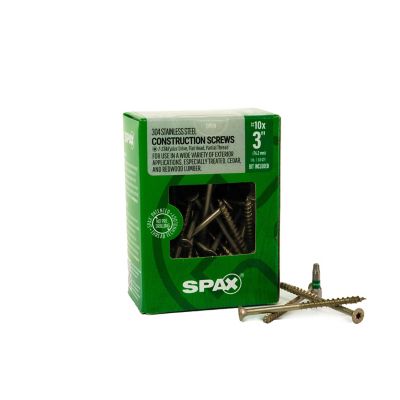
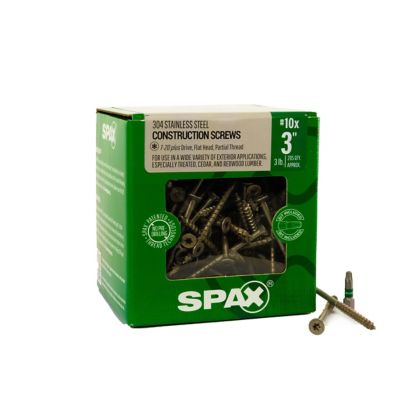
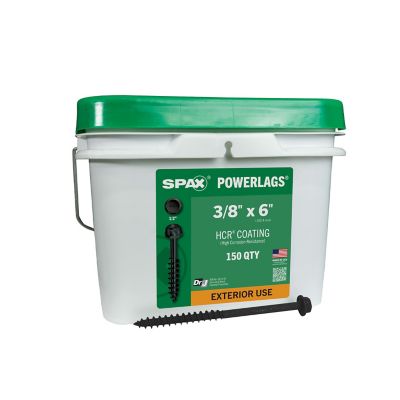
Wooden deck screws are exterior-grade fasteners designed to secure wood decking to supporting framing, with threads that grip the lumber and heads that sit neatly at the board surface. They’re a practical part of building a back porch, replacing worn deck boards or finishing a landing outside the shop. The main choices generally include coated steel and stainless steel, with the right match depending on the lumber, exposure and fastener specifications. Coated steel deck screws have a protective finish intended to slow corrosion; some feature ceramic or polymer-based coatings. Stainless steel screws resist corrosion through the metal itself rather than relying solely on a surface coating. Neither description tells the whole story, though, because coating performance and stainless steel grades vary. Pressure-treated lumber deserves particular attention: preservatives can be hard on incompatible metal, so the screw’s stated compatibility with the wood treatment matters more than its color or appearance. A plain zinc-plated interior screw isn’t a substitute for a fastener rated for exterior decking and the treatment involved. For projects where moisture exposure or treated lumber makes fastener selection especially important,
corrosion resistant deck screws bring that consideration into focus. Stainless steel can also be worth considering where salt exposure is a concern, with the appropriate grade determined by the setting and manufacturer’s recommendations. The same care applies to matching fasteners with nearby metal connectors, since contact between incompatible metals can contribute to corrosion. Around a farmhouse porch or a deck beside the barn, these details help keep the fastening system suited to the job rather than simply matching what’s already in the toolbox. Exterior suitability, lumber compatibility and the intended fastening application are the foundation of a sound choice. A screw that looks right on the shelf still needs the right specifications for the boards and framing it will join.
Screw length, diameter and head design affect how a deck board connects to the joist underneath it. The length needs to account for the board’s actual thickness while providing the penetration into framing called for by the fastener manufacturer or project specifications. Nominal lumber dimensions can be misleading here, since a board’s trade size is not always its finished measurement. A thicker board, a dense hardwood surface and a thinner replacement plank can each call for a different fastener selection. Longer isn’t automatically better, especially where clearance below the decking is limited or other building components sit close to the fastening path. Diameter matters, too: a heavier shank changes both the holding characteristics and the chance of splitting narrow boards or material near an end. Many wood deck screws have coarse threads for gripping wood, while partially threaded designs can help pull a deck board against the framing when the smooth section and threaded section are positioned correctly. Fully threaded screws have their own applications, so thread style belongs alongside length and diameter in the comparison. Points and cutting features also vary, with some designs intended to reduce driving effort or splitting. Those features don’t remove every need for pilot holes, particularly in dense lumber or near board ends. Star-drive and square-drive recesses are common choices because a properly matched bit can maintain positive engagement during driving. The bit size must match the recess, not just look close enough to catch. Countersinking or bugle-style heads can leave a neat finish when the screw is suitable for the decking and driven to the specified depth. A head buried too deeply can crush wood fibers and leave a pocket that collects moisture and dirt. For a porch where boots, chair legs and feed buckets pass all day, a consistent fastening surface matters just as much as a tidy row of screw heads. Screw placement and spacing still depend on the decking instructions, board dimensions and support layout.
The best fit also depends on what the deck is meant to handle and how the lumber looks once everything is fastened down. A wide gathering deck behind the house, a small entry platform and a walkway between outbuildings may all have wood surfaces, but their board thicknesses, framing arrangements and exposure can differ. Softwood decking and dense hardwood decking do not necessarily accept the same screw with the same driving effort. Color-matched screw finishes can make fastening points less noticeable, while exposed stainless steel heads give a different appearance; neither finish takes the place of confirming material compatibility. Regular deck screws should not be assumed suitable for composite decking, metal framing or concealed fastening systems unless the manufacturer specifically lists those applications. They also aren’t interchangeable with the approved structural screws, bolts or connector fasteners specified for ledger boards, joist hangers, posts or guard assemblies. Holding down a walking surface and supporting the deck’s structure are different jobs. For repair work, the condition of the lumber matters as much as the replacement screw. Rot, split board ends or damaged joists cannot be corrected simply by driving in another fastener, and a loose connection may need closer attention before the surface is put back into service. Routine care includes keeping debris from collecting around screw heads and checking for raised heads, staining, looseness or deteriorating wood. Cleaning products should be compatible with both the decking and the fastener finish. Replacement fasteners need the same careful match to the wood, treatment and application as the original installation. For property owners, carpenters and anyone tackling deck upkeep around the place, the useful comparison comes down to clear specifications: exterior rating, corrosion protection, wood compatibility, dimensions, drive style and intended connection. Those details make it easier to match wooden deck screws to the work, whether the project covers a few replacement boards or a whole new deck surface.