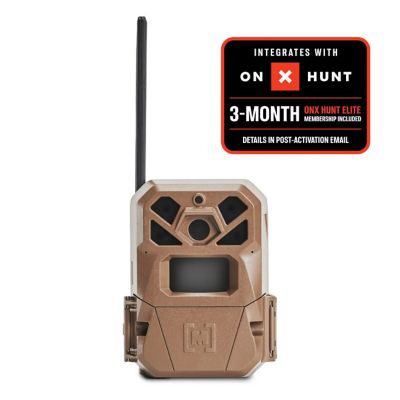
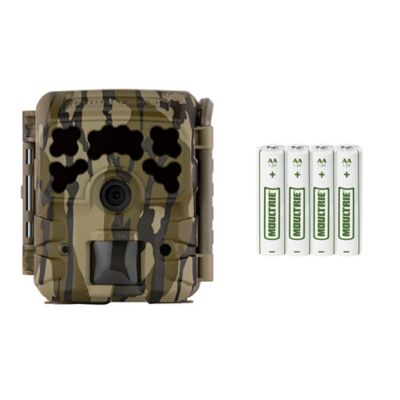
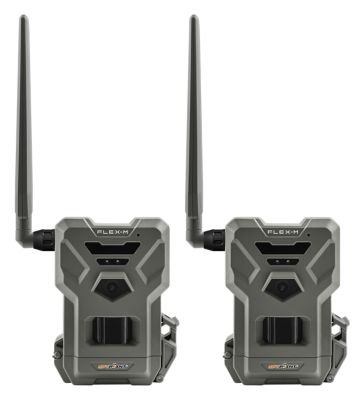
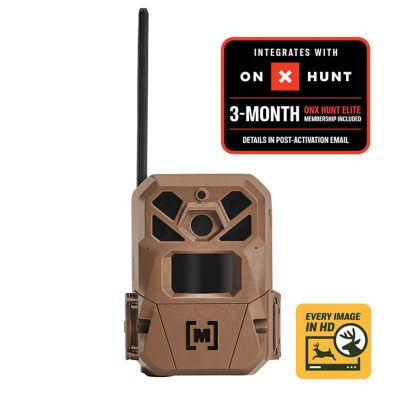
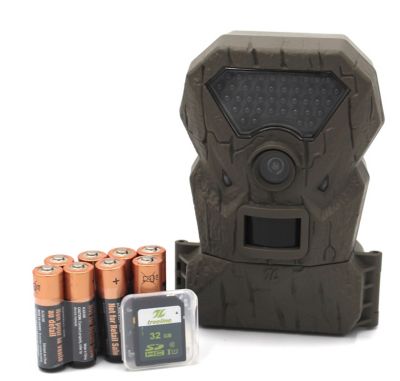
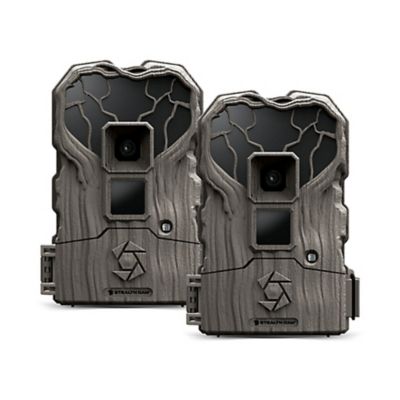
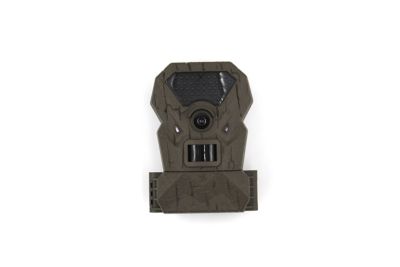
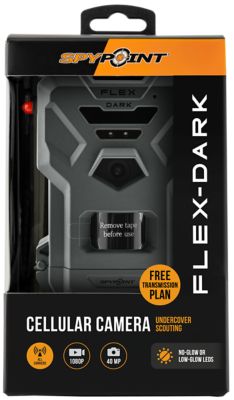
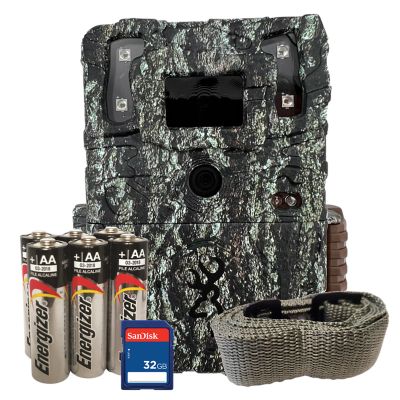
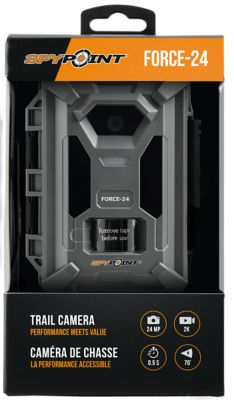
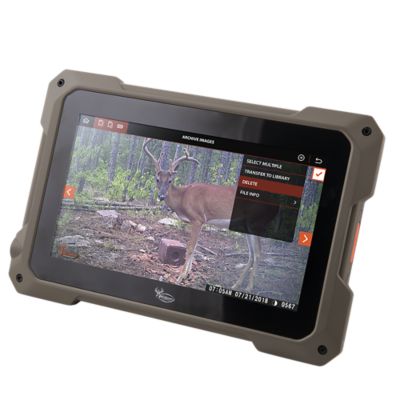
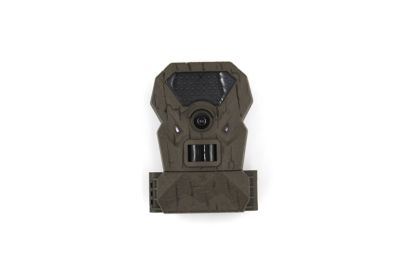
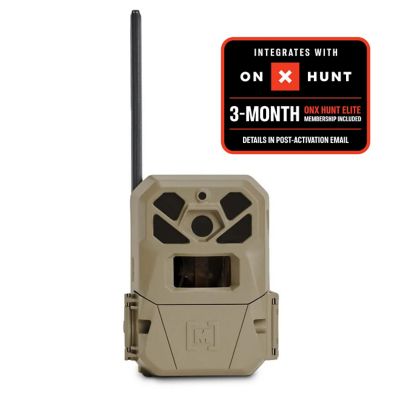
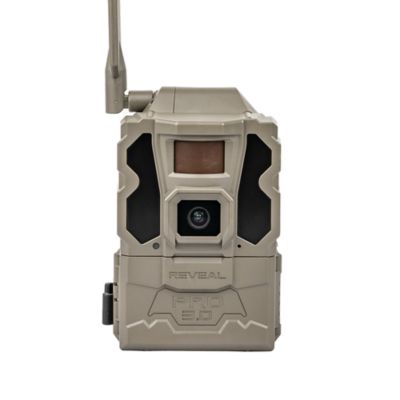
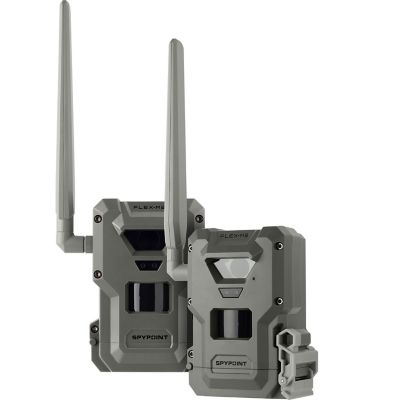
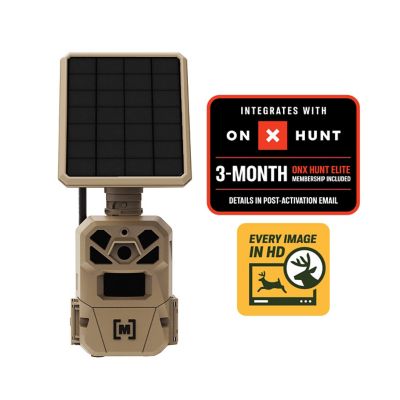
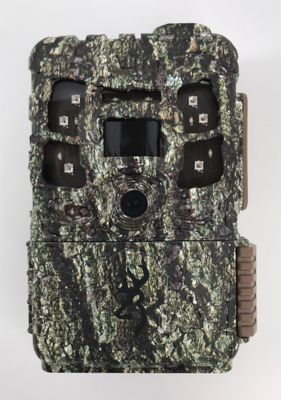
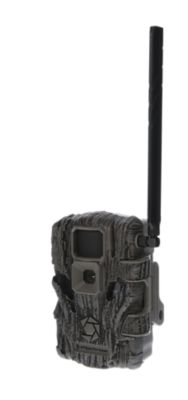
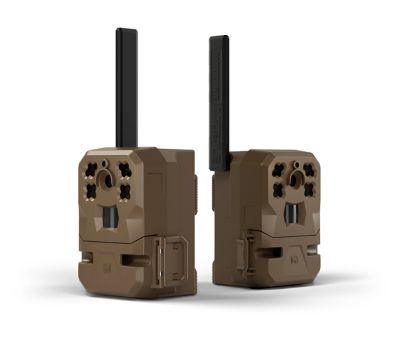
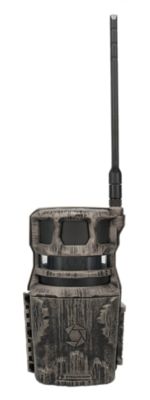
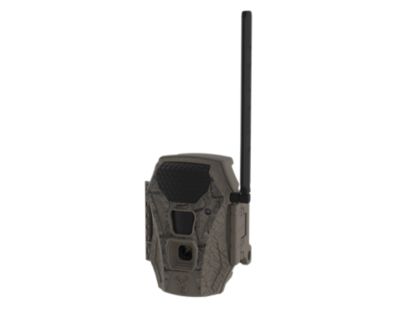
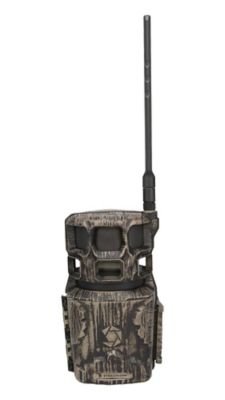
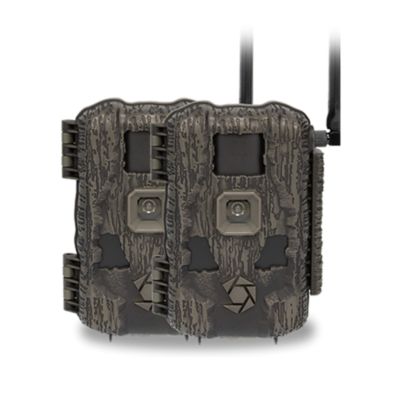
Wildlife trail cameras give you a quiet way to keep an eye on the woods, field edges, fence lines, and open ground around your property without sitting in a blind or walking through the area every day. These motion-activated outdoor cameras are made to capture photos and videos when an animal passes within range, making them useful for watching deer, turkey, raccoons, foxes, coyotes, birds, and other wildlife. They can also help landowners check remote gates, monitor feeders where permitted, observe livestock areas, or keep track of activity around a cabin or outbuilding. During the warmer part of the year, a camera may catch deer moving through tall cover at first light, while the cooler months can reveal changing travel routes as animals seek food and shelter. A trail camera can turn an overlooked corner of your land into a window on the natural world. Many people enjoy checking images after a long day of chores and finding a doe with her young, a buck passing through after dark, or a family of birds using the same brushy edge day after day. These cameras are also a thoughtful gift for hunters, wildlife watchers, landowners, farmers, outdoor photographers, and anyone who enjoys learning what moves across their property when people are away. For a broader look at outdoor monitoring options, visit
Game Cameras.
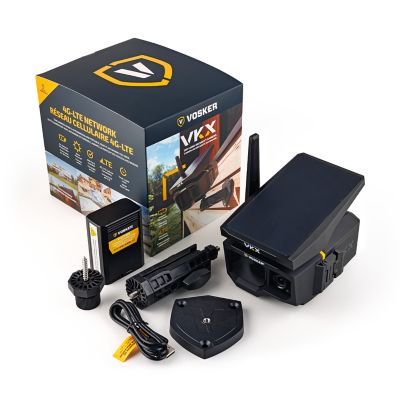
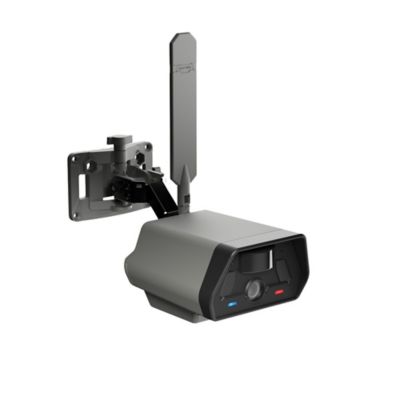
When comparing wildlife trail cameras, start with the conditions where the camera will be used and the kind of information you want to collect. Trigger speed matters when animals move quickly across the frame; a fast trigger, often measured around 0.1 to 0.5 seconds, can help capture a running coyote, a turkey stepping through cover, or a deer that only gives the camera a brief view. Detection range and detection angle are also important, since a camera that reaches farther may cover a larger opening, while a wider angle can pick up movement approaching from the side. Photo resolution affects how clearly you can see details such as antler shape, markings, or the number of animals in a group. Video can provide more context by showing how an animal enters the area and where it goes next, and options with high-definition or 4K recording can produce sharper footage when lighting is good. Night vision allows the camera to work after sunset, when much of the most interesting activity takes place. Infrared flash is commonly available in no-glow, low-glow, or visible-flash styles. No-glow and low-glow options are designed to limit the visible light that might startle animals, while a visible flash may provide brighter nighttime images but can be more noticeable. Storage is another practical choice. Cameras that save files to an SD card are often simple to set up and work well when you can visit the property to collect images. Models with Wi-Fi or Bluetooth may allow short-range access through a phone, while cellular LTE cameras can send photos directly to a mobile device from locations with a compatible signal. Cellular service may involve separate activation or data costs, so it is worth considering the ongoing expense along with the purchase price.
A dependable setup starts with a sensible location and a little patience. Place the camera along a visible trail, near a field entrance, beside a water source, or where tracks and droppings show regular animal traffic. Look for natural funnels such as gaps in brush, crossings under a fence, narrow strips between timber and pasture, or the edge of a crop field. Avoid pointing directly into the rising or setting sun, since glare can wash out images and make it harder to see details. Mounting the camera several feet off the ground and angling it slightly toward the expected direction of travel can help keep animals centered in the frame. Clear small branches, weeds, and tall grass from in front of the lens so they do not trigger false images when the wind picks up. Before leaving, check the batteries, confirm the date and time, format the memory card as directed, and test the detection zone. Weather-resistant construction is especially helpful when a camera will remain outdoors through rain, dust, heat, or freezing conditions. Battery life may depend on how often the camera triggers, how much video it records, the temperature, and whether it uses cellular transmission, so choose a power setup that fits how often you can check the site. It is also smart to review local hunting, privacy, and property rules before placing a camera near shared land, public areas, roads, or neighboring boundaries. Whether it is used to scout a familiar deer trail, document the wildlife around a rural home, or give a curious youngster a closer look at nature, the right trail camera makes outdoor observation easy, discreet, and rewarding.