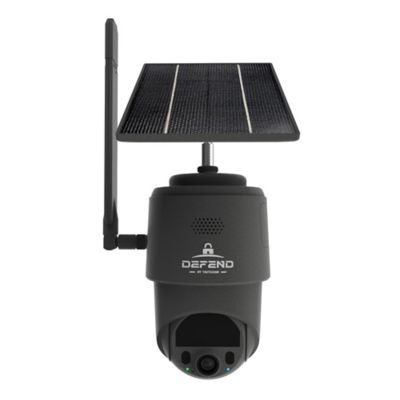
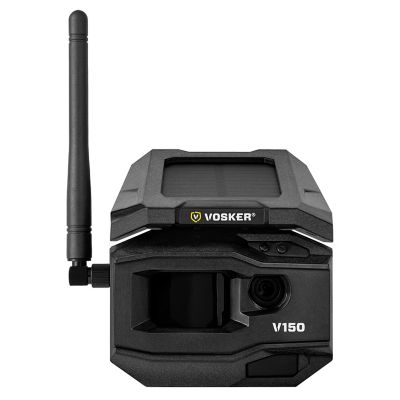
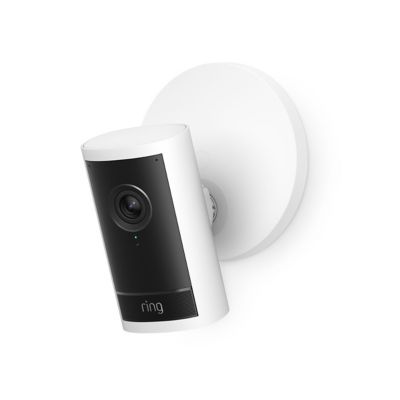
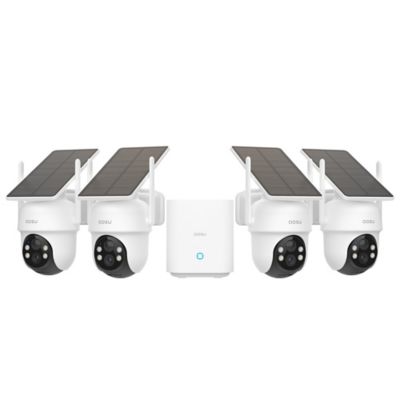
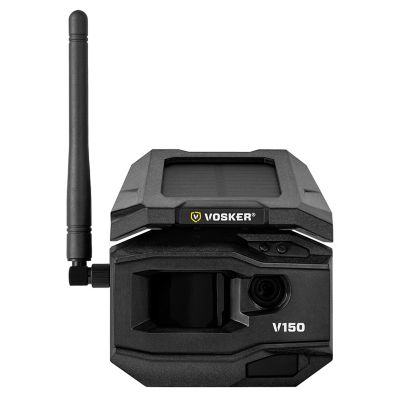
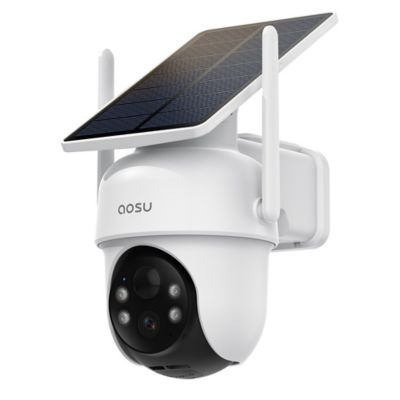
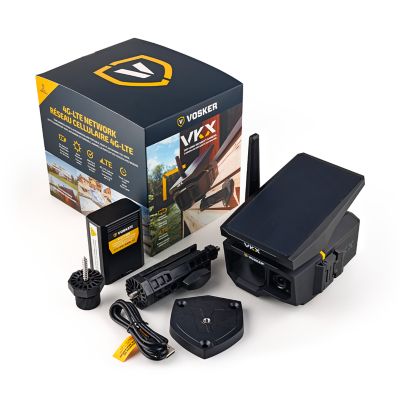
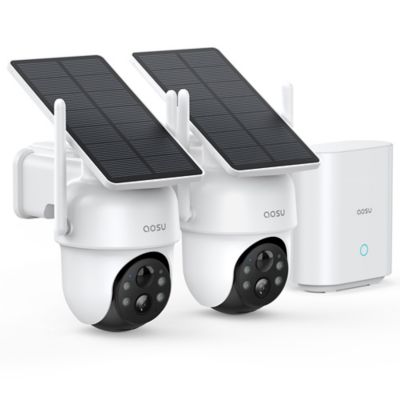
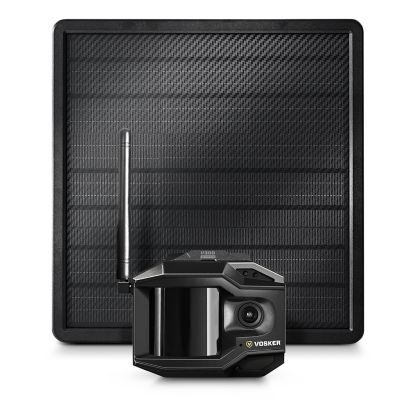
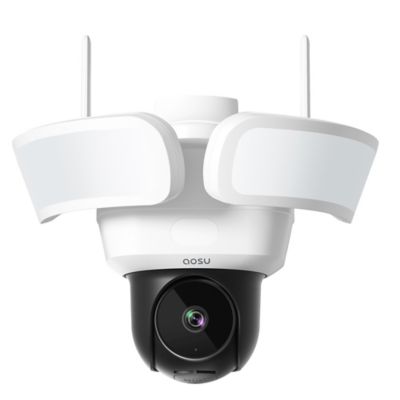
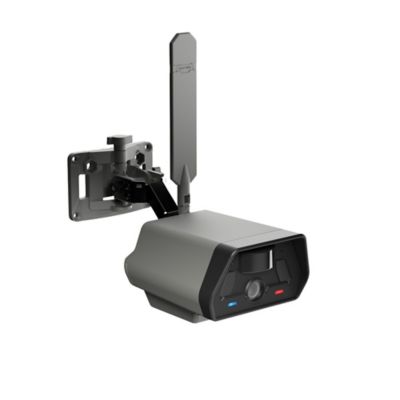
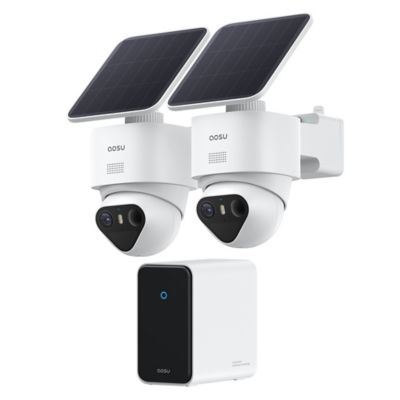
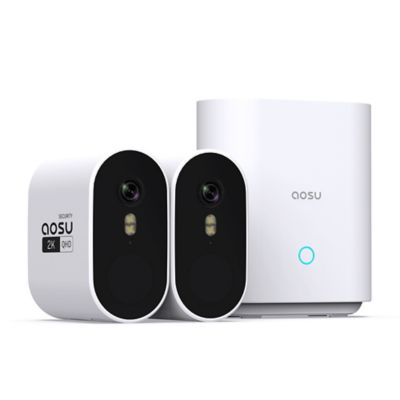
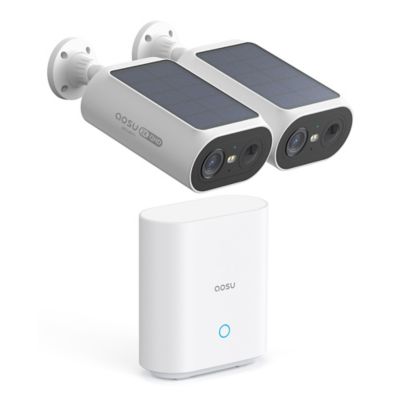
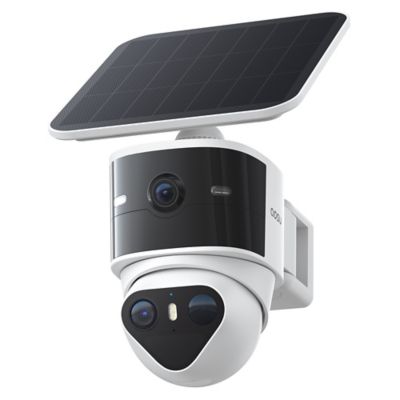
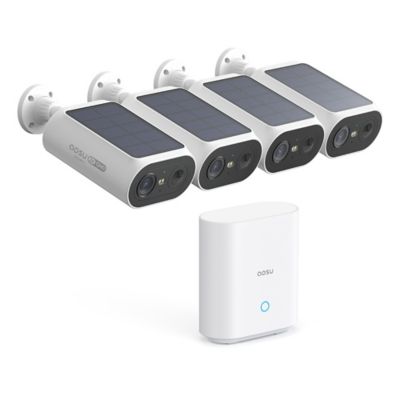
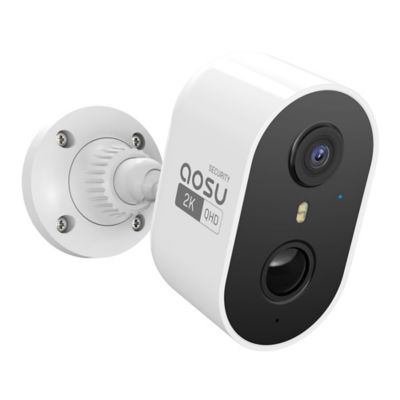
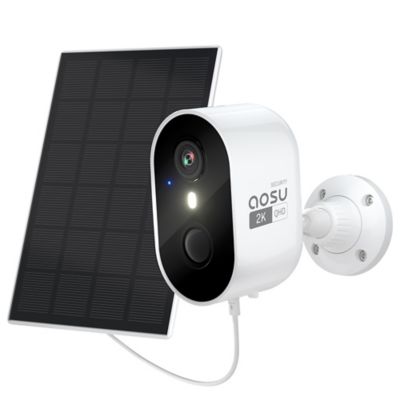
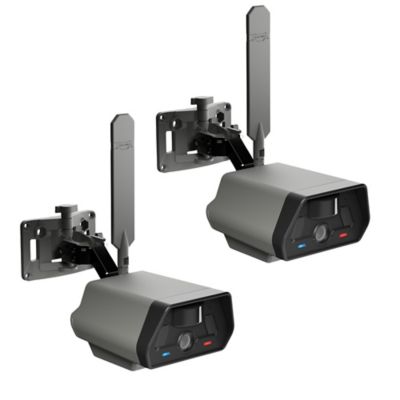
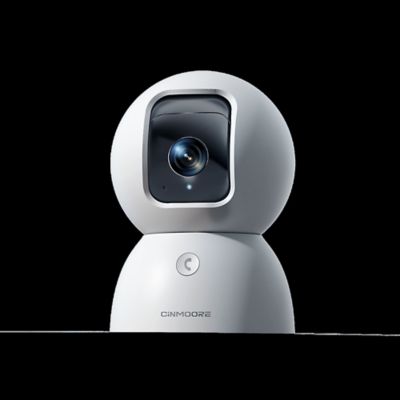
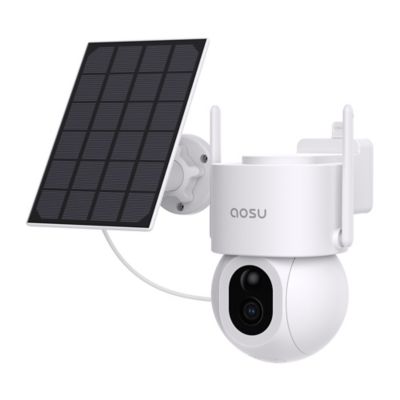
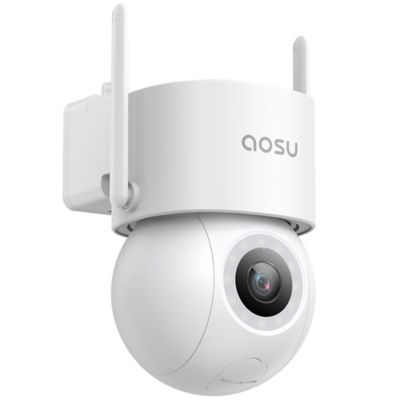
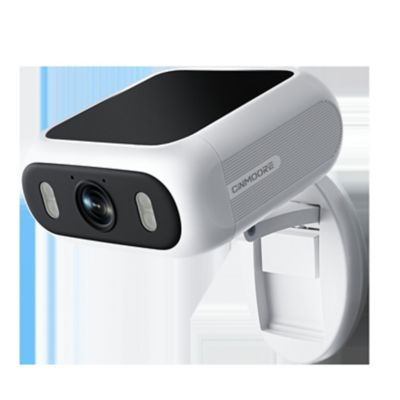
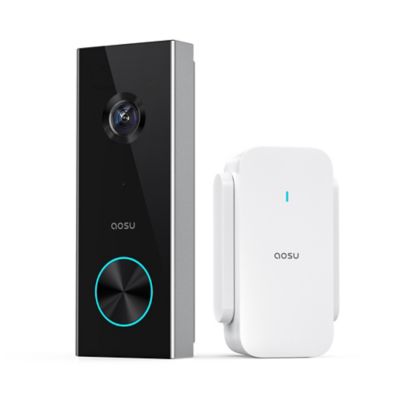
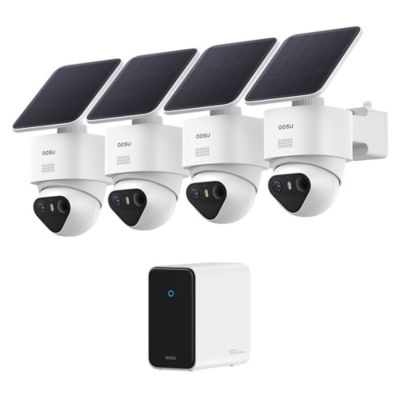
A security camera for a cabin needs to match two things first: the property’s power source and its connection to the outside world. A cabin with electricity and Wi-Fi can support cameras that connect through the existing network, while a cabin without Wi-Fi may call for a cellular security camera. Cellular cameras connect through a compatible mobile network rather than a cabin router, so coverage at the actual mounting location matters. They generally require an active cellular service plan. Battery-powered cameras with compatible solar charging can suit cabins without electrical wiring at the camera location, though charging performance and battery life depend on placement, recording activity, and the equipment’s requirements. Solar charging does not provide an internet connection, and cellular connectivity does not supply power; those are separate parts of the setup. A Wi-Fi camera can also work through a compatible cellular hotspot or satellite internet connection, provided that network equipment has power and supports the camera’s connection requirements. For a place beyond cellular coverage and without internet service, a camera with local recording may still capture footage, but remote viewing and immediate phone alerts generally require a working connection. That distinction matters when the cabin sits an hour down a gravel road and checking on a motion alert means deciding whether to make the drive. Plug-in and wired cameras can suit frequently occupied cabins or buildings with established electrical service. Battery models offer more freedom around a porch, gate, or detached shed, with periodic charging or battery replacement as part of their care. Wireless describes how a camera communicates, not necessarily how it receives power. A camera advertised as wireless may still need an outlet, while a battery camera may still need Wi-Fi. Recording habits matter, too: frequent motion clips, repeated live viewing, and continuous recording can increase power consumption, data use, and storage needs. A setup intended for occasional visits deserves attention to those ongoing demands, not just the camera’s appearance.
The most useful cabin camera views tend to cover the places people actually approach: the front steps, side door, driveway entrance, and path between the cabin and an outbuilding. A broad view can show a pickup entering the clearing, while a tighter view near an entrance may provide more useful detail about a visitor’s face or a package left beside the door. Resolution contributes to detail, but lens angle, distance, lighting, and mounting position also shape what appears in the recording. Digital zoom enlarges the image already captured; it cannot supply detail that was never recorded. Night vision deserves the same practical consideration. Infrared illumination can help capture activity without visible lighting, while color footage after dark generally depends on available light or a camera’s built-in illumination. A camera looking through a window may pick up reflections from its own infrared lights, making an indoor placement less useful for watching the porch after dark. Motion detection features can help separate activity worth checking from movement that does not need attention. Person, vehicle, and animal detection may reduce unnecessary notifications, though results vary with the scene and camera capabilities. Activity zones can keep attention on the gate rather than a nearby road, and adjustable sensitivity can make a busy wooded setting more manageable. Outdoor placement also calls for an enclosure rated for the exposure it will face, with attention to water and dust protection, sealed connection points, and suitable cable routing. Metal and impact-resistant plastic housings offer different construction choices; the enclosure rating and installation requirements matter more than appearance alone. Mounting hardware should suit the supporting surface, whether that is a timber post, siding, or masonry. A firm bracket helps keep the view steady, and accessible placement makes lens cleaning and battery service less of a chore. Dust, cobwebs, and insects near the lens can interfere with footage, especially when infrared light reflects off something close to the camera. A soft cloth and cleaning methods approved by the manufacturer help protect the lens and housing.
Recording and access features shape how well a cabin security camera fits the way the property is managed. Local memory cards can keep footage at the camera, while a compatible recorder can bring several camera feeds together. Cloud recording stores footage away from the cabin when the camera and service support it, which can be helpful if equipment is damaged or taken. Storage capacity, recording length, and overwrite settings affect how far back footage remains accessible. Motion-triggered recording conserves storage compared with continuous recording, but clip length and the delay between events can affect how much of an arrival or departure gets captured. Some cameras offer pre-event recording or longer event clips; those capabilities vary by model and power arrangement. For an owner checking in from home, phone notifications and a clear event history can make it easier to see whether someone reached the door or simply turned around in the lane. For family members sharing a cabin, separate account permissions can give each person appropriate access without passing around one password. Two-way audio may help with a visitor or delivery, provided the connection supports a clear conversation, but it is not a substitute for an emergency response plan. Strong account passwords, multifactor authentication when offered, and software updates help protect remote access. Camera placement also deserves respect for neighbors and guests: views can stay focused on the cabin’s approaches rather than neighboring windows or private spaces, and audio recording may be subject to state and local rules. Properties with a separate livestock shelter or equipment building may have additional needs reflected in
Security Camera for Barn options, particularly where entrances and work areas sit beyond the cabin’s view. Hunters, landowners, family cabin owners, and property caretakers may each favor different coverage, but the practical goal stays much the same: useful footage of the places that matter, accessible when needed. Cameras work best as one part of that effort, alongside sound locks, secured gates, and someone nearby who can check the property when an alert warrants a closer look.