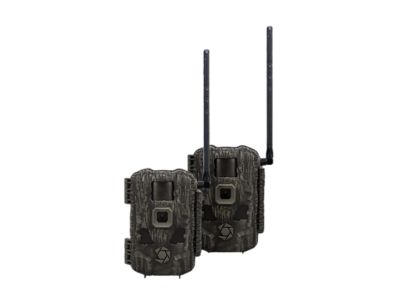
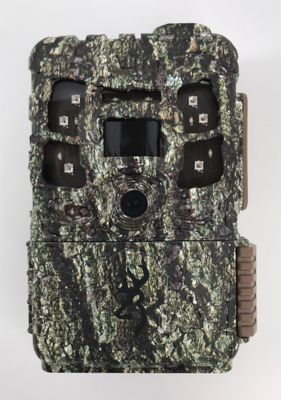
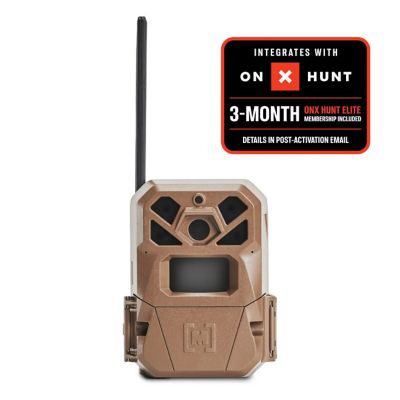
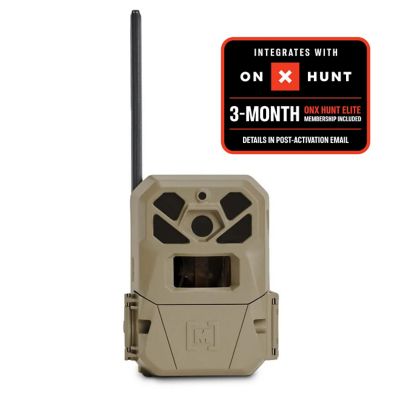
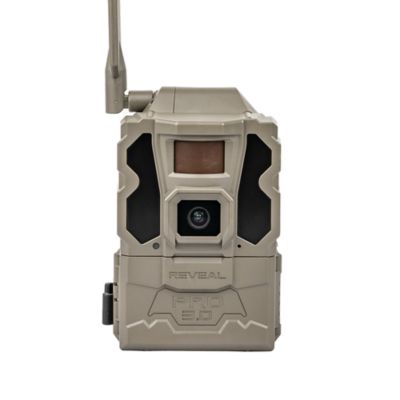
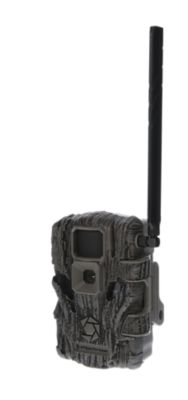
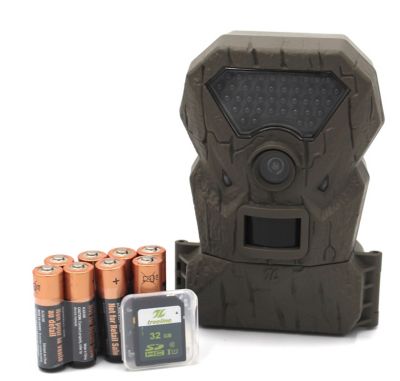
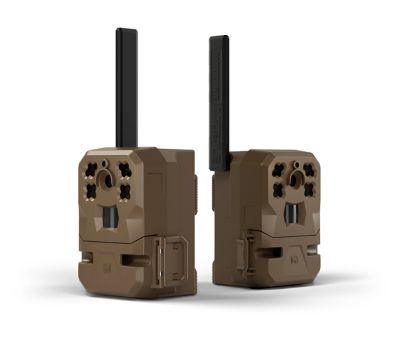
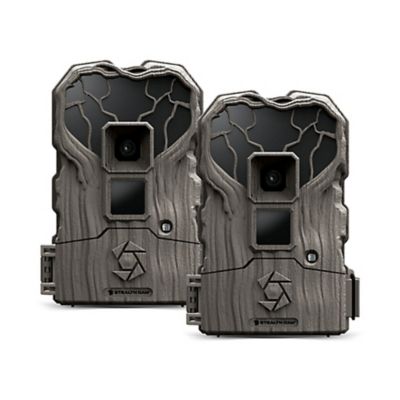
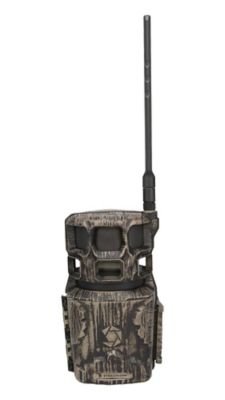
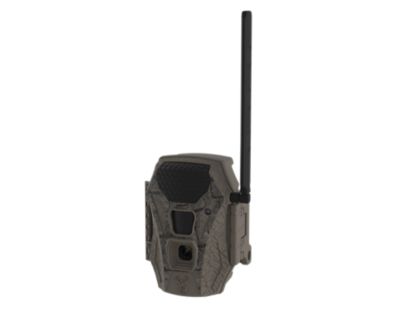
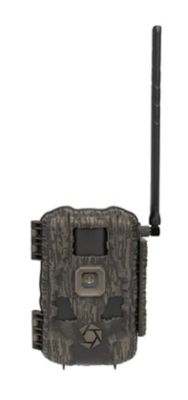
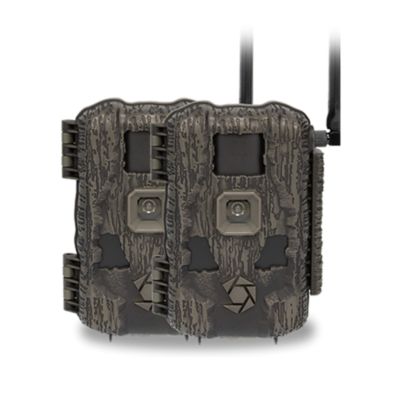
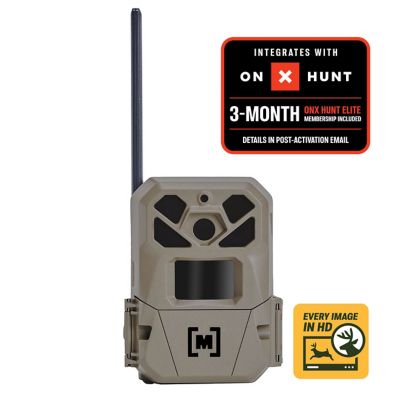
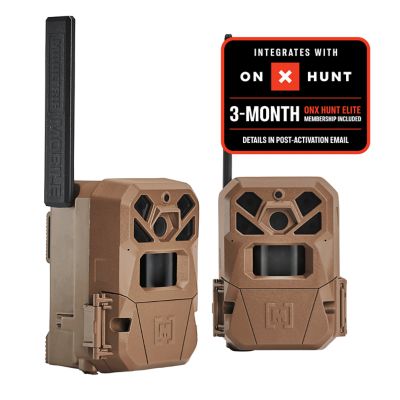
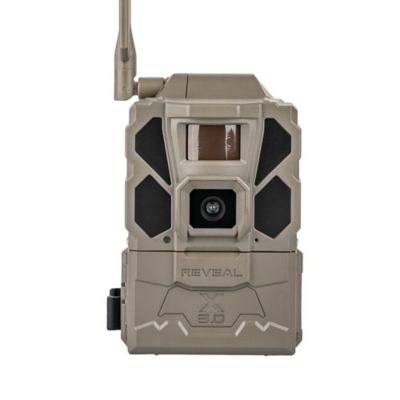
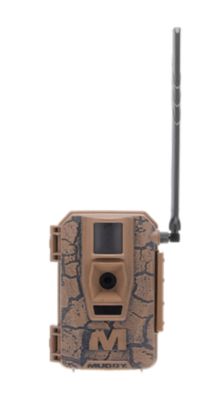
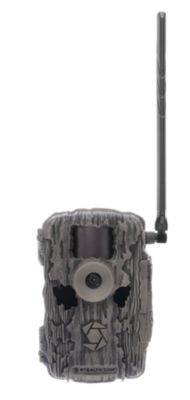
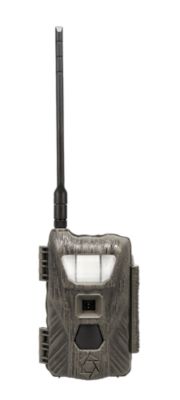
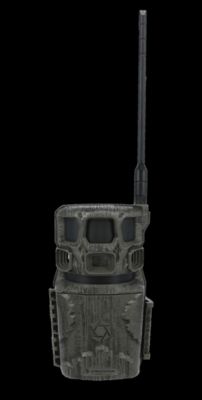
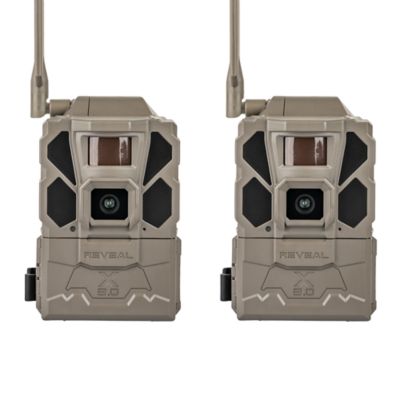
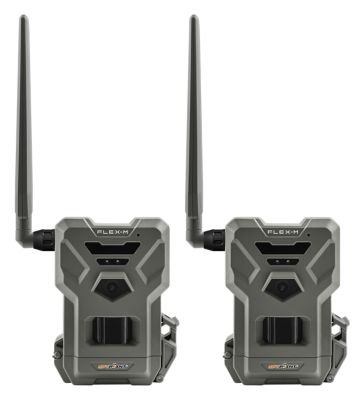
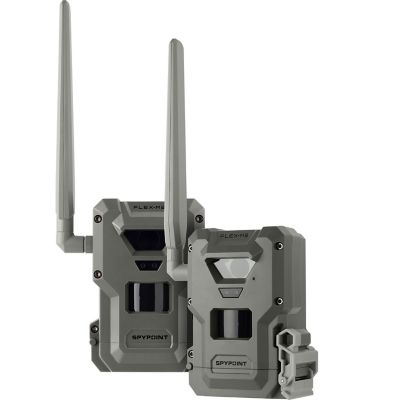
Camouflage cameras are outdoor recording devices with patterned housings that blend into bark, brush, and other natural surroundings. Often called trail cameras or game cameras, they capture photos, video, or both, giving landowners a way to see activity without standing watch. Brown, gray, and green finishes break up the outline of the camera against a tree trunk or fence line, while compact shapes help keep the setup out of the way. These cameras suit everything from watching deer along a wooded crossing to finding out which critter keeps visiting a feed shed after dark. Hunters may look for movement patterns near travel corridors, livestock owners may want a view of a distant gate, and wildlife watchers may simply enjoy seeing foxes, turkeys, or other animals going about their business. Camouflage helps the housing blend in, but it does not make a camera invisible or guarantee that animals will ignore it. Placement, sound, scent, and the type of nighttime illumination can all affect how noticeable a setup becomes. Most motion-activated trail cameras rely on a passive infrared sensor that detects changes in heat across its sensing area. When the sensor registers activity, the camera starts recording according to its settings. Some cameras also offer scheduled time-lapse capture, which can show activity across an open area even when movement does not trigger the sensor. That makes intended use an important part of the match: a narrow deer trail calls for different coverage than a broad pasture entrance. A camouflage finish is just one feature alongside detection range, image detail, recording options, and mounting hardware. For folks putting together a coordinated field setup,
Camo Gear offers a related category to explore. A camera’s main job, though, is straightforward: provide a clearer picture of what passes through a spot when nobody is there to see it.
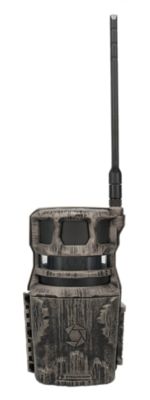
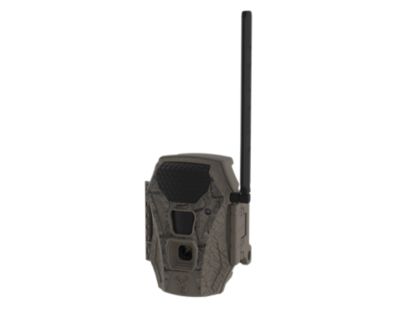
The most useful camouflage camera features depend on what needs to show up in the frame. Trigger speed describes the delay between detecting movement and beginning a capture, while recovery time describes how soon the camera can capture again. A short trigger delay matters when a deer steps across a tight opening; a short recovery interval can help record several animals following the same path. Detection range and flash range are separate measurements, and a subject sensed at the edge of the detection area may not receive enough nighttime illumination for a clear image. Resolution helps describe image size, but a large megapixel number alone does not establish how much useful detail a photo will show. Lens performance, lighting, image processing, and subject movement matter, too. Video adds context that a still photo may miss, such as the direction an animal travels or how long it lingers by a gate. Audio recording, where included, can add another layer of information. For nighttime capture, low-glow infrared illumination may show a faint red glow at the emitters, while no-glow infrared is designed to minimize visible light. Neither option guarantees that a camera will go unnoticed, and nighttime footage is generally black and white. Storage and connectivity shape the day-to-day experience just as much as image settings. Cameras with local memory cards let owners retrieve recordings at the camera, making them a practical fit for nearby paths and regularly visited property. Cellular trail cameras can send images through a supported cellular network, but operation depends on coverage, activation requirements, and the camera’s transmission features. Cellular capability does not automatically mean continuous live viewing. Wi-Fi and Bluetooth functions vary as well; on some cameras, they support nearby setup or file transfers rather than access from miles away. For a back corner of the property, those distinctions can mean the difference between checking pictures from home and making a trip down the lane. Clear date and time stamps also help connect separate sightings into a useful record of activity.
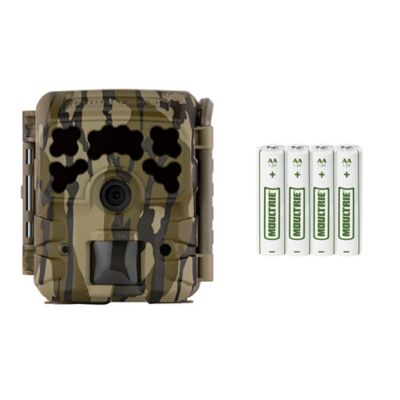
Life on a tree trunk or fence post calls for a housing, latch, and mounting system that can handle regular outdoor exposure. Molded polymer shells are common, with patterned surfaces that help conceal the enclosure and gasketed doors that protect battery and memory-card compartments. An ingress protection rating describes tested resistance to dust and water under specified conditions; it is not a promise that a camera can be submerged or left with a compartment door partly open. Secure closures, intact seals, and sound attachment points all contribute to service life. Fit means more than the size of the camera itself. A mounting strap needs enough length for the selected tree, an adjustable bracket needs the right connection, and a protective enclosure must leave the lens, sensor, antenna, and infrared emitters unobstructed. A wide trunk beside a trail offers a different mounting surface than a narrow post near a driveway. Stable mounting helps keep the frame consistent, while grass or branches moving close to the sensor can fill a memory card with empty scenes. Power arrangements also deserve attention. Replaceable batteries, rechargeable packs, and compatible external power connections each bring different upkeep needs, and solar support depends on the camera’s electrical requirements and access to light. Frequent video clips, repeated nighttime captures, and cellular transmissions generally draw more power than occasional still photos. Care is usually straightforward: a soft cloth for the lens and sensor window, clean battery contacts, and a check for grit around compartment seals before closing the housing. Memory-card type and capacity should match the manufacturer’s specifications, and saved recordings should be copied elsewhere before a card is cleared. Locking brackets, security cables, and fitted enclosures can help discourage tampering, though none makes a camera theft-proof. These cameras can make thoughtful gifts for hunters, wildlife enthusiasts, and landowners who enjoy keeping tabs on their place. For property monitoring, a view of an owned gate or access lane can be useful, with placement that respects neighboring spaces and applicable recording laws. Whether the goal is a closer look at wildlife or a record of traffic along a farm entrance, the right combination of concealment, coverage, power, and access keeps the camera suited to the job.