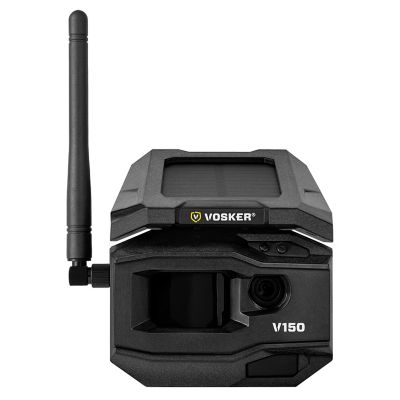
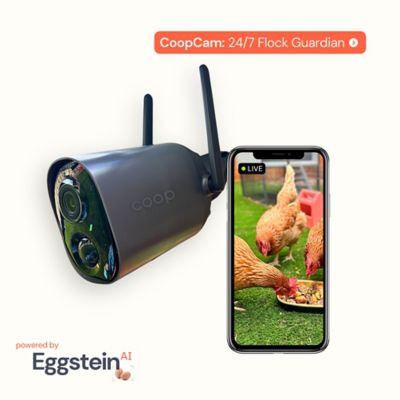
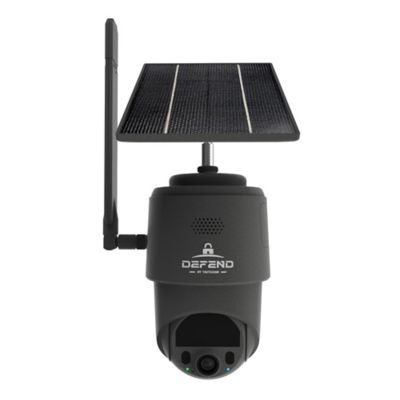
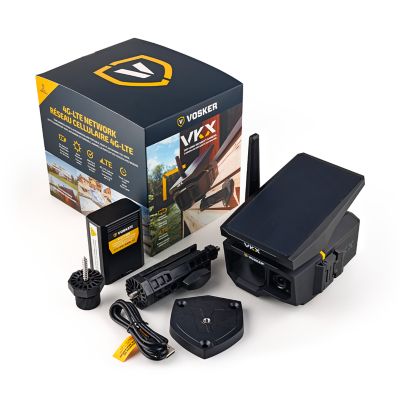
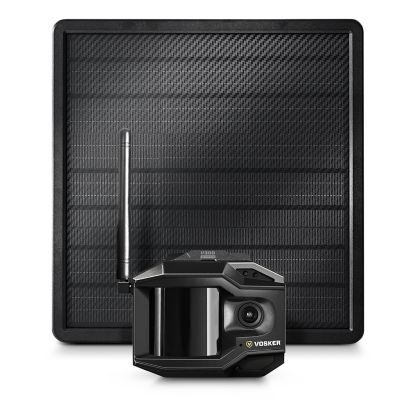
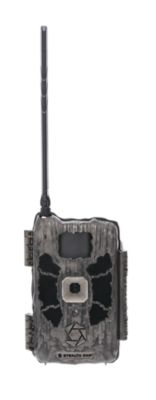
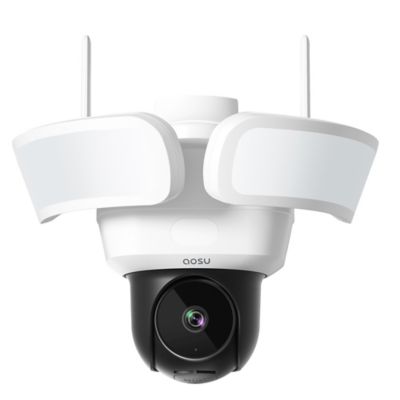
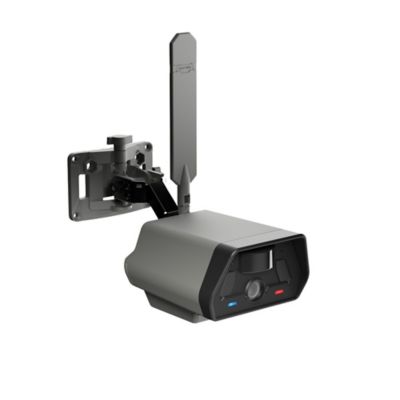
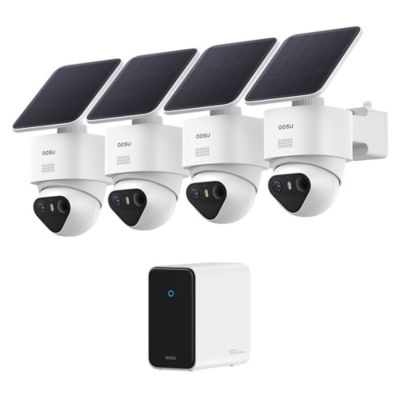
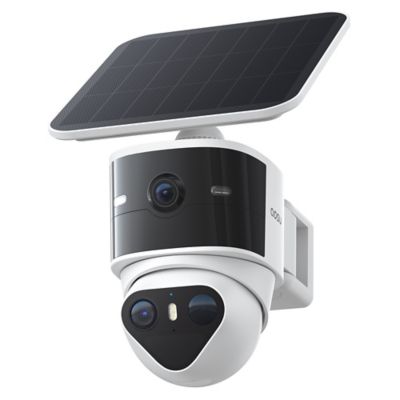
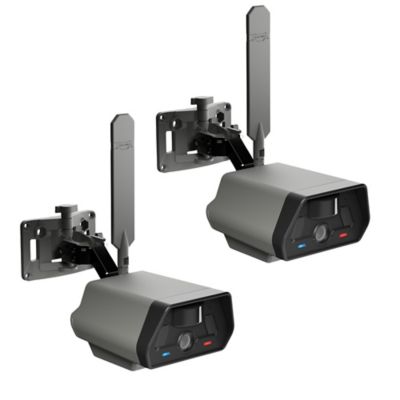
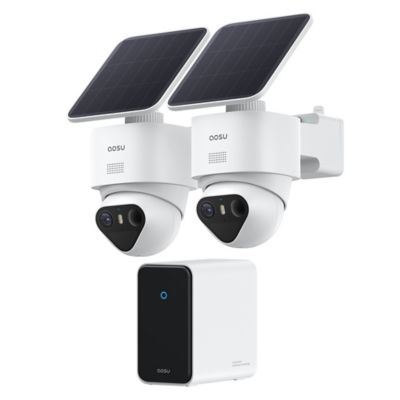
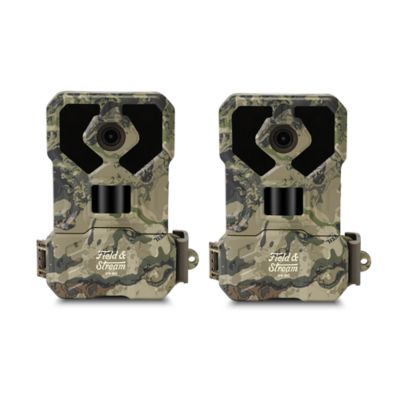
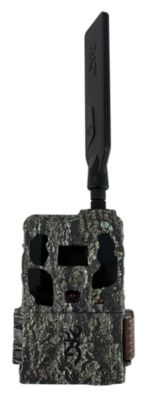
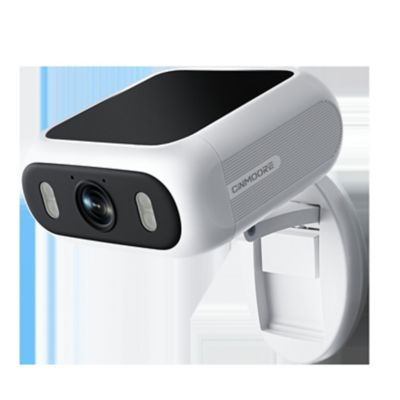
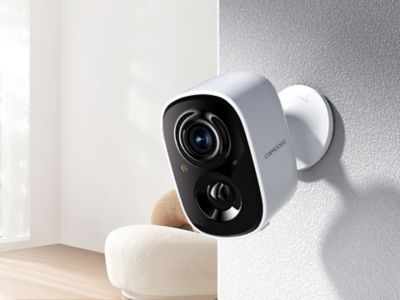
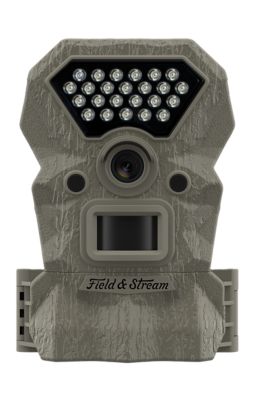
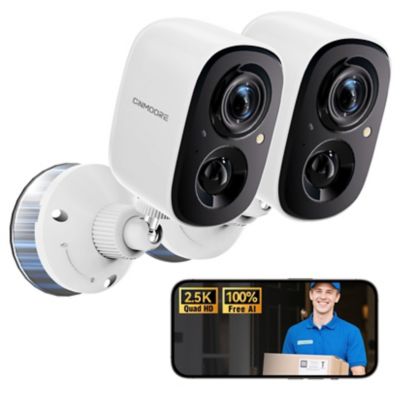
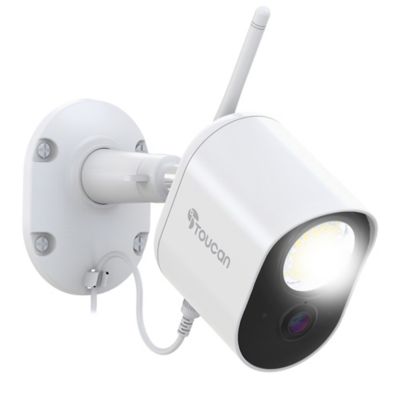
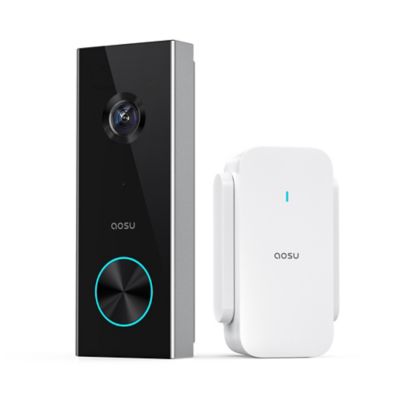
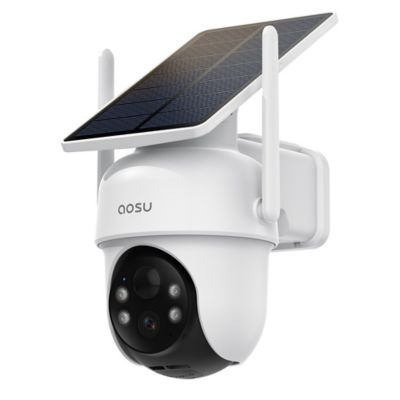
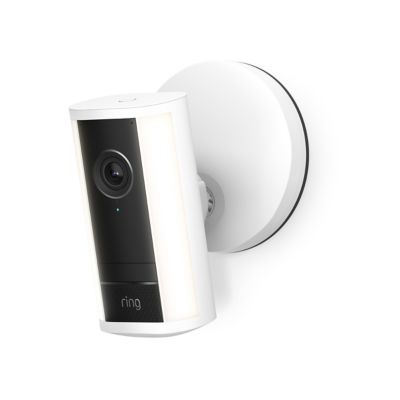
A security camera for livestock helps farmers and ranchers keep an eye on animals, calving areas, water sources, gates, and remote pastures without making a trip for every routine check. Live video can show whether cattle have gathered at a trough, a ewe has separated from the flock, or a gate has been left open near a busy lane. Recorded footage adds another layer of oversight, helping piece together when an animal entered a pen or when someone approached a livestock trailer. These cameras support daily chores and property security, but they do not replace hands-on animal care, fence checks, or a close inspection of feed and water. The right camera setup depends on the animals, the layout of the place, and what needs to be visible. A broad view suits a holding pen or barn aisle, while a closer view may be more helpful around a maternity stall, small-animal enclosure, or water tank. Camera resolution matters, but the amount of detail visible also depends on distance, lighting, lens coverage, and the viewing angle. A wide scene that takes in an entire lot may not show the same detail as a camera aimed at one stall entrance. For calving, lambing, and kidding areas, a clear view of the bedding space and enough coverage to follow movement across the pen can make remote checks more useful. Night vision is another important consideration around livestock that stay active after chores are done. Infrared illumination can help show movement in dark spaces, though rails, cobwebs, and nearby surfaces may reflect that light back toward the lens. A well-matched view keeps the animals in frame without letting a close fence post or hanging feeder take over the picture. For folks tending several pens or outbuildings, viewing multiple cameras in one place can bring scattered parts of the operation into a single, manageable picture.
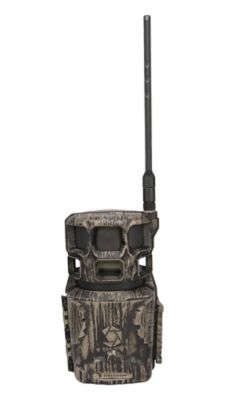
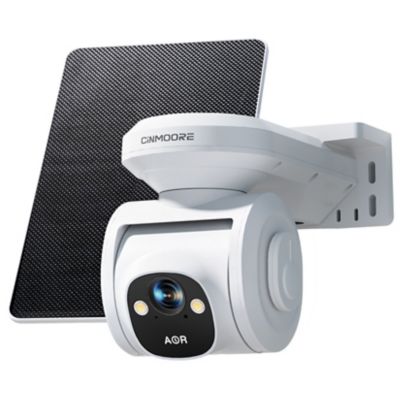
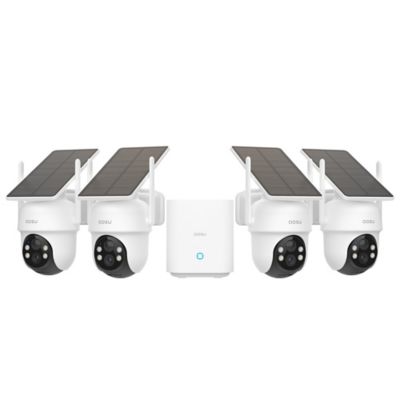
Connectivity and power play a big part in whether livestock monitoring fits the way a farm or ranch runs. Wi-Fi cameras need a strong network connection at the mounting location, not just a good signal inside the house. Metal siding, masonry, distance, and equipment between buildings can interfere with that connection. Wired network cameras may suit barns with access to cabling, and some support power and video through a single compatible Ethernet connection. Cellular cameras can serve locations beyond the farm’s Wi-Fi network when the camera supports a carrier with sufficient coverage at that spot and has an active data connection. Remote viewing still depends on the connection and the camera’s supported features, so a distant pasture requires a different setup than a stall beside the office. Power options may include an outlet, a rechargeable battery, or a compatible solar charging arrangement. Battery runtime varies with recording activity, live viewing, alerts, and other settings; a camera watching a crowded feed bunk may draw more power than one covering a quiet gate. Solar charging also depends on suitable placement and the equipment’s charging requirements. Physical fit matters just as much as connectivity. Camera housings may be metal or molded plastic, with protection ratings that describe resistance to dust and water. An enclosure meant for a sheltered indoor space is not automatically suited to an exposed mounting point or a barn area that gets washed down. Mounts, brackets, and cable protection need to suit the wall, post, or beam supporting the camera. Around cattle, horses, sheep, and goats, equipment belongs beyond the reach of curious noses, rubbing shoulders, and chewing mouths. Routing cords away from animals and traffic helps keep the installation clear of daily chores. A mounting position should also leave room for swinging gates, feed carts, skid steers, and livestock trailers. Access for cleaning and charging remains important, especially when the camera sits above a busy pen.
Everyday usefulness often comes down to how a livestock camera handles alerts, recordings, and access from a phone or other supported device. Motion alerts can call attention to activity near a gate or barn entrance, but animals moving through the frame may trigger frequent notifications. Adjustable activity zones, sensitivity settings, and notification schedules, where supported, can help keep attention on the parts of the scene that matter. Animal detection is not a feature of every camera, and people or vehicle detection does not necessarily identify livestock. Some cameras record continuously, while others capture clips after motion triggers an event; the distinction matters when reviewing what happened before an animal left the frame. Local storage and cloud recording have different connection, capacity, and playback requirements. Clear timestamps and straightforward clip retrieval can be helpful when several people share chores or need to review an incident. For a broader view beyond the livestock pens, a
Security Camera for Ranch setup can also cover driveways, equipment areas, and access points, with each camera positioned for its own job. Shared viewing access can help a family member or farmhand check the same scene without passing around the main account password. Strong passwords, supported software updates, and careful account permissions help protect that access, while camera placement should respect neighboring homes and private spaces. Routine care is straightforward but worth keeping up with: lenses need gentle cleaning according to the manufacturer’s directions, mounts need occasional checks, and cables need inspection for rubbing or animal damage. Dust and cobwebs can obscure a picture long before the camera itself stops working. A changed pen arrangement, a newly positioned feeder, or a gate left in a different position can also block a once-clear view. For small-acreage owners, busy ranch families, and livestock caretakers managing several buildings, a camera that fits the location and daily routine can make it easier to stay connected to the herd while handling work elsewhere on the place.