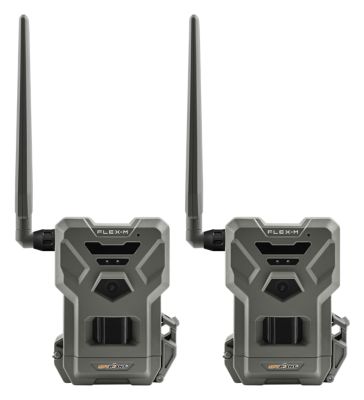
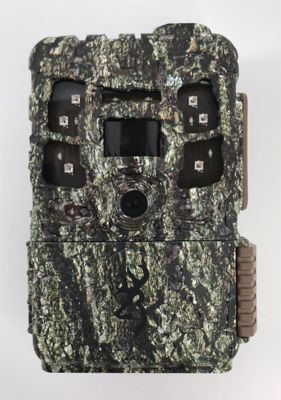
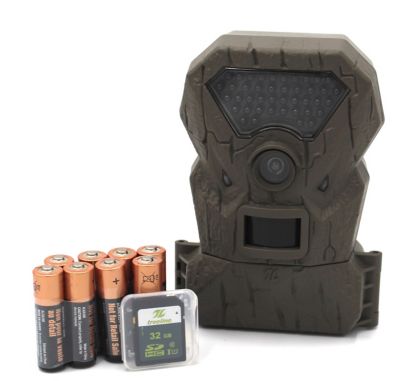
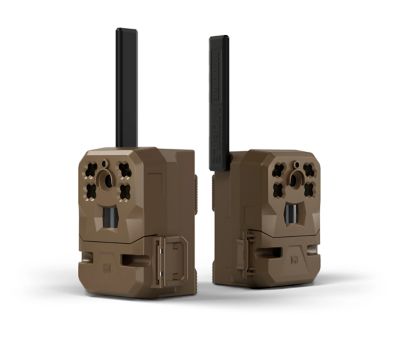
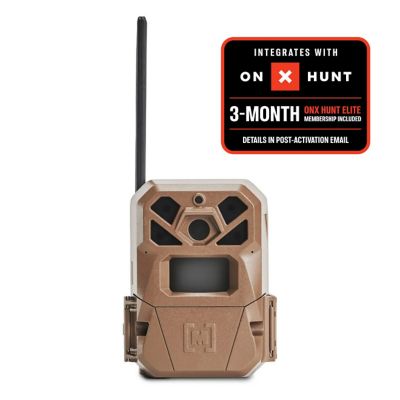
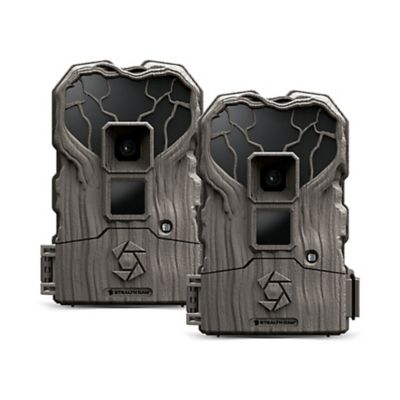
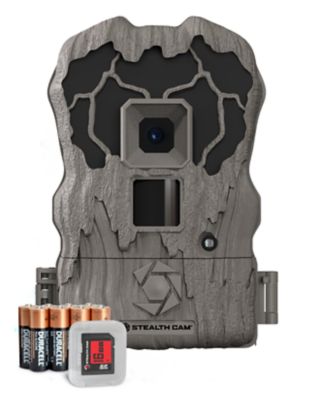
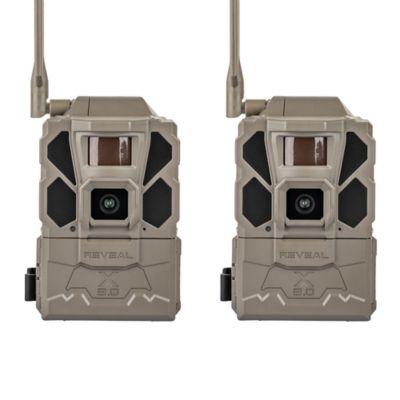
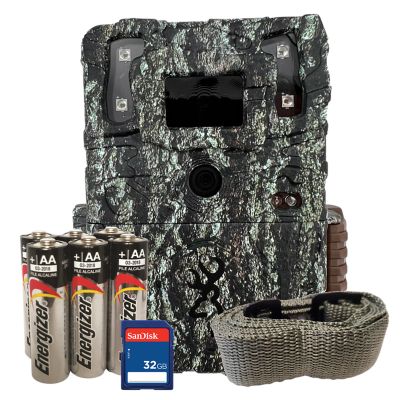
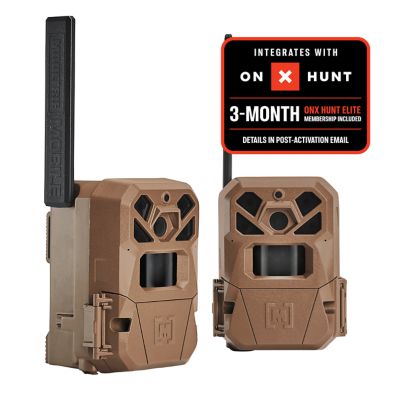
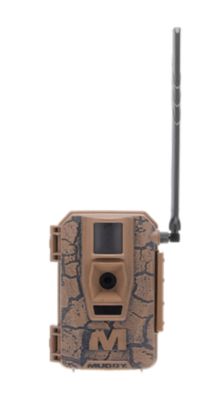
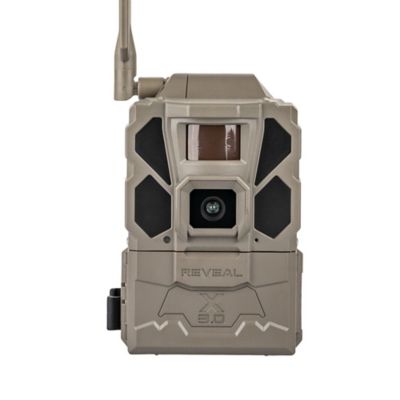
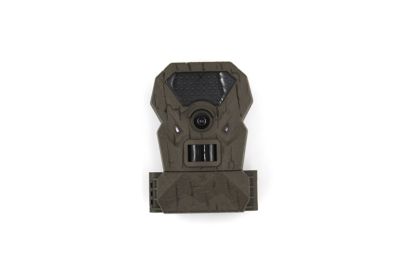
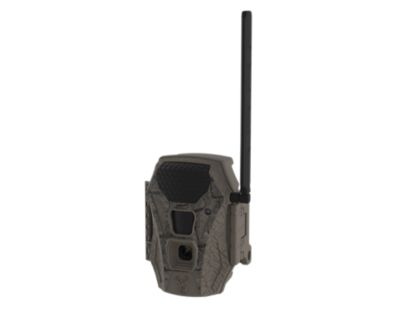
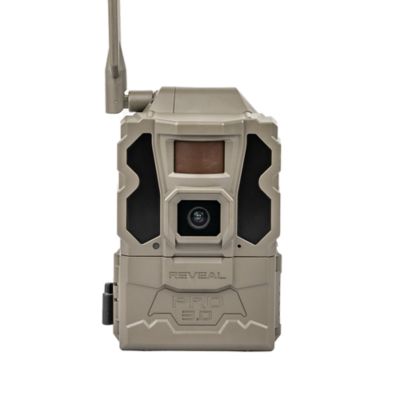
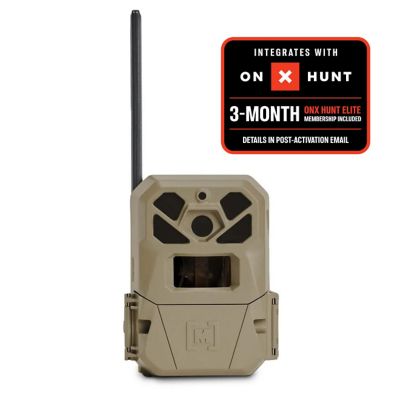
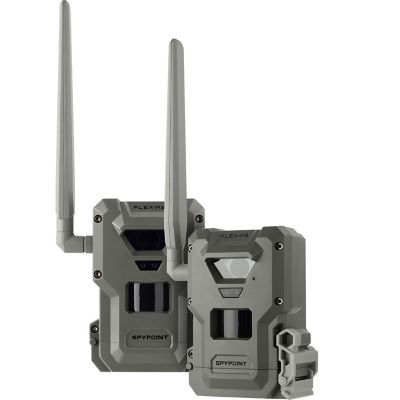
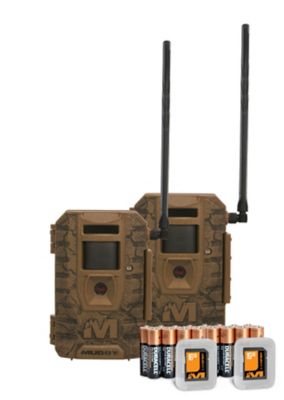
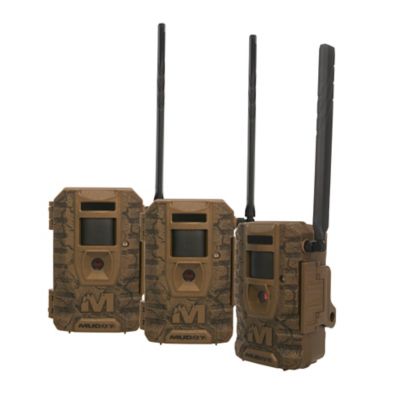
Hunting trail cameras capture photos or video of wildlife without someone standing behind the lens, giving hunters a closer look at the activity along deer trails, creek crossings, field edges, and other well-traveled spots. A buck slipping through a fence gap or a group of does working along a timber line can leave more than tracks behind. Time-stamped images help show when animals pass, which direction they travel, and whether a location sees repeated visits. For useful scouting pictures, several features matter together: trigger speed, detection range, recovery time, lens coverage, and nighttime illumination. Trigger speed describes the time between motion detection and image capture, while recovery time describes how soon the camera can capture another event. A quick trigger can help catch an animal crossing a narrow trail, and a short recovery time can help record animals following close behind. The detection zone and the camera’s field of view are not always identical, so a broad motion sensor does not necessarily mean every detected animal will appear centered in the frame. Clear daytime color images can reveal coat markings, antler shape, and nearby landmarks. At night, infrared illumination generally produces black-and-white images, with usable detail depending on distance, movement, and the camera’s imaging system. Low-glow illumination may show a faint red light at the camera, while no-glow designs reduce visible illumination; neither feature guarantees that wildlife will ignore the camera. Flash reach matters most when it matches the distance where animals are likely to pass. A high megapixel number alone does not tell the whole story, especially when a resolution figure includes digital enlargement. Sharpness, motion blur, exposure, and nighttime clarity all affect how much a picture actually reveals. Still photos suit quick checks of animal presence, while video can show behavior, travel direction, and interactions that a single frame misses. Burst settings offer another option, capturing several frames during one encounter. These differences matter whether the camera watches a tight woodland trail or a wider opening beside a food plot.
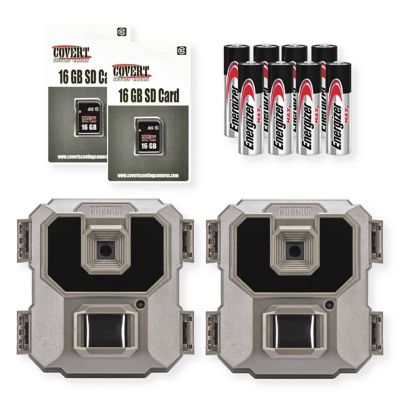
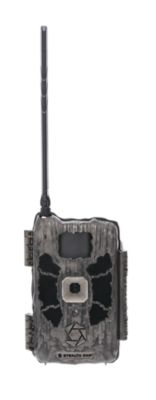
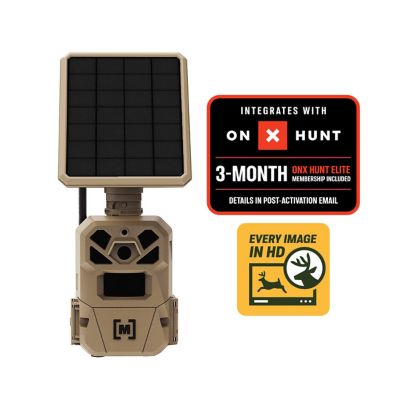
Connection and storage choices shape how hunting trail cameras fit into a property’s routine. Standard cameras usually save images to a removable memory card, which means someone visits the camera to retrieve the files. That straightforward setup can suit land close to the house, a familiar walking route, or a spot checked during other property chores. Cellular trail cameras can send images through a supported mobile network, reducing trips to the camera when service is sufficient. They generally require activation and a compatible data plan, and their network connection depends on coverage at the mounting location rather than simply on the phone receiving the pictures. Cellular operation does not require nearby home Wi-Fi, but it does require a usable signal from the camera’s supported carrier network. Wi-Fi and Bluetooth features serve different purposes and, on some cameras, support nearby setup or image transfers rather than remote delivery from miles away. Image transmission settings also vary: a phone preview may have less detail than the original file, and full-resolution downloads or video transfers depend on the camera and service arrangement. Memory card compatibility deserves attention, including supported card type, capacity, and speed rating. Some cameras overwrite older files when storage fills, while others stop recording unless that setting is enabled. Power needs vary with the number of triggers, nighttime captures, video length, and transmission frequency. A camera watching a busy livestock lane can draw down its batteries faster than one watching an occasional wildlife crossing. Battery type should match the manufacturer’s specifications, and rechargeable cells are suitable only where the camera supports them. Compatible external battery packs or solar panels can extend time between battery changes, though panel placement and charging performance depend on the setup. Battery compartments, cable ports, and external connections all need secure closures. For hunters managing several locations, clear camera names, consistent date and time settings, and organized image folders make it easier to compare activity without mixing up a creek-bottom crossing and a ridge-top trail.
The physical build matters just as much once a camera spends its time strapped to a tree or mounted along a property line. Molded housings, protected lenses, sealed access doors, and snug latches help shield the electronics from moisture, dust, and insects, although protection levels differ among designs. A stated water-resistance rating provides more useful information than a rugged-looking shell alone. Camouflage patterns and muted finishes can help a camera blend against bark or brush, while compact housings offer more mounting choices in tight spaces. Fit means matching the strap, bracket, or threaded mount to the tree, post, or support, with enough adjustment to hold the camera steady and aim it at the travel lane. Swaying vegetation close to the sensor can produce extra captures, and direct glare can wash out detail, so a clear view matters more than a dramatic-looking location. Locking cables and compatible security boxes add a physical barrier, but no mounting accessory makes a camera theft-proof. Care is generally simple: a soft cloth for the lens and sensor window, clean seals, dry battery contacts, and careful handling of memory cards. Harsh cleaners can harm finishes or clear surfaces, and trapped dirt around a door seal can interfere with closure. Before storage, removing batteries as directed by the manufacturer helps limit damage from leakage. These practical details apply across the
Game Cameras category, whether the goal is scouting deer, watching wildlife near a pond, or keeping an eye on animal traffic around a farm. Hunting trail cameras can also make thoughtful gifts for hunters, landowners, and wildlife watchers, especially when the camera’s connection requirements and mounting setup fit the recipient’s property. Permission, property boundaries, privacy, and local hunting regulations remain part of responsible placement, including any rules covering cellular transmission or camera use on public land. A camera records what passes within its reach; it offers a helpful piece of the picture, not a promise about where game will appear next.