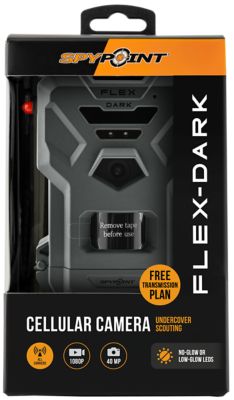
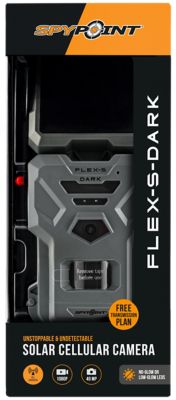
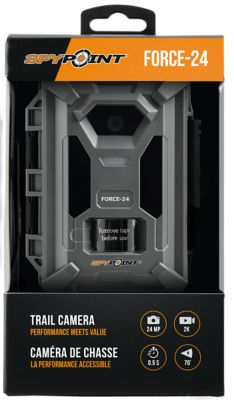
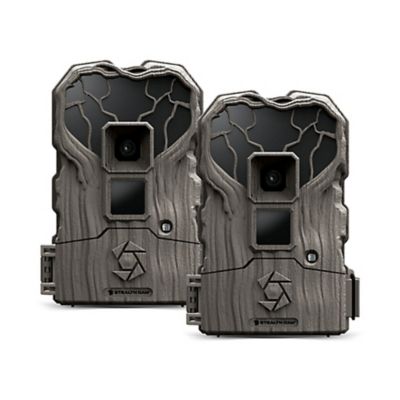
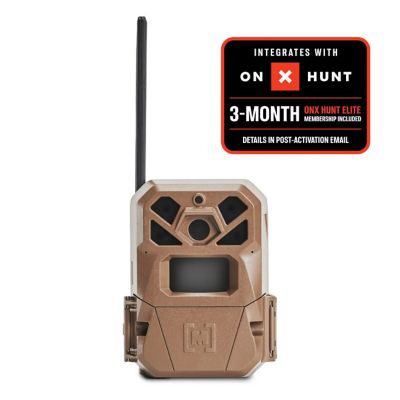
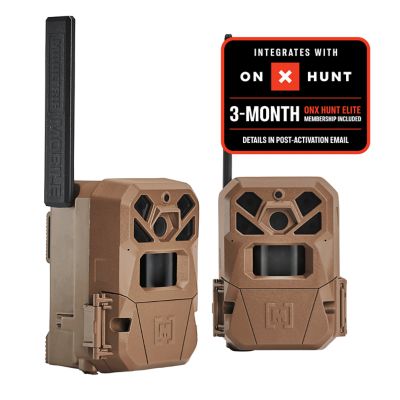
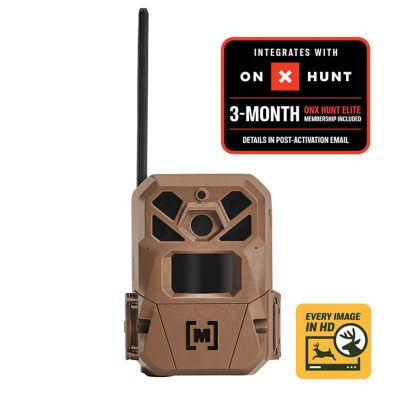
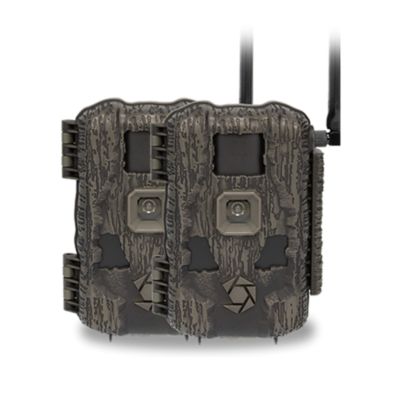
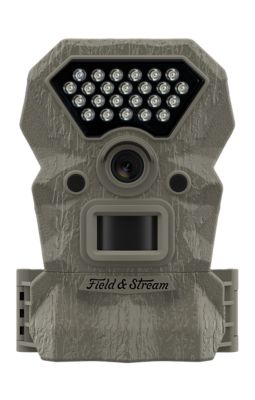
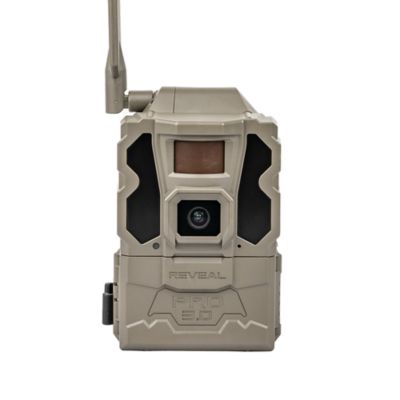
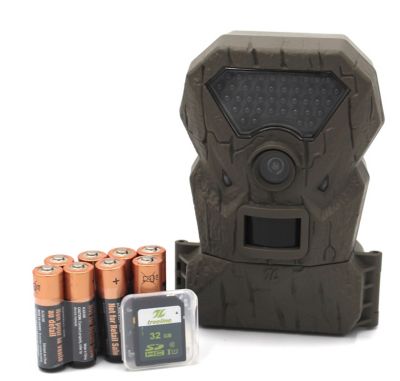
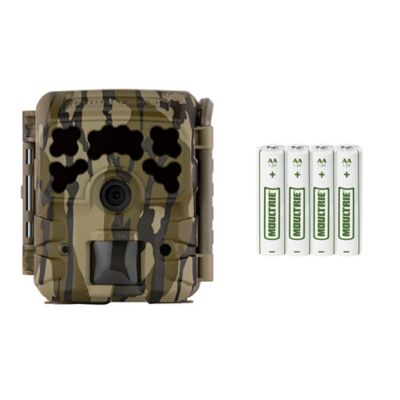
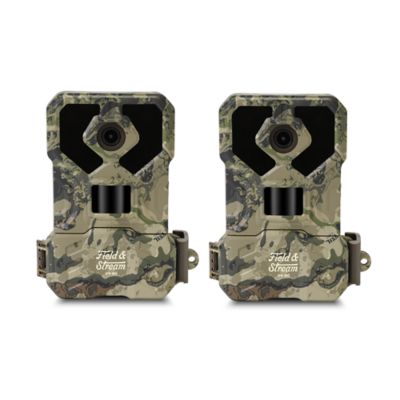
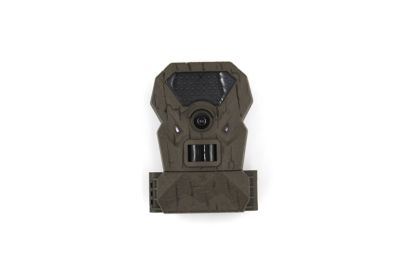
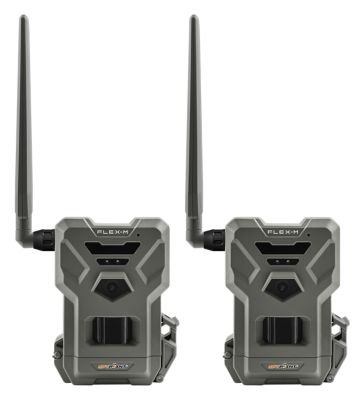
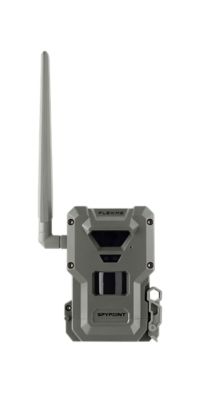
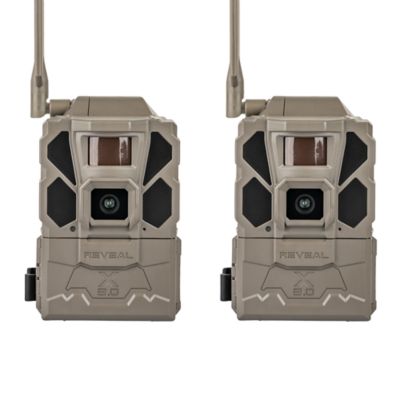
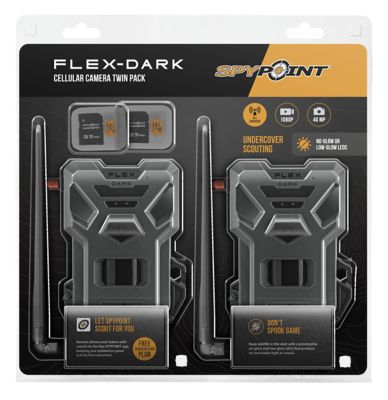
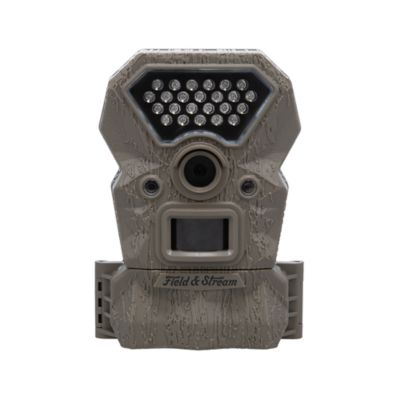
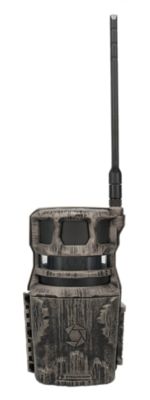
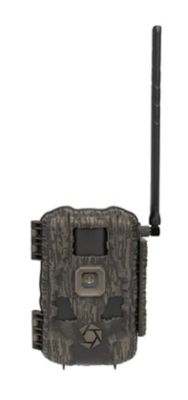
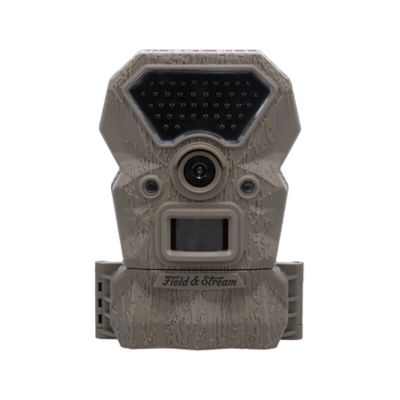
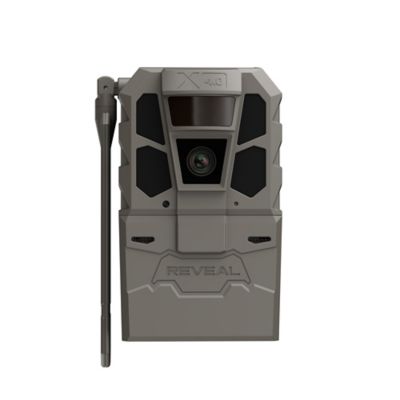
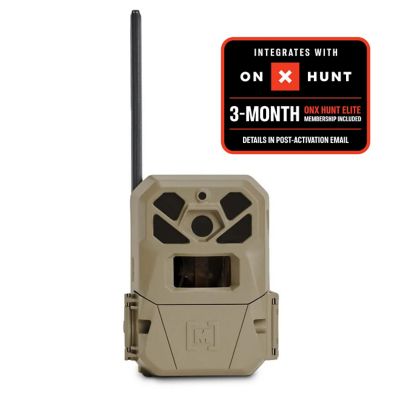
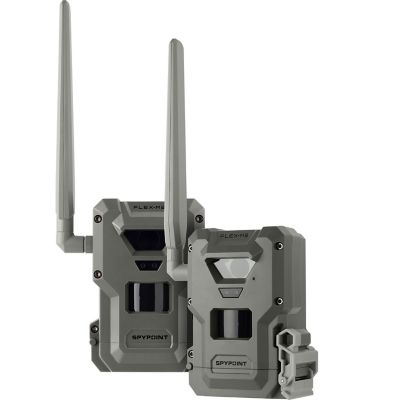
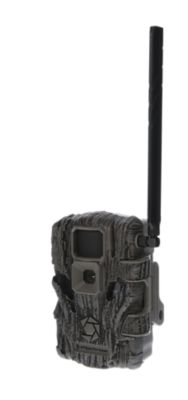
Game cameras, also called trail cameras or wildlife cameras, are handy outdoor tools for keeping an eye on what moves through a property. A motion-activated sensor triggers the camera when it detects activity, capturing still photos or video during the day and after dark. Hunters use them to scout deer, turkey, hogs, and other game without walking through a field or woods and leaving behind extra scent. Landowners may set them near a pasture, pond, food plot, barn, driveway, or gate to learn when wildlife is passing through or to check on a remote stretch of property. They can also help monitor livestock areas, garden plots, sheds, cabins, and other places where a little extra visibility comes in handy. A standard trail camera saves photos and videos to an SD card, which means you return to the camera to collect the card and review the files. Cellular game cameras use an LTE connection to send images to a phone or mobile app, making them useful when the camera is placed far from the house or in a spot that is tough to visit regularly. Cellular models generally require a compatible data plan and dependable network coverage, so it pays to check the signal in the area where the camera will be installed. For a simple setup on family land, a traditional SD-card camera may do the job well. For a back corner of a large farm, hunting lease, or vacation property, the convenience of receiving pictures from a distance can be worth considering. During the cooler months, a camera can show which trails are getting regular use while helping you avoid unnecessary trips through wet leaves, muddy ground, or frosty cover.
A few basic specifications make a real difference once a camera is out in the field. Trigger speed is the time it takes for the camera to capture an image after the sensor detects movement. A faster trigger is helpful when an animal is walking across the camera’s view, while recovery time affects how quickly it can take another picture after the first one. Detection range tells you how far away the sensor may notice movement, with many cameras designed to cover several dozen feet and some reaching beyond 100 feet under suitable conditions. Keep in mind that range can change with temperature, vegetation, terrain, and the direction an animal is traveling. Nighttime images rely on infrared illumination. No-glow infrared is designed to be invisible to animals and people, which can be a good fit for cautious wildlife or locations where a discreet setup matters. Low-glow infrared may show a faint red tint when the camera takes a nighttime image and can provide strong night visibility, but it may be more noticeable. Resolution, image format, video length, audio capability, and field of view are also worth comparing. Higher resolution can reveal more detail in a rack, coat pattern, or license plate, while a wider view can cover an open clearing or trail junction. Storage capacity matters if the camera will be left alone for several weeks, especially in a busy area with plenty of motion. Before mounting the unit, clear grass, weeds, and small branches from the sensor’s view, then aim it slightly away from the rising or setting sun to reduce glare. A sturdy strap, security box, or lock can help keep the camera in place on public land or around a busy property. Camouflage can help the housing blend into bark, brush, and shadows, and you can browse
Camouflage Cameras for options suited to a low-profile outdoor setup.
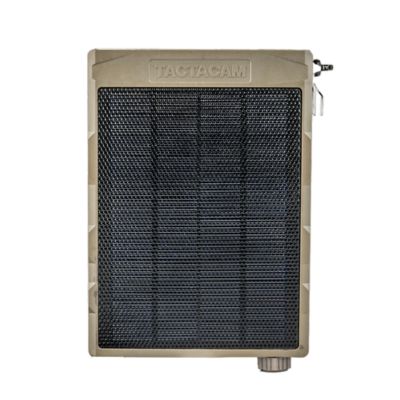
Power choice is another important part of picking a game camera. Many traditional cameras run on AA batteries, which are easy to replace and keep on hand in a shop, truck, or gear bag. Rechargeable lithium batteries can perform well in cold weather and may offer dependable service when temperatures drop, though they usually require a separate charging routine. Some setups can use an external rechargeable pack or a solar panel to help extend run time in a sunny location. Battery life depends on how often the camera triggers, how much video it records, how frequently it sends cellular images, and how strong the network signal is. Check the door seal, latch, and weather-resistant construction before placing a camera where it will face rain, snow, dust, or splashing water. A few minutes spent labeling the camera, formatting the SD card, setting the date and time, and testing a walk-by can save a return trip later. It is also smart to review local rules before using a camera for hunting, scouting, or property monitoring, since regulations may limit camera use on public land or restrict certain seasons and locations. Game cameras make practical gifts for hunters, landowners, wildlife watchers, new property owners, and anyone who enjoys learning what happens outdoors after dark. A young outdoor enthusiast can use one to observe raccoons, foxes, birds, and other visitors without disturbing them, while an experienced hunter may use several cameras to compare trails, bedding areas, and feeding spots. Set up with care, a game camera turns a quiet patch of woods, field edge, or fence line into a window on the everyday activity happening around your place.