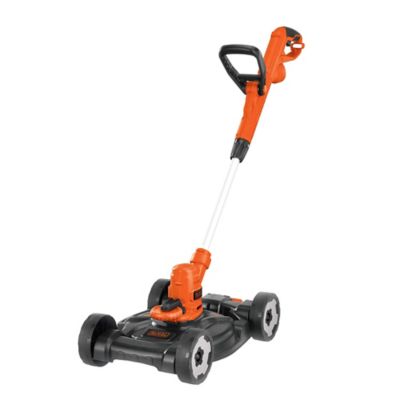
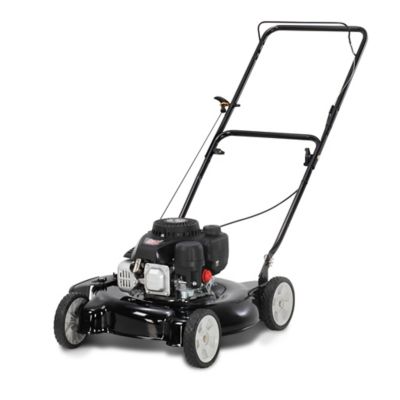
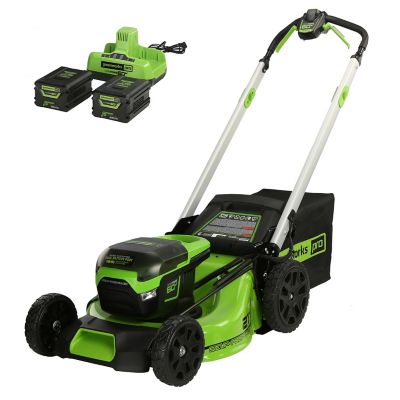
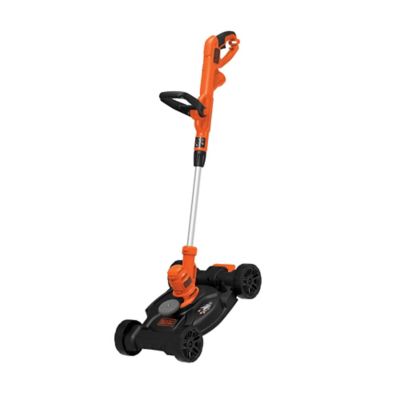
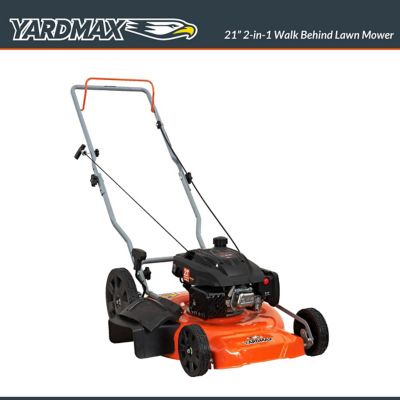
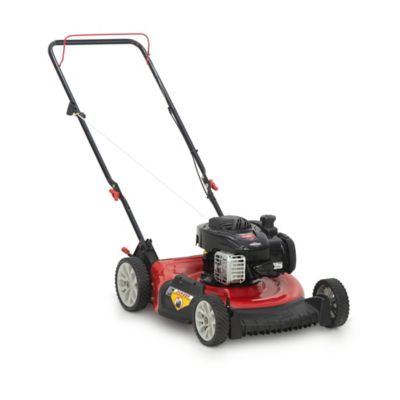
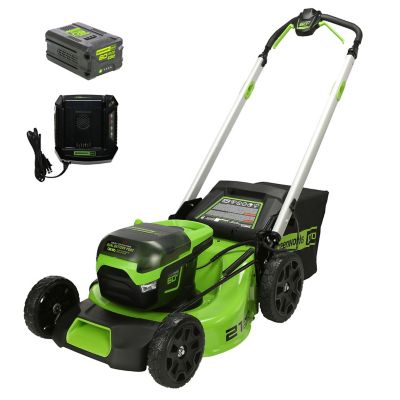
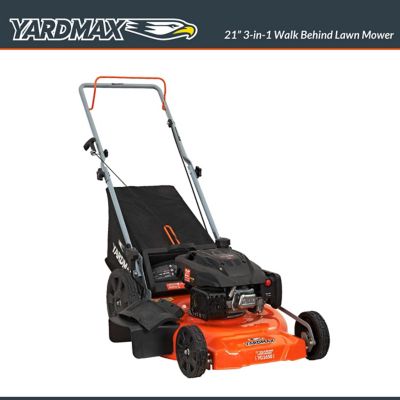
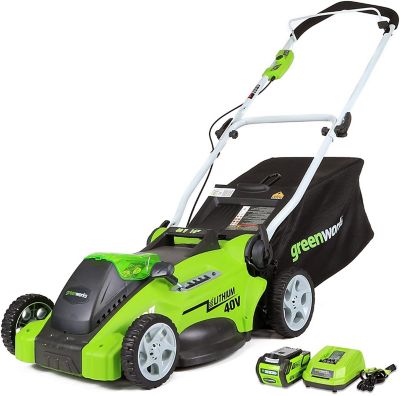
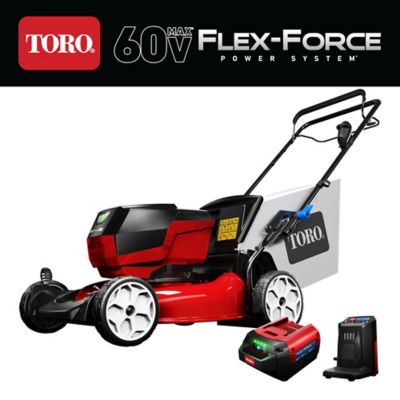
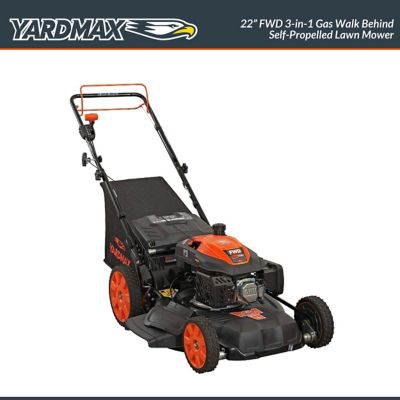
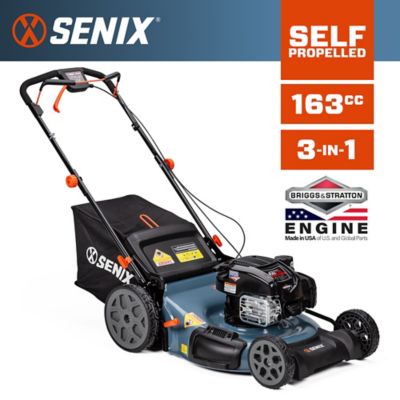
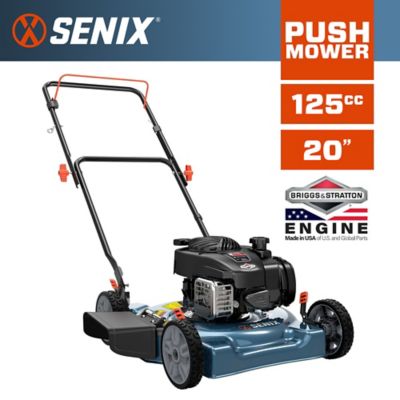
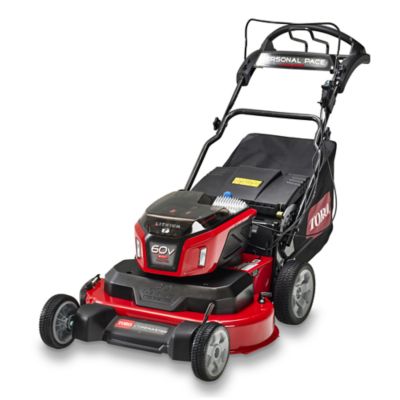
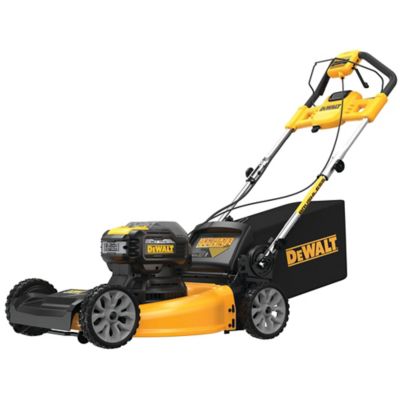
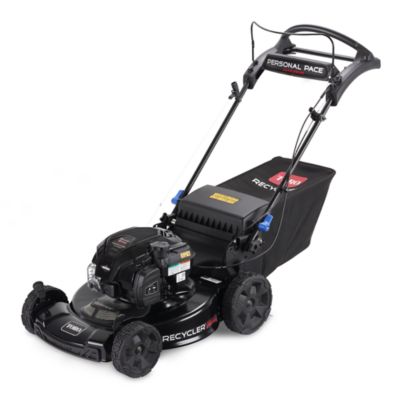
Narrow lawn mowers are built for grass in places where a wider mower can be awkward to steer or simply won’t fit. A smaller cutting deck helps them work along fenced side yards, between garden beds and beside sheds, with less room needed to turn at the end of a pass. They suit small lawns, but they also earn their keep on bigger properties where a riding mower handles the open ground and a compact walk-behind takes care of the tucked-away patches. Think of the grass between the chicken run and the garden fence, or the short stretch leading from the driveway to the back porch. Cutting width describes the swath of grass the blades cut in one pass, not necessarily the mower’s total width. Wheels, deck edges and discharge attachments can extend beyond that measurement, so overall dimensions matter when getting through a gate or alongside a raised bed. Turning space matters, too: a mower that slips through an opening still needs room for its handle and operator to move comfortably. Narrow decks usually mean more passes across a broad lawn, making them a practical match for smaller areas and detail work rather than long stretches of open acreage. Their smaller footprint can also make parking easier in a shed shared with feed bins, garden tools and other equipment. Weight varies with the frame, deck material, motor and battery, so a narrow mower is not automatically light enough for every person to lift. For related small-footprint options, the
Compact Lawn Mower for Tight Spaces page offers another way to explore this type of equipment. Whether the job is keeping a little front yard tidy or finishing around outbuildings after the main mowing is done, the appeal is straightforward: a manageable cutting path for grass that sits beyond the easy reach of larger equipment.
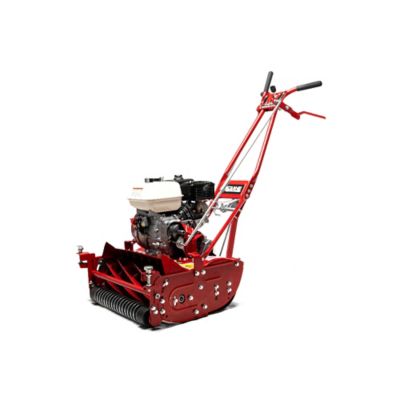
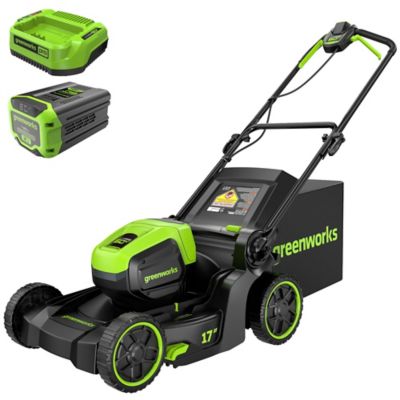
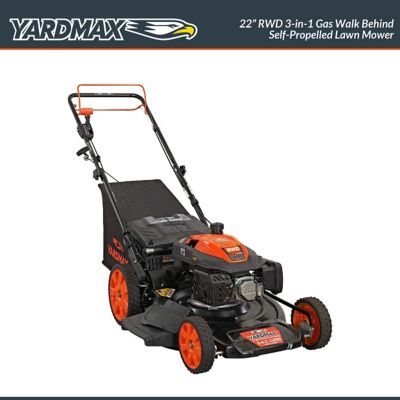
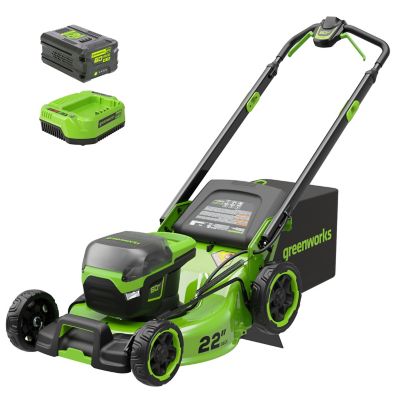
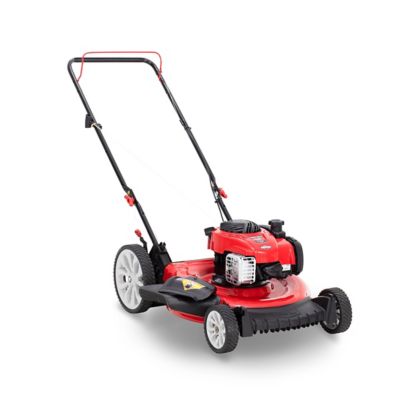
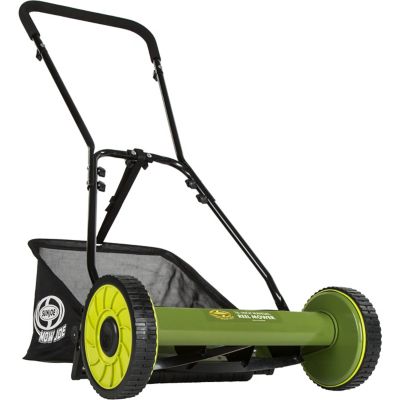
Narrow lawn mower designs include manual reel mowers and powered walk-behind mowers, each with a different feel on the lawn. A manual reel mower turns its blades as the operator pushes, cutting grass against a fixed bedknife with a scissor-like action. It needs no fuel, charging or extension cord, and it can be a good fit for a small, fairly level patch that gets mowed regularly. Tall, thick grass and scattered twigs can make that work harder, and reel cutting-height ranges need to suit the turf. Battery-powered narrow mowers offer cordless movement around trees, fence corners and beds without a cord trailing behind. Their working time depends on battery capacity, grass conditions, cutting height and the demands placed on the motor. A battery that handles a light maintenance cut may cover less ground when growth is dense. Corded electric mowers suit areas within reach of an appropriate outdoor power source, though the extension cord needs to meet the mower manufacturer’s requirements and stay clear of the cutting path. Gas-powered models bring another option for properties where plugging in or charging is less convenient, along with engine maintenance and fuel-storage needs. Push models depend on the operator for forward movement, while self-propelled designs, where offered, can reduce pushing effort across suitable ground. Neither a narrow deck nor powered drive makes a mower right for steep slopes; the operating limits in the manual still apply. Handle height, grip shape and control placement all affect comfort when making repeated turns. Wheel size and tread influence how the mower rolls over firm soil, shallow ruts and uneven turf, while balance affects how readily it changes direction. For someone maintaining a small home lawn, easy handling may matter more than covering ground quickly. For a property owner trimming up after a larger mower, the better match may be a machine that moves easily between several separate grass patches without becoming a chore to transport.
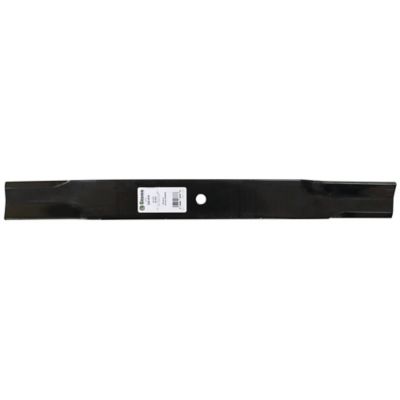
Deck construction, cutting adjustments and clipping management round out the everyday differences among narrow lawn mowers. Steel decks bring a sturdy feel but need attention wherever chipped finishes leave metal exposed to moisture. Polymer decks resist rust and can help reduce weight, although impact resistance and care requirements vary by model. Either material benefits from clearing away grass buildup according to the manufacturer’s directions, with the mower shut down and its power source safely disconnected before maintenance. Sharp, properly maintained blades support a cleaner cut; dull blades can tear grass tips and leave the lawn looking ragged. Adjustable cutting height makes it easier to match the mower to the grass type and growing conditions instead of keeping every patch cut as short as possible. Where clearance is tight, the height-adjustment levers and wheels should remain accessible without scraping against fencing or bed edges. Mulching returns finely cut clippings to the lawn when conditions and mower design allow, while bagging collects clippings for removal. A grass catcher adds space behind or alongside the machine, which can affect maneuvering in a narrow run. Side discharge also needs room and a direction that keeps thrown material away from people, animals, windows and walkways. Even with a compact deck, a little trimming may still be necessary directly against posts, walls and other obstacles. As growth slows during cooler weather, mowing needs depend on the grass and local conditions rather than a fixed schedule. Leaves, fallen branches and damp ground can change how a familiar patch handles, and mowing wet turf can leave clumps while making footing less secure. Between jobs, dry storage helps protect metal parts and electrical components, and folding handles, where fitted, can reduce the space taken up along a garage wall. Battery care and longer-term engine storage should follow the equipment instructions. For homeowners, gardeners and folks tending the grass around a rural place, a narrow mower fits a clear role: keeping smaller stretches neat with equipment sized for the job, the access route and the person behind the handle.