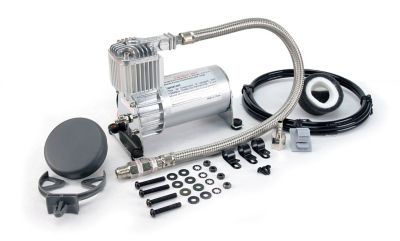
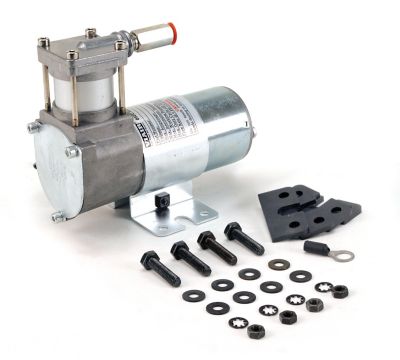
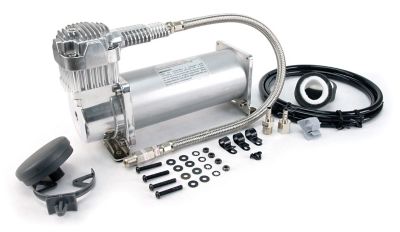
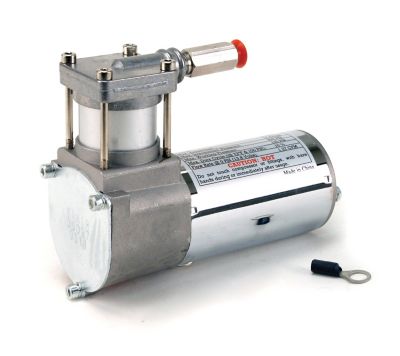
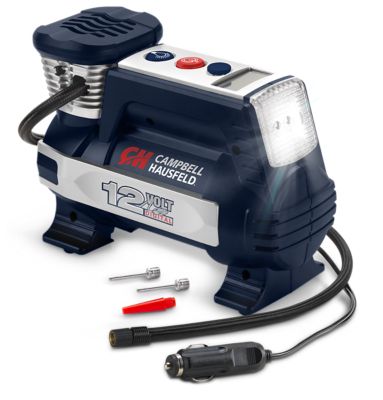
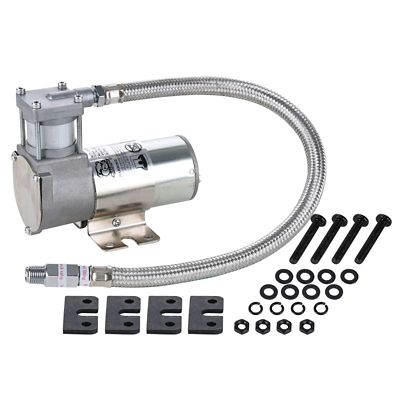
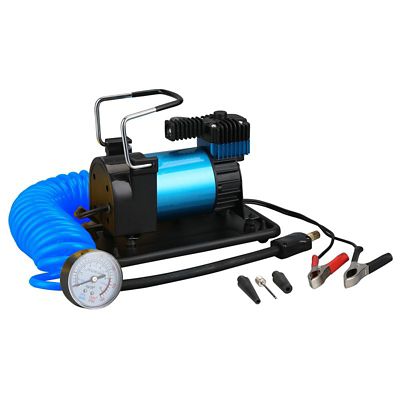
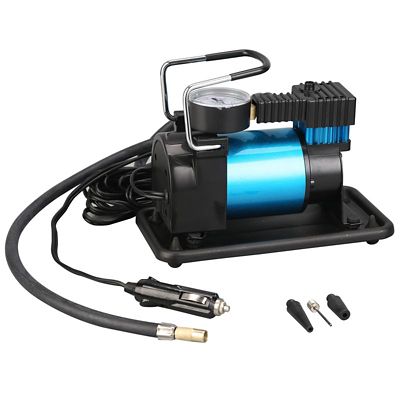
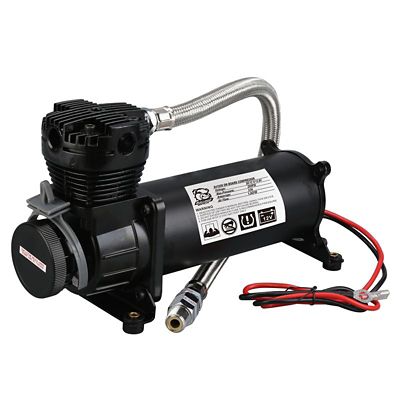
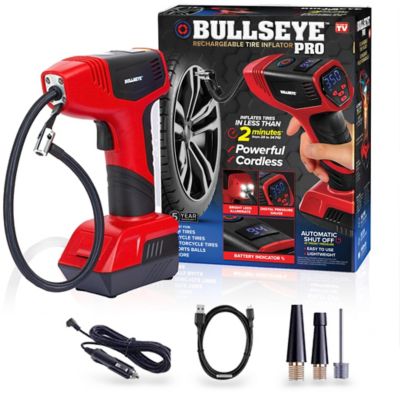
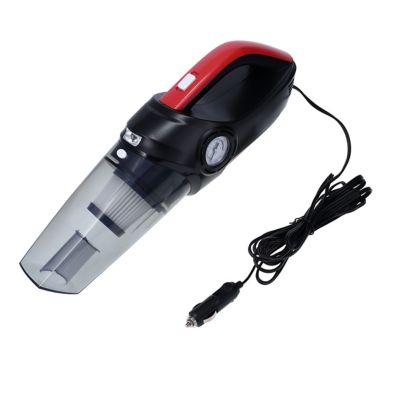
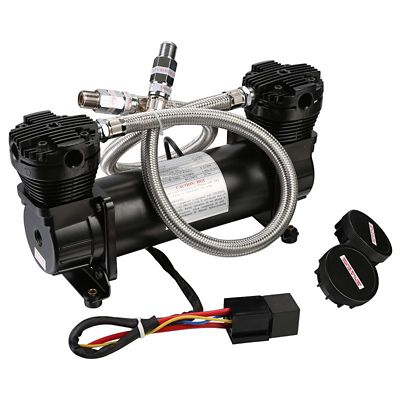
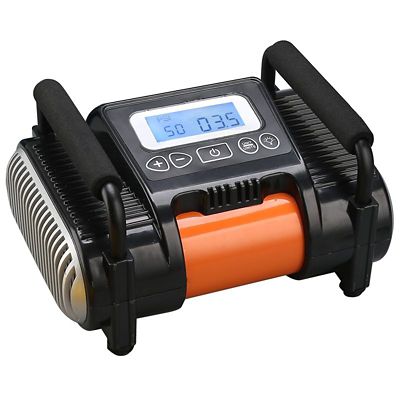
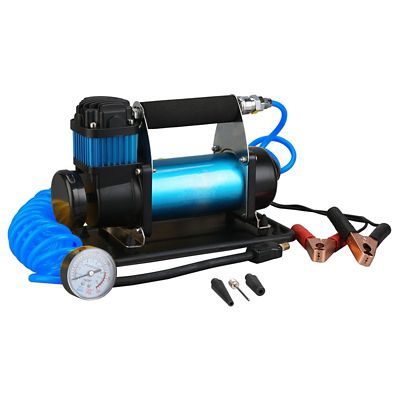
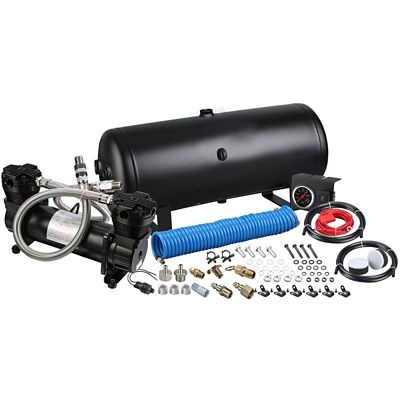
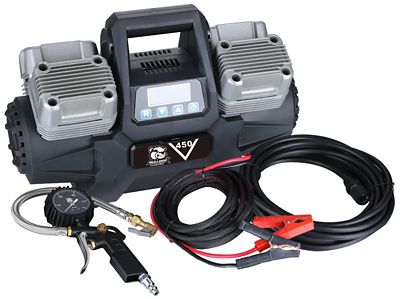
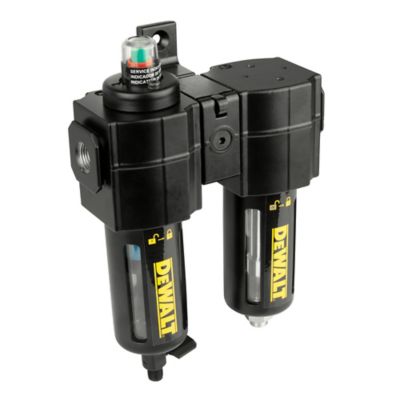
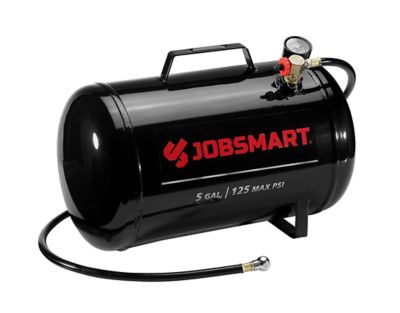
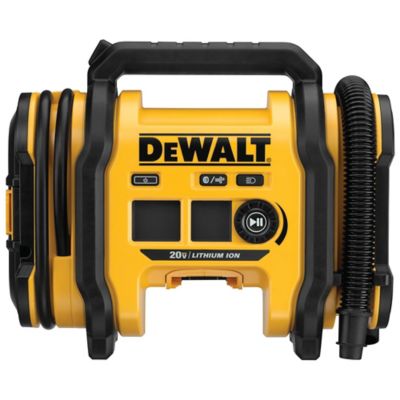
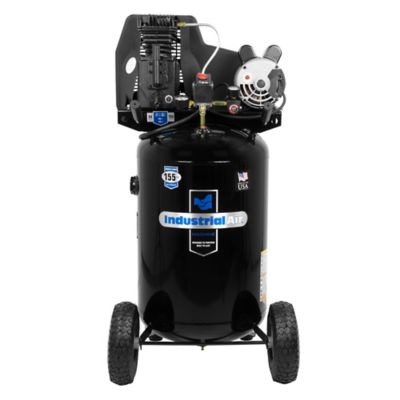
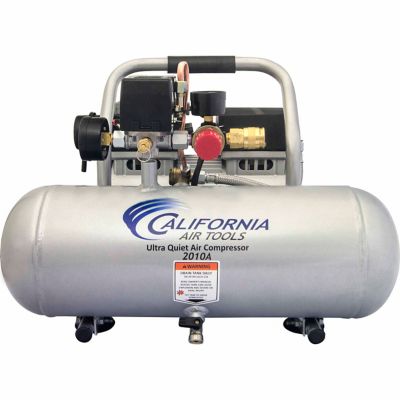
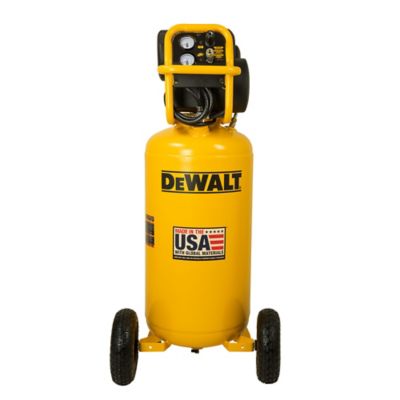
A 12-volt air compressor runs on DC power from a vehicle’s electrical system, making it a handy option for adding air away from a garage outlet. Depending on its design, it connects through a 12V accessory socket, attaches directly to a battery with clamps, or mounts as part of an onboard air system. These compressors cover a range of jobs, from topping off a pickup tire before a feed run to refilling larger off-road tires after a trail ride. Compact tire inflators fit easily into many vehicle storage areas and suit occasional pressure adjustments on passenger vehicles, bicycles and other compatible equipment. Larger portable compressors generally provide more airflow for tires that hold more air, though their electrical needs and storage footprint can be greater, too. An onboard setup stays with the vehicle and may pair with an air tank for compatible accessories. The best fit depends on the tire size, required pressure, frequency of use and power connection—not just how small the compressor looks in its carrying case. For folks traveling gravel roads, hauling a trailer or working between scattered fields, having a suitable compressor along can save a trip back to the shop for a routine pressure adjustment. During the cooler months, falling temperatures can lower tire pressure, giving these tools a place in everyday vehicle care as well as roadside preparation. Tire pressure should follow the vehicle or equipment manufacturer’s recommendation, checked when the tires are cold, rather than the maximum figure molded into the tire sidewall. A compressor can restore pressure, but it cannot fix a puncture, damaged sidewall or leaking valve. That distinction matters when a tire keeps losing air between chores. Inflation attachments can also broaden a compressor’s role to sports balls and certain inflatables, provided the pressure range and fittings match the job. High-pressure tire compressors are not automatically a good match for high-volume, low-pressure tasks such as filling an air mattress.
Airflow, working pressure and duty cycle tell more about a 12V air compressor’s everyday usefulness than its maximum PSI rating alone. PSI measures pressure, while CFM, or cubic feet per minute, describes airflow. A compressor with a high maximum pressure can still take considerable time to fill a large tire if its airflow is low. CFM figures are most helpful when compared at the same stated pressure, since output generally drops as pressure rises. Duty cycle describes how long a compressor can operate within a stated period before it needs a cooling break, under the manufacturer’s specified conditions. For example, a 50 percent duty cycle over ten minutes means five minutes of operation followed by five minutes of rest under those conditions. Refilling several large tires puts different demands on a motor than adding a few pounds of pressure to one car tire, so both airflow and cooling requirements deserve attention. Power fit matters just as much. Accessory-socket compressors must stay within the socket’s amperage rating and the vehicle’s circuit limits; a plug that physically fits does not establish electrical compatibility. Battery-clamp compressors can support higher electrical demand when designed for it, but connections, polarity and operating procedures still need to match the instructions. Permanently mounted systems also need properly sized wiring, circuit protection and secure installation. Hose and power-cord reach can make a real difference beside a long-wheelbase truck or trailer, where the farthest valve may sit well beyond the cab. Screw-on chucks offer a threaded connection, while lever-style chucks can be convenient where there is room to attach them. Built-in gauges, readable displays and preset automatic shutoff can simplify pressure checks, although a separate tire gauge remains helpful for confirming the final reading. Automatic shutoff does not replace keeping an eye on inflation. For jobs centered around a garage or barn with a suitable electrical outlet,
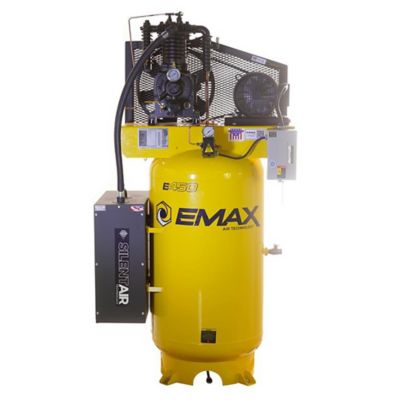
110V Air Compressors offer another power option; either type still needs airflow and pressure ratings that match the work.
Construction and storage details help determine how well a portable air compressor handles life behind a truck seat or alongside the rest of the roadside gear. Metal cylinder components and cooling fins can help shed heat, while a protective housing shields internal parts from everyday bumps. Rubber feet can reduce vibration against a firm surface, and a steady handle makes a larger unit easier to carry across the driveway. Neither a metal housing nor a rugged appearance means a compressor can operate in rain, mud or blowing dust without limits; its stated environmental rating and care instructions take priority. Air intakes need clear space, and hot compressor heads and hoses need time to cool before packing. A hose that stays flexible within its rated temperature range is easier to route to a valve during cold-weather chores, while protected connections and strain relief help manage the tugging that comes with repeated setup. A carrying bag or case keeps fittings together and helps keep grit away from the chuck, gauge and power connections. After a job, wiping away dirt, checking the cord for damage and looking over the hose for cracks or loose fittings can catch problems before the next outing. Maintenance varies by design: some compressors have serviceable intake filters, and systems with tanks may require draining collected moisture according to their instructions. Portable units belong on a firm, dry surface during operation, clear of loose straw and other material that could block airflow. If the manufacturer calls for the vehicle’s engine to run, operation belongs outdoors, never inside a garage or barn where exhaust can build up. For a driver who regularly checks a trailer before hauling, an off-road enthusiast or a family member with a long stretch of country road between home and town, a properly matched compressor can make a practical gift. Electrical compatibility, tire requirements and manageable weight matter more than extra attachments. A well-fitting setup keeps the hose within reach, the controls easy to read and the compressor ready for the jobs it is built to handle.