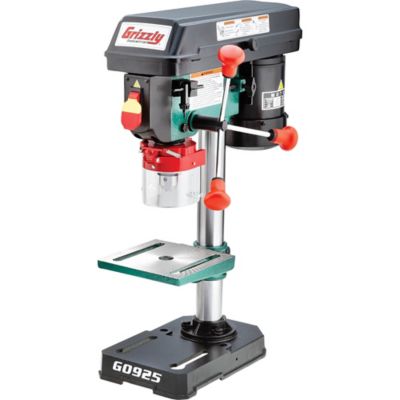
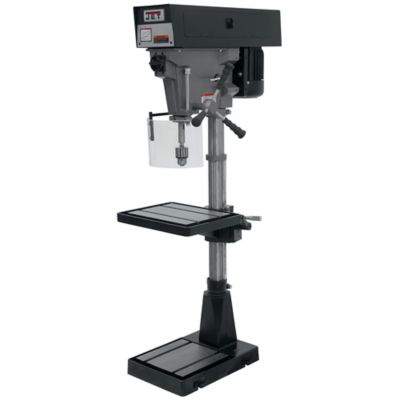
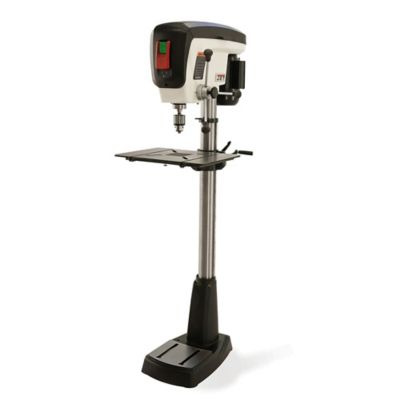
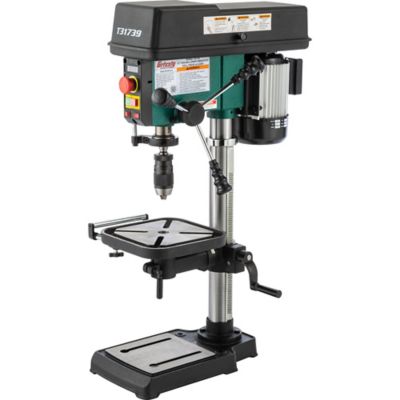
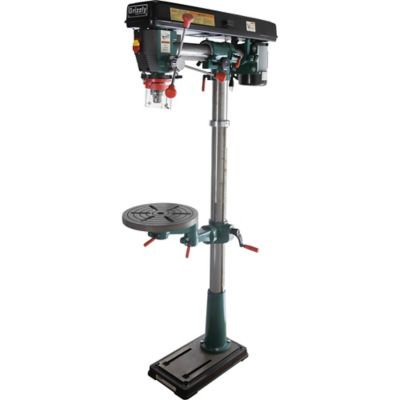
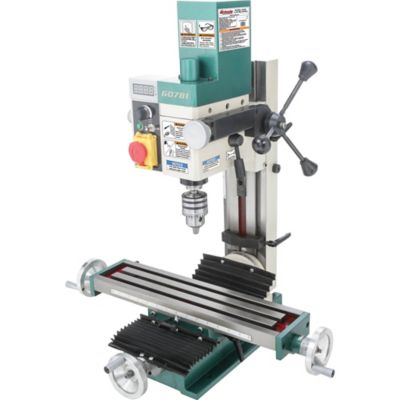
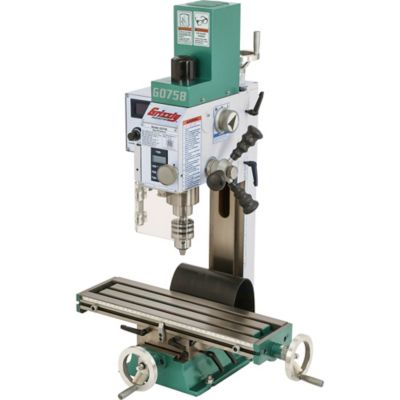
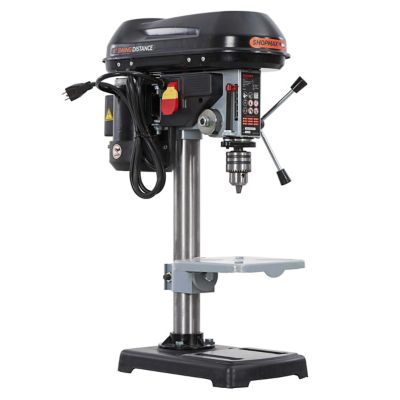
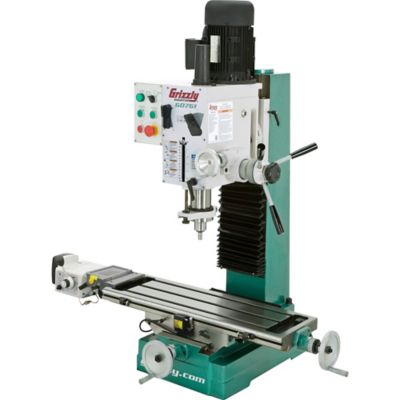
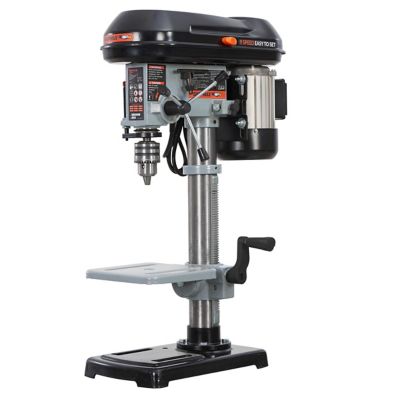
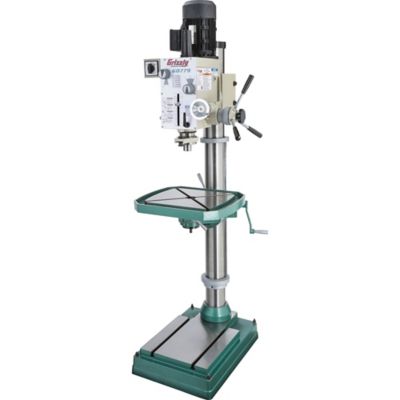
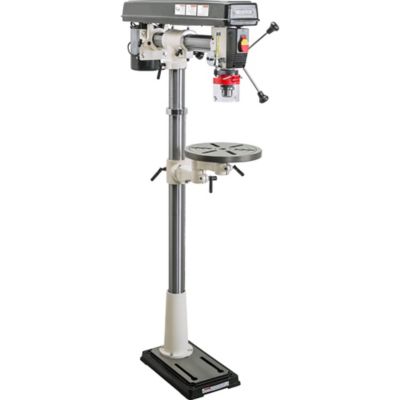
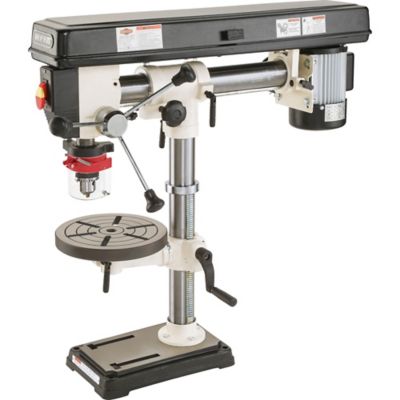
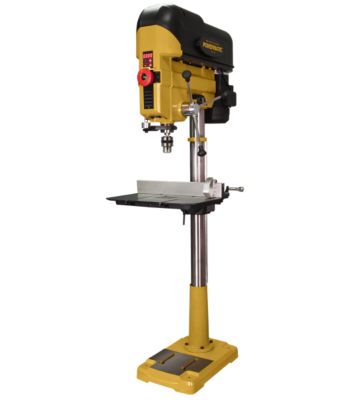
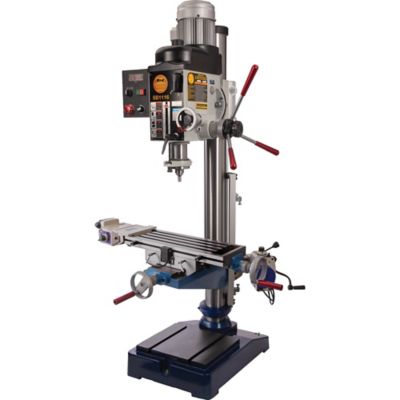
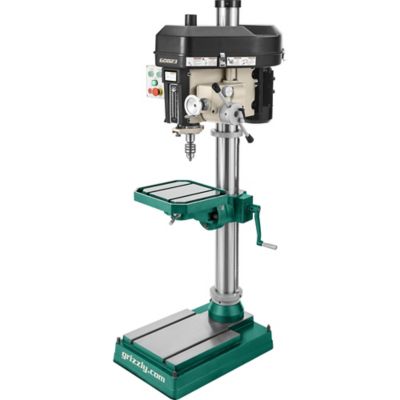
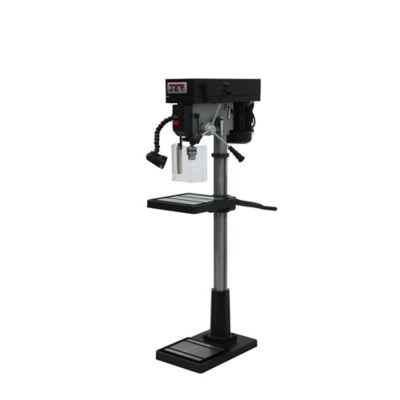
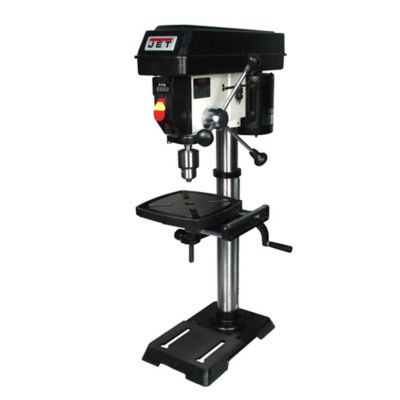
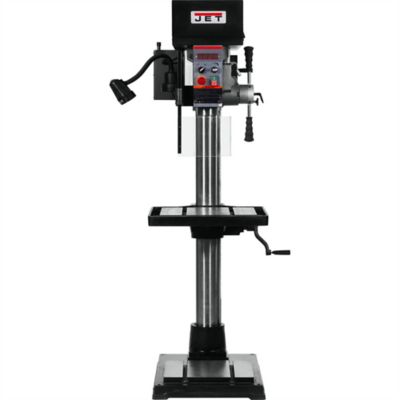
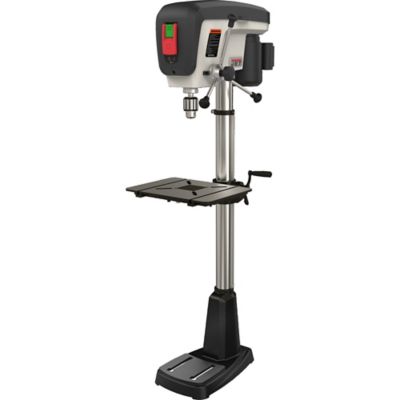
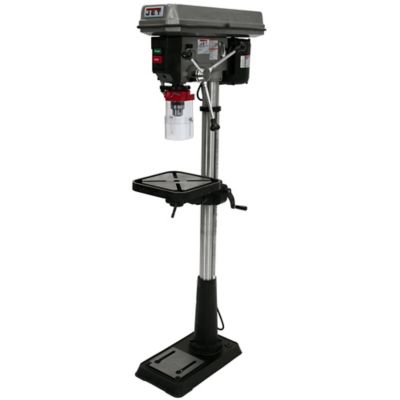
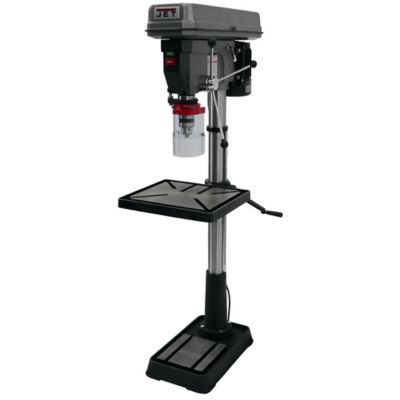
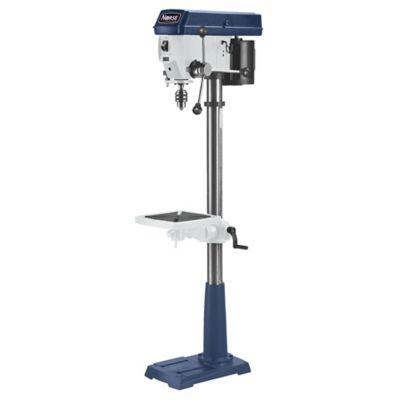
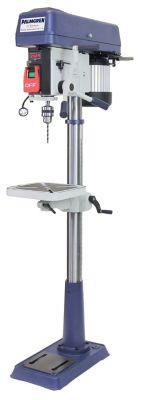
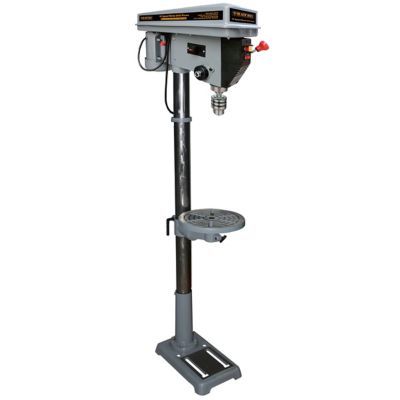
Variable speed drill presses give you more control over the work than a single-speed machine, making them a handy addition to a farm shop, garage, repair area or home workshop. Instead of stopping to rearrange belts on stepped pulleys, many variable speed models let you adjust spindle RPM with a dial, lever or digital controller while the machine is running. That flexibility matters when your projects move from soft pine and hardwood to steel, aluminum or plastic. Faster settings can help produce clean holes in wood, while slower speeds are generally better for harder metals and larger drill bits, helping reduce heat, chatter and premature wear. Plastic may also need a slower, more controlled setting so friction does not soften or melt the material around the hole. When you are comparing variable speed drill presses, look at the available RPM range, motor power, chuck capacity and quill travel. A compact benchtop machine may offer a useful speed range for routine repairs, small woodworking jobs and light metalwork, while a floor-standing press usually provides a larger work area, more throat depth and added stability for bigger projects. Chuck capacity tells you the largest bit shank the press can hold, and quill travel indicates how deep the spindle can move in a single plunge. A solid cast-iron table and base help keep the machine steady, especially when drilling through dense stock, while a table that tilts or adjusts in height can make angled holes and awkward workpieces easier to manage.
These machines suit a wide range of users, from a first-time shop builder setting up a workbench to an experienced maker who needs repeatable holes for brackets, hinges, furniture parts or equipment repairs. A variable speed drill press can be useful around the homestead for making clean holes in gate hardware, mounting plates, pipe fittings, tool parts and other materials that are difficult to hold steady with a handheld drill. Woodworkers appreciate the controlled plunge and consistent alignment when building shelves, cabinets, benches or outdoor projects. Metalworkers can use the slower end of the range for drilling through bar stock and plate, especially when paired with the correct cutting fluid and bit for the material. Makers and hobbyists may value features such as LED work lights, laser crosshair guides, depth stops, digital RPM readouts and quick-adjust tables. A readout shows the selected speed at a glance, while a depth stop helps produce holes that match from one piece to the next. A laser guide can help line up a starting point, although it should be treated as an aid rather than a replacement for careful layout and clamping. For anyone shopping for a gift, a variable speed drill press can be a thoughtful choice for a woodworker, metalworking hobbyist, DIY builder or handy family member who enjoys making and repairing things. It is especially practical for someone moving beyond a handheld drill and looking for better accuracy, steadier operation and more repeatable results. If shop space is limited, a benchtop model can fit on a sturdy work surface and be stored when needed. If the press will become a permanent part of a busy workspace, a floor model may be the better match, provided there is enough room for safe access around the table and column.
Before choosing a press, consider the kind of work that tends to pile up on your bench during the warmer and cooler parts of the year. A compact machine may be enough for seasonal repairs, small furniture projects and general upkeep, while heavier work may call for a stronger motor, longer quill travel and a wider speed range. Look for an easy-to-reach speed control, a well-marked adjustment scale and a motor that maintains steady performance as the bit meets the material. Direct-drive designs can simplify operation by eliminating belt changes, while belt-driven machines may offer familiar mechanical adjustments and straightforward maintenance. Check the height and diameter of the table, the distance from the chuck to the column, the size of the base and the overall weight before bringing a machine into a crowded shop. Keep in mind that a drill press needs a firm, level mounting surface; even a capable press will feel less precise if the bench flexes or the base shifts. Safe setup is just as important as the machine itself. Secure the workpiece with a vise or clamps, use the proper bit for the material, wear eye protection and keep loose sleeves, gloves and long hair away from rotating parts. Let the bit do the cutting instead of forcing it, and clear chips with a brush rather than your hands. With the right speed, a sharp bit and a stable setup, a variable speed drill press can turn rough stock and loose hardware into clean, dependable work. For shoppers comparing other equipment with adjustable operating speeds,
Variable Speed Lawn Mowers offer a similar kind of control for matching performance to changing conditions outdoors.