Industrial drills are built for the kind of work that calls for more than a light-duty handheld tool. In a fabrication shop, maintenance bay, farm repair area, or construction yard, these machines help bore clean, repeatable holes through structural steel, thick plate, heavy timber, and other demanding materials. Common types include stationary floor drill presses, magnetic drills, pneumatic drills, and radial arm drills. A floor drill press offers a solid cast-iron base, a stable work surface, adjustable spindle speeds, and the leverage needed for deep cuts or large holes. Magnetic drills are made for portability, using an electromagnetic base to hold tight against steel beams, columns, tanks, and other ferrous surfaces, including vertical or overhead work where a standard drill press cannot reach. Pneumatic drills run from compressed air and are often chosen for production environments, repair facilities, mining work, and areas where heat or electrical equipment may create added concerns. Radial arm drills bring a long, adjustable arm over large or awkward workpieces, making them useful when the material is too wide, tall, or heavy to position beneath a traditional machine. The right choice depends on the size and weight of the work, the materials being drilled, the hole diameter and depth, available shop space, and whether the machine needs to travel to the job or stay mounted in one location. A small repair shop may value a portable setup that can move from one steel frame to another, while a busy fabrication operation may benefit from a stationary machine that provides steady alignment throughout a long run of holes. Before buying, check the machine’s drilling capacity, spindle travel, speed range, motor power, chuck or tooling compatibility, throat depth, table size, base design, and overall weight. Those details tell you how comfortably the drill will handle everyday work instead of just the occasional tough job.
Industrial drills are used by metal fabricators, welders, equipment mechanics, machinists, agricultural operations, plant maintenance crews, builders, and serious do-it-yourselfers who work with substantial materials. On the farm, one may help repair a gate hinge, make mounting holes in a piece of equipment, or prepare steel for a custom bracket when winter maintenance keeps the shop lights on late into the afternoon. In a welding shop, accurate holes can make the difference between a clean-fitting assembly and a project that needs extra grinding, shimming, or rework. Construction crews may use magnetic drilling equipment to prepare steel beams before a structure is assembled, while maintenance teams rely on pneumatic or stationary machines for repeated repairs and production tasks. These are generally practical purchases rather than surprise gifts, but they can be a thoughtful choice for someone setting up a fabrication shop, expanding a mechanical workspace, or taking on more demanding repair projects. A good industrial drill becomes part of the rhythm of the work: steel is marked, the workpiece is secured, the machine settles into its steady hum, and the hole takes shape without the wandering or chatter that can come from an undersized tool. Look for controls that are easy to reach, guards that help keep hands and clothing clear, a work light for better visibility, and a design that allows routine maintenance without a major teardown. Consider the power available in the workspace, too. Some machines require a particular electrical supply, while pneumatic models depend on an air compressor with enough pressure and volume for the intended duty cycle. If the drill will be moved around a job site, account for carrying weight, lifting points, magnetic holding strength, cord or hose management, and the surface condition where it will be placed. A machine that looks capable on paper still needs a secure setup and enough room for the operator to work safely.
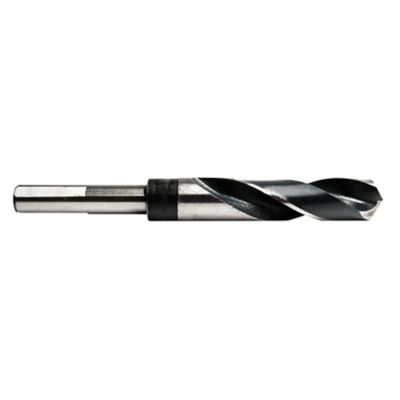
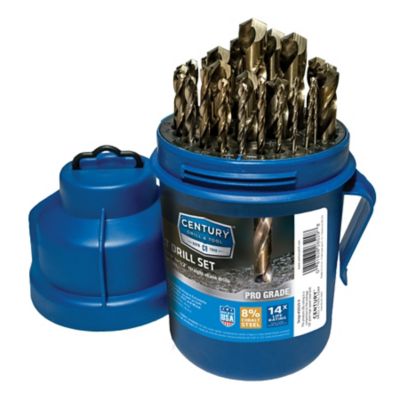
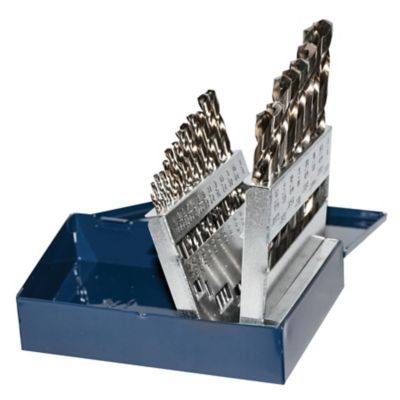
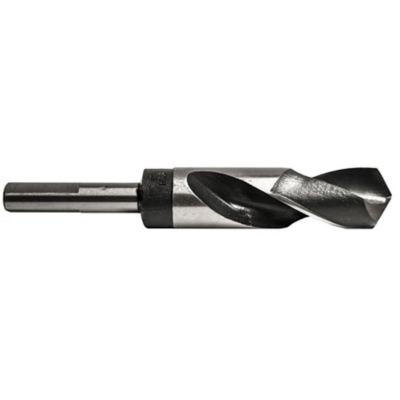
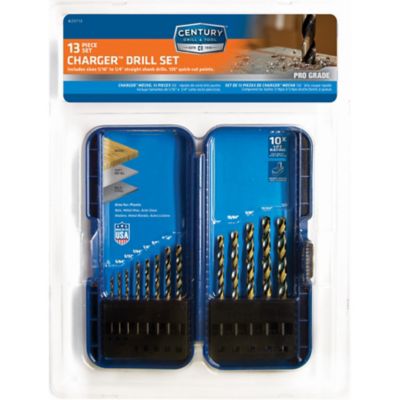
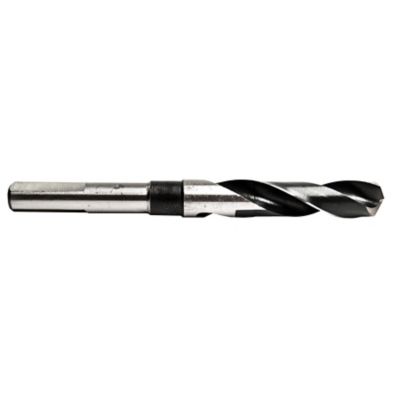
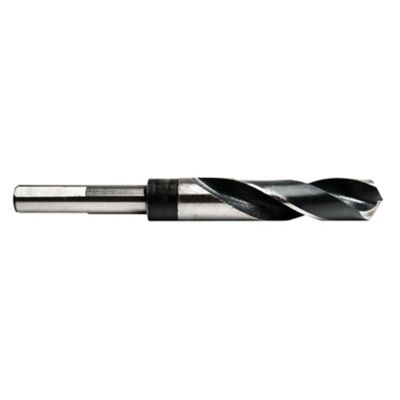
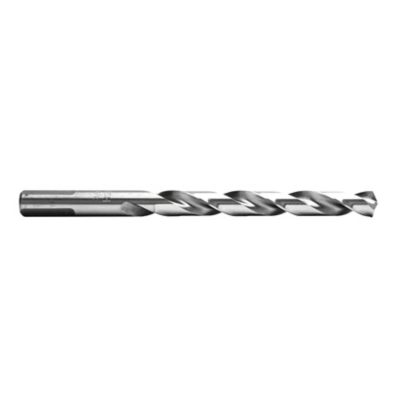
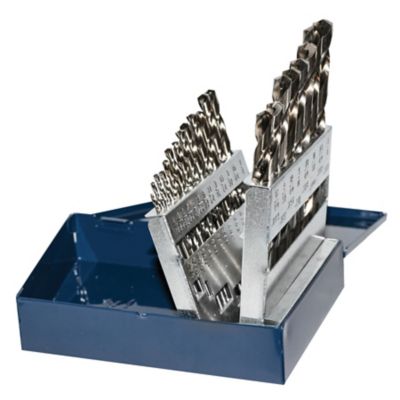
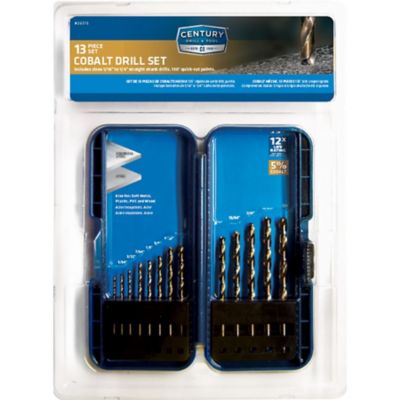
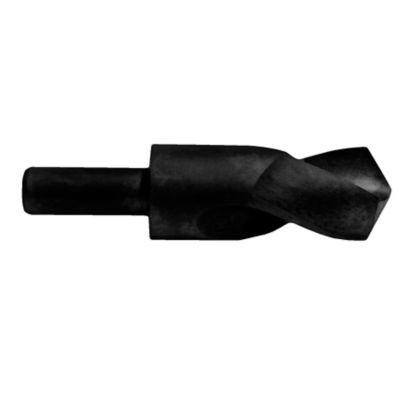
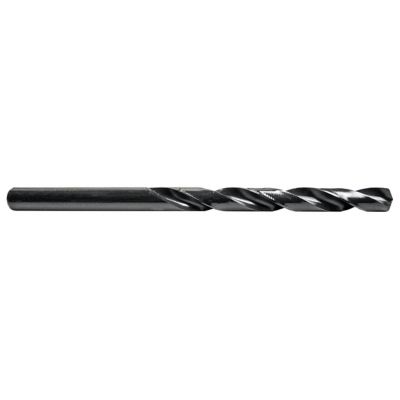
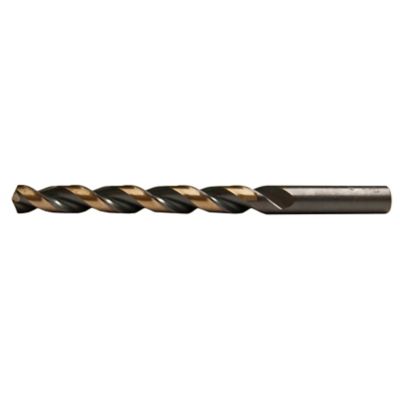
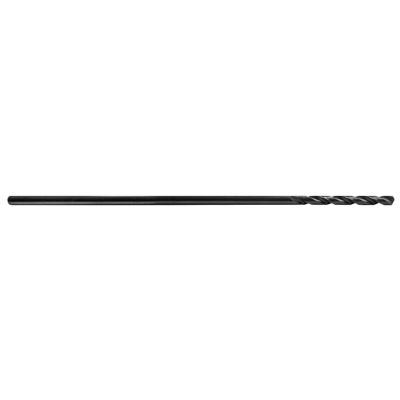
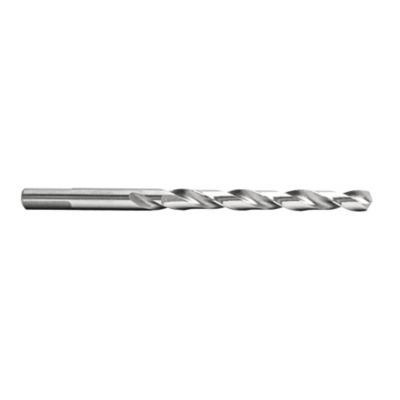
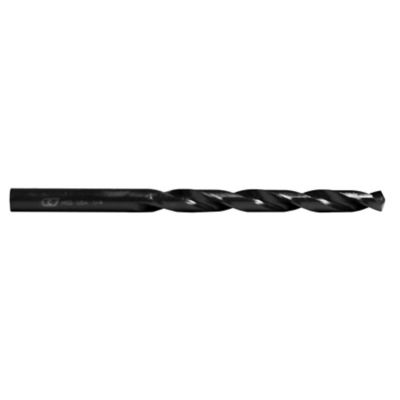
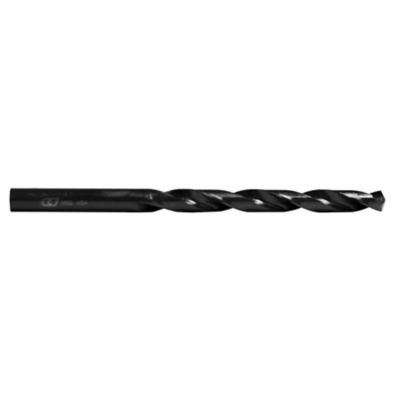
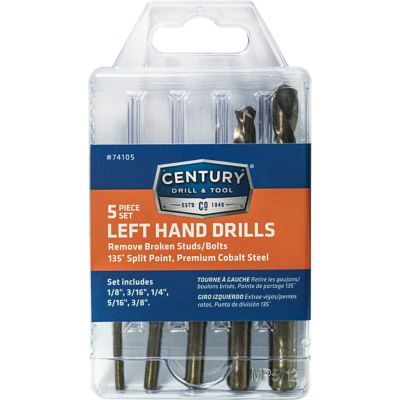
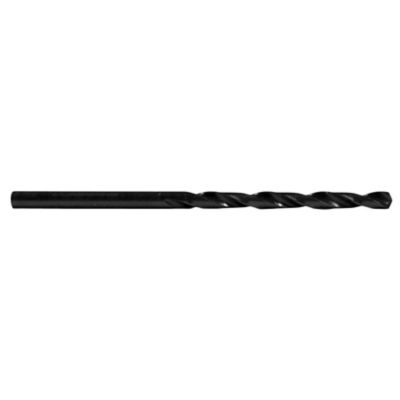
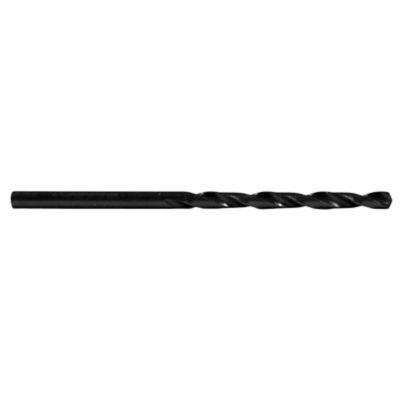
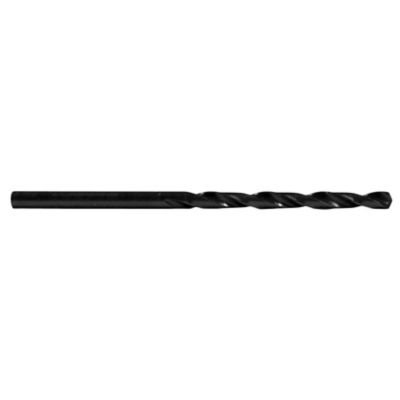
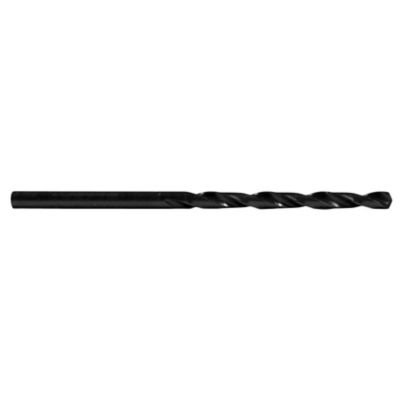
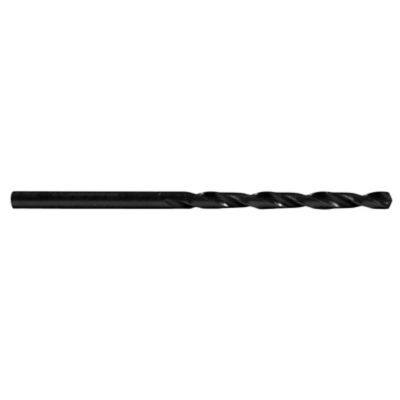
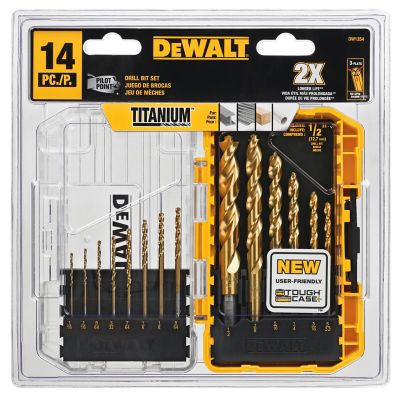
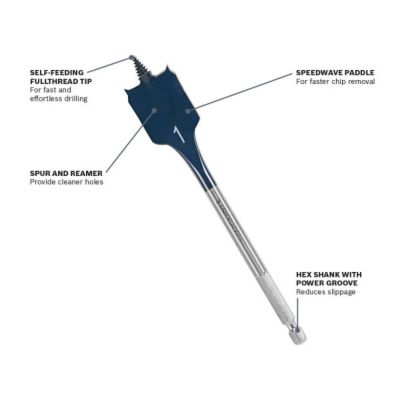
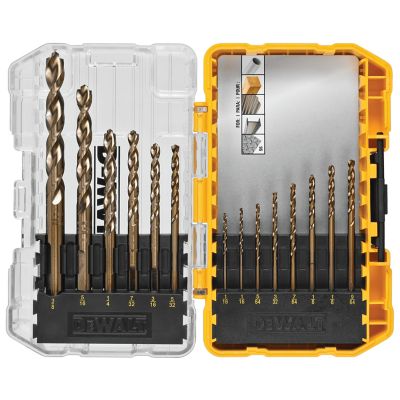
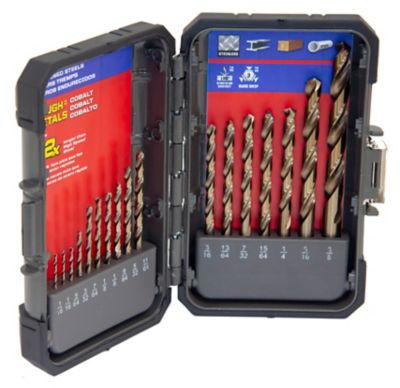
Performance also depends on using the drill with the right accessories and technique. Match the bit or cutter to the material, hole size, and machine, and use tooling rated for industrial service when working through thick metal or other hard stock. Larger bits and harder metals generally call for slower spindle speeds, while smaller cutters may run faster; the correct speed helps reduce heat, extend bit life, and produce a cleaner hole. Secure the workpiece firmly before starting, keep the drill square to the material, and apply steady, controlled pressure rather than forcing the tool. A bit that catches can bind, twist the work, or damage both the cutter and the machine. Cutting fluid or another suitable lubricant helps cool the cutting edge and carry chips away when drilling thick steel, stainless materials, and other heat-sensitive workpieces. Clear chips with a brush or chip hook instead of bare hands, and stop the machine before making adjustments, changing tooling, or measuring the hole. Eye protection, hearing protection, sturdy footwear, and fitted work clothing are smart choices, especially in a busy shop where sparks, sharp chips, and heavy stock are part of the job. Keep the table, base, and surrounding floor free of oil and scrap so the setup stays stable during cooler months when indoor repair work often picks up. For operations that also cut pipe, plate, lumber, or other stock, a complementary selection of
Industrial Saws can help round out the workspace, while an industrial drill handles the precise holes that join, mount, and reinforce each project. With the proper capacity, speed control, support, and safety habits, an industrial drill can deliver dependable service through daily production, heavy repairs, and the many practical jobs that keep a farm, shop, or worksite moving.