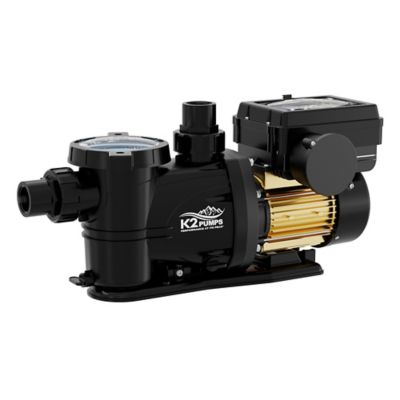
Variable speed pumps give pool owners more control over how water moves through the system. Instead of running at one fixed speed from the time the motor starts until it shuts off, these pumps use an adjustable motor that can run slowly for everyday filtration and turn up the flow when the pool needs extra circulation. Think of it much like using a dimmer switch instead of a simple on-off light switch. A lower setting may be enough to keep water moving through the filter during normal operation, while a higher setting can help with vacuuming, backwashing, heating, attached spas, fountains or other water features. Many variable speed pool pumps use permanent magnet motor technology, which helps the motor run efficiently with less wasted energy, friction and heat. At low RPM, the pump generally uses far less electricity than a traditional single-speed pump running at full power, and the difference can add up over a season of regular use. Lower-speed operation also tends to be quieter, which can make a real difference when the equipment pad sits beside a patio, back porch or bedroom window. Rather than hearing a hard mechanical hum all day, you may hear little more than a soft whir while the pump keeps the water moving. These pumps are useful for homeowners caring for an in-ground or above-ground pool, families with a spa combination, rental property owners and anyone replacing an aging single-speed motor. They can also be a thoughtful gift for a new pool owner, a handy relative who takes pride in maintaining the backyard, or a friend who is always looking for practical ways to trim household operating costs. A variable speed pump is more than a seasonal pool accessory; it is a core part of the circulation system, moving water through the skimmer, filter, heater and return lines so chemicals can distribute properly and debris does not sit still on the surface or floor.
Choosing the right variable speed pump starts with matching the pump to the pool and plumbing rather than simply buying the highest horsepower available. Pool volume, pipe size, total plumbing distance, filter capacity and the presence of a spa, waterfall or other water feature all affect the amount of flow the system can handle. A pump that is too small may struggle to provide the flow needed for cleaning or water features, while an oversized pump can push more water than the filter or plumbing was designed to manage and may use more power than necessary. Check the pump’s flow ratings, horsepower, voltage requirements and recommended pipe size, and compare those details with the existing equipment before making a purchase. It is also worth checking whether the electrical setup can support the replacement, especially when changing from one motor type or voltage to another. Many variable speed pumps include a digital control panel, programmable schedules and multiple speed settings, allowing you to set a gentle, extended filtration cycle instead of relying on short periods at maximum speed. That approach is often where the energy savings come from: water can circulate for more hours at a lower RPM, reducing resistance in the plumbing and easing the workload on the motor. A higher setting can then be scheduled for a shorter period when the pool cleaner runs, the heater needs adequate flow or a spa spillway is in use. The exact schedule depends on pool size, weather, bather load and water conditions, so use the manufacturer’s instructions and your local pool professional’s recommendations as a starting point. Keep in mind that energy use varies with pump size, speed, plumbing layout and run time; claims of savings as high as 90% are possible in some situations compared with single-speed operation, but every setup is different. A properly selected pump may also run cooler and with less vibration, which can help reduce wear on seals and motor components over time. Look for clear controls, a durable housing, an appropriate warranty and service parts that will be available when routine maintenance is needed. For systems that need steady water movement but not the higher output associated with pool filtration,
Recirculation Pumps may be a better fit, depending on the application.
A little regular care helps a variable speed pump do its job through changing conditions. Keep the pump basket clear of leaves, grass clippings and other debris, and check the skimmer basket often when trees are dropping leaves or strong winds have blown across the yard. A clogged basket or dirty filter makes the pump work harder and can reduce the flow reaching the returns. Watch for air in the pump strainer basket, unusual rattling, leaking around seals or a noticeable change in water pressure, since those signs may point to a blockage, a suction-side air leak or another issue that should be addressed before it becomes a larger repair. The pump should be installed on a firm, level surface with enough room around it for ventilation, service access and safe electrical connections. Electrical work, plumbing changes and equipment replacement are best handled according to local codes and by a qualified professional when required. As the weather cools and the pool sees less use, many owners adjust the daily schedule rather than letting the pump run at full speed for no reason. Before colder conditions arrive, follow the proper winterizing steps for your region, including draining or protecting equipment when necessary and following the instructions for the pump, filter and plumbing. In warmer stretches, debris, pollen and heavier use may call for more frequent basket cleaning or a temporary increase in circulation. The adjustable nature of a variable speed pump makes it easier to respond to those changes without treating every day like a heavy-use day. Whether you are replacing a noisy older pump, building a more efficient backyard pool system or fine-tuning circulation around a spa and water feature, the right variable speed pump can help keep water clearer, operation quieter and energy use more manageable. Take a careful look at the pool’s gallons, plumbing, filter and features before selecting a model, then set the speed and schedule to suit the way your household actually uses the water.