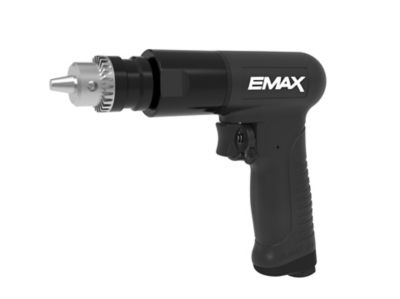
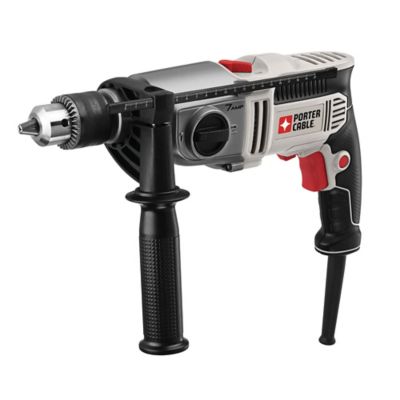
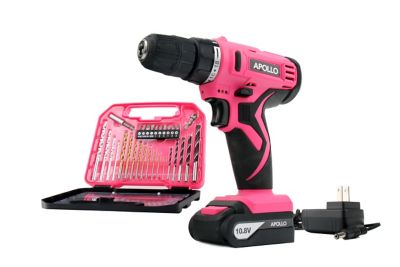
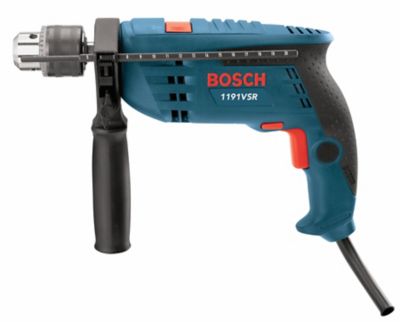
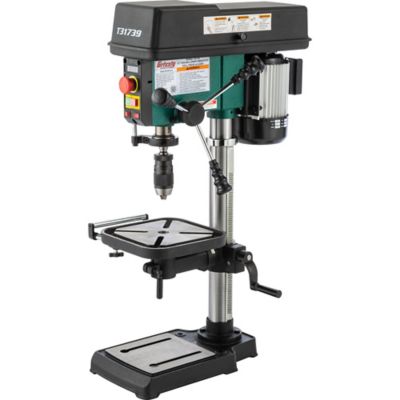
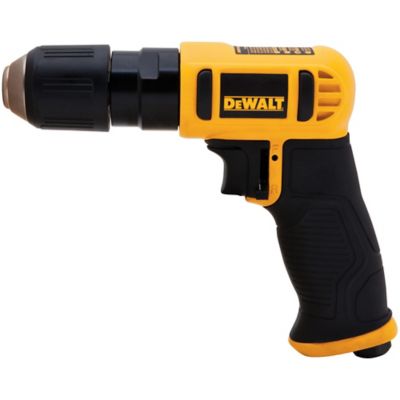
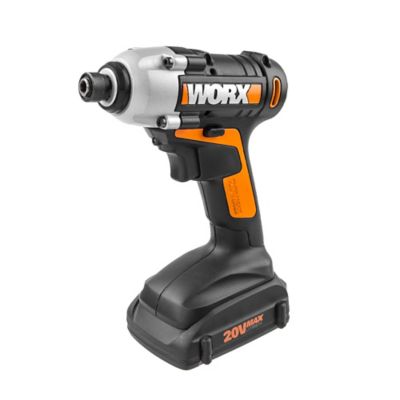
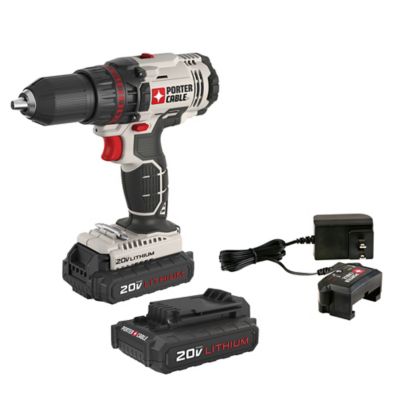
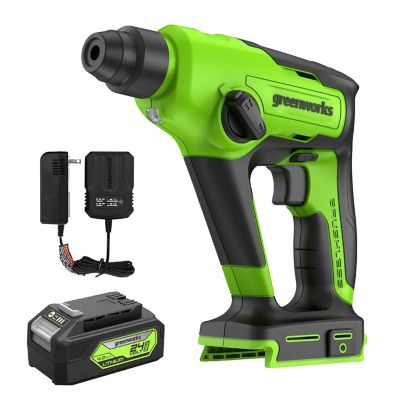
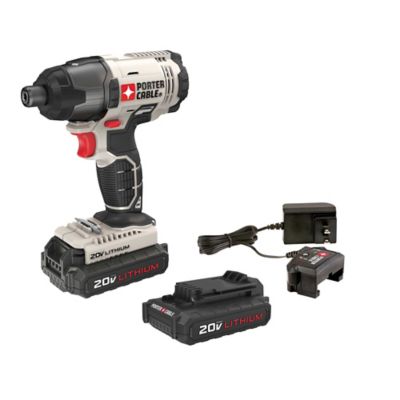
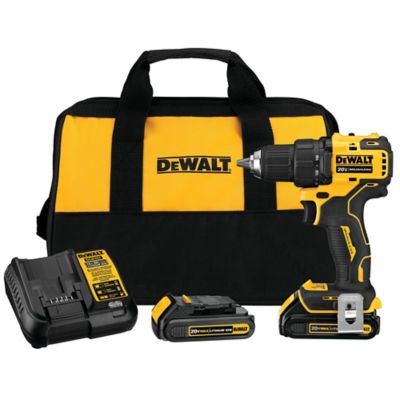
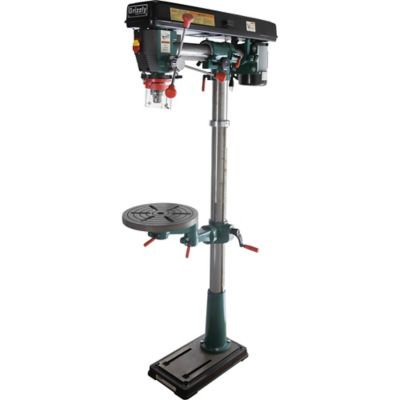
A variable speed drill lets you adjust the bit’s rotation speed, most often by changing how far you squeeze the trigger. A light squeeze starts the bit slowly, while more pressure increases speed within the selected range. That control comes in handy when starting a hole in a smooth board, drilling through a steel bracket, or setting screws in a shed door without burying the heads. Around the house, barn, and workshop, variable speed drills handle everything from hanging shelves to building feed storage bins and replacing gate hardware. Starting slowly helps keep the bit from wandering, though a steady grip, a secured workpiece, and the right bit still matter. Once the hole gets going, the best speed depends on the material, bit size, and bit manufacturer’s recommendations. Larger bits generally need slower rotation than smaller ones, and drilling metal usually calls for lower speeds than drilling softwood with a comparable bit. Plastic needs particular care because excess heat can soften the material, while aggressive cutting can cause cracks or chips. Speed control also helps with driving screws: ease the fastener into place, maintain steady pressure as it advances, and slow down as the head approaches the surface. On drill/drivers equipped with an adjustable clutch, the clutch limits driving torque to help keep screws from sinking too deep or damaging their heads. Trigger speed and clutch settings do different jobs, and having both gives you more control over fastening work. For a homeowner tightening up a loose hinge or a ranch hand fitting a replacement latch, that difference can mean less touch-up work afterward. These drills are a practical match for people who move between hole-making and fastening throughout the day, especially when the work ranges from a small bench project to repairs out by the fence line.
Corded and cordless variable speed drills suit different working conditions, so the power source deserves as much attention as the speed range. A corded drill makes sense at a workbench or near a suitable outlet, where steady access to power matters more than freedom to roam. There’s no battery charge to monitor, but the cord needs a clear path away from the rotating bit, sharp edges, and foot traffic. Any extension cord should meet the tool manufacturer’s requirements for wire gauge, length, and working conditions. A cordless drill is easier to carry between the garage, a livestock shelter, and an outbuilding, especially where an outlet is a long walk away. Battery capacity affects potential runtime, while the battery’s size and weight can change how the drill feels in your hand. Voltage alone doesn’t tell the whole story about drilling performance; motor design, gearing, battery capability, and the task all play a part. Some drills have multiple gear ranges, typically offering a lower range for slower, higher-torque work and a higher range for faster drilling. Variable trigger control adjusts speed within those ranges rather than replacing them. Chuck size is another useful distinction. Common 3/8-inch and 1/2-inch chucks accept different maximum shank diameters, but chuck size alone doesn’t establish the tool’s drilling capacity. The rated capacity for each material is the better reference, particularly for larger holes. Keyless chucks make bit changes convenient, while keyed chucks require a separate chuck key that must be removed before operation. Tool fit matters, too: a comfortable grip, manageable weight, and reachable controls make a difference when mounting several shelf brackets or working above shoulder height. A shorter drill body can help between framing members, though tight corners may call for a right-angle design. For heavier drilling, a side handle, when supplied or required, helps manage the twisting force that can occur if a bit binds. Balance and control count just as much as the numbers on the tool’s specifications.
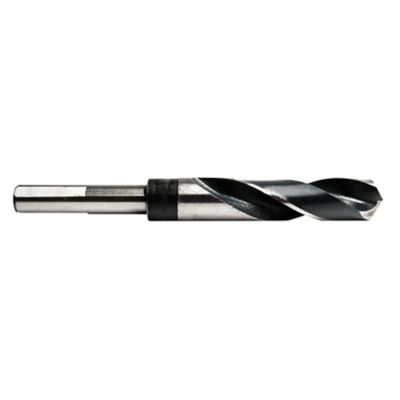
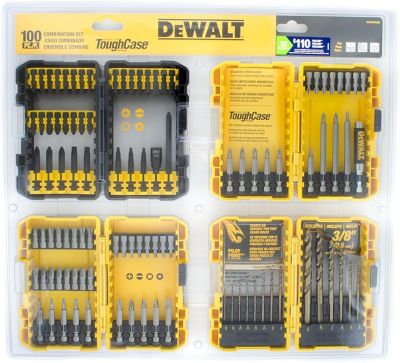
Matching a variable speed drill to the work also means looking beyond the motor to the bits, fasteners, and materials it will meet. Wood-drilling bits, metal-drilling bits, and masonry bits have different cutting designs, and not every drill is intended for every material. High-speed steel bits suit many common drilling tasks, while cobalt-containing alloys can be appropriate for certain harder metals when paired with the proper speed and cutting lubricant. Masonry work may call for a hammer drill or rotary hammer and a compatible bit; variable speed by itself doesn’t provide hammering action. Driving screws into framing, assembling a workbench, and making holes through sheet metal place different demands on a tool, so its rated applications matter more than a broad promise of power. Construction details such as housing protection, chuck grip, and gearbox design can affect how well a drill stands up to regular work, but even a sturdy tool needs sensible care. Clear dust from ventilation openings according to the manual, check cords and housings for damage, and disconnect power or remove the battery before changing accessories or making adjustments. Sharp bits cut with less strain than dull ones, and forcing a struggling drill can overheat the tool or damage the workpiece. Eye protection, clamped material, and clothing kept clear of rotating parts belong in any drilling setup. During the cooler months, dry storage and charging batteries within the manufacturer’s temperature limits help keep tools ready for repairs. A drill can also make a useful gift for someone setting up a first workshop, tending a small acreage, or taking on household repairs, particularly when its weight and power system fit the recipient’s other equipment. Property projects sometimes reach beyond fastening and hole-making into water handling, where
Variable Speed Pumps are a separate equipment category for applications that need adjustable pump operation. For drilling work itself, the right combination of speed control, comfortable handling, suitable accessories, and task-matched capacity helps carry a project from the first pilot hole to the last screw.