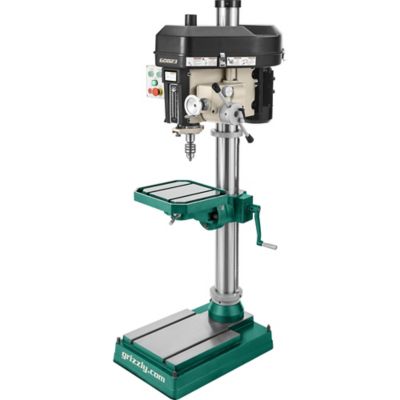
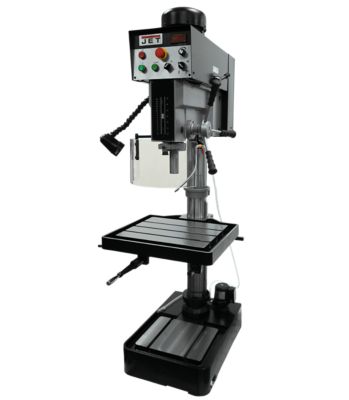
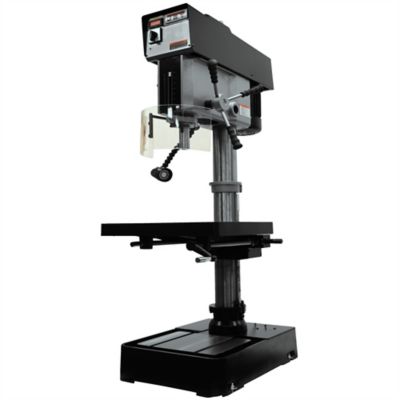
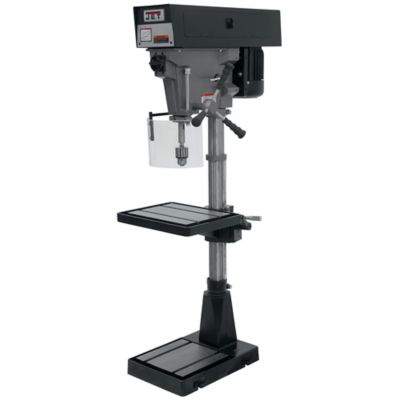
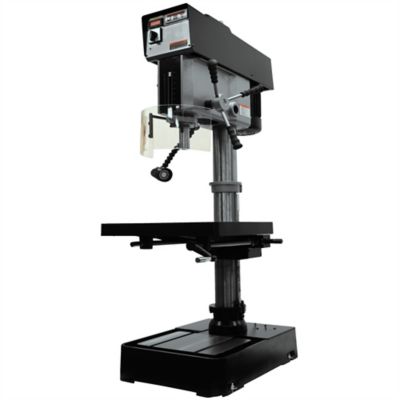
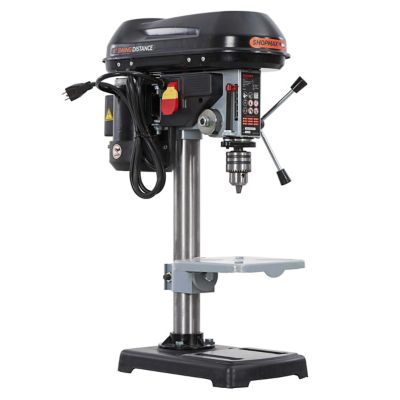
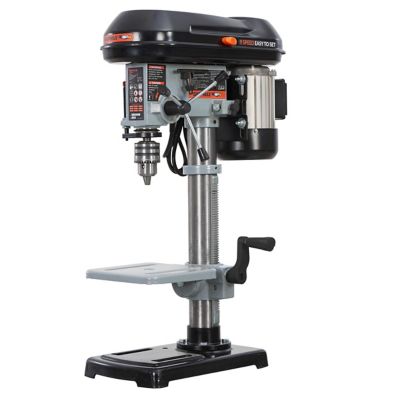
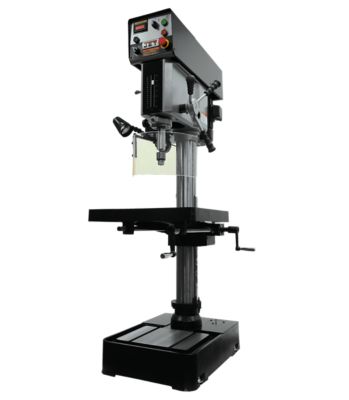
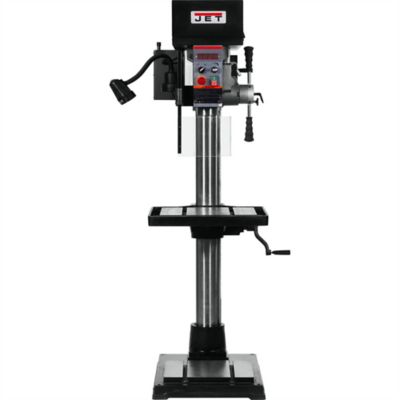
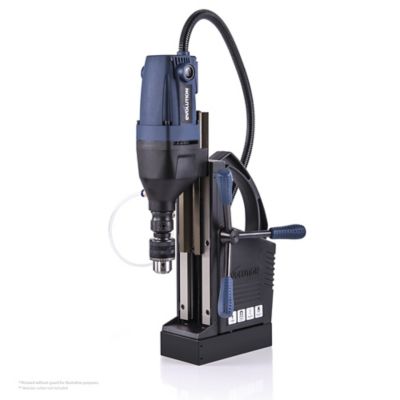
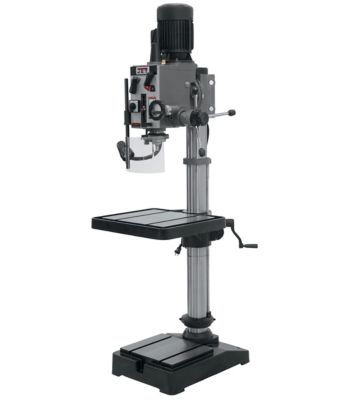
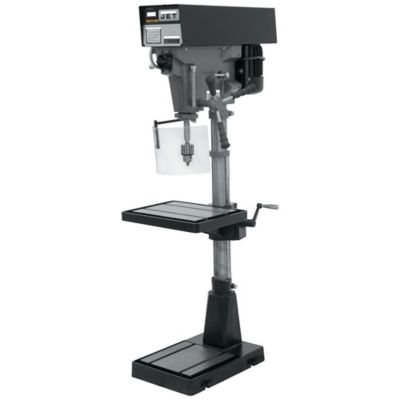
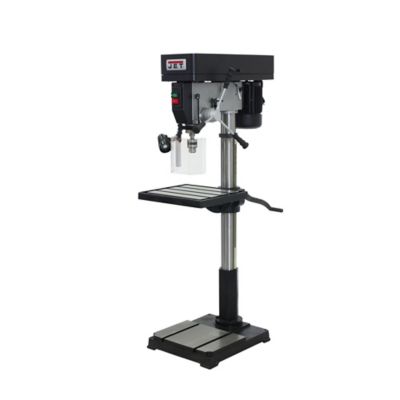
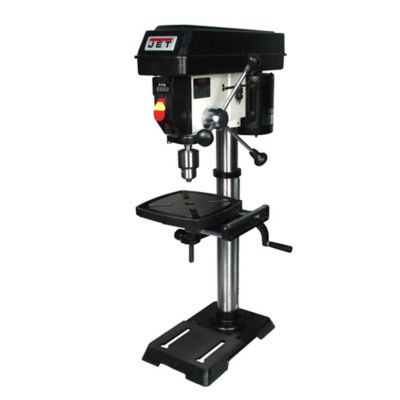
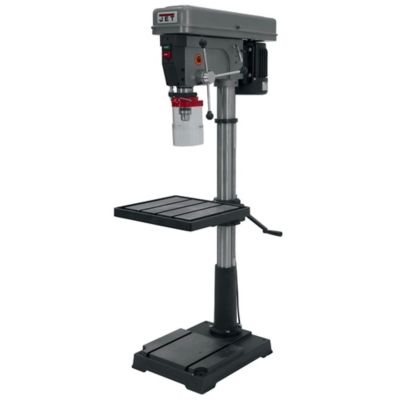
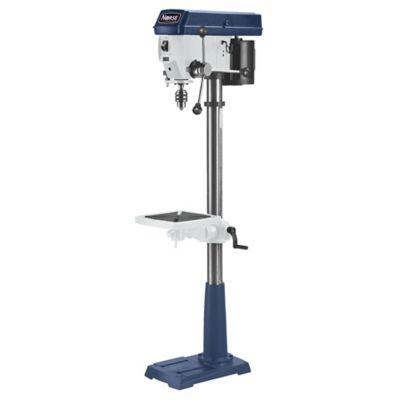
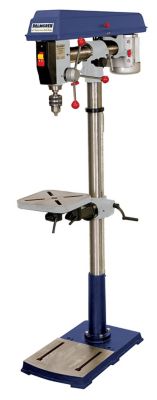
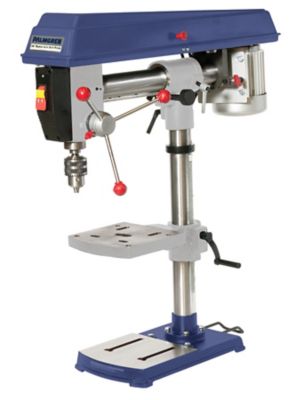
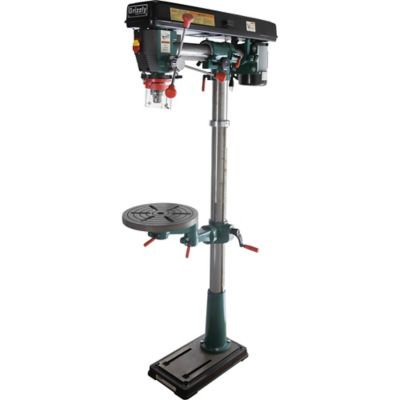
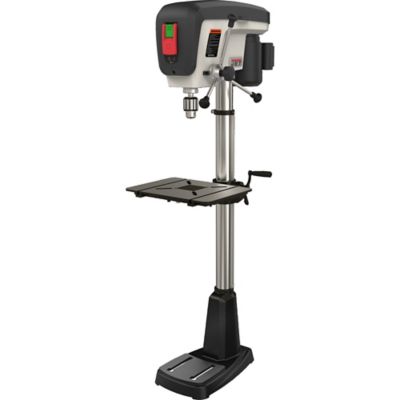
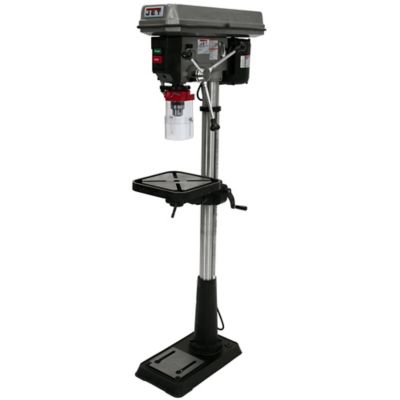
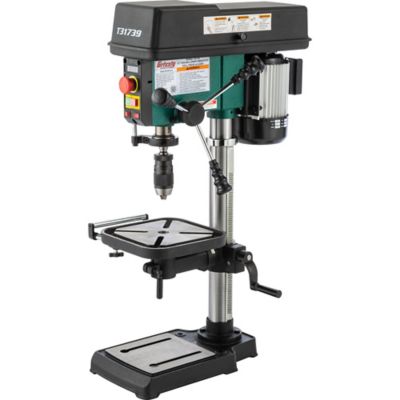
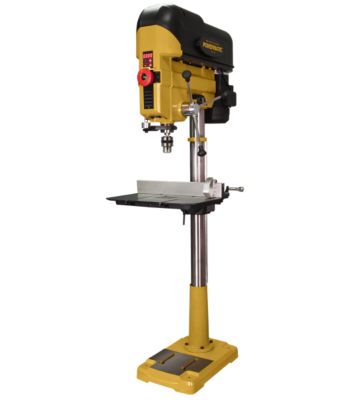
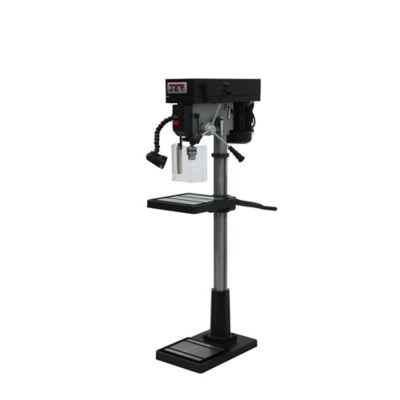
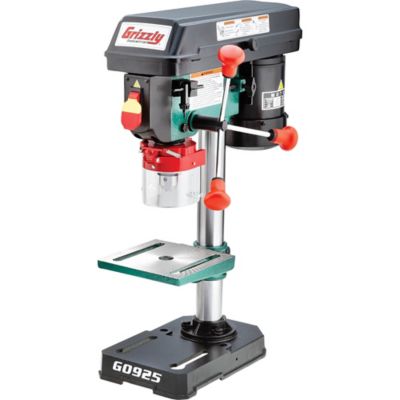
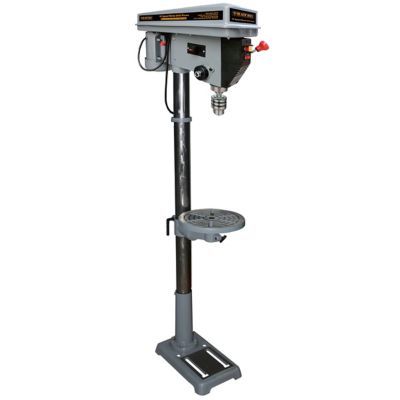
Heavy duty drill presses bring steady, controlled drilling to shops, barns, repair bays, and fabrication spaces where a handheld drill cannot deliver the same accuracy or repeatable pressure. These larger machines are typically floor-mounted, with a rigid column, broad work table, powerful motor, and a head built to handle thick stock and demanding jobs. Depending on the setup, they can drill through steel, cast iron, aluminum, hardwood, laminated lumber, and other dense materials with less wandering and vibration than a portable tool. They are especially useful for farm and ranch repairs, equipment maintenance, welding and fabrication work, trailer projects, agricultural machinery, and general metalworking. A solid drill press can help turn a rough repair into a clean, dependable fix—such as drilling matching holes in a replacement bracket, opening a precise hole in a steel plate, or preparing a workpiece for bolts, pins, and threaded fasteners. When comparing heavy duty drill presses, start with motor power and the type of work you expect to do. Models rated around 1.5 to 2 HP or more are commonly suited to deep-hole drilling and heavier work in steel and cast iron, while the right choice still depends on bit size, material thickness, drilling speed, and how continuously the machine will run. A gear-driven head provides a positive transfer of power and helps maintain torque under load without relying on belt grip alone. Belt-driven designs can still be useful, particularly where smooth operation and a broad range of selectable speeds matter, so look closely at the full drive system rather than judging a machine by horsepower alone. Multiple spindle speeds let you match the machine to the material and bit size: slower settings are generally preferred for larger bits and tough metals, while faster settings can suit smaller bits and softer materials. Check that speed changes are straightforward and that the adjustment process fits the way you work. Spindle travel is another important detail. A deeper quill or spindle travel allows the bit to make deeper holes without repeatedly repositioning the workpiece, and a larger swing—the distance from the spindle center to the column, multiplied by two—provides room for wider pieces. For large brackets, long plates, gate hardware, and bulky wood components, a swing of 15 inches to 26 inches or more can make a noticeable difference. A strong, adjustable table should tilt, rotate, or move vertically as needed, with enough surface area to support the material and enough strength to stay put under pressure. Look for a table with slots for clamps or a vise, and plan to secure every workpiece rather than holding it by hand. A vise, drill press clamps, a sacrificial board, and properly sized drill bits all add control and help protect the table.
The best heavy duty drill press for a busy workshop is one that matches the material, hole size, and work pace you have in mind. If your projects include frequent metal fabrication, pay close attention to torque, low-speed performance, spindle rigidity, and the ability to maintain a straight cut through thick stock. If you work with hardwood or laminated boards, table size, depth capacity, smooth feed action, and clean chip removal may be higher priorities. A keyed chuck can provide a firm grip on larger bits, while compatibility with taper-shank tooling, annular cutters, countersinks, reamers, and other accessories can expand the jobs the machine can handle. Tapping capability is useful for cutting internal threads directly on the press, especially when working with repeat parts. A forward-and-reverse switch, reversing control, or foot-operated control can help with tapping operations, though the feature should be used only with tooling and procedures approved for the machine. Power feed can provide a consistent drilling rate on repetitive work and reduce hand fatigue, while a fine downfeed or micrometer-style control helps when a precise depth matters. These features are particularly handy when making a batch of matching parts for a livestock gate, equipment guard, workbench, or trailer repair. Before bringing a large press into the shop, measure the available floor space, ceiling clearance, doorway width, and electrical service. Heavy duty machines can be tall and substantial, and a level, stable installation is important for accuracy. Follow the manufacturer’s requirements for voltage, amperage, grounding, anchoring, lubrication, and assembly. Keep the area around the press well lit and free of loose bedding, feed dust, oily rags, and clutter. Wear eye protection, secure long hair and loose clothing, remove jewelry, and clamp the workpiece firmly. Cutting fluid can improve results and extend bit life when drilling metal, but use it carefully and clean up spills before they become a slip hazard. Stop the machine before measuring, clearing chips, changing bits, or adjusting the table, and use a brush or chip hook instead of bare hands. During the cooler months, a dependable drill press can earn its keep indoors while outdoor jobs slow down, giving you a practical way to repair equipment, build shop fixtures, and prepare parts for work ahead. For a broader look at equipment suited to demanding shop and farm projects, explore
Heavy Duty Power Tools. Whether it is selected for a professional fabrication bay, a well-used homestead shop, or an experienced DIY workspace, a heavy duty drill press is a long-term investment in cleaner holes, steadier work, and fewer do-overs.