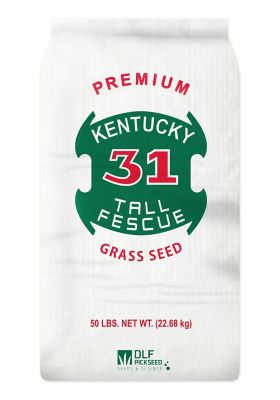
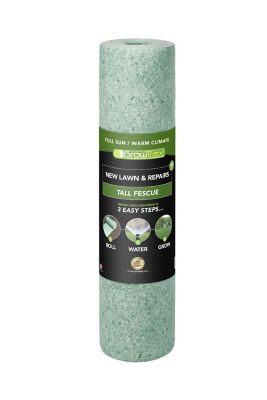
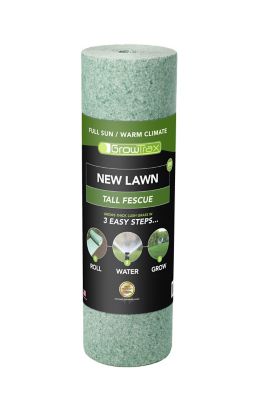
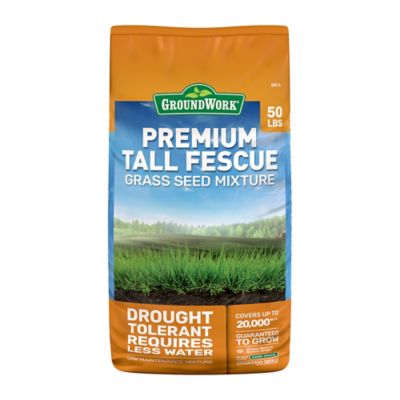
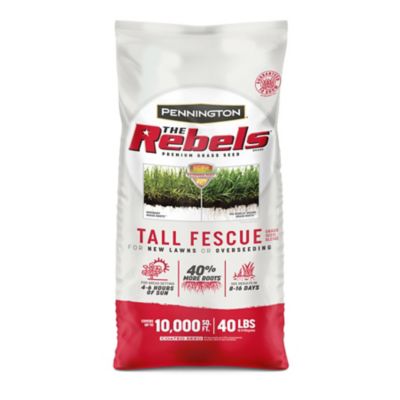
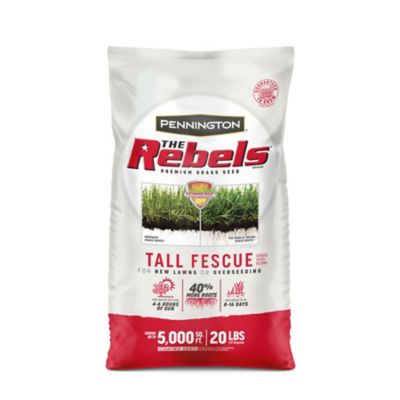
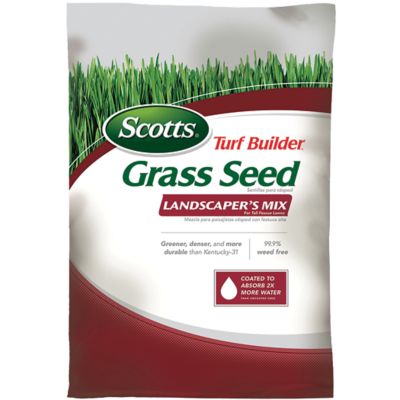
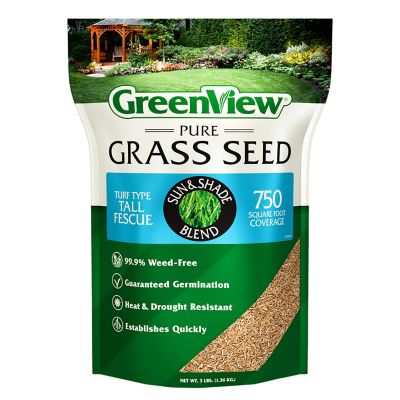
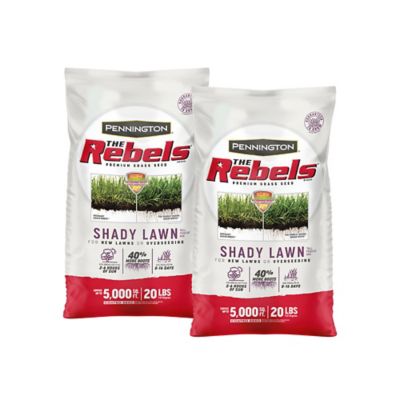
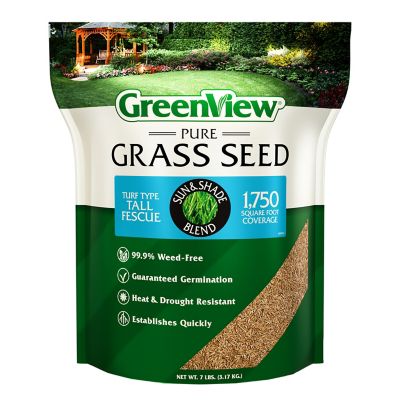
Turf-type tall fescue is a cool-season lawn grass bred for finer blades, deeper green color, and a more even appearance than tall fescues grown mainly for forage. It gives home lawns, open yards, and grassy areas around outbuildings a full look without the coarse texture often associated with pasture grass. For folks choosing grass seed for a country place or a neighborhood lot, its appeal goes beyond color. An established stand develops a deep root system that can reach moisture below the soil surface, helping it handle heat and dry spells better than many other cool-season lawn grasses. Root depth still depends on soil conditions, drainage, and care; hard-packed ground can keep even a deep-rooted grass from reaching its potential. Turf-type tall fescue grows well in full sun and can handle partial shade, making it a practical fit for yards with open stretches and scattered trees. Dense shade beneath a thick canopy is another matter, especially where tree roots compete for water. It also stands up to everyday foot traffic once established, whether that means kids playing catch or trips between the back steps and the shed. A constant shortcut to the gate can still wear a thin strip through the lawn. Most turf-type tall fescues grow in bunches rather than spreading quickly through runners, so they do not fill large bare patches as readily as grasses with spreading stems. Overseeding is often part of keeping that coverage even. Some varieties have limited spreading ability, but seed selection should not rest on the expectation that every bare spot will close on its own. This combination of fine texture, wear tolerance, and deep rooting makes turf-type tall fescue seed worth considering for a lawn that needs to look cared for while still leaving room for everyday life outside.
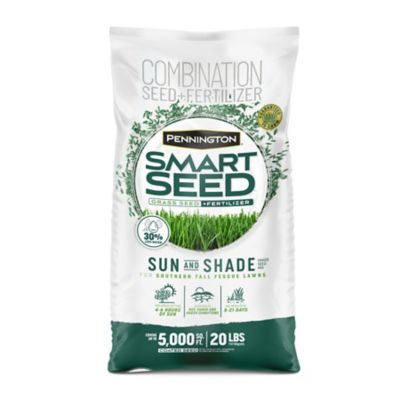
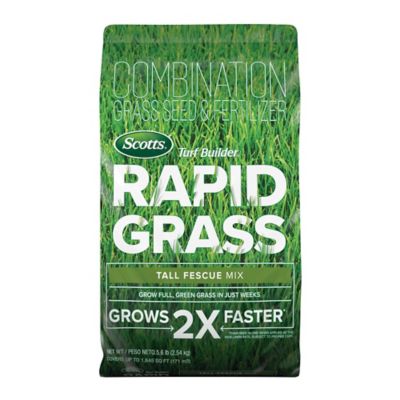
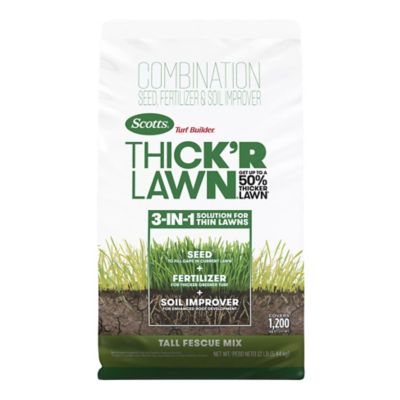
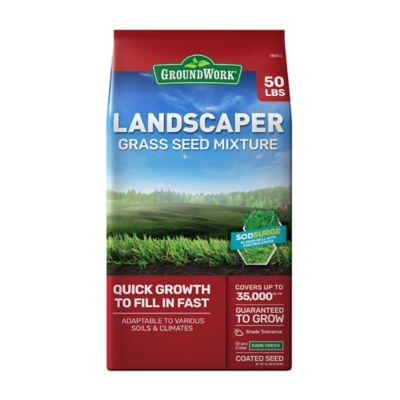
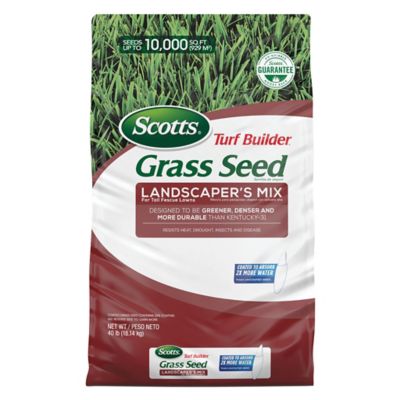
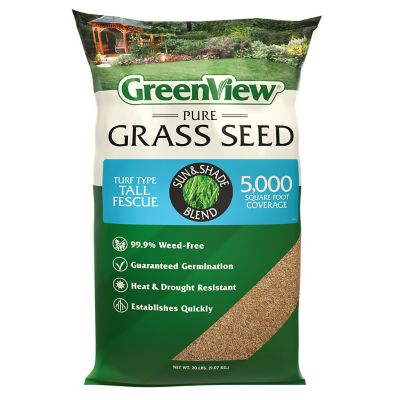
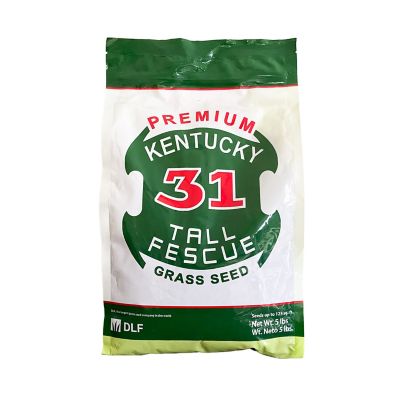
Choosing turf-type tall fescue seed starts with the ground it needs to cover and the lawn already growing there. A blend combines two or more varieties of the same grass species, while a mixture combines different grass species. That distinction matters when comparing texture, shade tolerance, and growth habits across a yard. A tall fescue blend may help balance the strengths of several varieties, while a mixture may include another lawn grass with a different role, such as spreading into small gaps. The seed label gives a clearer picture than the bag size alone: look at the grass species, variety names, percentage of pure seed, germination percentage, and amounts of weed seed and inert material. Coated seed also calls for a close look at coverage information because part of the bag’s weight comes from the coating rather than seed itself. For more options within the same grass family,
Fescue Grass Seeds offers a broader starting point for comparing lawn-seeding needs. New turf-type tall fescue lawns commonly call for about 7 to 10 pounds of seed per 1,000 square feet, while overseeding often falls around 4 to 6 pounds per 1,000 square feet. Those figures are general ranges, not a substitute for the label; seed coatings, the existing stand, and the planting situation can change the recommended rate. Measuring the actual planting area helps keep the amount sensible, especially around driveways, garden beds, and buildings that do not need seed. More seed is not always better, since crowded seedlings compete for light, moisture, and nutrients. Soil contact matters just as much as the amount spread. Seed caught in a thick layer of thatch or resting on hard clay has a tougher start than seed settled against prepared soil. A soil test can help identify nutrient needs and whether lime is appropriate. Tall fescue generally performs best in slightly acidic soil, with a pH around 6.0 to 6.5, though it tolerates a broader range.
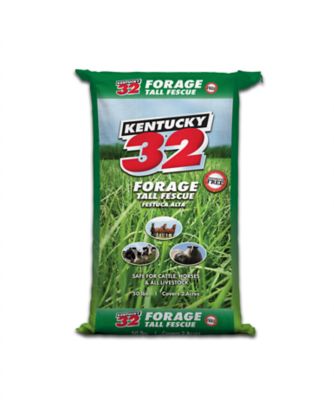
The care behind a thick tall fescue lawn is mostly about giving roots room to grow and avoiding stress that leaves the grass thin. During establishment, the seedbed needs steady moisture near the surface without puddles or runoff. After the grass has rooted, deeper, less frequent watering generally supports deeper rooting better than a daily splash, with adjustments for rainfall, soil, and local watering rules. Sandy ground dries differently from clay, and a slope beside the driveway may shed water faster than a level stretch near the house. Mowing height also makes a difference. Many turf-type tall fescue lawns do well around 3 to 4 inches, with 3.5 to 4 inches often helpful where heat or moisture stress is a concern. Keeping mower blades sharp and removing no more than about one-third of the blade length at a time helps avoid ragged tips and unnecessary stress. Grass clippings can usually stay on the lawn when they disperse evenly rather than collecting in heavy mats. Fertilizer needs are best matched to soil-test results and the grass’s active growth, not simply a desire for the darkest possible green. Excess nitrogen, prolonged leaf wetness, and hot, humid conditions can contribute to brown patch, a fungal disease that may leave irregular brown areas in tall fescue. Watering early enough for the blades to dry and avoiding excessive fertilizer can help reduce favorable conditions for disease. Compacted areas may benefit from core aeration, while thin spots often need overseeding because of the grass’s bunch-forming habit. Any leftover seed keeps best sealed in a cool, dry place away from moisture and animals. Around a small farm, it also helps to keep lawn seed separate from pasture seed: some turf varieties contain endophytes that can be harmful to grazing livestock. The right choice is seed matched to the space, whether that is a front lawn, a shaded side yard, or the stretch of grass where everyone gathers after chores.