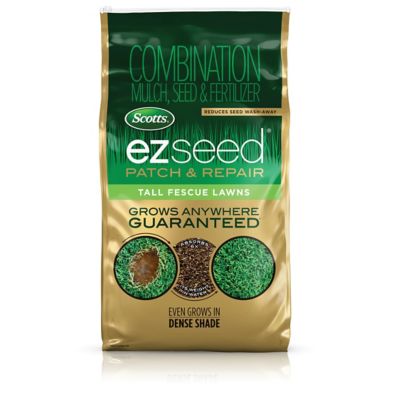
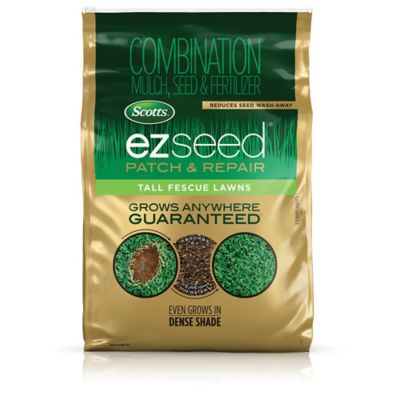
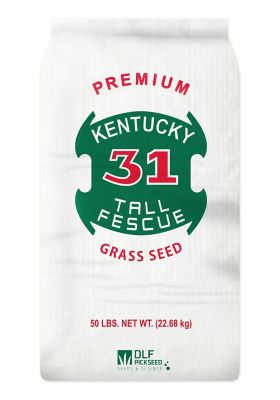
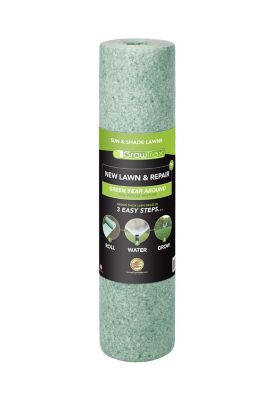
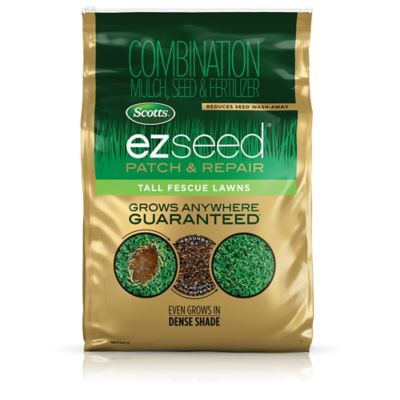
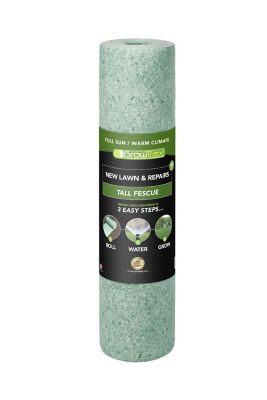
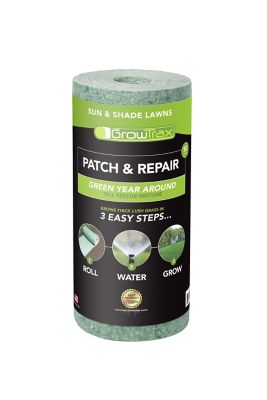
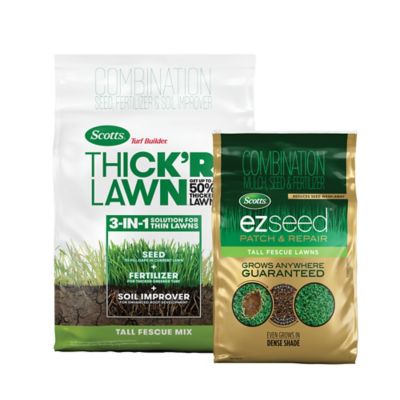
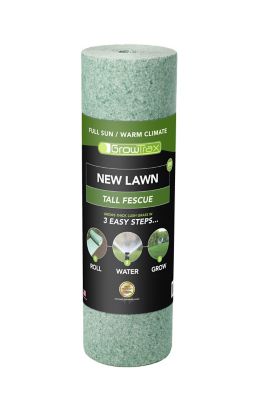
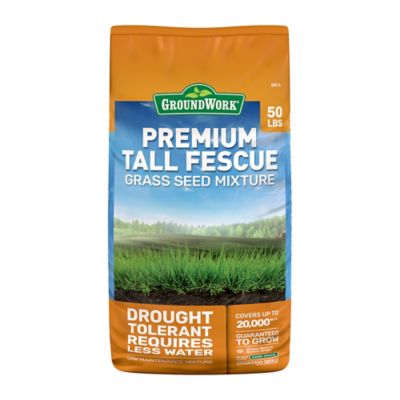
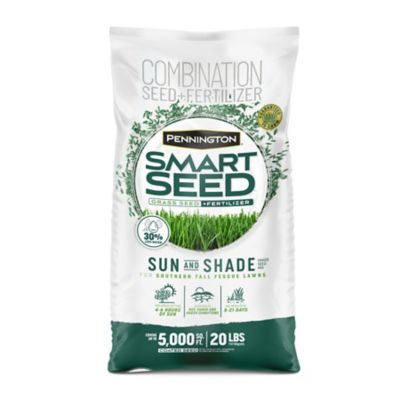
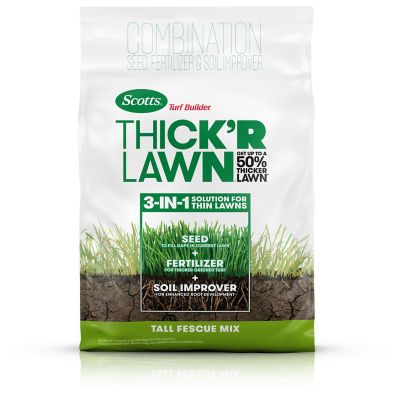
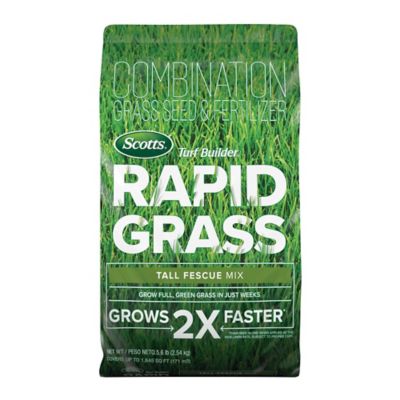
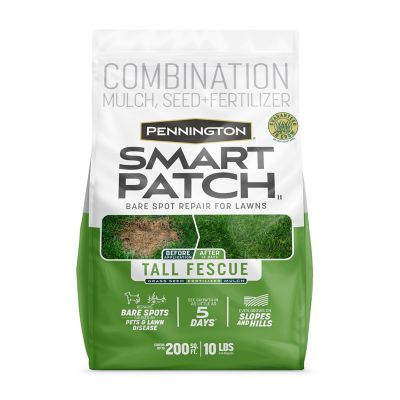
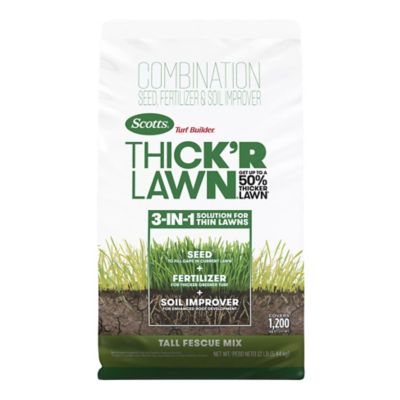
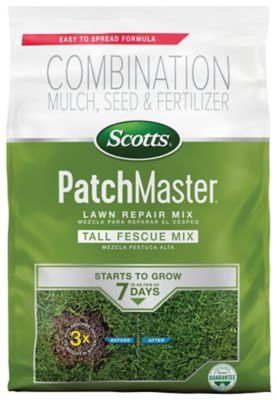
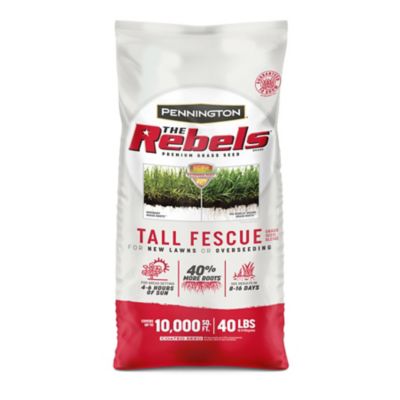
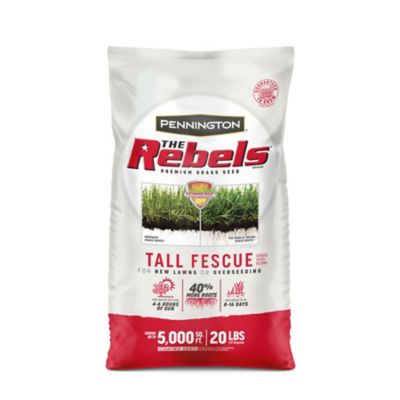
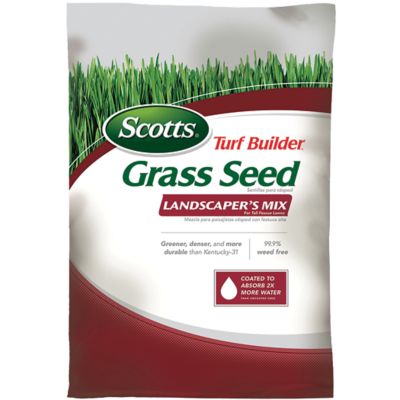
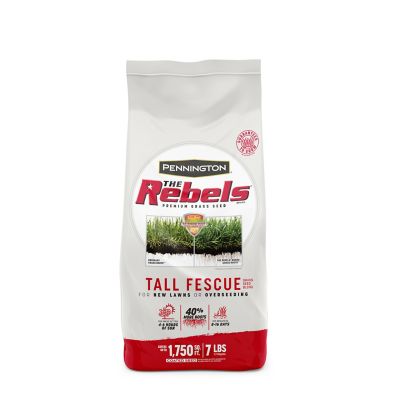
Tall fescue seed is a practical choice for lawns, open yards, and grassy areas that need to stand up to everyday life around the house and farm. This cool-season grass is known for its deep root system, its ability to handle foot traffic once established, and its tolerance for heat and dry spells compared with many other cool-season lawn grasses. Those strengths make it worth considering for a broad front yard, the stretch between the house and the shop, or a lawn where kids and pets cover plenty of ground. Deep roots still depend on suitable soil and proper establishment, though; young seedlings need steady moisture, and even mature grass can struggle in compacted ground or prolonged drought. Tall fescue generally grows best in full sun to partial shade, with well-drained soil that lets roots reach beyond the surface. Heavy shade beneath a thick tree canopy, standing water, and a hard-packed walking path each present different challenges that seed alone cannot fix. Its growth habit matters, too. Tall fescue mainly forms bunches rather than spreading rapidly through runners, so thinning spots do not fill in as quickly as they might with a strongly spreading grass. Overseeding can help maintain a fuller stand where traffic, stress, or bare patches have opened gaps. Appearance varies within the category: turf-type tall fescues generally have finer blades and a denser lawn appearance than traditional forage-oriented types. Matching that texture to the surrounding grass helps a repaired patch blend into the yard instead of standing out beside the driveway. For a large property, the best fit may also differ from one area to another. A closely tended lawn near the porch has different expectations than an outlying grassy strip, making intended use just as important as the size of the bag.
For a more lawn-focused look,
Turf Type Tall Fescues offer a useful category to consider when comparing blade texture, growth habits, and suitability for everyday yard traffic. Tall fescue seed may come as a blend of several tall fescue varieties or as part of a mixture containing other grass species. A blend can bring together varieties with different strengths, while a mixture may be intended to address particular site conditions or lawn goals. The seed label provides a clearer picture than the bag’s overall weight alone. Seed percentages, germination information, test dates, weed seed content, and inert material all help explain what is in the bag and how much of it can contribute to a living stand of grass. Coated and uncoated seed also deserve a closer look. Some coatings are intended to help manage moisture around the seed during establishment, but coating adds weight, so two bags weighing the same amount may not contain the same amount of actual seed. Coverage information and the labeled seeding rate are better comparison points than weight by itself. Rates for starting a lawn on bare soil are generally higher than rates for overseeding an existing stand, where living grass already covers part of the ground. A narrow repair strip along a fence and an entire newly graded yard therefore call for different amounts, even when both need tall fescue. Soil conditions are another part of that choice. A soil test can identify pH or nutrient issues before seed goes down, helping avoid guesswork with lime and fertilizer. Tall fescue often performs well in slightly acidic soil, but local soil conditions should shape amendment decisions. For seed held between projects, a cool, dry storage spot away from damp floors helps protect its germination potential. Keeping the label with the bag also preserves the planting rate, treatment information, and other details needed when it is time to finish another patch.
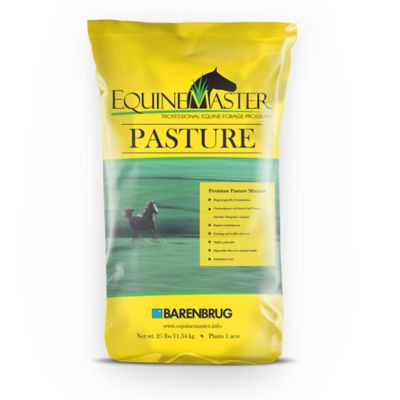
Establishment and ongoing care help determine how well tall fescue seed fits a property’s routine. Late summer into early fall is commonly a favorable planting period in regions where tall fescue is adapted, because soil can support germination while the grass has time to develop roots before winter. Spring planting can also work, although young grass may face more weed competition and have less time to establish before summer stress. Local conditions matter more than a date on the calendar; soil temperatures around 60 to 65 degrees Fahrenheit can provide favorable conditions for fall germination. With good seed-to-soil contact and consistent surface moisture, sprouts often begin appearing in about 7 to 14 days, though cooler soil, uneven watering, or other site conditions can stretch that timeline. A bag’s germination information does not promise that every seed in the yard will sprout on the same day. Seed resting on thick thatch or washing into a low spot after a hard rain will not establish as evenly as seed that stays in contact with prepared soil. Until roots develop, foot traffic and pet activity can also disturb tender growth. Once seedlings approach about 4 inches tall and are firmly rooted, mowing can help encourage a fuller lawn; a typical maintained height is around 3 to 4 inches, with no more than one-third of the blade removed at once. Established grass generally benefits from deeper, less frequent watering rather than constant light sprinkling. Where the goal is pasture instead of lawn, forage suitability deserves separate attention. Tall fescue can contain an endophyte associated with livestock health problems, including serious risks for pregnant mares. Turf seed should not be assumed suitable for grazing, and treated seed may carry additional restrictions. Forage selection belongs alongside animal needs, label directions, and local agricultural advice, so the grass matches both the ground and the animals depending on it.