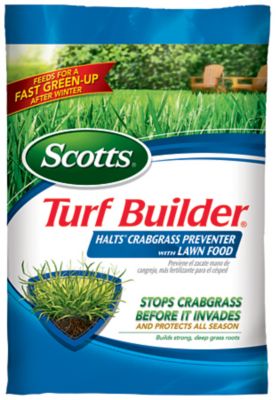
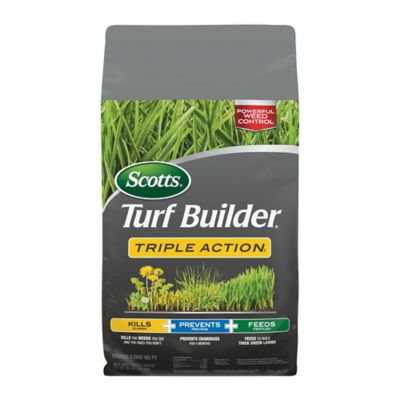
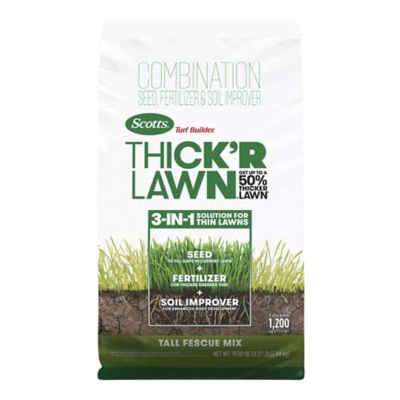
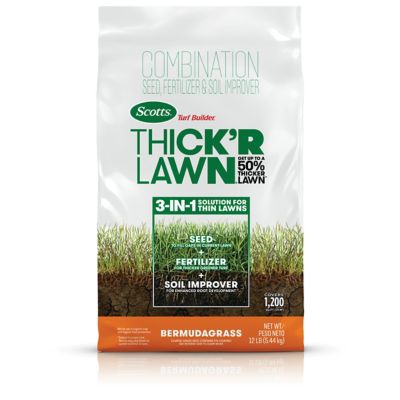
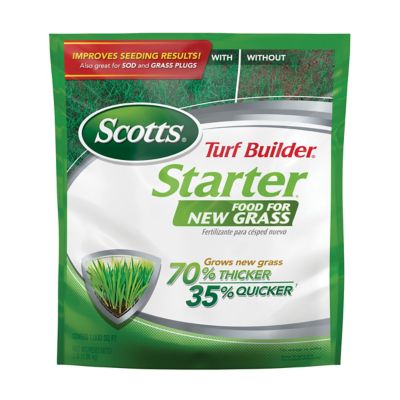
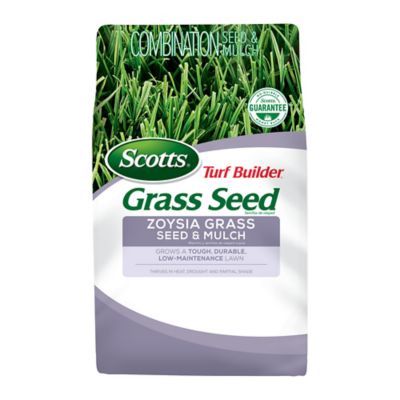
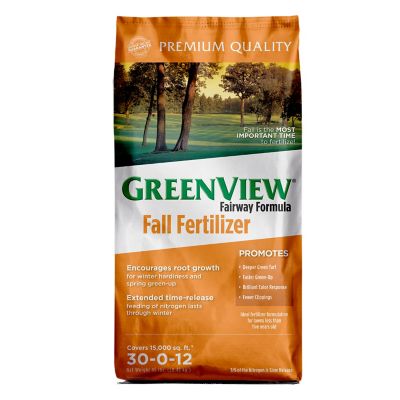
Turf builders are lawn-feeding products designed to supply nutrients that support grass growth, root development, and a thicker stand of turf. Depending on the formula, they may provide fertilizer alone or combine feeding with treatment for certain lawn weeds. A fuller lawn can leave less room for weeds to take hold, although fertilizer by itself does not kill existing weeds or prevent weed seeds from sprouting. Around a country home, that distinction matters: a front yard that looks pale after a long growing season has different needs from a stretch beside the driveway dotted with dandelions. Lawn fertilizers support turf where people gather, children play, and boots travel between the porch and the shed. They cannot make up for every challenge underneath that grass, though. Compacted soil, poor drainage, deep shade, and repeated foot traffic can all limit growth, even when nutrients are present. A worn path to the gate may need relief from traffic or soil work rather than another feeding. For established lawns, the best fit comes down to the grass species, soil conditions, and the job the formula is labeled to handle. Straight lawn food suits a feeding goal, while fertilizer paired with weed control adds restrictions involving application timing, grass tolerance, and nearby plants. Some formulas emphasize a quick green response; others include slow-release nitrogen that supplies nutrients over a longer period under suitable conditions. Neither approach makes every lawn respond the same way. Weather, moisture, mowing, and the condition of the roots all play a part in the result. Turf builders make the most sense as part of regular lawn care, with realistic expectations for the ground around the house. A well-fed yard can better support steady growth when other growing conditions are right, but an extra-heavy application will not turn thin, stressed grass into a thick lawn overnight.
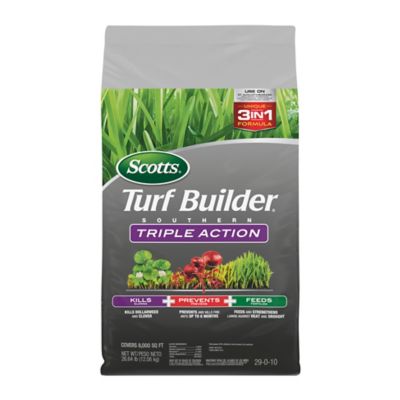
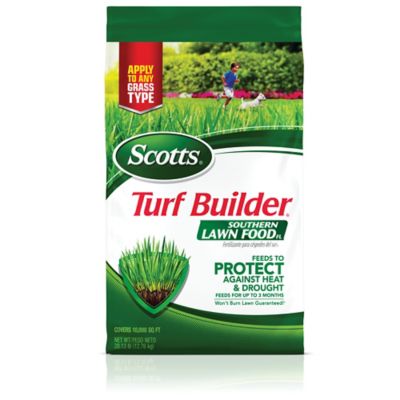
The fertilizer analysis on a bag provides a useful starting point for comparing turf-building formulas. Its three numbers represent the percentages of nitrogen, phosphate, and potash, in that order. Nitrogen supports leafy growth and green color, while phosphorus and potassium serve other functions in plant growth, including root development and stress response. More of any one nutrient is not automatically better, and a soil test helps identify whether the lawn needs phosphorus, potassium, or a pH adjustment. Some established lawns need little or no added phosphorus, and local rules may restrict its application. Fertilizer also does not replace lime when acidic soil needs correction; those materials serve different purposes. Granular lawn food commonly contains nutrient-bearing particles, and some blends include coated granules that affect how quickly part of the nitrogen becomes accessible to grass. The label identifies the nutrient sources, release characteristics, application rate, and intended turf types. Grass compatibility deserves particular attention across regions. Cool-season grasses can remain actively growing through portions of cooler weather, while warm-season grasses slow down as temperatures fall and may become dormant. Feeding schedules should follow that growth pattern and local recommendations rather than the color of a neighbor’s lawn. For yards with warm-season turf,
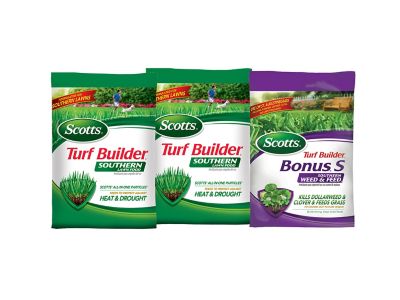
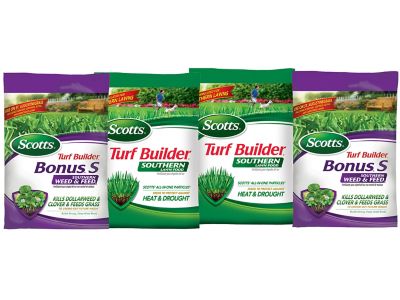
Southern Lawn Fertilizers offers a related category to consider alongside the lawn’s specific grass type and soil needs. Weed-control ingredients make that match even more important because a treatment tolerated by one grass may injure another. Newly seeded areas also have different requirements from established turf. Certain weed preventers interfere with grass seed germination, and other weed treatments require waiting periods before or after seeding. A patch repaired along a fence line should not automatically receive the same treatment as the mature lawn beside it. Labeled uses and seeding restrictions help distinguish a suitable formula from one that could set those repairs back. That kind of fit matters more than choosing a bag based on a broad promise of greener grass.
Package coverage, application equipment, and handling requirements round out the practical side of choosing turf builders. Coverage figures refer to a measured lawn area at the labeled rate, not the total size of the property. On an acreage, the turf surrounding the house may be only a small part of the ground, separate from a vegetable garden, gravel drive, pasture, or wooded edge. Bag weight alone does not tell how much lawn a fertilizer treats because nutrient concentrations and application rates vary. Granular formulas generally work with compatible broadcast or drop spreaders, and the right setting depends on both the material and the spreader model. A broadcast spreader suits open stretches, while a drop spreader offers a more contained application pattern around tighter lawn sections. Even distribution matters: missed strips can remain pale, and overlapping too heavily can injure grass. Moisture requirements also differ by formula. Some fertilizers need watering after application, while certain weed-and-feed treatments need damp foliage and a specified interval before rain or irrigation. Those differences are why there is no single watering schedule that fits every turf-building treatment. Wind, frozen ground, saturated soil, and runoff risk also affect whether conditions are suitable for application. Keeping granules off pavement and away from drainage routes helps keep nutrients where they belong. Around homes with pets or children, access restrictions should follow the package directions, including any watering or drying requirements. Lawn treatments are not automatically appropriate for livestock grazing areas, hay ground, or places where poultry forage. Between applications, dry storage in the original labeled container helps limit moisture-related clumping and keeps handling information close at hand. Fertilizer should stay separate from feed and seed and out of reach of children and animals. Cleaning the spreader according to its manufacturer’s directions helps protect metal components from fertilizer residue. With attention to grass type, nutrient needs, coverage, and label requirements, turf builders can support the everyday lawn without treating every corner of the property alike.