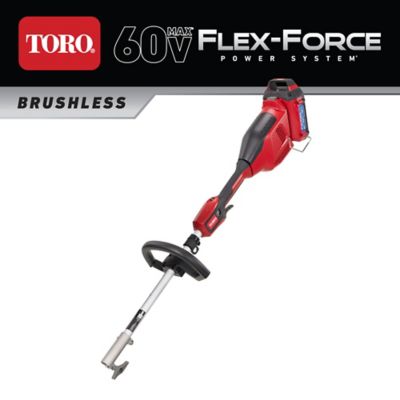
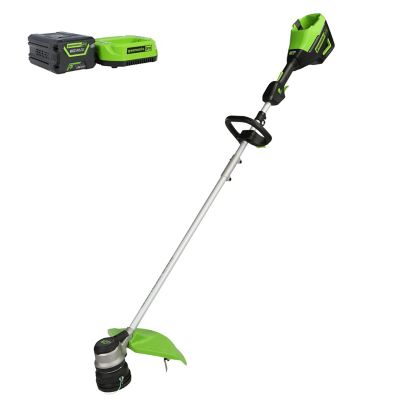
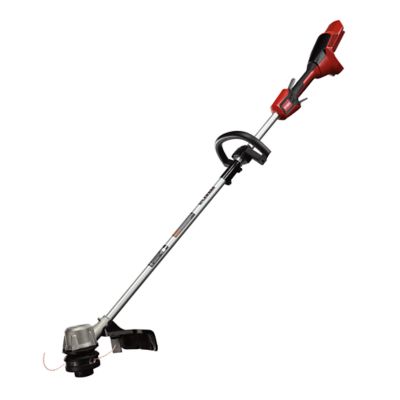
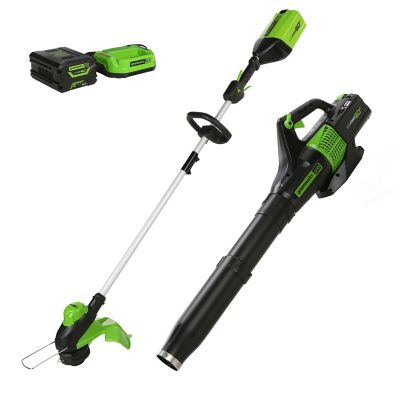
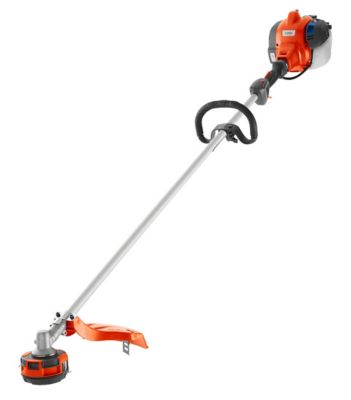
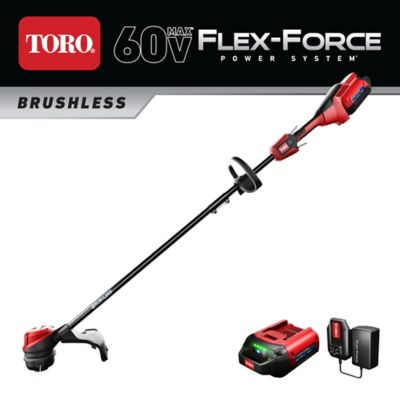
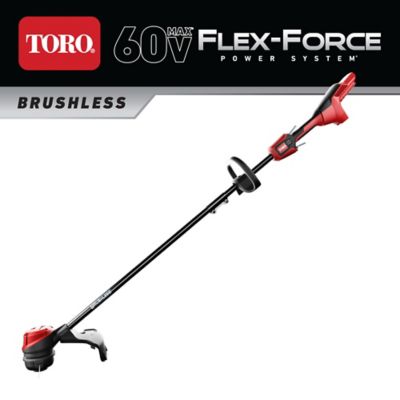
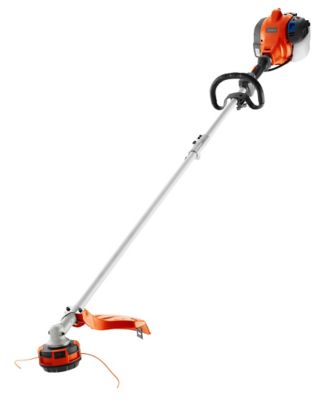
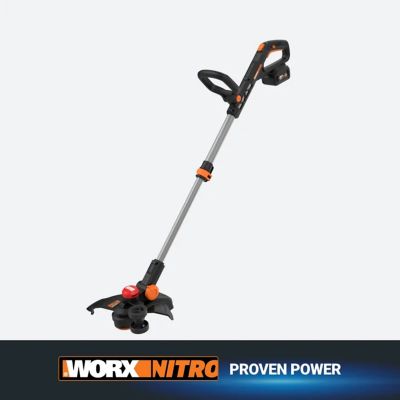
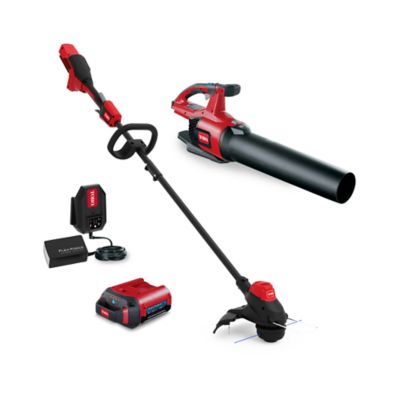
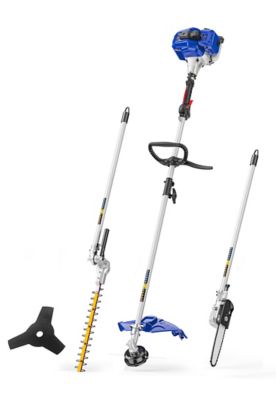
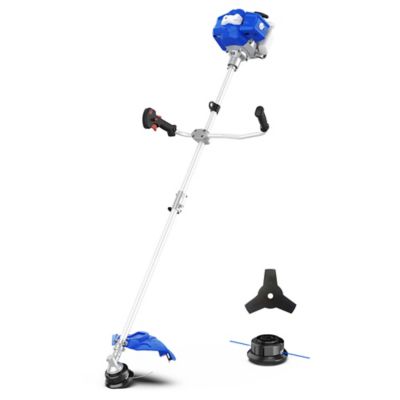
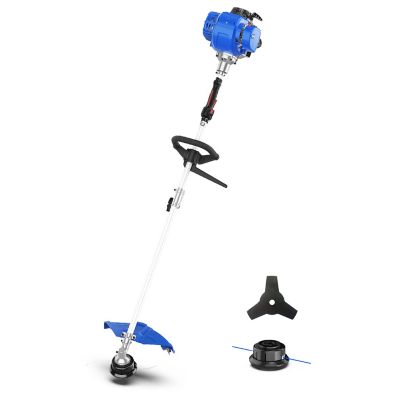
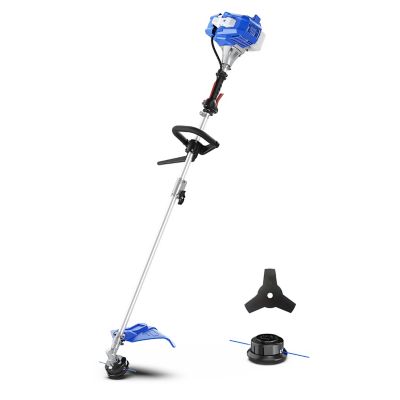
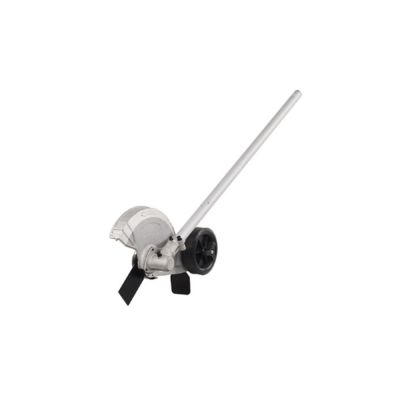
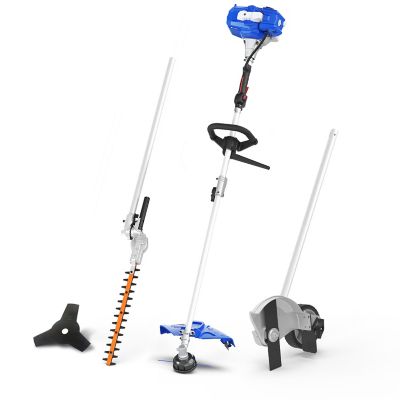
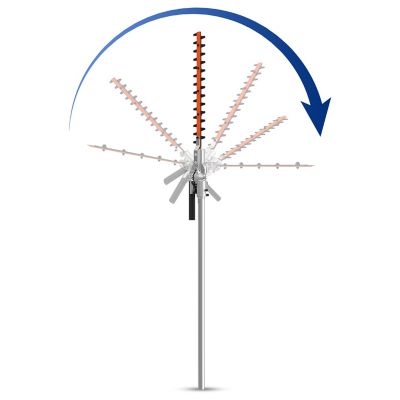
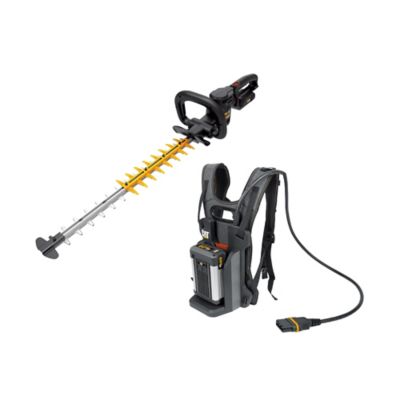
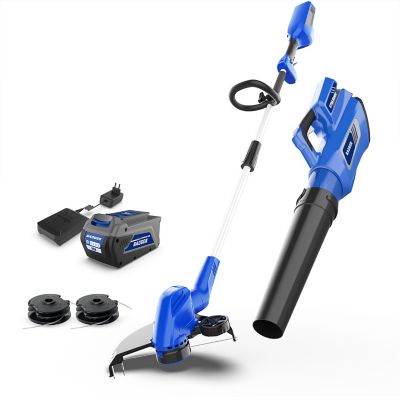
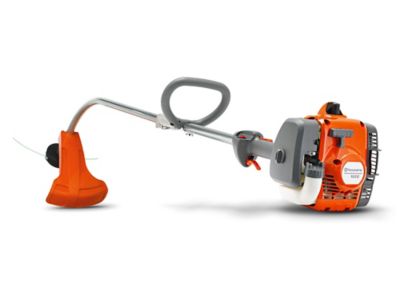
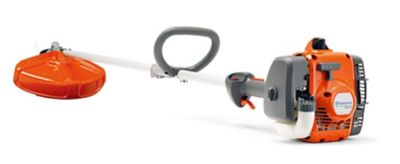
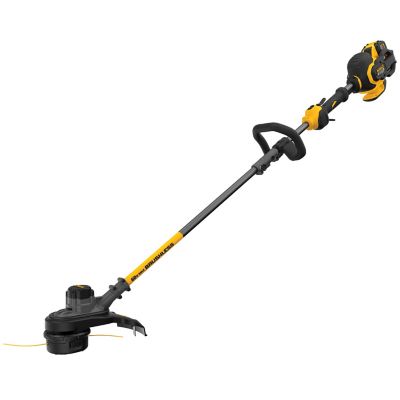
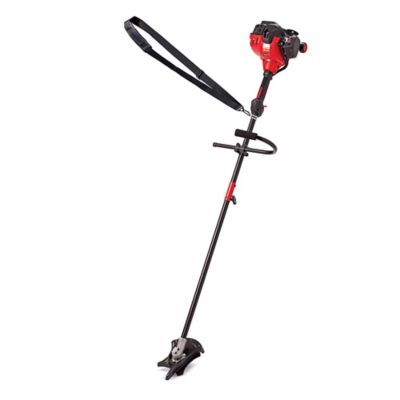
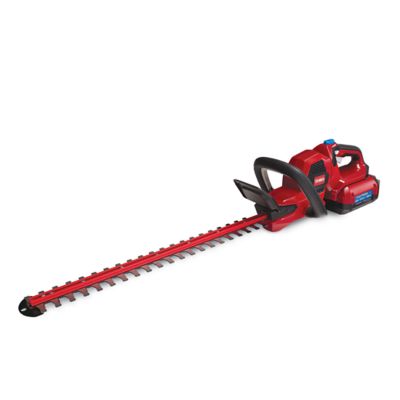
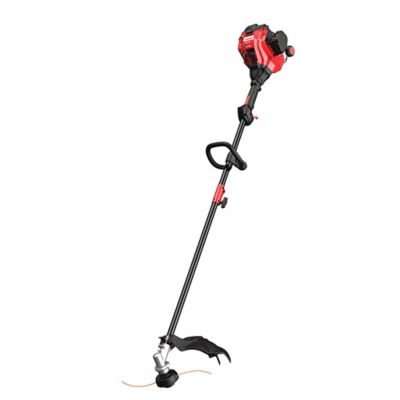
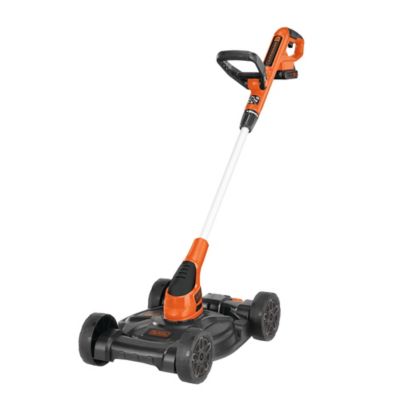
A power trimmer is a motorized lawn tool that cuts grass and weeds where a mower cannot easily reach, including along fence lines, around posts, beside buildings, and beneath low branches. Often called a string trimmer or weed whacker, it typically cuts with fast-spinning nylon line rather than a mower blade. That flexible cutting line makes it handy for tidying the strip beside a gravel drive, knocking back grass around a mailbox, or finishing the edges of a yard after mowing. For folks tending a small home lot, a few tight corners may be the main job. On a larger place, trimming can mean working around sheds, gates, garden borders, and long stretches of fencing. The right fit depends on the ground, the growth, and how much time the tool will spend in your hands. Cutting path, also called cutting swath, describes the width the trimmer clears in one pass. Many handheld string trimmers have cutting paths around 12 to 16 inches, though dimensions vary. A wider swath can cover open stretches with fewer passes, while a narrower one can be easier to manage between closely spaced obstacles. Shaft shape matters, too. A straight shaft generally offers good reach beneath shrubs and along fence bottoms, while a curved shaft can feel comfortable for close-in work, depending on the operator’s height and stance. Neither shape tells the whole story about weight or balance. Handle position, shaft length, and the placement of the engine or battery all affect how a trimmer carries through a long stretch of work. An adjustable handle can help keep the cutting head near the ground without awkward bending. For homeowners, gardeners, and acreage owners alike, comfortable reach and steady control often matter just as much as cutting strength, especially when the last patch of weeds sits well beyond the barn.
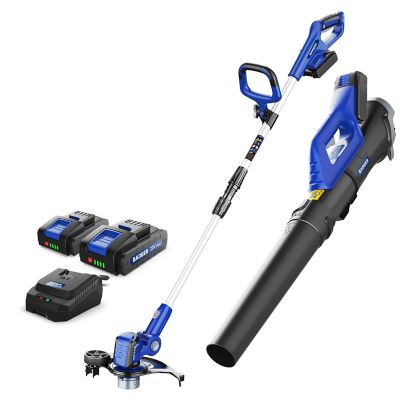
Battery-powered, gas-powered, and corded electric trimmers each suit a different kind of chore routine. A cordless string trimmer offers freedom from an extension cord and generally starts with a switch or trigger sequence. It can be a good match for touch-up work around the house or longer trimming sessions when battery capacity and charging plans match the workload. Runtime depends on more than the battery label: thick weeds, higher speed settings, cutting width, and the amount of line extending from the head all affect energy demand. Battery voltage alone does not establish cutting performance, and batteries that look similar are not necessarily interchangeable. Compatibility belongs to the tool’s specified battery system. Gas trimmers make sense for work far from outlets, particularly when refueling is more practical than stopping to recharge. They bring engine noise, exhaust, fuel handling, and regular engine care into the picture, along with enough variation in weight and output that power source alone should not decide the purchase. Two-cycle engines generally require gasoline and two-cycle oil mixed at the manufacturer’s stated ratio; four-cycle engines generally carry engine oil separately. Fuel requirements vary, so the equipment manual remains the reference. Corded electric trimmers suit spaces within reach of a suitable outlet, without battery charging or gasoline storage. Their working range depends on an outdoor-rated extension cord of the proper length and wire gauge, and the cord needs a clear path away from the cutting head. Ground-fault circuit interrupter protection is important for outdoor electrical equipment. Across power types, speed control can be helpful when moving from open weeds to a narrow edge beside a flower bed. Extra speed is not always helpful near tender bark or fence materials. A conventional string trimmer is intended mainly for grass and weeds, not woody stems. Blade capability requires equipment expressly designed for the task, with the specified attachment and guard; fitting a blade to an incompatible trimmer is not a shortcut to brush cutting.
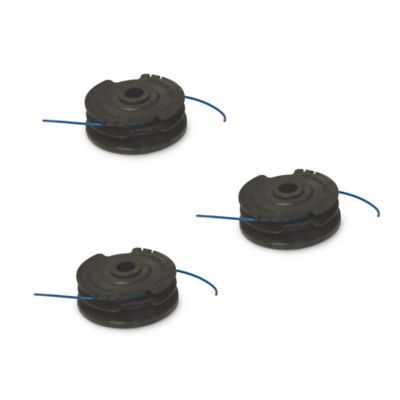
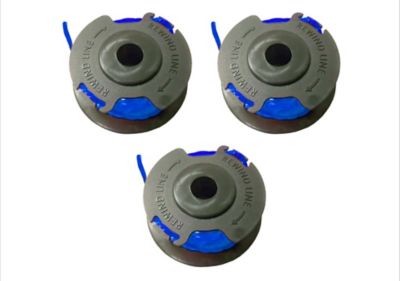
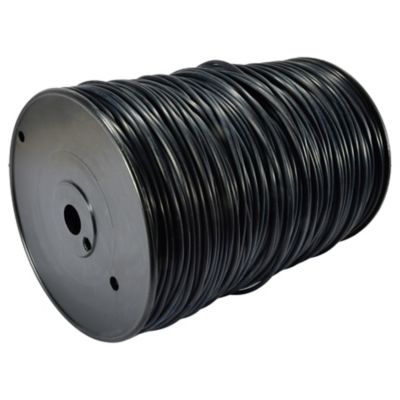
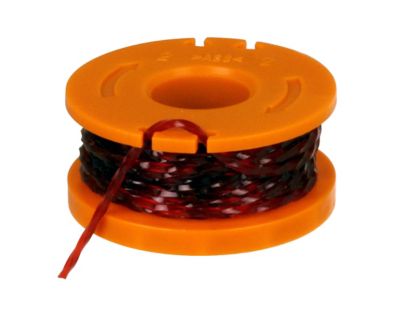
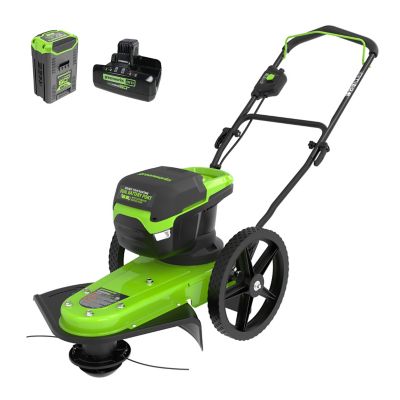
The cutting head, line, and supporting parts play a big role in how a power trimmer handles everyday chores. Nylon trimmer line comes in different diameters and profiles, and the tool’s specified size range matters more than simply choosing the thickest line. Line that is too heavy can strain the drive system or reduce performance, while an unsuitable line shape may not feed properly. Bump-feed heads advance line when tapped as directed; automatic-feed and button-operated systems handle that step differently. Reloading arrangements vary as well, making spool access and straightforward line replacement practical considerations for anyone facing regular fence-line work. Metal shafts, polymer housings, guards, and handles each serve different purposes, from supporting the head to keeping overall weight manageable. Construction, secure connections, and access for routine care all contribute to service life. Packed grass around the head can interfere with operation, and loose fasteners deserve attention before another session. Cleaning and inspection belong after shutdown, with the battery removed, cord unplugged, or gas engine disabled according to the manual. During the cooler months, battery storage temperatures and fuel-storage procedures become especially important when trimming slows down. Dry storage away from livestock, children, and damp shed floors helps protect the equipment between jobs. Out in the yard, eye protection, sturdy footwear, long pants, and hearing protection appropriate to the equipment help make trimming safer. Stones, wire scraps, and other debris can become projectiles, so keeping people and animals clear matters even on familiar ground. Flexible line can also scar tree bark, damage siding, and catch on fencing; controlled clearance is better than pressing the head against an obstacle. For broader patches of tall grass where carrying a handheld tool becomes tiring,
Trim Mowers offer a wheeled format worth considering alongside handheld equipment. A power trimmer can also make a practical gift for someone caring for a new place, provided the weight, power source, and any existing battery system fit the recipient’s needs. The best match is a tool that feels manageable from the first pass beside the porch to the final stretch along the back fence.