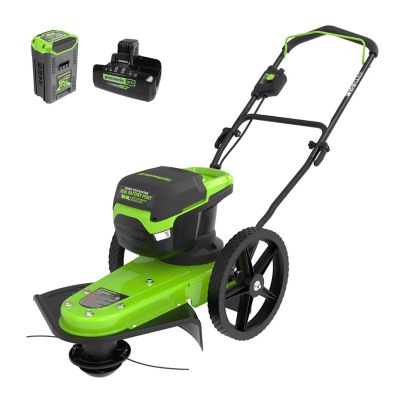
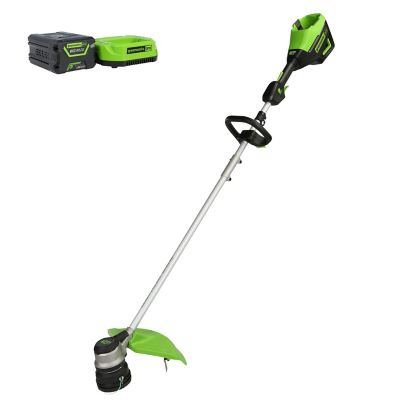
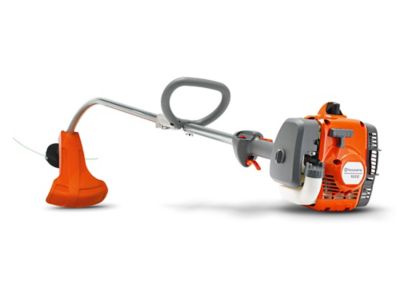
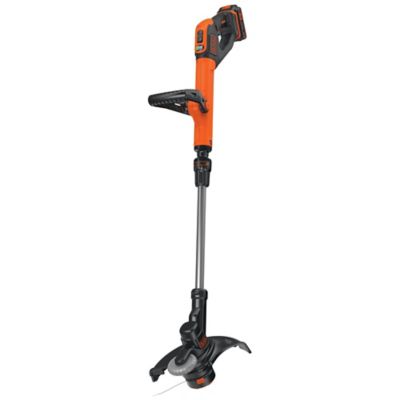
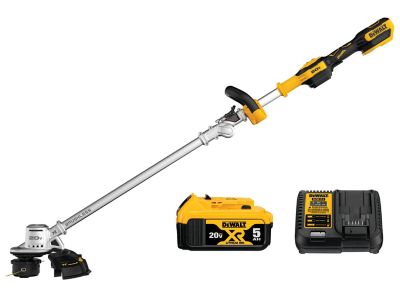
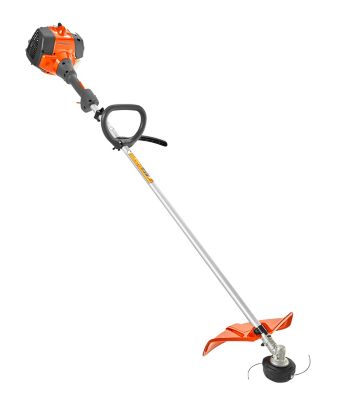
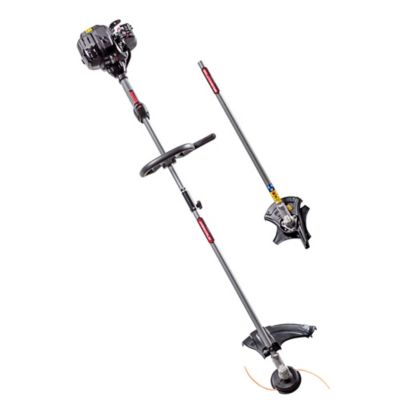
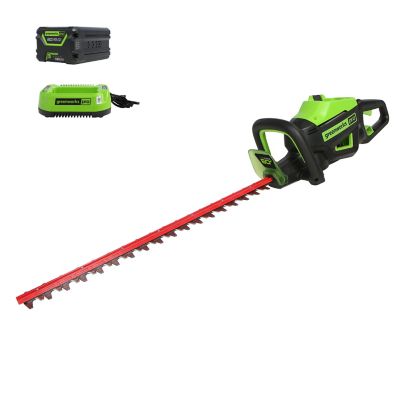
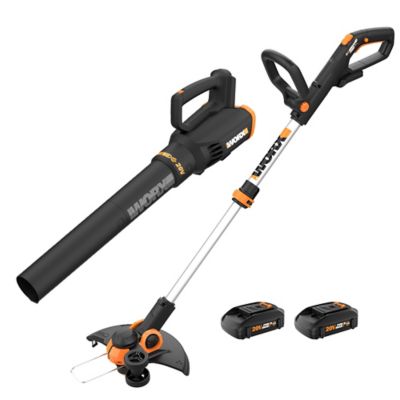
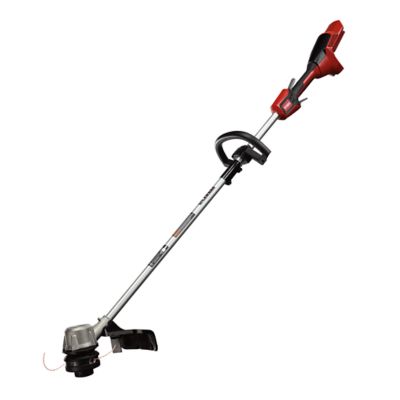
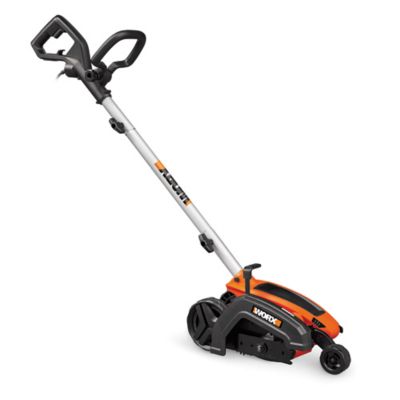
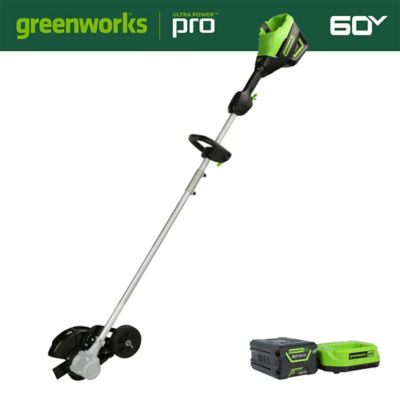
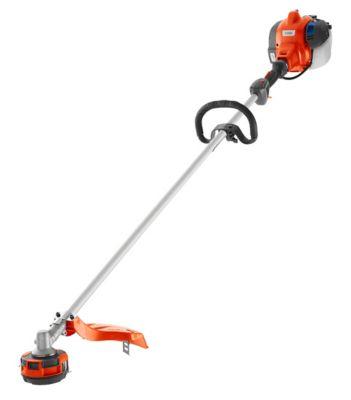
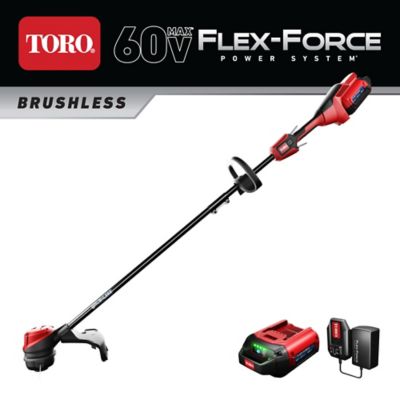
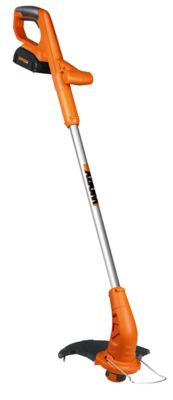
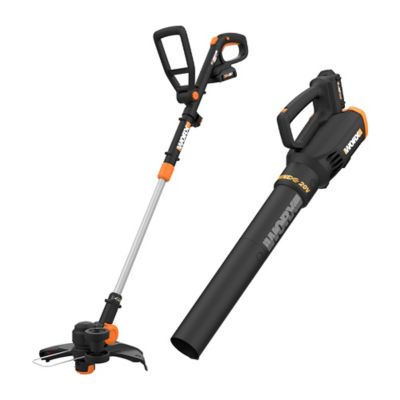
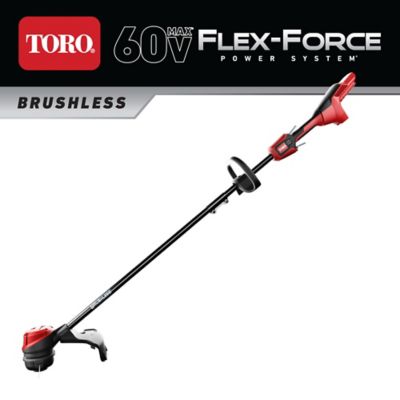
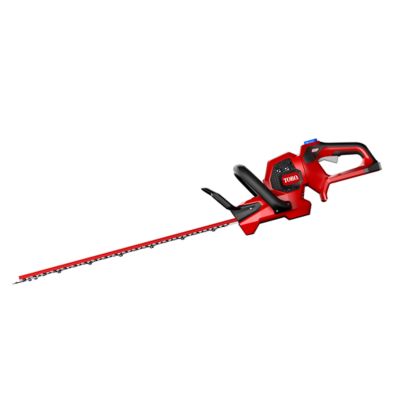
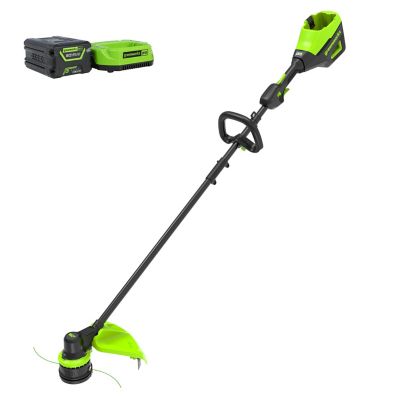
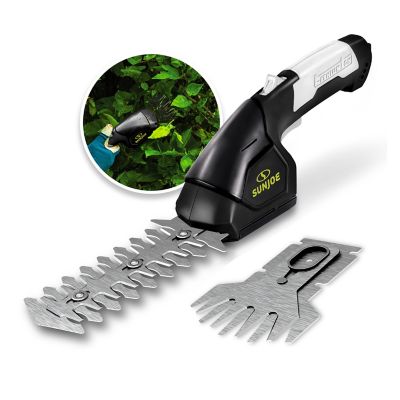
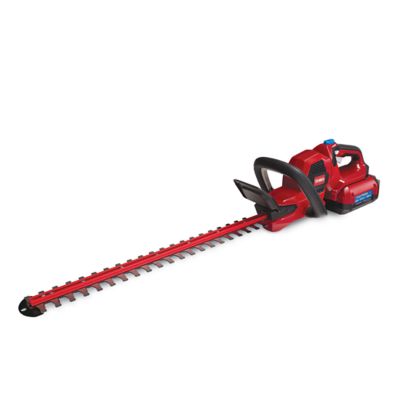
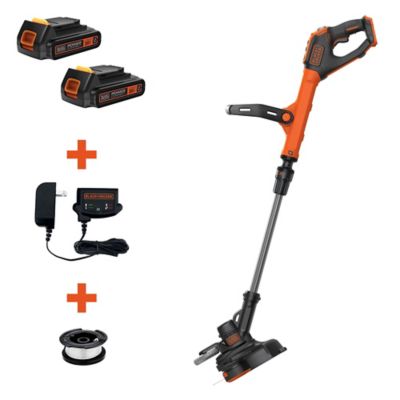
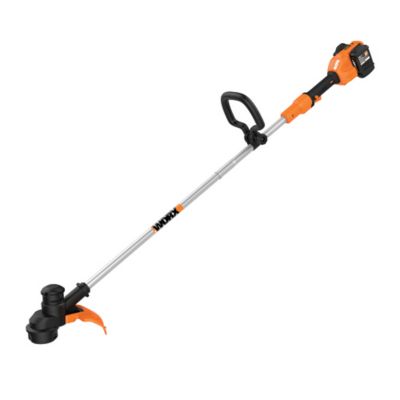
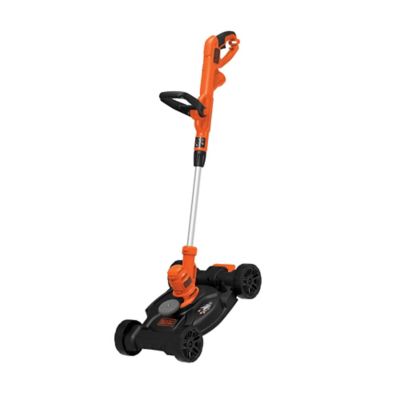
A string trimmer cuts grass and weeds with fast-spinning nylon line, while a lawn edger typically uses a vertical steel blade to cut a defined border along sidewalks, driveways, and other firm edges. Both handle work a mower cannot finish, but they serve different purposes around the yard and property. String trimmers reach narrow strips beside fence lines, around mailbox posts, and along the sides of sheds. Edgers separate turf from pavement, leaving a distinct line instead of a fringe of grass creeping across the concrete. Together, trimmers and edgers help finish the places that stand out after the mowing is done. For everyday cutting around lawns,
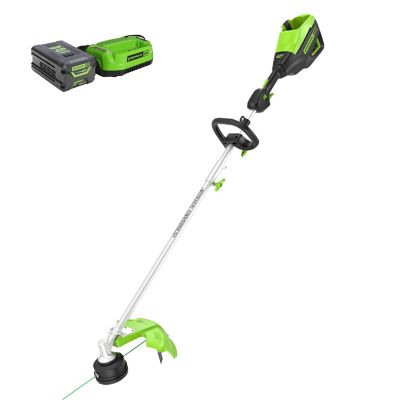
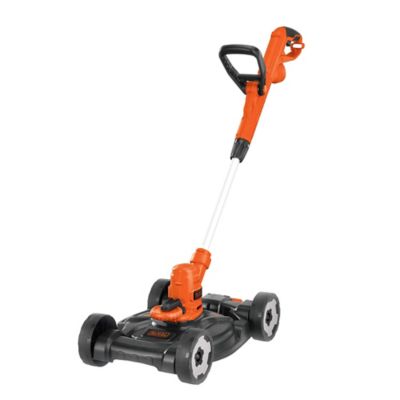
trimmers for grass cover a range of tool styles suited to open stretches, tight corners, and uneven ground. Cutting width affects how much ground a trimmer covers with each pass, while the shape and length of the shaft influence reach. A straight shaft can make it easier to reach beneath low rails or alongside a ditch, though tool balance matters as much as reach when the job stretches beyond a few fence posts. Curved-shaft designs can feel comfortable for close work near the operator, depending on height and stance. Around young trees, painted posts, and siding, the cutting line still deserves respect: repeated contact can scar bark, strip finishes, and damage softer surfaces. Along a gravel drive, trimming calls for extra care because loose stones can become flying debris. A dedicated edger makes the most sense where there is a firm boundary to follow; it is not a substitute for general weed cutting. Some string trimmers have a rotating head or an edging position for light border maintenance, but that feature does not make every trimmer suitable for blade edging. The tool’s intended tasks and approved attachments matter more than whether two machines happen to look alike. A small fenced yard, a long walk to the barn, and a lawn bordered by several sidewalks each put different demands on the equipment.
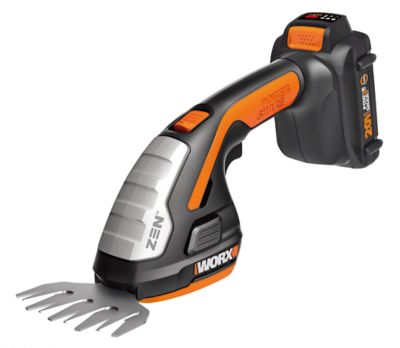
Power source is another big part of how trimmers and edgers fit into a regular work routine. Battery-powered equipment offers cord-free movement without a gasoline engine, which can be handy for scattered trimming spots around the house, garden fence, and outbuildings. Runtime depends on battery capacity, vegetation thickness, cutting speed, and the demands of the tool, so a small patch of soft grass and a long run of heavy weeds will not draw power the same way. Battery compatibility also matters for anyone building a group of outdoor power tools: packs and chargers need to match the equipment’s approved system, not simply look similar. Corded electric equipment suits areas within reach of an appropriate power connection, with the extension cord’s outdoor rating, length, and wire gauge matched to the manufacturer’s requirements. The cord also adds something to manage around gates, flower beds, and corners. Gas-powered trimmers and edgers offer mobility without a cord or a charging break, with fuel handling, engine upkeep, noise, and exhaust as part of ownership. They belong outdoors during operation, away from enclosed spaces. Beyond the power source, the way a tool sits in the hands makes a real difference. Adjustable handles, handle spacing, overall weight, and balance affect comfort when tracing a long border or working around several trees. A compatible shoulder strap or harness may help distribute weight on equipment designed for one. For edgers, wheels and depth adjustment help support controlled travel along a firm surface, while blade size and guard design influence access near corners and curbs. For string trimmers, the line-feed mechanism affects how cutting line advances as it wears. Bump-feed, automatic-feed, and fixed-line heads each bring a different approach to that routine task. Clear controls and straightforward access to service points can matter just as much as cutting width, especially for homeowners handling their own upkeep between trips across the yard.
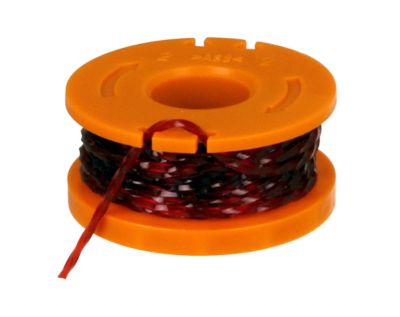
Materials and replacement-part compatibility help shape the working life of trimmers and edgers. Nylon cutting line is made to wear down as it cuts and contacts obstacles, while an edger’s steel blade gradually wears through contact with soil and grit. The correct line diameter, spool arrangement, blade dimensions, and mounting hardware depend on the equipment. Thicker line is not automatically a better choice; line beyond the tool’s approved size can interfere with feeding and place extra demands on the motor or engine. Metal blades and brush-cutting attachments likewise belong only on equipment specifically designed and approved for them. Aluminum or steel shafts, molded housings, and cutting guards each serve a different role, from supporting the cutting head to shielding working components and helping control debris. A guard is an important safety component, not something to remove for a wider cutting swath. Around wire fencing, loose twine, and forgotten bits of baling material, the cutting area deserves a careful look before work begins. Eye protection, hearing protection when called for, long pants, and sturdy footwear belong with the job, and nearby people and animals need the clearance specified in the operator’s manual. Routine care helps keep these tools ready for the next round of property work. Grass buildup beneath a guard, tangled material around a shaft, and loose fasteners can all affect operation. Cleaning and inspection take place with the power source disconnected and moving parts stopped, following the equipment’s instructions. Gas engines have fuel, filter, and other service needs; battery equipment calls for attention to charging directions, clean connections, and proper storage. Replacement blades, cutting line, spools, and attachment fittings need to match the tool rather than merely fit close enough. For a homeowner keeping a sidewalk edge tidy or a landowner trimming around gates and buildings, equipment that matches the work can mean less wrestling with awkward reach and fewer interruptions for the wrong supplies. The payoff is practical: grass cut where the mower cannot reach, borders kept distinct, and a property that looks looked after without turning every finishing pass into a chore.