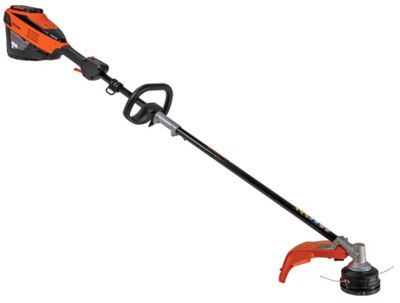
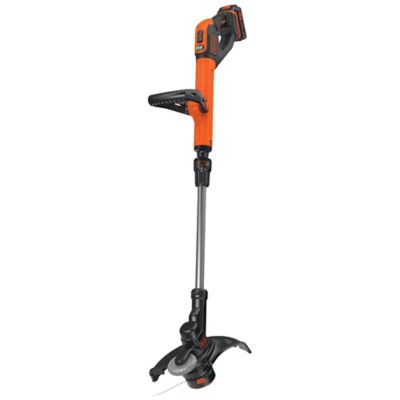
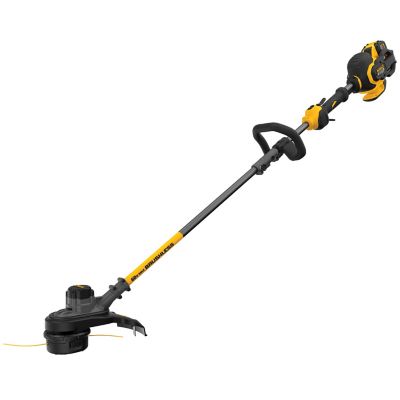
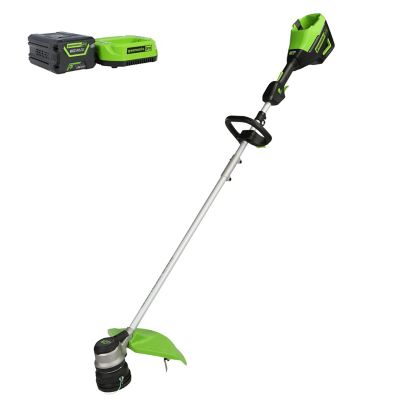
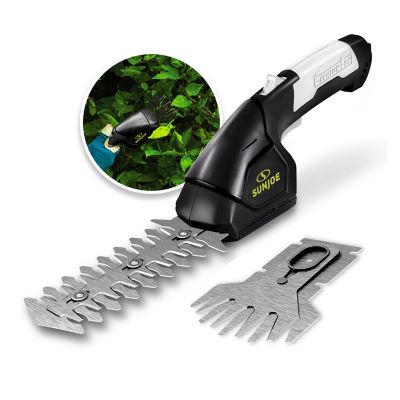
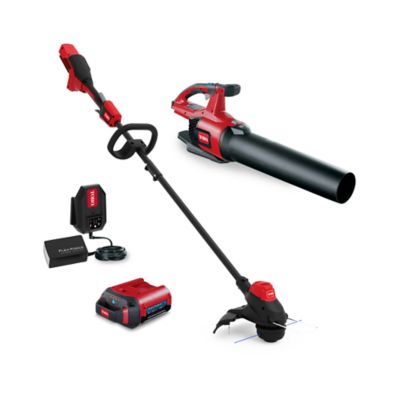
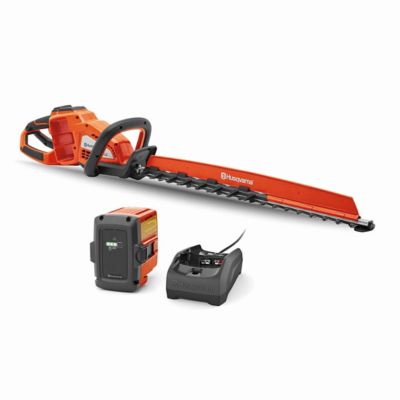
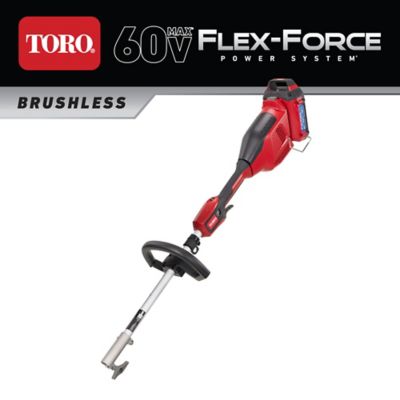
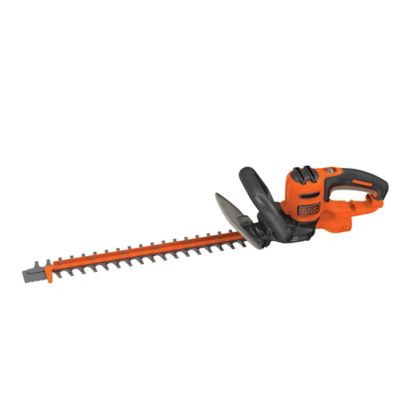
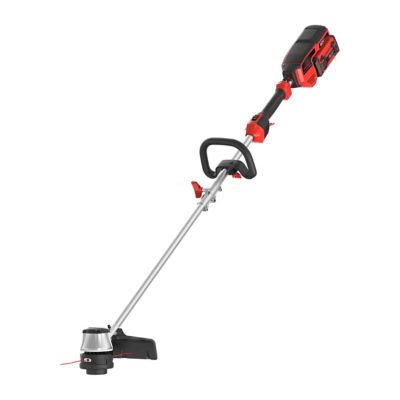
Electric trimmers bring motor-powered cutting to the edges, corners and shrubs that a mower cannot reach. For outdoor work, the two main types are electric string trimmers, which cut grass and weeds with fast-spinning line, and electric hedge trimmers, which shape shrubs with reciprocating toothed blades. Both come in corded and battery-powered designs, giving homeowners and property caretakers alternatives to gasoline-powered equipment for routine yard upkeep. While the term can also refer to personal grooming tools, lawn and landscape trimmers serve a different purpose: keeping the ground around a home, outbuilding or garden looking tended without taking on every patch by hand. A string trimmer handles grass along a gravel driveway, beneath a fence rail or beside porch steps, where mower wheels leave a narrow strip behind. A hedge trimmer works across leafy growth on foundation shrubs, windbreak plantings and hedges bordering a walkway, provided the branches fall within the tool’s rated cutting capacity. These tools complement each other rather than replace one another, and neither is a substitute for equipment built to tackle thick brush or tree limbs. For grass-focused work,
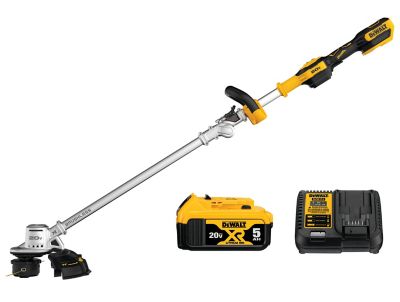
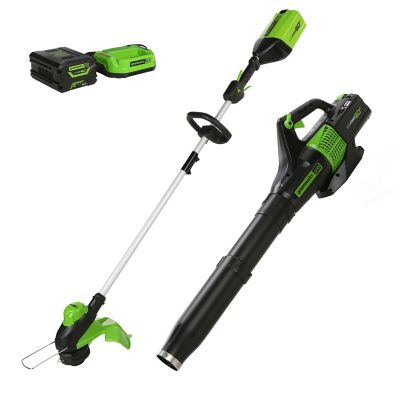
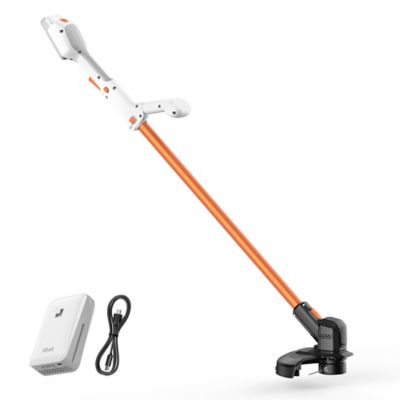
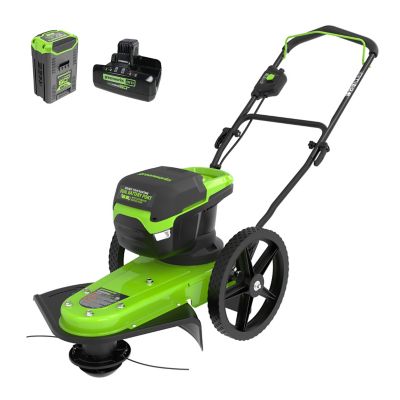
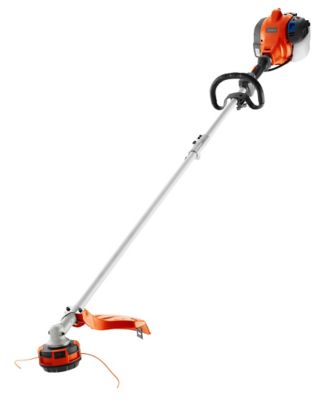
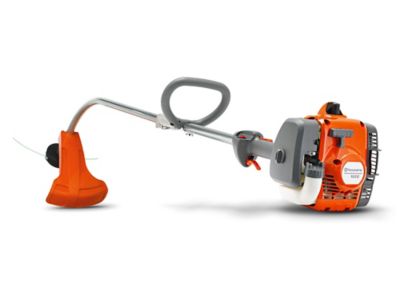
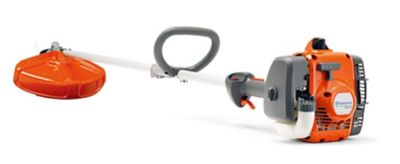
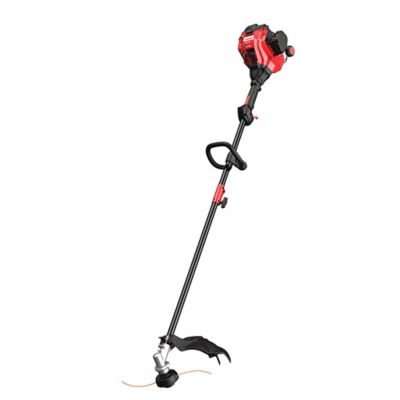
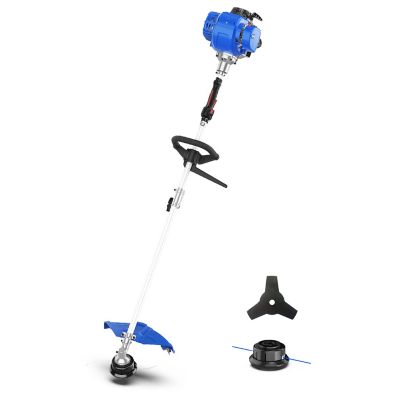
String Trimmers cover the familiar jobs of cutting around posts, tidying lawn borders and reaching small areas beyond the mower deck. Some designs also rotate or adjust for edging, helping define the line between turf and a sidewalk. The right tool depends less on total acreage than on the actual cutting job. A place with a large pasture may still have only a few short stretches to trim around the house, while a smaller lot with beds, fences and several outbuildings can involve plenty of detail work. During the cooler months, that might mean cutting lingering grass around a gate or keeping a path clear where growth continues. Hedge trimming follows the needs of the plant, since the timing that suits one shrub may not suit another.
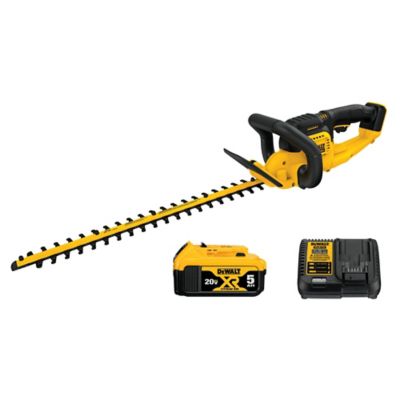
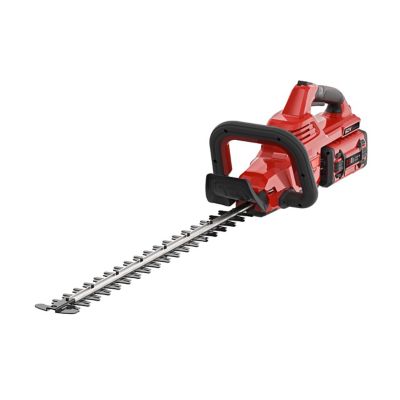
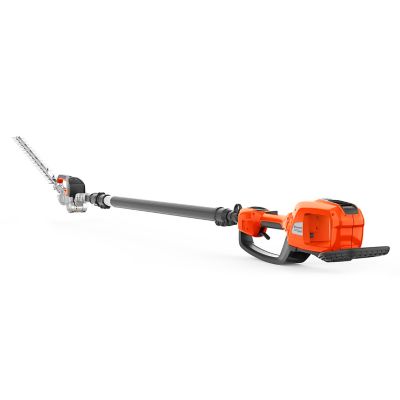
The choice between corded electric trimmers and cordless electric trimmers comes down to reach, power access and how long the work tends to take. A corded tool draws power from an outlet, making it a practical match for a compact yard or hedge near the house. There is no battery charge to manage, but the cord has to reach the work area without crossing a driveway, catching on fence corners or passing through the cutting path. Outdoor-rated extension cords, the cord gauge specified by the tool manufacturer and GFCI-protected power help support safe operation. Battery-powered trimmers offer more freedom around sheds, garden rows and stretches of fencing away from an outlet. Their runtime varies with battery capacity, cutting conditions, speed settings and tool design; tall, dense grass generally demands more energy than a light pass along an already-kept border. Voltage alone does not tell the whole story of cutting performance, and batteries with similar-looking connections are not necessarily interchangeable. Compatibility belongs to the manufacturer’s specified battery platform, including its approved charger. Battery weight also matters when the trimming route runs from the front walk to the barn and back. A larger battery may extend working time, but it can change how the tool balances in the hands. Fit is just as important as power for someone managing a long fence line or shaping a shoulder-high hedge. Adjustable shafts and handles can help a string trimmer suit different heights, while grip placement and overall balance affect how naturally the cutting head stays near the ground. A shoulder strap, where supported by the tool, can help spread the load. Hedge trimmers call for comfortable two-handed control, with blade length matched to the planting rather than simply choosing the longest reach. A shorter blade can feel easier to steer around individual bushes, while a longer blade can cover broad hedge faces with fewer passes. Pole-style hedge trimmers add reach, though the extra length and weight require room to maneuver and steady footing.
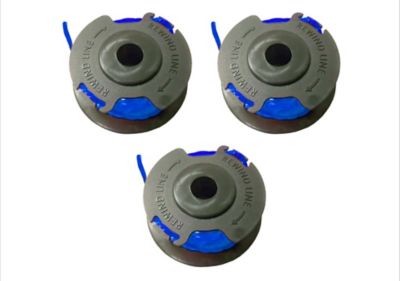
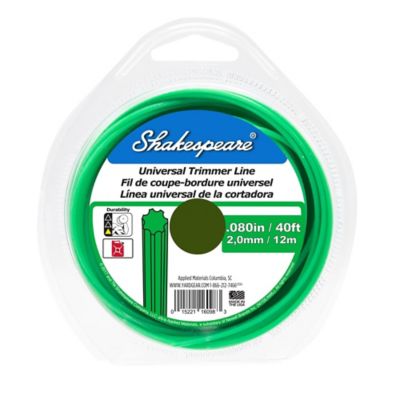
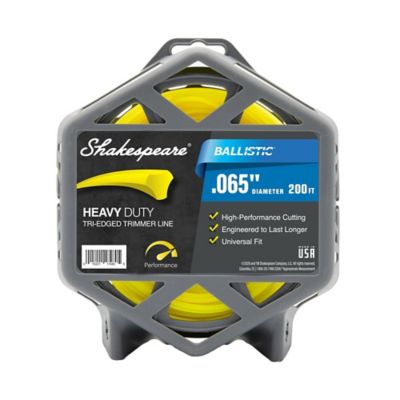
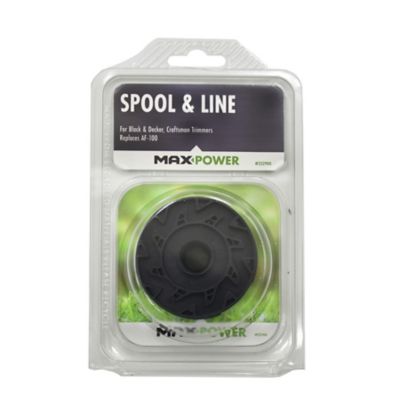
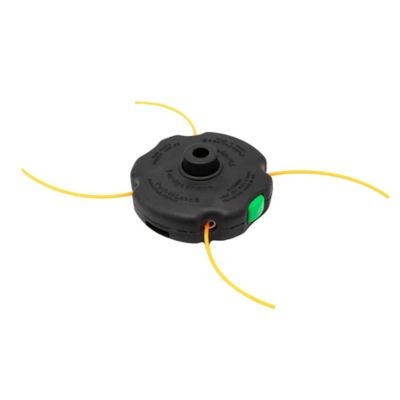
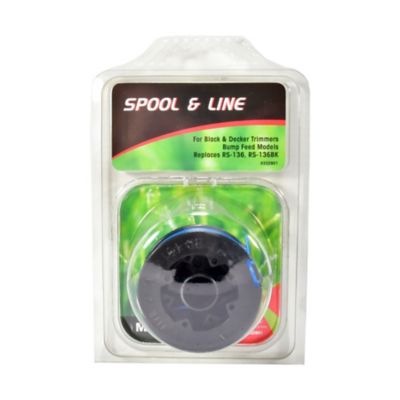
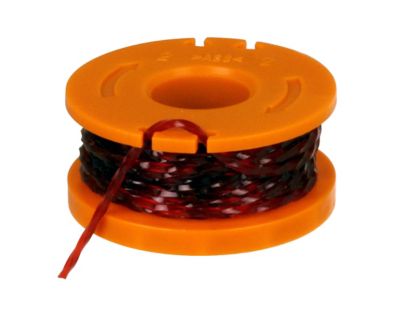
Construction and cutting components help separate an electric trimmer suited to light touch-ups from one better matched to frequent property work. String trimmers commonly pair molded housings with metal shaft components, while their cutting line comes in different diameters and profiles for particular heads and tasks. The manufacturer’s specified line size matters: thicker line is not automatically a better fit, and an incompatible size can affect feeding or put extra strain on the tool. Bump-feed and automatic-feed systems handle line advancement differently, so spool access and the replacement process can matter to anyone who would rather spend time trimming than sorting out a tangled head. Cutting width affects the work, too. A wider swath covers more grass in an open stretch, while a narrower head may be easier to place between raised beds or around closely spaced posts. Spinning line can scar tree bark, damage siding and catch loose fencing material, making controlled clearance important even during a quick pass. Hedge trimmers typically have steel cutting blades, with tooth spacing and rated branch capacity indicating the growth they can handle. Woody stems beyond that capacity belong to pruning tools suited to their thickness. Long service life depends on sensible care as well as materials. Grass packed around a string trimmer head, sap on hedge blades and blocked motor vents all deserve attention according to the owner’s manual. Before clearing a jam, changing line or cleaning cutting parts, the tool should be unplugged or have its battery removed. Blade lubrication, dry storage and battery care should follow the manufacturer’s directions, especially when colder weather slows yard work. Eye protection, sturdy footwear, long pants and any additional protection specified for the tool belong with the job; children, pets and bystanders need to stay outside the stated clearance area. For homeowners, gardeners or relatives who take pride in a tidy place, an electric trimmer can also make a practical gift when its weight, intended tasks and battery compatibility suit the person receiving it. Those everyday details make the difference between a tool that fits the property and one that makes a simple chore harder than it needs to be.