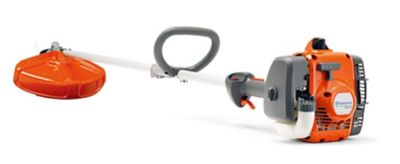
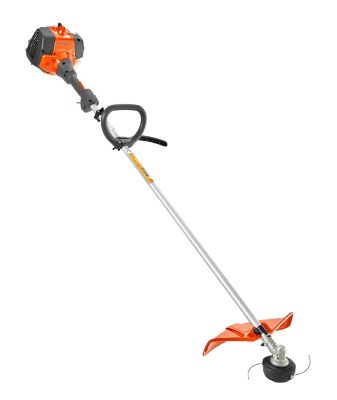
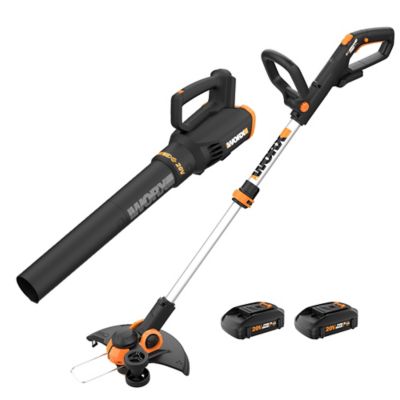
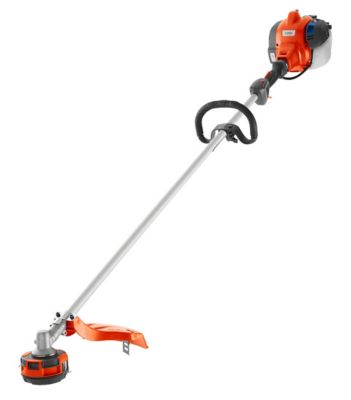
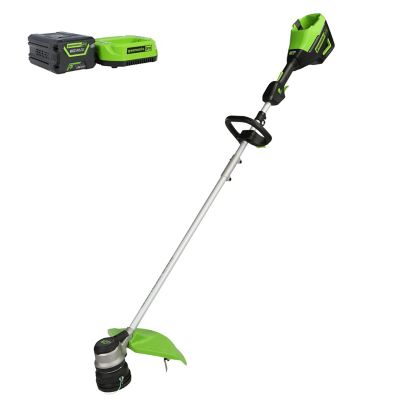
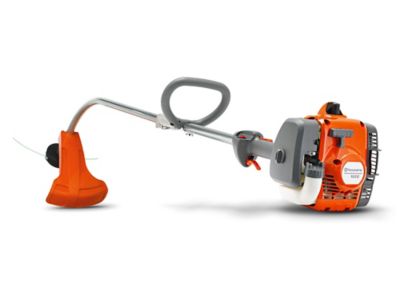
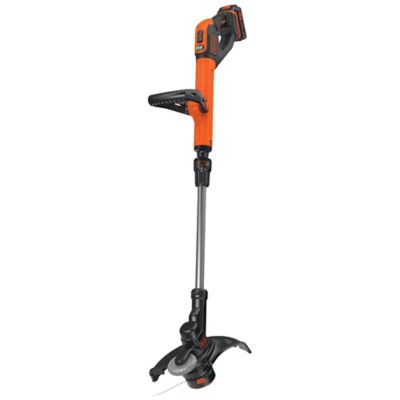
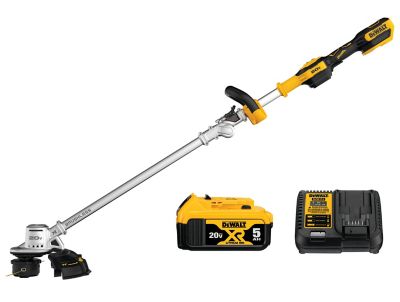
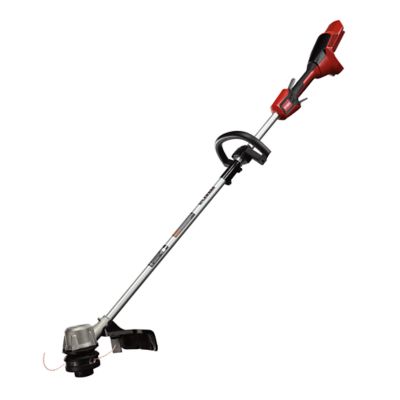
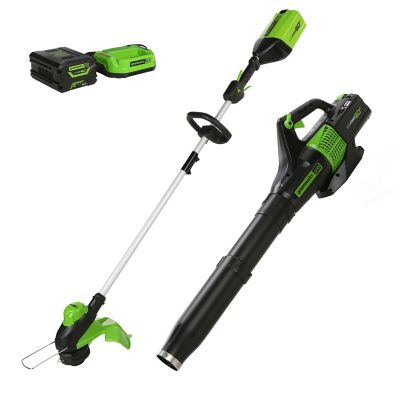
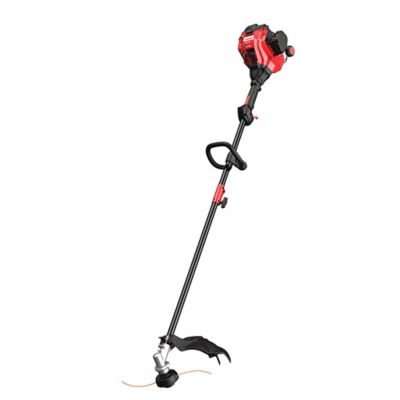
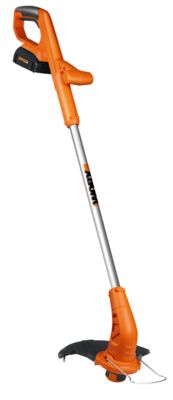
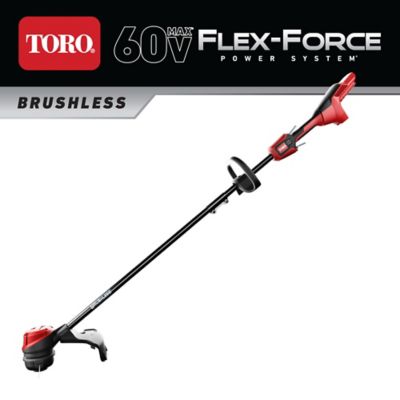
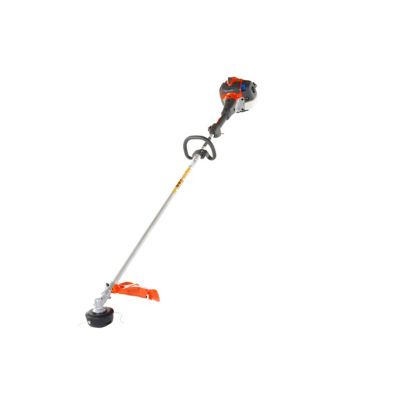
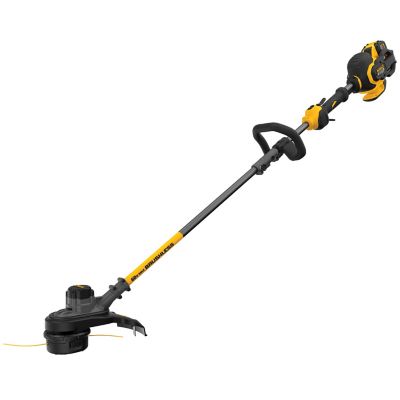
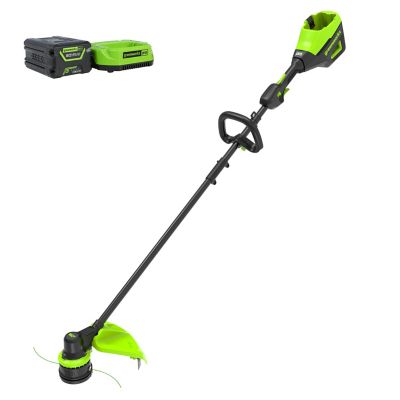
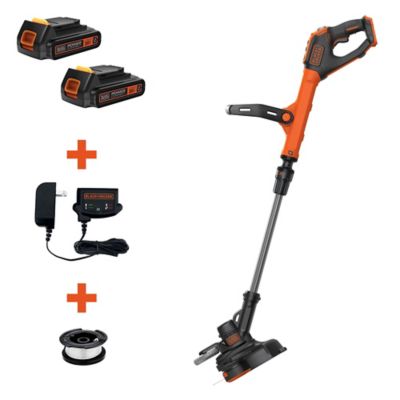
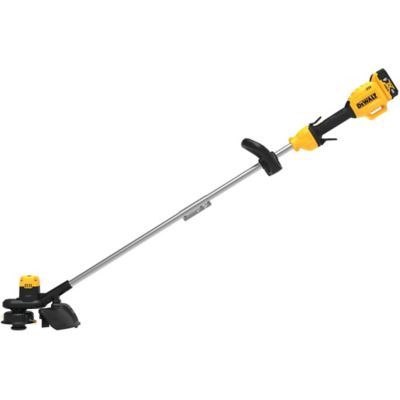
A weed trimmer cuts grass and weeds where a lawn mower cannot reach easily, including fence lines, ditch edges, narrow paths, and the ground beside sheds. Also called a string trimmer or weed eater, this tool spins flexible cutting line to knock down soft-stemmed growth and tidy up the edges of a mowing job. It earns its place on everything from a small home lot to a farmstead with gates, outbuildings, and long stretches of fence. The best fit depends less on acreage alone than on how much trimming the property needs, how thick the growth gets, and how far the work sits from an outlet or storage shed. A yard with several beds and a picket fence can involve more close work than a larger open lawn. Battery-powered weed trimmers offer cordless movement, push-button starting, and no gasoline engine to maintain, making them a practical match for routine yard work and scattered touch-ups. Their working time depends on battery capacity, tool design, speed settings, and the load placed on the cutting head; thick weeds can draw down a charge faster than light grass. Corded electric trimmers suit jobs within reach of an appropriate outdoor-rated extension cord and outlet. They do not need battery charging or fuel, though cord length and routing matter around gates, trees, and other obstacles. Gas-powered trimmers can suit extended work, remote corners, and heavier growth, with stops for refueling rather than recharging. They also bring engine upkeep, exhaust, and more noise to the job. Many two-cycle engines require a specified gasoline-and-oil mixture, while four-cycle engines generally keep fuel and engine oil separate. Engine instructions settle that distinction. No power source makes every trimmer suitable for every weed: ordinary string-trimming work is different from cutting woody stalks or brush. Matching the tool to the actual vegetation helps avoid buying more machine than a small yard needs or asking a light-duty setup to tackle a rough fence row.
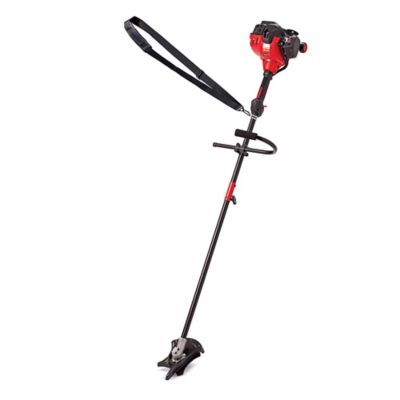
Comfort and control make a real difference when trimming stretches beyond a quick pass around the mailbox. Overall weight matters, but balance matters, too. A tool that rests comfortably between its handles can feel easier to manage than one that pulls hard toward the cutting head. Adjustable handles and shaft lengths help accommodate different heights and working positions, while a compatible shoulder strap or harness can take some load off the arms during longer jobs. Straight-shaft trimmers generally offer useful reach under fence rails and around obstacles; curved-shaft designs may feel comfortable for close trimming in open, level areas. Neither shape alone tells the whole story about power or handling. The position of the motor or engine, battery size, grip spacing, and head design all affect the feel. Shafts may incorporate aluminum or steel, and housings commonly combine metal components with molded plastics to balance weight and resistance to everyday bumps. Cutting width is another practical consideration. A wider swath can cover open edges in fewer passes, while a narrower setup may be easier to place between a walkway and a planting bed. Variable speed gives the operator room to ease off near tender plants and apply more cutting speed where grass grows thick. Flexible line can still scar tree bark, mark siding, and damage fence coatings, so precision around those surfaces matters. Guards, eye protection, sturdy footwear, long pants, and hearing protection appropriate to the machine belong in the same conversation as power and reach. Gravel beside a barn, loose wire along a fence, and small debris hidden in grass can become hazards around a spinning head. A clear work area and the manufacturer’s specified distance from people and animals matter even for a short cleanup. For households with several people sharing yard chores, easy handle adjustment, manageable starting controls, and a comfortable grip can matter as much as cutting capacity. The right fit helps keep attention on the cut rather than on wrestling the tool into position.
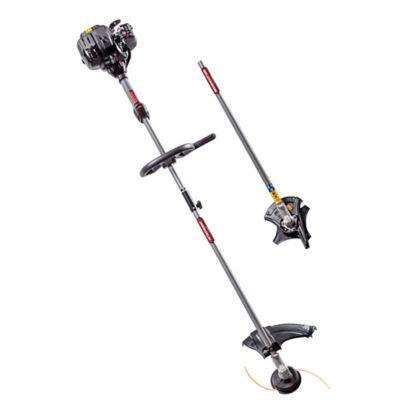
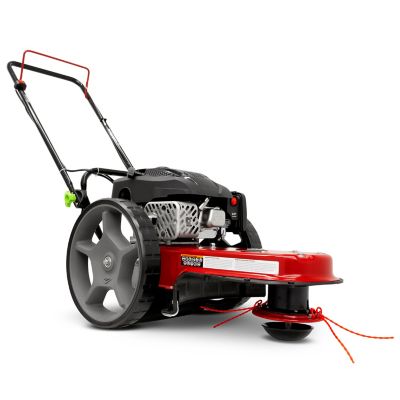
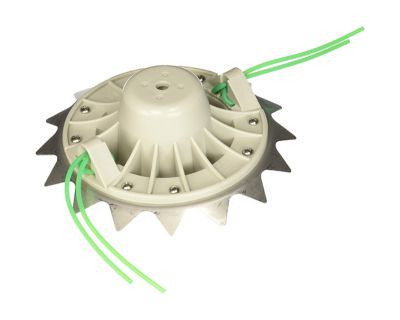
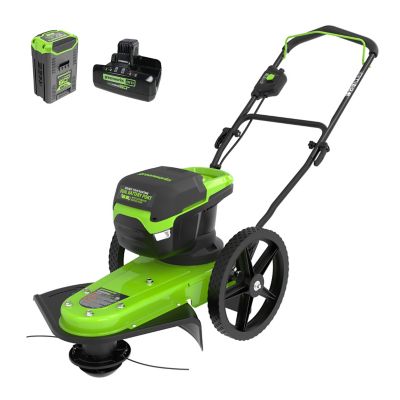
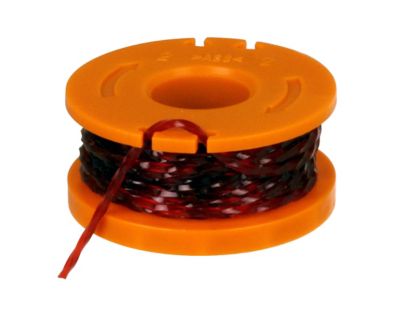
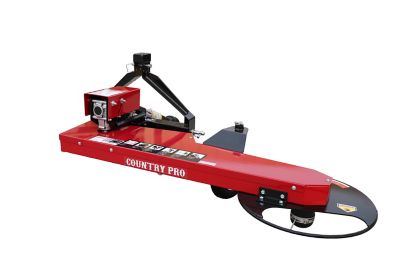
Trimmer line and replacement heads deserve a close look because they affect both cutting performance and routine upkeep. Line diameter must stay within the range specified for the trimmer head and machine. Thicker line is not an automatic improvement; an oversized line can strain a setup designed for lighter work. Round line is common for general grass trimming, while shaped or twisted profiles offer different cutting and operating characteristics. Most cutting line is made from nylon or related polymer blends intended to flex and wear during contact with vegetation and hard surfaces. Bump-feed heads release more line when tapped as directed, while automatic-feed and fixed-line designs handle replenishment differently. The practical difference shows up halfway down a fence row, when simple loading and a familiar feed system can keep a small interruption from becoming a long stop. Replacement spools, heads, guards, and attachments need to match the machine’s specifications, not just look close in size. Some powerheads accept approved attachments for other property chores, but blade attachments belong only on equipment specifically rated and equipped for them. Thick, woody growth may call for a brush cutter rather than a standard string trimmer. For broader patches of tall grass and weeds,
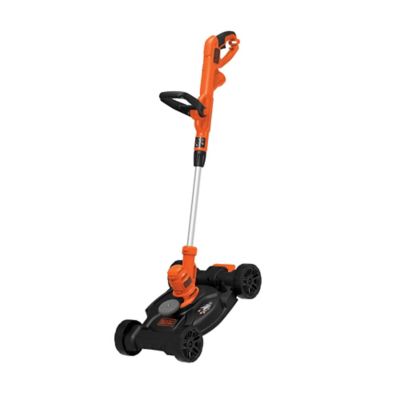
Trim Mowers offer another approach, with wheels supporting the machine across suitable ground instead of the operator carrying the full load. Handheld trimmers still have an advantage in tight corners and around closely spaced obstacles. Long service life comes down partly to construction and partly to care: clearing wrapped vegetation with the machine shut down and its power source disconnected, checking the head and guard, and following maintenance directions all matter. Gas equipment needs attention to fuel, filters, and other engine service points, while cordless equipment benefits from proper battery charging and storage. Before storage, clearing away clippings and checking for loose fasteners helps keep the next job straightforward. For a homeowner, acreage caretaker, or someone tending the grounds around a workshop, a well-matched weed trimmer is a working tool for keeping paths clear, edges neat, and everyday property chores manageable.