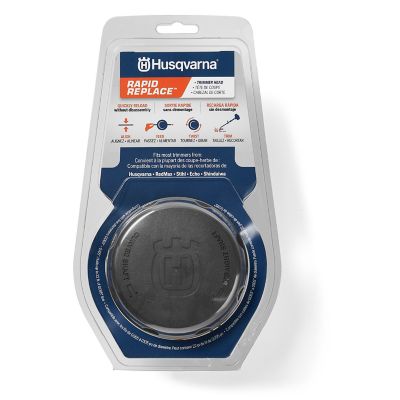
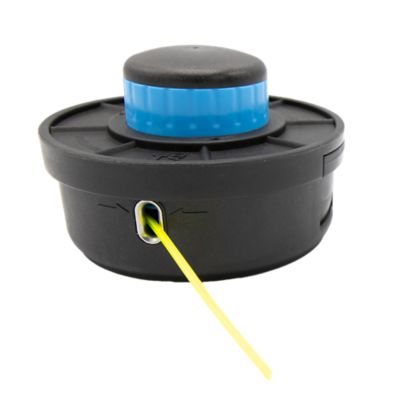
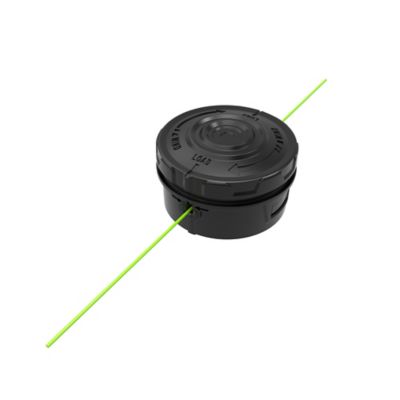
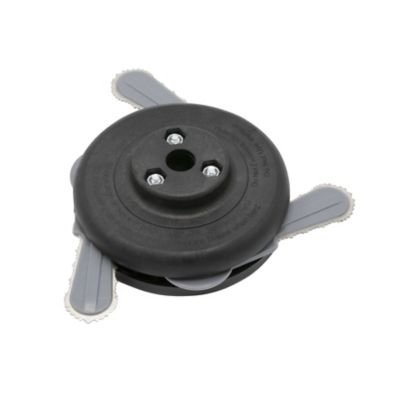
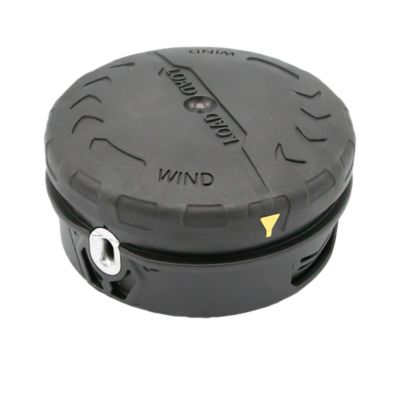
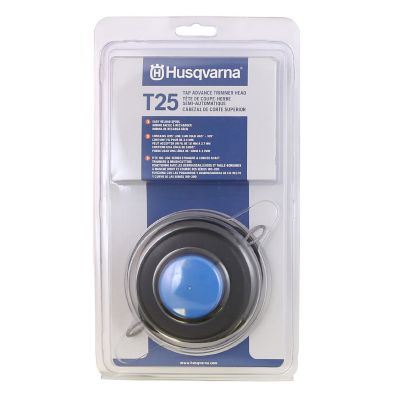
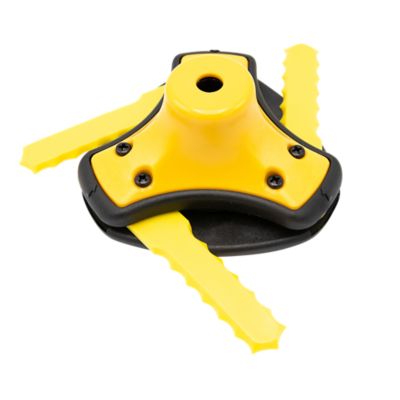
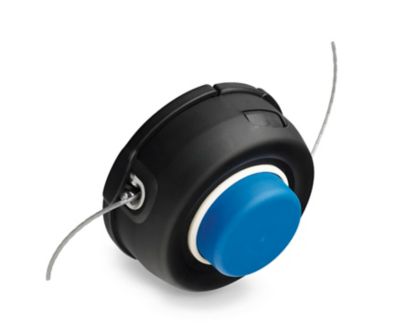
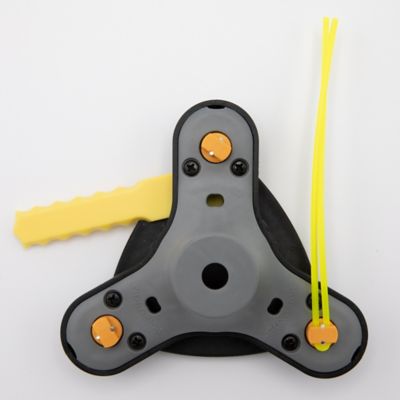
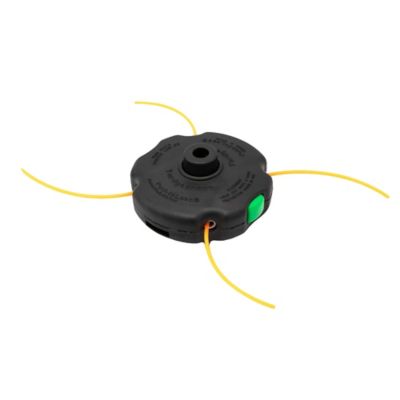
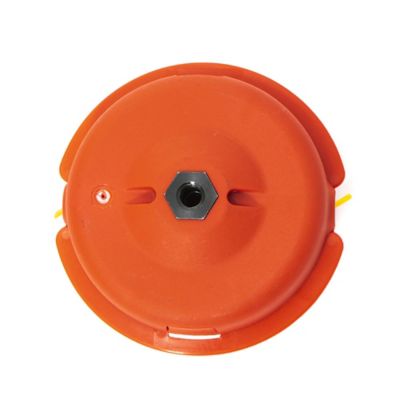
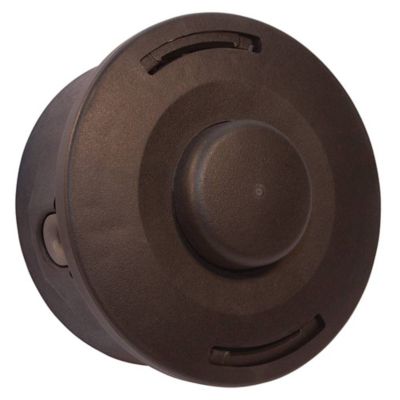
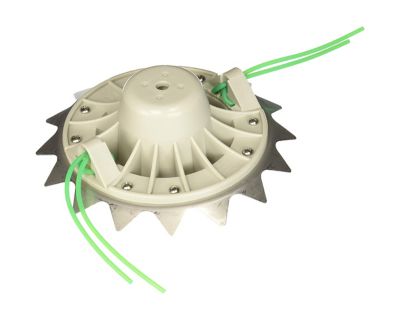
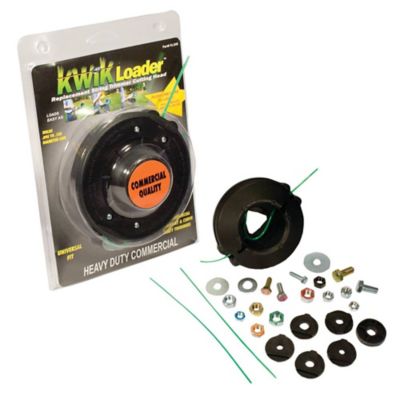
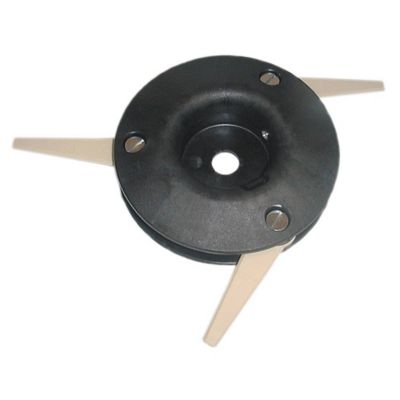
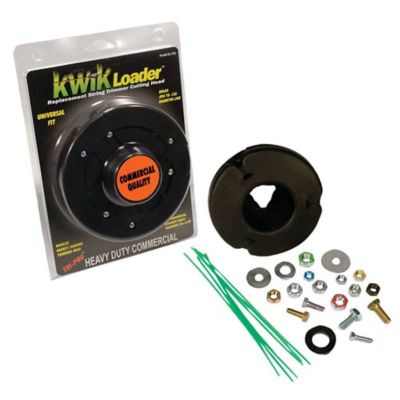
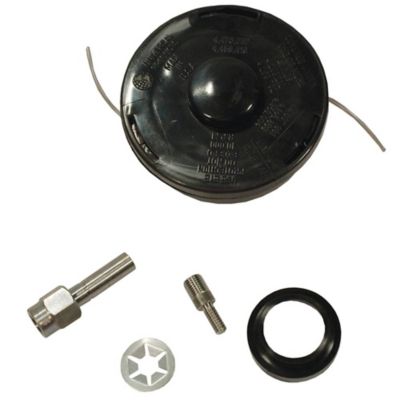
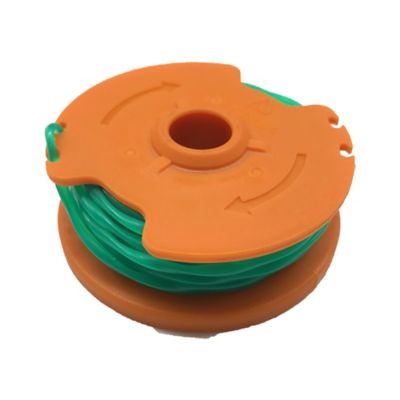
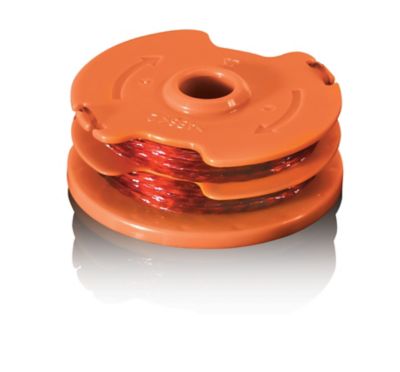
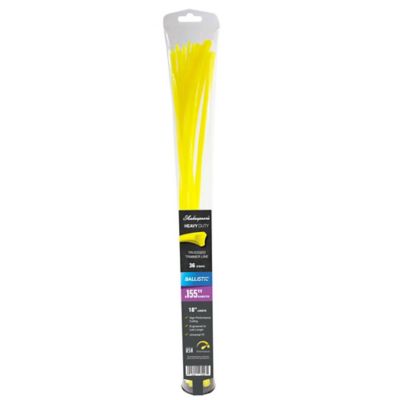
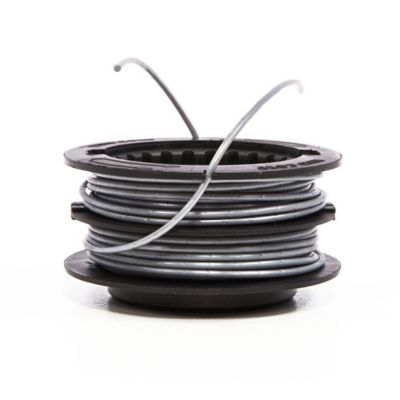
Trimmer heads are the cutting attachments at the working end of a string trimmer, holding nylon line or other approved cutting elements that knock down grass and weeds. The main types include bump-feed, automatic-feed and fixed-line heads, plus bladed attachments for machines specifically rated to accept them. Each design handles line replacement a little differently, which can make a difference when working along a fence row or finishing around a yard full of obstacles. Bump-feed heads release more line when the operator taps the head against the ground as directed by the equipment manufacturer. Automatic-feed heads advance line through the tool’s feed system, with the exact operation depending on the model. Fixed-line heads hold precut sections that get replaced individually rather than feeding from a wound spool. Some spool-style heads also have loading systems that let fresh line thread through the housing and wind into place without taking the head apart. That arrangement can cut down on loose parts when it is time to reload between stretches of trimming. Bladed heads may carry replaceable polymer cutting elements or other approved attachments, but they are not interchangeable with ordinary string heads on every machine. A metal cutting blade belongs only on equipment expressly designed and approved for that attachment. Single-line and dual-line layouts add another consideration, since the head must match the trimmer’s intended configuration. Dual-line heads extend cutting line from two sides, while single-line designs have one cutting end; neither layout overrides the machine’s specifications. For everyday grass around fence posts, mailboxes and the edges of outbuildings, a compatible line head gives the operator a way to reach places a mower leaves behind. The best match comes down to the equipment, the vegetation and how the operator prefers to manage fresh cutting line.
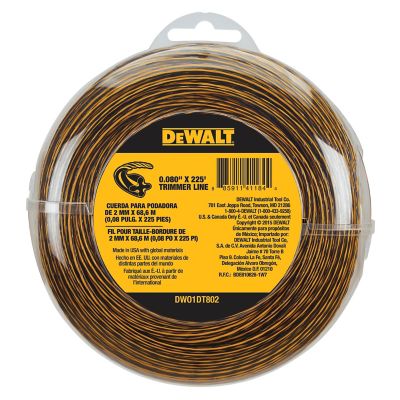
Fit matters more than a head’s general appearance or a claim that it fits many machines. Shaft style, mounting hardware, thread size, thread direction and the manufacturer’s approved attachment requirements all play a part in whether a replacement belongs on a particular trimmer. Straight-shaft and curved-shaft machines can have different mounting arrangements, and matching the shaft shape alone does not establish compatibility. Gas-powered, battery-powered and corded trimmers also have their own head requirements; the power source by itself does not tell the whole story. A replacement may need a specified adapter, washer or retaining component, and those parts must match the machine rather than merely thread together. The owner’s manual and the replacement head’s fit information provide the details that matter. Line diameter is another part of that fit. Common sizes include 0.065, 0.080, 0.095 and 0.105 inch, but each head and trimmer accepts only its stated range. Thicker line is not automatically a better choice: line beyond the approved size can increase load and interfere with feeding. Line shape can also influence cutting behavior, though the equipment’s requirements still come first. Materials matter where the head meets the work. Molded polymer housings keep weight manageable, while metal eyelets and reinforced contact areas can help resist wear where line exits or the head meets the ground. A bump knob takes repeated contact during normal operation, so its condition and replacement options deserve attention. Housing size, head weight and cutting swath also affect handling, especially when trimming around closely spaced posts or working through a long run beside a driveway. A larger head does not necessarily belong on a smaller machine, and added weight can change balance at the end of the shaft. Good fit keeps the attachment within the tool’s intended setup instead of asking the motor, shaft or guard to work around a mismatch.
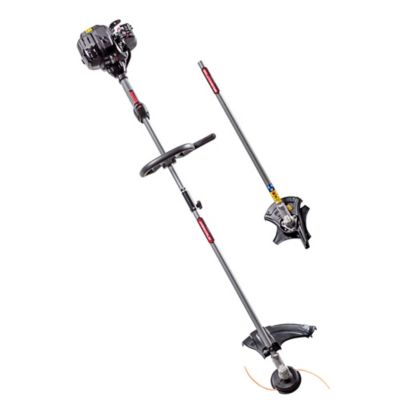
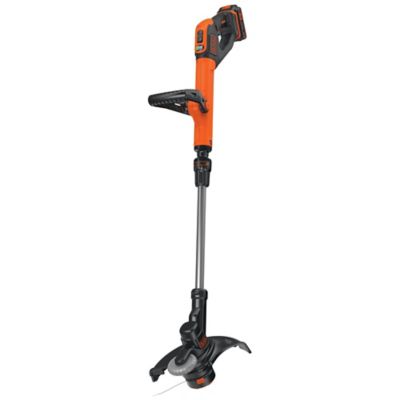
Around a rural place, trimming often means moving between open stretches and tight spots: grass beside a gate, narrow strips along a barn, or weeds around the base of a fence. Homeowners, acreage owners and grounds crews may favor different feed systems, but all benefit from a head that suits the actual workload. Someone covering long fence lines may appreciate convenient spool loading, while an operator making short passes around scattered obstacles may prefer the straightforward setup of fixed-line sections. Neither arrangement makes hard objects harmless. Contact with wire, stone, siding or tree bark can wear cutting line, damage nearby surfaces or scar plants, so controlled passes and proper clearance still matter. Line heads are meant for vegetation within the machine’s cutting capability, not for forcing through woody growth. Care centers on keeping the head intact and its feed mechanism clear. Packed grass and tangled fibers can interfere with movement, while cracked housings, worn eyelets or a damaged bump knob can signal that service or replacement is due. Any inspection, cleaning or line change calls for a fully stopped machine with power disconnected as directed by its manufacturer. Correct winding direction, the specified amount of line and properly seated parts help a spool feed as intended; overfilling can crowd the housing and lead to tangles. Replacement line and spare components stay easier to manage when kept clean, organized and stored according to their instructions. Eye protection, appropriate clothing and the specified guard remain part of the setup, with people and animals kept outside the manufacturer’s stated work area. For complete equipment that handles grass trimming and edge work, explore
Trimmers and Edgers. A properly matched replacement head helps keep an existing machine ready for the stretches a mower cannot reach, from the gate opening to the last post along the lane.