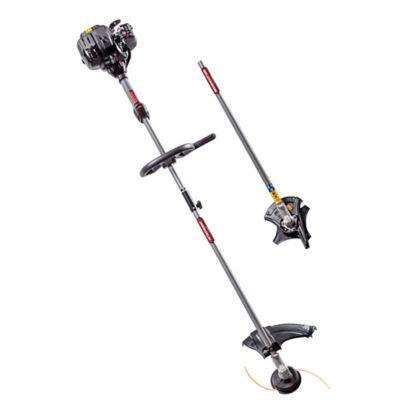
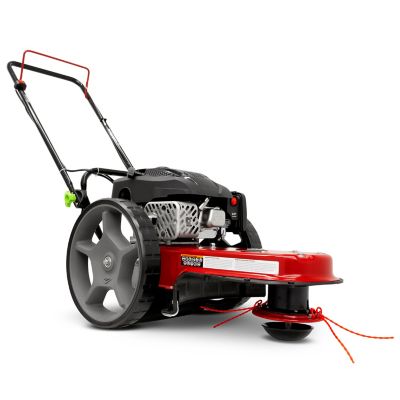
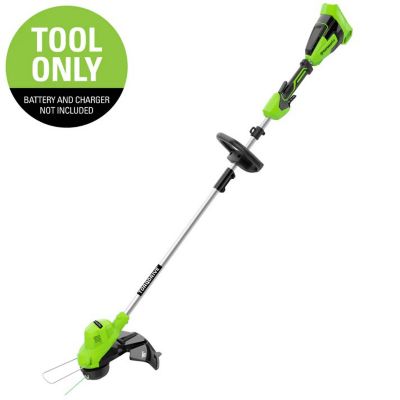
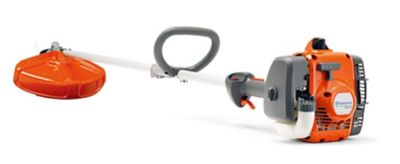
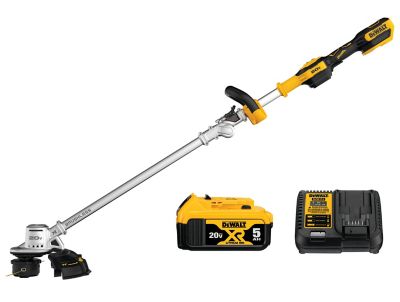
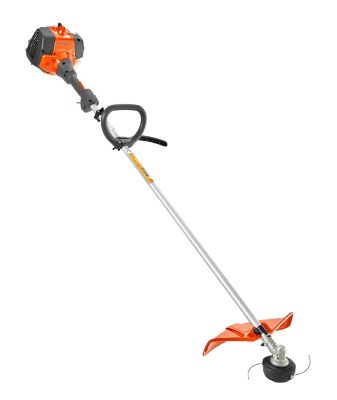
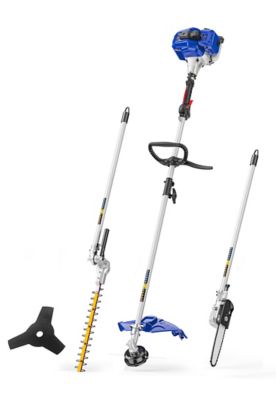
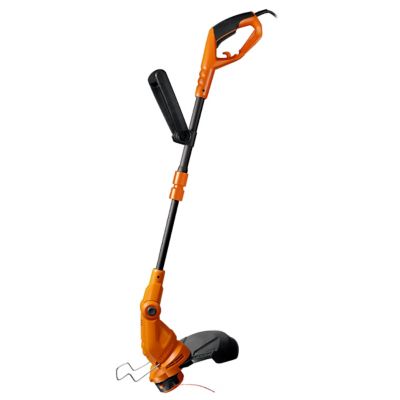
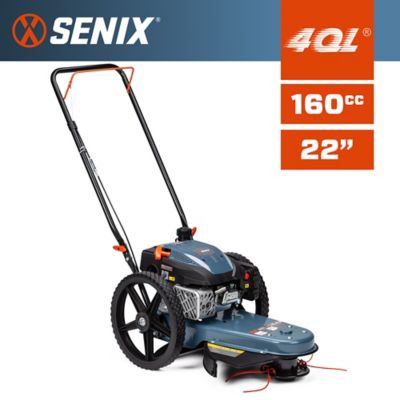
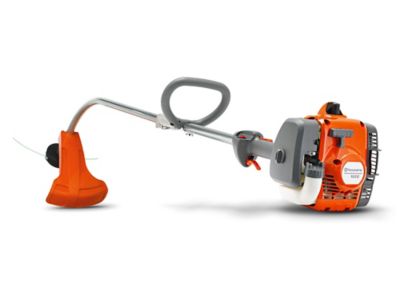
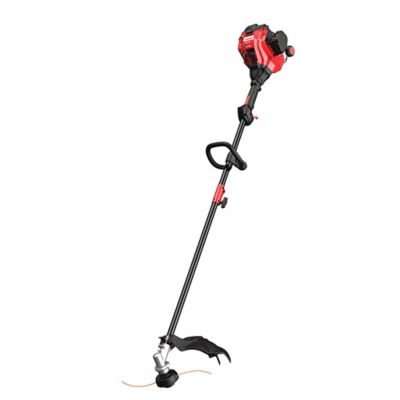
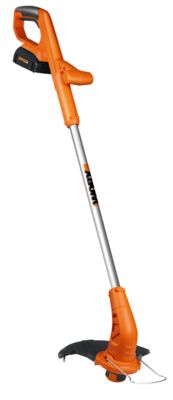
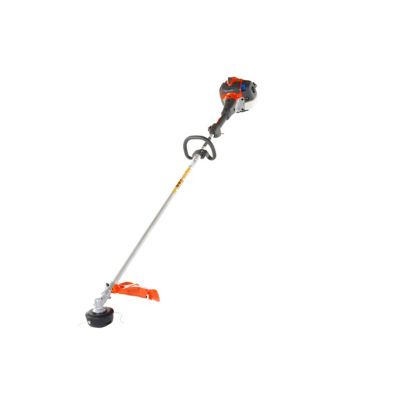
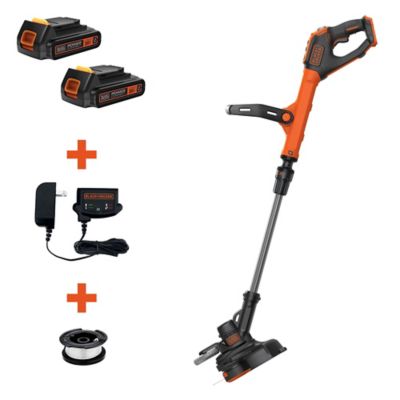
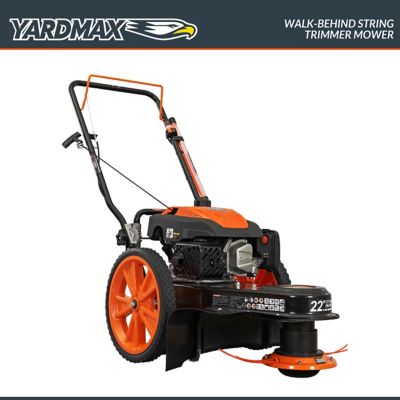
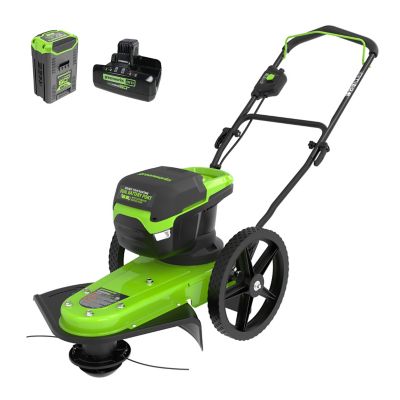
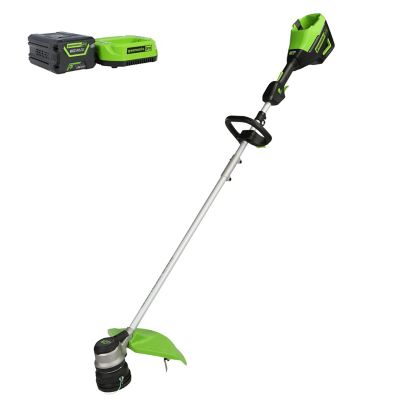
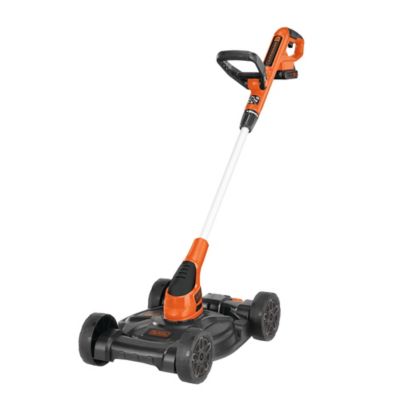
String trimmers handle the grass and weeds a mower leaves behind, from the narrow strip along a fence to the patch tucked beside the porch steps. A spinning head carries flexible cutting line that clips vegetation in tight spaces, making these tools a practical part of keeping a yard, acreage or farmstead tidy. Sometimes called weed eaters or weed whackers, string trimmers come in battery-powered, gas-powered and corded electric designs, each suited to a different kind of workday. Battery-powered string trimmers offer cordless movement, push-button starting and no exhaust at the tool, with less engine upkeep than gas equipment. They fit routine trimming around lawns, outbuildings and garden borders, especially when their working time matches the distance there is to cover. Gas string trimmers can make sense for extended work across a property, where access to an outlet is limited and refueling is more practical than charging. They still need fuel stops and regular engine care; no power source provides endless running time. Corded electric string trimmers suit smaller spaces within reach of a suitable outdoor extension cord and an appropriate outlet, without a battery to recharge or a gas engine to maintain. The cord does limit movement, particularly around trees, gates and other obstacles. For shoppers comparing
trimmers for grass, the strongest match depends on vegetation, property layout and how long each trimming session usually lasts—not simply the largest power rating. Soft lawn grass along a walkway presents a different job from tall, stemmy weeds beside a shed. Cutting width matters, too: a broader swath covers more ground with each pass, while a narrower swath can feel easier to manage around closely spaced features. For homeowners, grounds crews and folks keeping up a rural property, the right balance of reach, handling and cutting capacity helps turn those ragged edges into a neat finish without bringing more tool than the job calls for.
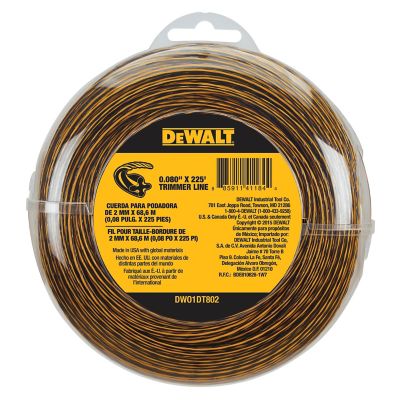
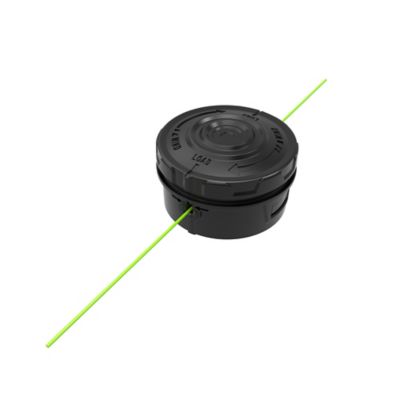
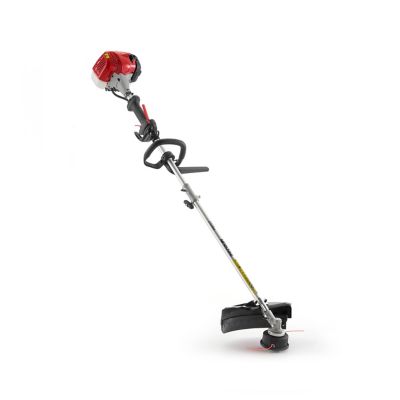
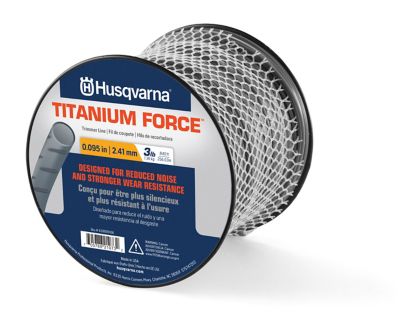
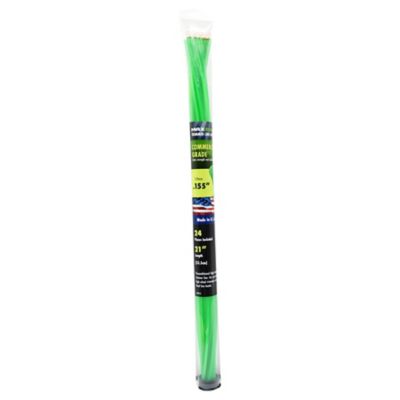
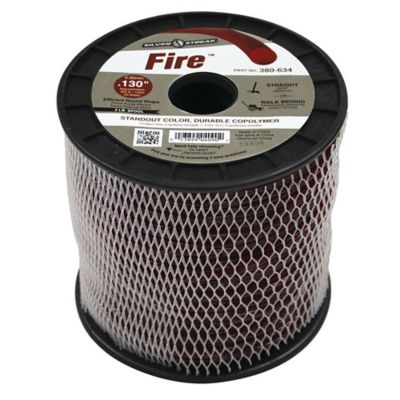
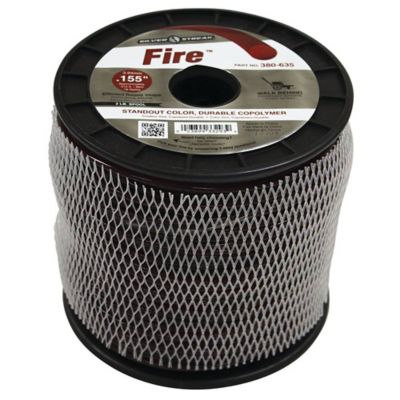
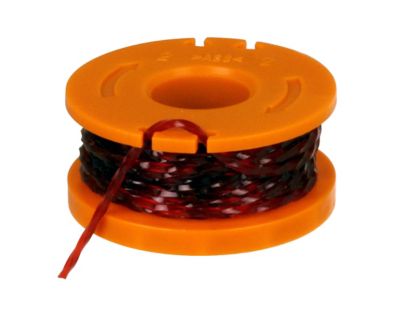
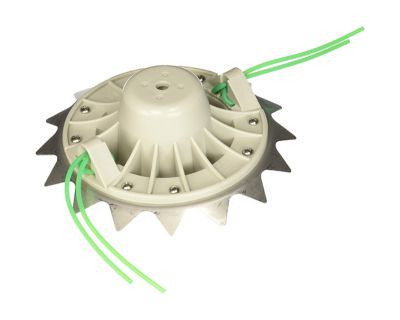
Comfort and control become especially noticeable when a quick pass around the house turns into a longer stretch along the driveway. Straight-shaft string trimmers generally offer good reach beneath open fencing and low obstacles, while curved-shaft designs can feel comfortable for close-in work, depending on the operator’s height and stance. An adjustable shaft or handle can help keep the cutting head near the ground without constant bending. Overall weight tells only part of the story: the position of the motor, engine or battery affects how the tool balances between the hands. A well-positioned front handle and, where supported, a shoulder strap can make longer sessions easier to manage. Metal shafts, often steel or aluminum, provide structure, while molded housings and guards help contain components and shield the operator from some thrown debris. Construction, connection points and access to service parts all play a role in how a trimmer holds up over time. At the cutting end, line diameter and profile should match the manufacturer’s specifications and the vegetation being cut. Thicker line is not automatically better; an unsupported size can strain the tool or interfere with feeding. Round line is common for routine grass trimming, while other profiles may offer different cutting characteristics in heavier weeds. Bump-feed heads release more line when tapped as directed, automatic-feed systems advance it without that action, and fixed-line heads take individual lengths rather than a wound spool. Easy-loading head designs can simplify refilling, though loading methods vary. Variable-speed controls allow a lighter touch near lawn borders and more cutting speed when growth gets thicker. Some attachment-capable power heads also accept compatible edging or other yard-care attachments, but connections are not universal. These details matter whether the trimmer will spend most of its time beside a small home lawn or travel from the barnyard to a long roadside boundary. Grass trimmers are not automatically brush cutters, and woody stems or dense brush may call for equipment specifically rated for that work.
Power and care requirements are worth weighing alongside handling, particularly when a trimmer needs to serve through repeated mowing seasons and stretches of cooler weather. With cordless string trimmers, battery capacity, cutting speed, line size and grass density all affect working time. Voltage alone does not establish cutting performance, and a stated runtime may not reflect a fence line full of thick growth. Battery compatibility also depends on the designated tool platform, not merely a matching voltage number. Brushless motors can offer efficiency and reduced motor maintenance, but battery-powered equipment still needs cleaning, inspection and proper storage. Gas-powered string trimmers require the fuel specified for their engine design; many two-cycle engines call for a measured gasoline-and-oil mixture, while four-cycle designs generally keep engine oil separate. Fuel-system care, air-filter checks and spark-plug service belong to their upkeep, following the operator’s manual. For any power source, packed grass around the head, a cracked guard or loose hardware deserves attention before the next job. Disconnecting power as directed before clearing wrapped vegetation or servicing the head helps prevent an unexpected start. Cutting line can scar young tree bark, mark siding and damage fence coatings, so close work calls for controlled passes rather than pressing the head against a surface. Stones and loose debris can become projectiles; eye protection, sturdy footwear, long pants and hearing protection as directed are part of dressing for the task. People, pets and livestock should remain outside the manufacturer’s specified safety distance. When mowing slows during the cooler months, a clean, dry storage spot helps keep the shaft, head and controls ready for the next round. Batteries need storage conditions within their specified temperature range, and gas engines may need fuel treatment or draining according to their instructions. A string trimmer can also make a practical gift for someone settling into a home with a yard or taking on more property upkeep, provided its weight, power source and upkeep needs fit the person. From the grass around a mailbox to the last uneven strip beside a pasture gate, a well-matched trimmer brings those finishing chores within comfortable reach.